Japanese Painted Fern (Athyrium niponicum var. pictum): A Comprehensive Guide
As a plant scientist, it is essential to explore and understand the diverse world of plant species that grace our natural landscapes and horticultural settings. In this comprehensive guide, we will delve into the captivating realm of the Japanese painted fern (Athyrium niponicum var. pictum). This elegant and ornamental fern species has enthralled gardeners and plant enthusiasts with its exquisite foliage and adaptability to various environmental conditions. Throughout this extensive exploration, we will discuss the key cultural aspects, uses, growth requirements, common diseases and pests, and intriguing facts about the Japanese painted fern.
What is the Japanese Painted Fern (Athyrium niponicum var. pictum)?
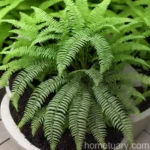
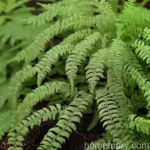
The Japanese painted fern, scientifically known as Athyrium niponicum var. pictum, is native to Japan, Korea, and eastern Asia. It is a deciduous fern renowned for its striking and vibrant foliage. The fronds of this fern typically grow in a distinctive arching fashion, creating an alluring and graceful aesthetic. The striking coloration of the foliage includes hues of silver, purple, green, and burgundy, forming an enchanting tapestry that adds a touch of elegance to any garden or landscape.
Key Takeaways – Japanese Painted Fern (Athyrium niponicum var. pictum)
Before delving into the specific aspects of this fascinating fern, let’s take a look at the key takeaways that this comprehensive guide will cover:
- Culture
- Uses
- Water
- Sunlight
- Fertilizer
- Soil
- Pruning
- Propagation
- Container Popularity
- Common Diseases
- Disease Diagnosis
- Common Pests
- Botanist’s Tips
- Fun Facts
- Links to External Resources
Now that we have an overview of the key points we will explore, let’s begin our journey into the world of Japanese painted ferns.
Culture of Japanese Painted Ferns
Understanding the cultural requirements of Japanese painted ferns is pivotal for successfully cultivating and nurturing these captivating plants. The cultural aspects include the uses of these ferns, as well as their water, sunlight, fertilizer, soil, and pruning needs, along with propagation methods and container popularity.
Uses
Japanese painted ferns are esteemed for their ornamental value and are often utilized to bring an artistic flair to shaded garden areas, woodland landscapes, and shaded borders. Due to their exquisite foliage, they can be featured as standalone specimens or used to complement other shade-loving plants, thereby enhancing the visual appeal of a garden.
Water
Japanese painted ferns thrive in moist soil conditions and require regular watering to maintain adequate moisture levels. While they prefer consistent moisture, it is essential to ensure proper drainage to prevent waterlogged soil, which can adversely impact their growth.
Sunlight
These ferns are ideally suited for shaded or partially shaded areas. They flourish in locations with dappled sunlight or under the canopy of larger trees, where they receive filtered light. Direct sunlight should be avoided, particularly during the intense midday hours, as it can cause the delicate foliage to scorch or wilt.
Fertilizer
When it comes to fertilizing Japanese painted ferns, it is recommended to apply a balanced, water-soluble fertilizer during the growing season. This should be done sparingly and in accordance with the manufacturer’s instructions to prevent over-fertilization, which can be detrimental to the fern’s health.
Soil
The ideal soil for Japanese painted ferns is rich, well-draining, and organic. A loamy soil with good moisture retention capabilities is advantageous for these ferns. Additionally, adding organic matter such as compost or leaf mold can further enhance the soil structure and nutrient content, providing an optimal growing medium for the ferns.
Pruning
Pruning is generally minimal for Japanese painted ferns, primarily involving the removal of any damaged or discolored fronds. It is essential to use sharp and clean pruners to make precise cuts and prevent the spread of diseases. Regular removal of spent fronds can help maintain the fern’s aesthetic appeal and overall health.
Propagation
Japanese painted ferns can be propagated through division or spore propagation. Division involves carefully separating the rhizomes to create new plantings, while spore propagation is a more intricate process that requires specific environmental conditions to successfully germinate spores and cultivate new ferns.
Container Popularity
Due to their adaptation to shaded environments, Japanese painted ferns are popular choices for container gardening in areas with limited access to direct sunlight. They can be featured in decorative pots or containers to add visual interest to shaded patios, balconies, or indoor spaces.
Common Diseases and Pests
Like all plants, Japanese painted ferns are susceptible to certain diseases and pests that can impact their growth and vitality. Understanding these potential challenges and how to diagnose and address them is crucial for maintaining the health and vigor of these ornamental ferns.
Common Diseases
Japanese painted ferns may encounter diseases such as leaf spot, which manifests as circular or irregularly shaped spots on the foliage. This condition is often caused by fungal pathogens and can lead to aesthetic blemishes on the fronds. Good air circulation, proper watering practices, and avoiding overhead irrigation can help mitigate the risk of leaf spot.
Disease Diagnosis
Diagnosing diseases in Japanese painted ferns involves careful observation of the foliage for any signs of discoloration, spotting, or unusual patterns. It is essential to identify the specific symptoms and, if possible, the underlying cause of the disease to implement targeted treatment strategies.
Common Pests
Pests such as slugs and snails can pose a threat to Japanese painted ferns, particularly in moist and shaded environments. These voracious feeders can cause visible damage to the foliage by consuming the tender fronds. Implementing slug and snail control measures, such as barrier methods or organic deterrents, can help safeguard the ferns from these pests.
Botanist’s Tips for Japanese Painted Fern Care
As a plant scientist, I am often asked for expert tips on how to care for Japanese painted ferns and ensure their optimal growth and vitality. Here are some valuable insights and recommendations to guide you in cultivating and appreciating these exquisite ferns:
- Adequate moisture: Japanese painted ferns thrive in consistently moist soil, so regular watering is essential, particularly during dry periods.
- Shaded environments: These ferns are ideally suited for shaded or partially shaded locations, where they can receive filtered light without being exposed to direct sunlight.
- Mulching: Applying a layer of mulch around the base of the ferns can help retain soil moisture and regulate temperature, creating a favorable microclimate for their growth.
- Air circulation: Ensuring good air circulation around the ferns can help minimize the risk of fungal diseases and promote overall plant health.
- Division: Periodically dividing mature Japanese painted ferns can rejuvenate the plants and create new growth, contributing to their longevity and vitality.
Fun Facts about Japanese Painted Ferns
To further acquaint you with the enchanting world of Japanese painted ferns, here are some intriguing and captivating fun facts about these remarkable plants:
- The intricate and colorful foliage of Japanese painted ferns makes them prized additions to shaded gardens and woodland landscapes, where they contribute a touch of elegance and visual allure.
- The variegated fronds of the ferns exhibit a mesmerizing blend of silver, purple, green, and burgundy hues, creating a captivating display that changes with the shifting light throughout the day.
- Japanese painted ferns belong to the Athyriaceae family, which encompasses a diverse array of fern species celebrated for their ornamental foliage and adaptability to shaded environments.
External Resources for Japanese Painted Ferns
To expand your knowledge and appreciation of Japanese painted ferns, here are some valuable external resources that offer detailed insights, cultivation tips, and inspirational ideas for incorporating these elegant ferns into your garden or landscape:
- Royal Horticultural Society – Athyrium niponicum var. pictum
- University of Vermont Extension Department of Plant and Soil Science – Growing Ferns
- Missouri Botanical Garden – Athyrium niponicum var. pictum
- Fine Gardening – Japanese Painted Fern
Conclusion
Japanese painted ferns, with their captivating foliage and adaptability to shaded environments, continue to captivate plant enthusiasts and gardeners with their ornamental charm. By understanding the cultural requirements, diseases, and pests associated with these ferns, you can cultivate and appreciate them as lively additions to shady gardens, woodland landscapes, and decorative containers. With the knowledge and insights shared in this comprehensive guide, you are well-equipped to embrace the allure of Japanese painted ferns and immerse yourself in their enchanting world.
As we conclude this exploration of the Japanese painted fern, I encourage you to embark on your own journey of discovery and appreciation for these remarkable ferns, which bring elegance and beauty to shaded settings and inspire a deeper connection to the enchanting realm of ornamental foliage plants.