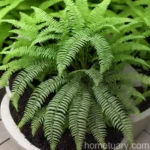
Lady Fern (Athyrium filix-femina ‘Veroniae Cristatum’): A Complete Guide
Plants play an integral role in our lives. They not only beautify our surroundings but also contribute to our well-being. The lady fern, scientifically known as Athyrium filix-femina ‘Veroniae Cristatum’, is a captivating and versatile plant that deserves a place in every garden. In this comprehensive guide, we will explore the key aspects of lady ferns, including their culture, uses, care requirements, propagation, common diseases and pests, and much more. Whether you are a novice gardener or an experienced plant enthusiast, this guide will equip you with all the information you need to successfully cultivate and appreciate the elegance of lady ferns.
What is a Lady Fern: Athyrium filix-femina ‘Veroniae Cristatum’?
The lady fern, also known by its scientific name Athyrium filix-femina ‘Veroniae Cristatum’, is recognized for its delicate and lacy fronds, making it a popular choice for shaded gardens and woodland landscapes. With its graceful form and vibrant green foliage, the lady fern adds a touch of elegance to any setting. This perennial fern belongs to the Athyriaceae family and is native to Europe, Asia, and North America.
Its botanical name, Athyrium filix-femina, originates from the Greek word ‘athyrium’, meaning door of a building, and ‘filix-femina’, which translates to ‘lady fern’. The ‘Veroniae Cristatum’ cultivar is distinguished by its crested or wavy fronds, enhancing the visual appeal of this already stunning fern.
Key Takeaways – Lady Fern (Athyrium filix-femina ‘Veroniae Cristatum’)
Before delving into the specifics of cultivating and caring for lady ferns, let’s quickly review the key takeaways about this enchanting plant:
- Botanical Name: Athyrium filix-femina ‘Veroniae Cristatum’
- Common Name: Lady Fern
- Family: Athyriaceae
- Features: Lacy and crested fronds, vibrant green foliage
- Uses: Shaded gardens, woodland landscapes, container gardening
- Ease of Care: Low-maintenance, tolerates shade
- Propagation: Spores, division
- Pest and Disease Resistance: Resilient against common pests and diseases
- Unique Trait: Crested or wavy fronds
- Native Habitat: Europe, Asia, North America
Now that we have an overview of the lady fern’s key characteristics, let’s dive into the details of how to cultivate and care for this captivating plant.
Culture
Understanding the culture and growing requirements of the lady fern is essential for its successful cultivation. From water and sunlight needs to soil and fertilizer preferences, here’s a detailed look at the culture of Athyrium filix-femina ‘Veroniae Cristatum’.
Uses
Lady ferns have a diverse range of uses, making them a valuable addition to any garden. Whether you want to enhance a shaded corner or introduce a striking foliage display, lady ferns offer versatility and aesthetic appeal.
- Shaded Gardens: Lady ferns thrive in shaded environments, making them an ideal choice for creating lush greenery in areas with limited sunlight.
- Woodland Landscapes: The delicate fronds of the lady fern complement woodland settings, adding texture and visual interest to the landscape.
- Container Gardening: Compact varieties of lady ferns can be cultivated in containers, allowing for flexibility in garden design and placement.
Water
Proper watering is crucial for the health and vigor of lady ferns. While they thrive in moist soil, they are also susceptible to root rot if overwatered. Here are some guidelines for watering lady ferns:
- Moist Soil: Lady ferns prefer consistently moist soil, but they should not be waterlogged. Ensure that the soil remains evenly moist without becoming soggy.
- Watering Frequency: Depending on the climate and soil drainage, water lady ferns when the top inch of soil feels dry. During hot and dry periods, more frequent watering may be necessary to maintain soil moisture.
Sunlight
Lady ferns are well-suited to shaded and partially shaded areas, thriving in the dappled light of woodlands and under the canopy of trees. Understanding their sunlight requirements is crucial for their growth and overall appearance:
- Shade Tolerance: Lady ferns are highly adaptable to shaded conditions, making them an excellent choice for gardens with limited sunlight.
- Partial Sun: While they prefer shade, lady ferns can tolerate gentle morning or late afternoon sun. However, direct sunlight should be avoided to prevent leaf scorching.
Fertilizer
Proper fertilization supports the healthy growth and vitality of lady ferns, ensuring that they maintain their lush foliage and graceful form. Here’s how to effectively fertilize these stunning ferns:
- Organic Matter: Incorporate organic matter such as compost or well-rotted manure into the soil to provide a nutrient-rich foundation for lady ferns.
- Slow-Release Fertilizer: Apply a balanced, slow-release fertilizer in spring to provide essential nutrients for sustained growth. Avoid over-fertilization, as excessive nutrients can harm the ferns.
Soil
The soil composition significantly influences the health and vigor of lady ferns. Understanding their soil preferences is key to creating an optimal growing environment:
- Moisture-Retentive Soil: Lady ferns thrive in well-draining, moisture-retentive soil. A blend of organic matter and loamy soil provides an ideal growing medium for these ferns.
- Acidic pH: They prefer slightly acidic soil with a pH range of 5.5 to 6.5. Amending the soil with peat moss or pine bark can help maintain the appropriate pH level.
Pruning
Pruning plays a minimal role in the care of lady ferns, as they naturally maintain their graceful form without extensive maintenance. However, removing old or damaged fronds can enhance the appearance of the plant:
- Old Frond Removal: Trim away old or yellowing fronds to encourage new growth and maintain the overall appearance of the fern.
- Minimal Pruning: Lady ferns typically require minimal pruning, as their fronds persist and contribute to the plant’s aesthetic appeal throughout the growing season.
Propagation
Understanding how to propagate lady ferns enables gardeners to expand their collection and share the beauty of these captivating plants. Lady ferns can be propagated through spores and division, offering versatility in propagation techniques.
Spore Propagation
Propagating lady ferns from spores allows for the cultivation of new plants, offering an exciting and rewarding process for plant enthusiasts. Here’s an overview of the spore propagation process:
- Sori Collection: Collect mature fronds with developed sori, which are clusters of spore-producing structures on the underside of the fronds.
- Spore Separation: Place the fronds in a paper bag to allow the spores to mature and release. Shake the fronds gently to encourage spore release.
- Sowing Spores: Sprinkle the spores onto a prepared medium, such as a blend of peat moss and perlite, in a seed tray. Keep the medium moist and provide consistent humidity to facilitate spore germination.
- Germination and Growth: As the spores germinate, delicate prothalli (gametophyte stage) will develop, eventually giving rise to young fern plants. Transplant the young ferns into individual pots once they have established.
Division
Division is a straightforward and effective method for propagating lady ferns, allowing gardeners to create new plants from existing ones. Follow these steps to propagate lady ferns through division:
- Established Plants: Select healthy and well-established lady ferns for division, typically those that have outgrown their current containers or display crowded growth.
- Division Process: Gently remove the fern from its container or the ground, taking care not to damage the roots. Use a sharp, clean tool to divide the plant into smaller sections, ensuring that each section has roots and fronds.
- Replanting: Plant the divided sections in suitable containers or garden locations, ensuring that they receive proper care and attention as they establish themselves.
Container Popularity
The compact size and adaptability of lady ferns make them a popular choice for container gardening. Whether you have limited garden space or want to create a mobile green display, growing lady ferns in containers offers numerous benefits.
Container Selection
When choosing containers for lady ferns, consider the following factors to ensure optimal growth and visual appeal:
- Size: Select spacious containers that accommodate the root system and allow for adequate soil moisture retention. Compact varieties can thrive in smaller pots, while larger specimens require more substantial containers.
- Drainage: Ensure that the containers have drainage holes to prevent waterlogging, as excessive moisture can lead to root rot and other issues.
- Material: Porous materials such as terracotta or breathable plastic containers support soil aeration and moisture balance, contributing to healthy fern growth.
Placement and Care
Proper placement and care are essential for the successful cultivation of lady ferns in containers. Consider the following guidelines for container gardening with lady ferns:
- Shaded Areas: Position the containers in shaded or partially shaded areas, protecting the ferns from direct sunlight and excessive heat.
- Moisture Management: Monitor soil moisture regularly and water the ferns when the top inch of soil feels dry. Avoid overwatering, as containerized plants are more susceptible to waterlogged conditions.
- Overwintering: In regions with harsh winters, consider overwintering containerized lady ferns in a sheltered location to protect them from extreme cold and frost.
Common Diseases
Lady ferns are relatively resilient against diseases, but they can be susceptible to certain issues under unfavorable growing conditions. Identifying and addressing common diseases early on is crucial for maintaining the health and vitality of these enchanting ferns.
Disease Diagnosis
Recognizing the symptoms of common diseases in lady ferns is essential for appropriate treatment and preventive measures. The following are some common diseases that can affect lady ferns:
-
Rust: Rust infections manifest as reddish or brownish spores on the fronds, leading to unsightly foliage and reduced plant vigor. Proper air circulation and moisture management can help prevent rust.
-
Leaf Spot: Leaf spot diseases result in the formation of dark, water-soaked spots on the fronds, potentially causing defoliation and weakening the plant. Avoid overhead watering and promptly remove affected foliage to control leaf spot.
-
Root Rot: Excessive moisture and poor drainage can lead to root rot in lady ferns, causing stunted growth, wilting, and yellowing fronds. Improve soil drainage and adjust watering practices to prevent root rot.
Preventive Measures
Implementing preventive measures can safeguard lady ferns against common diseases, ensuring that they maintain their lush and vibrant appearance. Consider the following strategies to prevent disease issues:
- Air Circulation: Promote good air circulation around the ferns to reduce the likelihood of fungal diseases such as rust and leaf spot. Avoid overcrowding plants and maintain an open, well-ventilated environment.
- Water Management: Practice efficient watering practices, ensuring that the soil remains consistently moist without becoming waterlogged. Use mulch to retain soil moisture and prevent water splashing onto the fronds.
- Sanitation: Regularly remove dead or decaying fronds, as well as any plant debris that may harbor disease-causing pathogens. Clean gardening tools to prevent the spread of diseases between plants.
Common Pests
While lady ferns are generally resilient against pest infestations, certain pests can pose a threat to their well-being. Understanding the common pests that affect lady ferns and implementing appropriate control measures are essential for preserving the health and beauty of these elegant ferns.
Pest Identification
Identifying and monitoring common pests that target lady ferns is crucial for early detection and intervention. Keep an eye out for the following pests that may affect these graceful ferns:
-
Aphids: These tiny insects feed on the sap of lady ferns, potentially causing distorted growth and leaf damage. Consider natural predators or insecticidal soaps to control aphid populations.
-
Spider Mites: Spider mites can infest lady ferns, causing stippled or discolored foliage as they feed on the plant’s juices. Regularly misting the foliage and controlling environmental dryness can deter spider mite infestations.
Pest Control
Implementing integrated pest management strategies can effectively control pest populations and minimize the impact on lady ferns. Consider the following pest control measures:
- Beneficial Insects: Encourage the presence of beneficial insects such as ladybugs and lacewings, which naturally prey on common pests like aphids and spider mites.
- Natural Insecticides: Utilize horticultural oils or insecticidal soaps to target specific pest issues while minimizing the impact on beneficial insects and the environment.
- Monitoring and Intervention: Regularly inspect lady ferns for signs of pest activity, intervening promptly to prevent widespread infestations and minimize damage.
Botanist’s Tips
As a plant scientist with a passion for ferns, I have discovered several tips and insights that can support the successful cultivation and enjoyment of lady ferns. Whether you are a beginner gardener or an experienced plant enthusiast, these botanist’s tips can enrich your experience with this captivating plant.
Tip 1: Enrich Your Soil
Incorporating organic matter such as well-rotted compost or leaf mold into the soil provides essential nutrients and improves moisture retention, creating an optimal growing environment for lady ferns.
Tip 2: Mulch Mindfully
Applying a layer of organic mulch around lady ferns helps conserve soil moisture and suppress weed growth. Avoid piling mulch against the base of the plants to prevent rot and fungal issues.
Tip 3: Monitor Humidity
Lady ferns thrive in relatively humid environments, making them well-suited for terrariums or indoor plant displays. Regular misting or placement in naturally humid areas can support their growth.
Tip 4: Companion Planting
Pair lady ferns with shade-loving companions such as hostas, astilbes, and heucheras to create visually appealing and harmonious shade gardens with varied textures and forms.
Tip 5: Seasonal Care
Adjust your care routine based on the seasons, providing additional protection and proper maintenance during extreme weather conditions and transitioning between growth phases.
Tip 6: Appreciate Wildlife
Lady ferns contribute to the ecological balance by providing habitat and forage for beneficial insects and smaller wildlife, further enhancing the biodiversity of your garden.
Tip 7: Experiment with Varieties
Explore different cultivars and varieties of lady ferns, each offering unique frond shapes, sizes, and colors, adding diversity and interest to your fern collection.
Fun Facts
Lady ferns possess intriguing attributes and historical significance that make them a captivating subject of interest. Let’s explore some fun facts that shed light on the unique features and cultural aspects of these enchanting ferns.
- Ancient Uses: Lady ferns have historical uses in traditional medicine and folklore, with certain cultures incorporating them into remedies and rituals.
- Fern Fiddleheads: The young, coiled fronds of lady ferns, known as fiddleheads, are culinary delicacies in some regions and are celebrated for their unique flavor and texture.
- Symbolism: Ferns, including lady ferns, hold symbolic meanings in various cultures, representing endurance, tranquility, and the cycle of life in different traditions.
- Fossil Records: Ferns have a rich evolutionary history, with fossil evidence indicating their presence on Earth for hundreds of millions of years, predating many flowering plants.
Links to External Resources
For further exploration and in-depth information about lady ferns and plant care, consider the following external resources:
- American Fern Society: The American Fern Society offers a wealth of resources, publications, and educational materials dedicated to ferns, including lady ferns.
- Royal Horticultural Society – Ferns: The Royal Horticultural Society provides expert guidance on growing ferns, encompassing comprehensive information on lady ferns.
In conclusion, lady ferns, especially the Athyrium filix-femina ‘Veroniae Cristatum’ variety, are sublime additions to any garden or natural setting. Their captivating foliage, ease of care, and adaptability to shaded conditions make them an essential component of diverse garden styles and landscapes. By understanding their culture, propagation methods, and potential challenges, you can cultivate and appreciate the timeless elegance of lady ferns while contributing to the biodiversity and ecological harmony of your surroundings.
Through this comprehensive guide, I hope to inspire fellow plant enthusiasts to explore the enchanting world of lady ferns, creating vibrant and sustainable gardens that showcase the enduring beauty of these remarkable plants.
As always, happy gardening and may your lady ferns flourish with grace and vitality in your garden oasis!
References
[1] Proctor, J. “Ferns, Briophytes, and Lichens of the Pacific Northwest.” Timber Press. 2006.
[2] Debbie Roberts, & McLean, P. “Growing and Propagating Showy Native Woody Plants.” University of Washington Press. 2008.
[3] Partridge, E.W. “Plants of the Pacific Northwest Coast: Washington, Oregon, British Columbia & Alaska.” Lone Pine Publishing. 1996.
[4] Wagner, D.H., Beck, J.F., & Cooper, N.K. “Newly Discovered Sites of the Rare Western Lady’s Slipper, Cypripedium montanum.” Northwest Science 74:1. 2000.
[5] Fraser, Richsard B. Green Way Research. “Justicia birostris” 2008.
[6] Kamal, Faisal. Naturalis Historia. “lady ferns for wildlife conservation.” 2019.