Japanese Painted Fern (Athyrium Niponicum Var. Pictum ‘Burgundy Lace’)
As a plant scientist, I have always been fascinated by the diverse and captivating world of plants. Among the myriad of plant species that grace our.
As a plant scientist, I have always been fascinated by the diverse and captivating world of plants. Among the myriad of plant species that grace our planet, the Japanese painted fern (Athyrium niponicum var. pictum ‘Burgundy Lace’) stands out for its exquisite beauty and versatile uses. In this comprehensive guide, we will delve into the captivating realm of Japanese painted ferns, exploring their culture, uses, care requirements, and much more. Whether you are a seasoned gardener, a plant enthusiast, or someone looking to add a touch of elegance to their surroundings, this guide is designed to provide valuable insights into the world of Japanese painted ferns.
What is the Japanese Painted Fern?
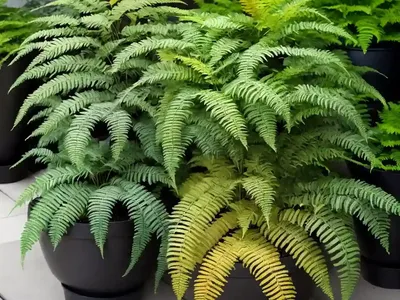
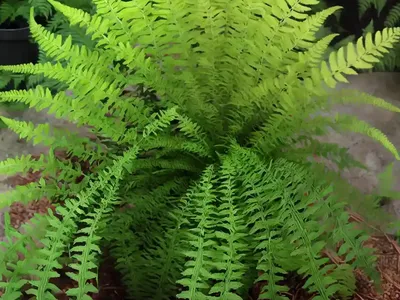
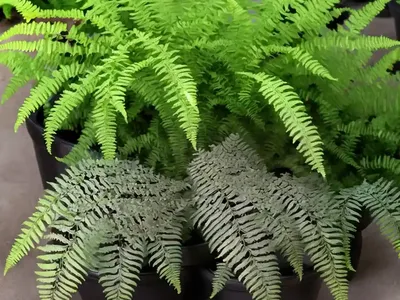
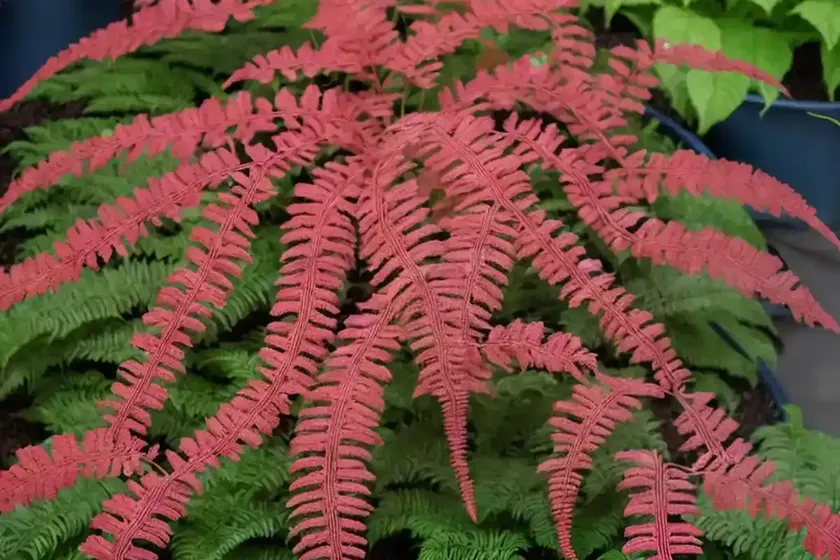
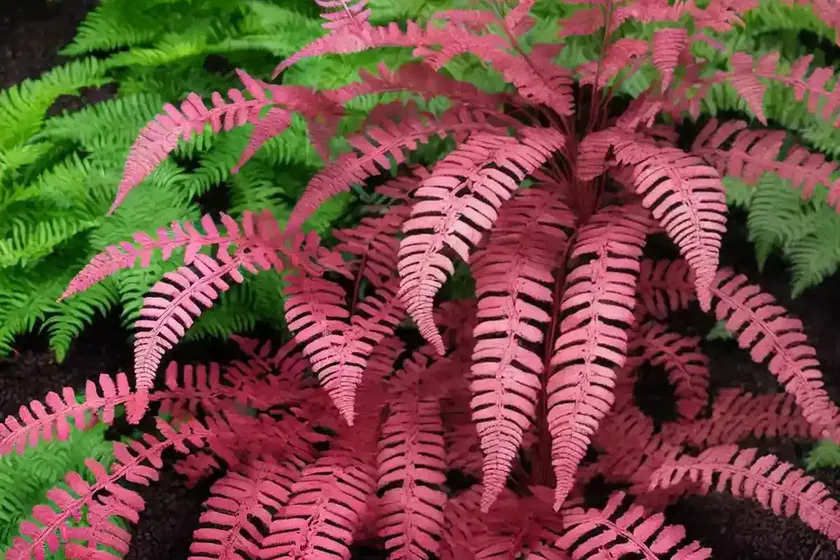
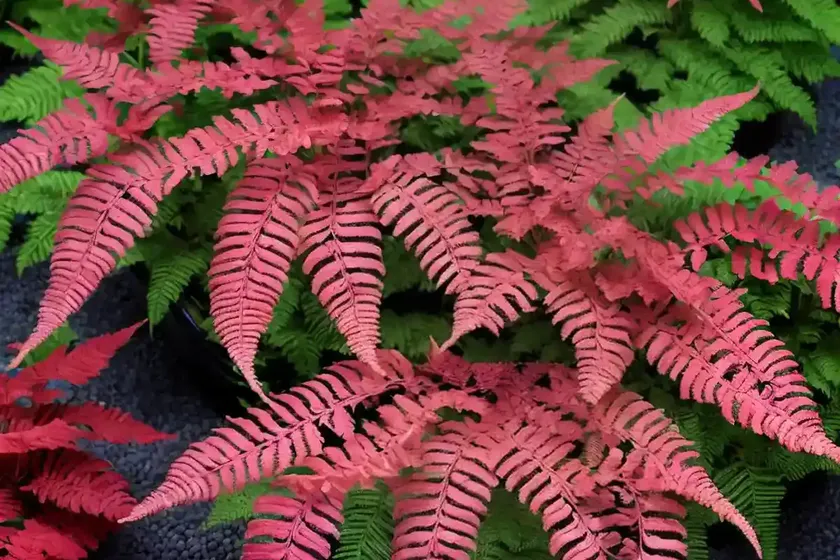
The Japanese painted fern, scientifically known as Athyrium niponicum var. pictum ‘Burgundy Lace’, is a captivating fern variety celebrated for its striking foliage and elegant appearance. Belonging to the Woodsiaceae family, this fern is native to Eastern Asia, particularly Japan, Korea, and China. It is highly valued for its unique fronds, which display a mesmerizing combination of colors, including hues of silver, green, maroon, and burgundy. The intricate patterns and delicate textures adorning the foliage make the Japanese painted fern a favorite among gardeners and landscaping enthusiasts.
This fern is a deciduous perennial that typically thrives in shaded, moist environments, making it a popular choice for embellishing shaded gardens, woodland areas, and containers.
Key Takeaways – Japanese Painted Fern (Athyrium niponicum var. pictum ‘Burgundy Lace’)
Before delving into the specifics of Japanese painted fern care, let’s take a look at some key takeaways that will guide our exploration of this enchanting plant:
- Plant Name: Athyrium niponicum var. pictum ‘Burgundy Lace’ (Japanese Painted Fern)
- Family: Woodsiaceae
- Native Habitat: Eastern Asia, including Japan, Korea, and China
- Foliage Colors: Silver, Green, Maroon, Burgundy
- Type: Deciduous Perennial
- Preferred Growing Conditions: Shaded, Moist Environments
With these key points in mind, let’s embark on a captivating journey through the cultural significance, uses, and care requirements of the Japanese painted fern.
Culture
The cultural significance of the Japanese painted fern extends beyond its ornamental value. In Japanese culture, ferns hold symbolic meanings and are often associated with tranquility, hope, and perseverance. The delicate and graceful appearance of the fern fronds has contributed to the portrayal of ferns in art, literature, and traditional Japanese gardens. The Japanese painted fern, with its intricate foliage and serene presence, embodies the timeless allure of ferns in Japanese culture.
Uses
The versatile uses of the Japanese painted fern make it an invaluable addition to various settings, ranging from home gardens to commercial landscapes. Here are some common uses of this enchanting fern:
-
Garden Ornament: The Japanese painted fern serves as a captivating garden ornament, adding a touch of elegance to shaded gardens, woodland landscapes, and rock gardens. Its unique foliage patterns and colors make it a prized addition to ornamental plantings.
-
Container Plant: Due to its adaptability to container cultivation, the Japanese painted fern is frequently used to adorn shaded patios, balconies, and indoor spaces. Its compact size and aesthetic appeal make it an ideal choice for container gardening.
-
Landscaping: Landscape designers often incorporate Japanese painted ferns into shaded or woodland settings to create visually appealing and harmonious compositions. The fern’s ability to thrive in shaded environments enables its use in landscaping projects that require plants suited for such conditions.
-
Foliage Arrangements: The exquisite fronds of the Japanese painted fern are utilized in foliage arrangements, where they add a unique texture and color contrast. Whether in floral displays or standalone foliage arrangements, the fern’s foliage brings a touch of natural beauty to indoor and outdoor spaces.
-
Ground Cover: In naturalistic garden designs, the spreading and clumping nature of the Japanese painted fern makes it an excellent ground cover choice for shaded areas. Its low maintenance requirements and ornamental foliage contribute to its appeal as a ground cover plant.
These diverse uses demonstrate the versatility and aesthetic appeal of the Japanese painted fern, making it a standout choice for enhancing various environments.
Care
Understanding the specific care requirements of the Japanese painted fern is essential for ensuring its optimal growth and vibrancy. From water and sunlight needs to soil preferences and propagation techniques, each aspect of care plays a crucial role in nurturing healthy and thriving ferns.
Water
Proper watering is integral to the health and vigor of Japanese painted ferns, especially given their preference for moist soil conditions. Here are some key considerations regarding watering:
-
Moisture Retention: Japanese painted ferns thrive in soil that retains moisture without becoming waterlogged. Regular, consistent watering is crucial for sustaining adequate soil moisture levels, particularly during dry periods.
-
Mulching: Applying a layer of organic mulch around the base of the fern helps conserve soil moisture and regulates the temperature of the root zone. Mulching also aids in minimizing weed growth and enhances the overall appearance of the planting area.
-
Avoiding Water Stress: While Japanese painted ferns prefer consistently moist soil, they are susceptible to root rot if exposed to prolonged waterlogging. It is essential to strike a balance by providing sufficient moisture without creating water stress for the plants.
Sunlight
The preferred growing conditions of Japanese painted ferns revolve around shaded or partially shaded environments, reflecting their natural habitat in forested areas. Understanding the sunlight requirements is crucial for ensuring the well-being of these ferns:
-
Shade Tolerance: Japanese painted ferns thrive in shaded locations with dappled sunlight or filtered light. Exposure to direct, intense sunlight can lead to leaf scorch and diminished foliage quality. Therefore, locating the ferns in shaded areas is vital for their vitality.
-
Morning Sunlight: While the ferns favor shaded conditions, they can benefit from gentle morning sunlight, as long as it is not intense or prolonged. Morning sun exposure can contribute to the ferns’ overall health and vigor.
-
**Protection from Harsh Sun: ** Ensuring protection from harsh midday and afternoon sun is essential to prevent leaf damage and maintain the ferns’ characteristic foliage coloration and texture.
Fertilizer
Fertilization plays a pivotal role in supporting the growth and appearance of Japanese painted ferns. By providing essential nutrients, fertilizers contribute to the overall health and vibrancy of the ferns. Here are some key insights into fertilizer application for Japanese painted ferns:
-
Balanced Fertilization: Using a balanced, slow-release fertilizer formulated for ornamental foliage plants can yield optimal results for Japanese painted ferns. The fertilizer should provide essential macronutrients and micronutrients necessary for foliage development and coloration.
-
Application Timing: Fertilizing the ferns in early spring, as new growth emerges, can bolster their vigor and visual appeal. It is advisable to refrain from excessive fertilization, as this can lead to adverse effects on the ferns’ growth and may compromise their natural beauty.
-
Fertilizer Dilution: Diluting the recommended fertilizer concentration ensures that the ferns receive a balanced nutrient supply without the risk of over-fertilization. Carefully following the instructions on the fertilizer label is crucial for achieving optimal results.
Soil
The soil composition and quality significantly impact the growth and vitality of Japanese painted ferns. Understanding the soil preferences of these ferns is vital for creating suitable growing conditions:
-
Well-Draining Soil: Japanese painted ferns thrive in well-draining, humus-rich soil that retains moisture without becoming waterlogged. Amending the soil with organic matter, such as compost or leaf mold, improves its drainage and moisture retention capabilities.
-
Acidic to Neutral pH: The ferns prefer soil with a slightly acidic to neutral pH range, ideally between 5.5 and 7.0. Testing the soil pH and making necessary adjustments can create an optimal growing medium for Japanese painted ferns.
-
Mulch Application: As mentioned earlier, applying organic mulch around the ferns provides multiple benefits, including moisture retention, weed suppression, and soil conditioning. Mulch also contributes to a conducive soil environment for the ferns’ root system.
Pruning
Pruning is an essential aspect of Japanese painted fern care, contributing to the overall appearance and health of the plants. Proper pruning techniques help maintain the ferns’ aesthetic appeal and prevent overcrowding. Here are key considerations for pruning Japanese painted ferns:
-
Removal of Spent Fronds: Regularly removing spent or damaged fronds enhances the visual appearance of the ferns and promotes the growth of new fronds. Cutting back old fronds also prevents the depletion of the plants’ resources and encourages healthy regrowth.
-
Pruning Timing: Pruning of Japanese painted ferns is typically carried out in late winter to early spring, before the emergence of new growth. This timing allows for the removal of old fronds while minimizing disruption to the ferns’ growth cycle.
-
Sanitation Practices: Using clean, sharp pruning tools and practicing proper sanitation during pruning can help prevent the spread of diseases and ensure clean cuts that facilitate the ferns’ recovery and regrowth.
Propagation
Propagating Japanese painted ferns allows for the expansion of their presence in gardens and landscapes while preserving their unique characteristics. Several methods can be employed for propagating these ferns, each with its specific considerations:
-
Division: Dividing mature clumps of Japanese painted ferns is a common propagation method that allows for the creation of new plants. Dividing the clumps during the plant’s dormant period, typically in early spring, promotes the establishment of vigorous new divisions.
-
Spore Propagation: Cultivating ferns from spores is a method that demands attention to detail and patience. Collecting spores from mature fronds, sowing them on a suitable growing medium, and providing optimal humidity and temperature conditions can lead to the development of new fern plants.
-
Rhizome Cuttings: Propagating Japanese painted ferns through rhizome cuttings involves selecting healthy rhizomes, planting them in a prepared growing medium, and providing appropriate care to encourage root development and subsequent fern growth.
-
Propagation Success Factors: Maintaining consistent moisture levels, providing suitable growing conditions, and ensuring protection from extreme temperatures are crucial factors for the successful propagation of Japanese painted ferns.
Container Popularity
The Japanese painted fern’s adaptability to container cultivation has contributed to its popularity as a container plant. Whether displayed on shaded patios, balconies, or indoor spaces, container-grown Japanese painted ferns bring a touch of elegance to various settings. The following factors contribute to the fern’s popularity as a container plant:
-
Aesthetic Appeal: The captivating foliage of Japanese painted ferns makes them prized choices for ornamental container plantings. Their unique coloration and delicate fronds add a distinctive charm to container gardens and indoor spaces.
-
Space Efficiency: The compact size and clumping growth habit of Japanese painted ferns make them ideal for container cultivation, allowing for the creation of lush, shaded displays within limited space.
-
Shade Adaptability: The ferns’ preference for shaded environments aligns with the conditions often encountered in container gardening, making them well-suited for adorning shaded patios, terraces, and outdoor living spaces.
-
Low Maintenance: Japanese painted ferns typically have low maintenance requirements, an appealing trait for container plants. Their adaptability to container cultivation extends to their ability to thrive with minimal intervention, making them suitable for various gardening skill levels.
Common Diseases
While Japanese painted ferns are known for their resilience, they may be susceptible to certain diseases and disorders under unfavorable conditions. Being aware of common diseases and their management is instrumental in maintaining the health and vitality of these ferns:
Disease Diagnosis
Some common diseases and disorders that may affect Japanese painted ferns include:
-
Athyrium Blight: Athyrium blight, caused by the fungus Sphaerobolus stellatus, can lead to the development of dark, water-soaked lesions on the fronds, eventually causing them to collapse. Proper sanitation and fungicidal treatments can help manage the spread of Athyrium blight.
-
Rhizoctonia Root and Crown Rot: The presence of Rhizoctonia solani, a soilborne fungus, can result in root and crown rot in Japanese painted ferns. Symptoms include wilting, discoloration, and decay of the roots and crowns. Implementing well-draining soil, appropriate watering practices, and preventive fungicidal treatments can aid in managing this disease.
-
Powdery Mildew: Powdery mildew, caused by various fungal species, may manifest as white, powdery patches on the foliage of Japanese painted ferns. Effective management involves maintaining adequate air circulation, practicing proper spacing between plants, and applying fungicidal sprays as needed.
-
Bacterial Leaf Spot: Bacterial leaf spot, characterized by dark, water-soaked spots on the fern fronds, can be caused by bacteria such as Pseudomonas and Xanthomonas species. Sanitation measures, such as removing and disposing of affected plant parts, along with copper-based fungicidal treatments, can assist in disease control.
Identifying the symptoms of these diseases and promptly implementing appropriate management strategies can aid in safeguarding the health and vitality of Japanese painted ferns.
Common Pests
While Japanese painted ferns are relatively resistant to pests, they may encounter occasional pest infestations that warrant attention and management. Understanding common pests and their control measures is essential for preserving the ferns’ appearance and vigor:
-
Slugs and Snails: These mollusks are known to feed on the tender foliage of Japanese painted ferns, leaving behind characteristic feeding marks and causing aesthetic damage. Physical removal, barriers, and eco-friendly slug and snail control methods can help manage these pests.
-
Spider Mites: Spider mites, characterized by their tiny size and webbing activity, may infest the undersides of fern fronds, leading to stippling and discoloration. Regular monitoring and the application of horticultural oils or insecticidal soaps can aid in controlling spider mite populations.
-
Caterpillars: Certain caterpillar species may feed on the foliage of Japanese painted ferns, causing visible damage and defoliation. Manual removal of caterpillars, biological control through natural predators, and targeted insecticide applications can assist in managing caterpillar infestations.
-
Deer and Rabbits: In areas where deer and rabbits are prevalent, Japanese painted ferns may be vulnerable to browsing damage. Implementing physical barriers, repellents, and strategic planting locations can aid in protecting the ferns from the browsing activity of these animals.
By maintaining vigilance and implementing appropriate pest management practices, the aesthetic and health integrity of Japanese painted ferns can be preserved.
Botanist’s Tips
As a botanist deeply familiar with the enchanting realm of Japanese painted ferns, I offer the following tips and recommendations for nurturing and appreciating these captivating ferns:
-
Appreciate Foliage Diversity: Embrace and celebrate the diverse foliage colors, patterns, and textures exhibited by different Japanese painted fern varieties. From silvery hues to burgundy accents, each variety contributes to the rich tapestry of fern foliage in horticulture.
-
Create Contrast and Harmony: Explore the use of Japanese painted ferns to create contrast and harmony in shaded garden spaces. Pairing the ferns with complementary foliage plants and contrasting textures can enhance the overall visual impact of the plantings.
-
Emphasize Texture and Layering: Leverage the delicate and feathery textures of Japanese painted fern fronds to introduce visual depth and layering in garden compositions. Their airy appearance lends itself well to creating dynamic and visually engaging planting arrangements.
-
Sustainable Cultivation: Foster sustainable cultivation practices for Japanese painted ferns, such as organic soil amendments, water-efficient irrigation methods, and eco-friendly pest control strategies. By prioritizing sustainability, we contribute to the long-term health of the ferns and their surrounding ecosystems.
-
Educational Outreach: Engage in educational outreach efforts to promote awareness and appreciation for the cultural and ecological significance of Japanese painted ferns. By sharing knowledge and experiences, we foster a deeper understanding of these captivating plants and their roles in enriching our landscapes.
Fun Facts
To further enrich our understanding and appreciation of Japanese painted ferns, let’s explore some intriguing and delightful fun facts about these remarkable plants:
-
Ancient Symbolism: Throughout history, ferns have been associated with symbolism and folklore. The intricate patterns of fern fronds have been linked to concepts of growth, renewal, and the interconnectedness of life.
-
Botanical Curiosities: The reproductive structures of ferns, known as spores, differ from the seeds of flowering plants. Ferns reproduce by releasing spores, leading to the development of new fern plants—an aspect that adds to their botanical allure.
-
Historic Gardens: Japanese painted ferns have been historically featured in classic gardens and landscapes, where their serene presence and captivating foliage have contributed to the aesthetic appeal of such settings.
-
Cultural Significance: In Japanese culture, ferns hold cultural significance and are often regarded as symbols of resilience and longevity. The elegant beauty of Japanese painted ferns aligns with the reverence for ferns in traditional Japanese art and gardens.
-
Wildlife Habitat: Japanese painted ferns, along with other fern species, provide shelter and foraging opportunities for various small creatures, including insects, amphibians, and small mammals. Their presence contributes to the ecological balance within their native and cultivated habitats.
As we embrace these fun facts, we gain a more profound appreciation for the time-honored allure and ecological importance of Japanese painted ferns.
Links to External Resources
To further expand our knowledge and exploration of Japanese painted ferns, I recommend the following external resources for valuable insights and information:
-
Royal Horticultural Society – Growing Ferns: The Royal Horticultural Society provides a comprehensive guide to growing ferns, offering practical advice on cultivation and care.
-
American Fern Society: The American Fern Society serves as a valuable source of information on ferns, including guides, publications, and resources for enthusiasts and researchers.
-
University of Vermont Extension – Ferns in the Garden: The University of Vermont Extension offers a detailed publication on incorporating ferns into garden settings, providing insights into their cultural and horticultural aspects.
-
North American Rock Garden Society: The North American Rock Garden Society’s forums encompass discussions on ferns and their role in rock gardening, showcasing their ornamental and horticultural significance.
-
The British Pteridological Society: The British Pteridological Society features resources and publications focused on the study and appreciation of ferns, highlighting their botanical diversity and conservation importance.
-
Plant Care Guide – Ferns: Plant Care Today offers a collection of guidance and tips for caring for ferns, including insights into the specific needs of Japanese painted ferns.
As we immerse ourselves in the wealth of external resources, we gain