Japanese Painted Fern (Athyrium ‘Branford Rambler’): A Complete Guide to Care, Culture, and Uses
Introduction
Plants play an essential role in both ecological systems and human life. They are not only visually appealing but also serve as a source of oxygen, food, medicine, and raw materials for various industries. Among the diverse range of plants that exist, ferns are a group of botanical interest due to their lacy and delicate fronds, making them a popular choice for gardeners and horticulturists. One such intriguing fern is the Japanese painted fern (Athyrium ‘Branford Rambler’), which is renowned for its exquisite foliage and versatile uses in landscaping.
In this comprehensive guide, we will delve into the world of the Japanese painted fern, exploring its cultural requirements, uses, propagation techniques, common diseases, and much more. Whether you are an experienced plant enthusiast or a novice gardener, this guide will equip you with the knowledge and skills needed to cultivate and maintain the Japanese painted fern in various settings, from outdoor gardens to container displays.
What is the Japanese Painted Fern (Athyrium ‘Branford Rambler’)?
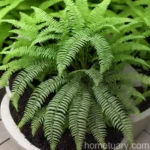
The Japanese painted fern, scientifically known as Athyrium ‘Branford Rambler’, is a stunning deciduous fern that belongs to the family Athyriaceae. Originating from East Asia, particularly Japan, China, and Korea, this fern is celebrated for its striking foliage, which features a unique combination of silvery-gray, green, and maroon hues. The intricate patterns and colors on its fronds make it a prized ornamental plant, adding a touch of elegance to any garden or landscape.
Key Takeaways – Japanese Painted Fern (Athyrium ‘Branford Rambler’)
Before delving into the specific aspects of care and cultivation, let’s outline the key takeaways associated with the Japanese painted fern:
- Common Name: Japanese painted fern
- Scientific Name: Athyrium ‘Branford Rambler’
- Plant Type: Deciduous fern
- Foliage Color: Silvery-gray, green, maroon
- Cultural Uses: Ornamental, landscaping, container displays
- Growth Habit: Clumping
- Hardiness Zone: 4-8
- Mature Height: 12-18 inches
- Mature Spread: 18-24 inches
- Soil Requirement: Moist, well-drained
- Exposure: Partial to full shade
- Watering: Regular watering, prefers consistent moisture
- Pest Susceptibility: Relatively pest-resistant
- Disease Susceptibility: Minimal disease issues
Now that we have a general understanding of this captivating fern, let’s explore the specific cultural requirements to ensure its successful growth and maintenance.
Culture
The successful cultivation of the Japanese painted fern relies on attentive cultural practices that cater to its specific needs. From soil preferences to pruning techniques, each aspect of care contributes to the overall health and vitality of this ornamental plant. Let’s delve into the cultural requirements of the Japanese painted fern in detail.
Water
Adequate water supply is crucial for the health and vitality of the Japanese painted fern. While it prefers consistently moist soil, it is important to maintain a balance and avoid waterlogged conditions, which can lead to root rot and other moisture-related issues. The following guidelines can help you provide the right amount of water for your fern:
- Watering Frequency: During periods of low rainfall or dry spells, water the Japanese painted fern regularly to ensure that the soil remains consistently moist. Depending on the weather and soil conditions, this may entail watering once or twice a week.
- Avoid Overwatering: While the fern requires consistent moisture, it is essential to prevent waterlogging. Ensure that the soil has proper drainage to prevent excess water from accumulating around the roots.
- Mulching: Applying a layer of organic mulch around the base of the plant can help retain soil moisture and reduce the frequency of watering. Additionally, mulch serves as a protective barrier, shielding the roots from temperature fluctuations and conserving moisture.
Sunlight
The Japanese painted fern thrives in partial to full shade, making it an excellent choice for shaded or woodland garden areas. When selecting a planting site, consider the following sunlight requirements to ensure optimal growth:
- Partial Shade: The fern flourishes in locations with dappled sunlight or areas that receive filtered light throughout the day. Planting it under the canopy of trees or alongside tall shrubs provides the ideal level of shade for its growth.
- Full Shade: While it can tolerate partial shade, the Japanese painted fern also adapts well to full shade conditions, making it an excellent choice for areas with limited direct sunlight, such as north-facing gardens or shaded borders.
Fertilizer
Proper nutrition is essential for the Japanese painted fern to maintain its vibrant foliage and robust growth. When it comes to fertilization, a balanced approach that avoids excessive nutrient levels is recommended. Consider the following fertilizer guidelines for the Japanese painted fern:
- Time of Application: Apply a balanced, slow-release fertilizer in early spring as new growth emerges. This provides the fern with essential nutrients to support its development throughout the growing season.
- Moderate Application: Use a diluted, balanced fertilizer to provide gentle nourishment without overwhelming the plant with excessive nutrients. Avoid high-nitrogen fertilizers, as they can promote lush foliage at the expense of color intensity.
Soil
The soil composition significantly impacts the overall health and vigor of the Japanese painted fern. It thrives in well-drained, moisture-retentive soil with rich organic content. Consider the following soil requirements to create an optimal growing environment for the fern:
- Acidic Soil: The Japanese painted fern prefers slightly acidic soil with a pH range of 5.5 to 6.5. Conduct a soil test to determine the pH level and adjust it as needed using amendments such as elemental sulfur or agricultural lime.
- Organic Matter: Incorporate organic matter, such as compost or well-rotted leaf mold, into the soil to improve its structure and fertility. This enhances moisture retention and provides essential nutrients for the fern’s growth.
- Drainage: Ensure that the planting site has good drainage to prevent waterlogging, which can lead to root rot and other moisture-related issues.
Pruning
Pruning plays a crucial role in maintaining the attractive appearance of the Japanese painted fern and managing its growth. While this fern is relatively low-maintenance, periodic pruning helps eliminate old or damaged fronds and promotes a tidy, well-groomed appearance. Follow these pruning tips to keep your fern looking its best:
- Spring Cleaning: In early spring, remove any dead or damaged fronds to make way for new growth. Use clean, sharp pruners to make precise cuts and avoid damaging the healthy foliage.
- Selective Pruning: Throughout the growing season, inspect the plant for any discolored or unsightly fronds and selectively prune them to maintain the overall aesthetic appeal.
- Foliage Removal: As the growing season comes to an end, consider trimming back the foliage to ground level in late fall or early winter. This helps rejuvenate the plant and prepares it for the following growing season.
Propagation
Propagation allows for the expansion of your Japanese painted fern collection or the sharing of its beauty with fellow gardening enthusiasts. There are several reliable methods of propagating this ornamental fern, offering flexibility and the potential for multiple new plants. Explore the following propagation techniques to multiply your ferns:
- Division: Divide mature clumps of the Japanese painted fern in spring or early autumn. Use a sharp spade or knife to carefully separate the rhizomes, ensuring that each division has a sufficient portion of roots and fronds. Replant the divisions in prepared soil and provide appropriate care to facilitate establishment.
- Spore Propagation: For experienced gardeners and horticulturists, spore propagation offers a captivating method of growing ferns from spores collected from mature fronds. This technique requires careful attention to sterile conditions and specialized growing media to encourage spore germination and subsequent development into young fern plants.
Container Popularity
The Japanese painted fern’s versatility and aesthetic appeal make it a popular choice for container gardening. Whether displayed on patios, balconies, or within indoor settings, this fern adds a touch of elegance and lushness to any container arrangement. Consider the following container guidelines to maximize the beauty and impact of the Japanese painted fern:
- Container Selection: Choose a well-draining container with ample room for the fern’s root system to expand. Select a container with a diameter and depth suitable for the mature size of the fern.
- Potting Mix: Use a high-quality potting mix that offers excellent drainage and aeration, mimicking the moisture-retentive, well-drained soil preferred by the Japanese painted fern.
- Placement: Position the container in an area that receives partial to full shade, as excessive sunlight can scorch the delicate foliage. Consider grouping the container with other shade-loving plants to create visually appealing arrangements.
Common Diseases
While the Japanese painted fern is relatively resilient, it is susceptible to a few common diseases that can affect its overall health and appearance. Recognizing the symptoms and implementing appropriate measures are essential for preventing and managing these potential issues. Learn about common diseases and their diagnosis to safeguard the health of your fern:
Disease Diagnosis
- Anthracnose: Anthracnose is a fungal disease that can affect the foliage of the Japanese painted fern, causing irregular brown spots, browning of frond edges, and overall decline in plant vigor. Ensure proper air circulation and promptly remove and dispose of affected fronds to prevent the spread of the disease.
- Rust: Rust is characterized by the formation of rusty-colored spores on the undersides of fronds, often accompanied by yellowing and defoliation. Address rust through proper sanitation, ensuring that fallen leaves are promptly removed to prevent the disease from overwintering and recurring.
Common Pests
Despite its general resistance to pests, the Japanese painted fern may occasionally encounter insect-related challenges that warrant attention and management. Familiarize yourself with common pests and their control measures to protect your fern from potential infestations:
- Slugs and Snails: These mollusks can feed on the tender fronds of the Japanese painted fern, causing unsightly damage. Use cultural controls, such as handpicking, and employ natural deterrents, such as diatomaceous earth, to manage slug and snail populations.
- Sawfly Larvae: The larvae of sawflies may feed on the foliage of the Japanese painted fern, leading to defoliation. Vigilant monitoring and early intervention, such as handpicking or the application of horticultural oils, help manage sawfly larvae and minimize their impact on the plant.
Botanist’s Tips
As botanists, our understanding and appreciation of plants extend beyond their outward beauty to encompass their ecological significance and unique characteristics. When it comes to the Japanese painted fern, consider the following botanist’s tips to deepen your understanding of this captivating species:
- Evolutionary Adaptations: Explore the evolutionary adaptations of the Japanese painted fern and its ancient lineage within the plant kingdom. Uncover the factors that have contributed to its resilience and ornamental attributes, enriching your appreciation of its botanical significance.
- Species Diversity: Delve into the diverse array of fern species and varieties within the genus Athyrium, gaining insight into the range of morphological and ecological traits present in this group. Compare and contrast different Athyrium species to recognize the distinct qualities of the Japanese painted fern.
Fun Facts
Enhance your fascination with the Japanese painted fern by discovering intriguing and captivating fun facts that highlight its distinctive features and compelling attributes. Uncover the following fun facts about this remarkable fern:
- Color Variability: The foliage of the Japanese painted fern exhibits remarkable color variability, with individual fronds showcasing unique combinations of silvery-gray, green, and maroon pigmentation. This kaleidoscopic display adds visual interest and allure to the plant.
- Natural Habitat: In its natural habitat, the Japanese painted fern thrives in woodland settings, where it contributes to the lush undergrowth and provides habitat and forage for various woodland organisms. Embrace its woodland origins by integrating it into shaded garden areas and forest-inspired landscapes.
Links to External Resources
For further exploration and in-depth information about the Japanese painted fern, consider the following links to external resources:
- The Royal Horticultural Society (RHS): Growing Ferns
- University of Florida IFAS Extension: Athyrium Filix-Femina
- American Fern Society
Conclusion
In conclusion, the Japanese painted fern (Athyrium ‘Branford Rambler’) stands as a captivating and versatile addition to ornamental gardens, shaded landscapes, and container displays. With its intricate foliage, adaptability to various cultural conditions, and minimal maintenance requirements, this fern holds considerable appeal for both experienced gardeners and novice enthusiasts. By adhering to the specific care guidelines outlined in this comprehensive guide, you can cultivate and enjoy the beauty of the Japanese painted fern while fostering its health and vitality in diverse settings.
Through an understanding of its cultural requirements, propagation techniques, disease and pest management, and botanist’s insights, you can develop a deeper appreciation for the intricate world of the Japanese painted fern. Whether you are drawn to its ornamental qualities, ecological significance, or historical lineage within the plant kingdom, this fern offers a wealth of opportunities for exploration, discovery, and enriching garden experiences.
References
- RHS. “Growing Ferns.” https://www.rhs.org.uk/advice/profile?pid=319
- University of Florida IFAS Extension. “Athyrium Filix-Femina.” https://edis.ifas.ufl.edu/fp623
- American Fern Society. https://www.amerfernsoc.org/