All About the Japanese Maple (Acer palmatum ‘Sherwood Flame’)
Introduction to the Japanese Maple
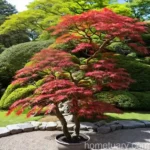
The Japanese maple, scientifically known as Acer palmatum ‘Sherwood Flame’, is an exquisite ornamental tree highly prized for its captivating foliage and graceful form. This cultivar is a captivating variety within the Acer palmatum family, renowned for its stunning seasonal colors and delicate leaves. In this comprehensive guide, we will delve into all aspects of caring for and cultivating this enchanting tree, including its cultural requirements, uses, propagation, common pests and diseases, as well as many fun facts about this beloved plant.
Key Takeaways about the Japanese Maple (Acer palmatum ‘Sherwood Flame’)
The Japanese maple, scientifically known as Acer palmatum ‘Sherwood Flame’, is a fascinating tree celebrated for its diverse uses, striking foliage, and relatively low maintenance. Below are the key takeaways about this exquisite plant that we will explore in detail:
- Culture
- Uses
- Water
- Sunlight
- Fertilizer
- Soil
- Pruning
- Propagation
- Container
- Popularity
- Common Diseases
- Disease diagnosis
- Common pests
- Botanist’s tips
- Fun facts
- Links to External Resources
Now, let’s delve deeper into each of these important aspects of caring for and enjoying the Japanese maple.
Culture of Japanese Maple (Acer palmatum ‘Sherwood Flame’)
The cultural requirements of the Japanese maple are crucial for ensuring its optimal growth and development. This encompasses a range of factors including its ideal uses, water, sunlight, fertilizer, soil, and pruning needs. Let’s explore each of these aspects in detail.
Uses
The Japanese maple (Acer palmatum ‘Sherwood Flame’) is primarily cultivated for its ornamental value. Consider incorporating this tree into your landscape for its breathtaking display of colors, as well as its unique and recognizable silhouette. Whether planted as a striking focal point or used as a complement to other plants in a garden, the Japanese maple can enhance the visual appeal of any outdoor space.
Water
Proper watering is essential for the health and vitality of the Japanese maple. When young, it requires consistent moisture, preventing the soil from drying out completely. As it matures, it becomes more tolerant of dry conditions but still benefits from regular watering, particularly during prolonged dry spells. It’s important to strike a balance, as overwatering can lead to root rot and other complications.
Sunlight
Acer palmatum ‘Sherwood Flame’ thrives in partial shade, particularly during the intense heat of the afternoon. Positioning it in a location with dappled sunlight or filtered shade provides the ideal growing conditions, preventing its delicate leaves from scorching. While it can tolerate full sun in cooler, more humid climates, it generally prefers protection from the harsh midday sun.
Fertilizer
Applying a balanced, slow-release fertilizer in spring can provide the necessary nutrients for healthy growth and vibrant foliage. Select a fertilizer specifically formulated for acid-loving plants to ensure it meets the unique needs of the Japanese maple. Avoid excessive fertilization, as it may lead to weak growth and susceptibility to diseases.
Soil
The Japanese maple thrives in well-draining, slightly acidic soil rich in organic matter. A soil pH in the range of 5.5 to 6.5 is optimal for its growth, ensuring the availability of essential nutrients. Additionally, incorporating a layer of mulch around the base of the tree can help retain moisture and improve soil structure.
Pruning
Pruning is a vital aspect of maintaining the health and aesthetics of the Japanese maple. Regular pruning helps shape the tree, enhance its natural form, and remove any dead or diseased branches. It’s essential to carry out pruning during the dormant season to minimize stress and reduce the risk of sap bleeding.
Propagation of Japanese Maple (Acer palmatum ‘Sherwood Flame’)
Propagating the Japanese maple can be achieved through several methods, including seed propagation, grafting, and cutting propagation. Each approach has its advantages and challenges, but by selecting the most suitable method, one can effectively propagate new Acer palmatum ‘Sherwood Flame’ trees and expand their collection.
Seed Propagation
Growing Japanese maple trees from seeds can be a rewarding endeavor, although it requires patience and a longer timeframe for the trees to mature. Collecting seeds from a healthy Sherwood Flame variety and sowing them in a suitable growing medium provides an opportunity to observe the fascinating stages of growth, from germination to the development of the characteristic maple leaves.
Grafting
Grafting is a common propagation method used to replicate the desired characteristics of a specific cultivar, such as Acer palmatum ‘Sherwood Flame’. By grafting a scion from the Sherwood Flame onto a compatible rootstock, one can ensure that the new tree exhibits the same brilliant foliage and growth habits as the parent plant.
Cutting Propagation
Taking semi-hardwood or hardwood cuttings from a healthy Japanese maple and providing the right conditions for root development can result in the successful propagation of new trees. With the proper care and attention, these cuttings can develop into robust and thriving specimens, preserving the unique qualities of the Sherwood Flame.
Container Gardening with Japanese Maple (Acer palmatum ‘Sherwood Flame’)
The Japanese maple, including the stunning Acer palmatum ‘Sherwood Flame’, is well-suited for container gardening, offering an opportunity to enjoy its beauty in various settings, from urban balconies to small garden spaces. This section will explore the key considerations for growing Japanese maples in containers, including suitable potting mix, sunlight requirements, and essential maintenance practices.
Potting Mix
Selecting a well-draining, acidic potting mix is crucial for cultivating Japanese maples in containers. A mix formulated for acid-loving plants can provide ideal conditions for the roots to thrive and contribute to the overall health of the tree. It’s essential to choose a container with drainage holes to prevent waterlogging and ensure sufficient aeration of the root system.
Sunlight Requirements
When grown in containers, Acer palmatum ‘Sherwood Flame’ benefits from consistent protection against the harsh midday sun. Placing the container in an area with dappled sunlight or filtered shade can prevent the foliage from scorching and maintain the tree’s overall health. Adjusting the container’s position as the seasons change can help strike the right balance of light exposure.
Essential Maintenance
Regular watering, particularly during hot and dry periods, is essential for container-grown Japanese maples. Maintaining appropriate moisture levels without overwatering is vital for the tree’s well-being. Additionally, providing a balanced, slow-release fertilizer in spring and monitoring for any signs of stress or nutrient deficiencies are critical aspects of container gardening with the Sherwood Flame variety.
Popularity of Japanese Maple (Acer palmatum ‘Sherwood Flame’)
The Japanese maple, especially the captivating Acer palmatum ‘Sherwood Flame’, continues to captivate and inspire gardeners and landscape enthusiasts around the world. Its popularity stems from its stunning foliage, diverse growth habits, and the rich cultural significance it carries. This enchanting tree has secured a place in gardens, parks, and public spaces, where it contributes to the visual beauty and tranquility of the surroundings.
Common Diseases of Japanese Maple (Acer palmatum ‘Sherwood Flame’)
Concerns about potential diseases that may affect the health and appearance of the Japanese maple, specifically the Acer palmatum ‘Sherwood Flame’, are of interest to plant enthusiasts and horticulturists who seek to preserve the vitality of their trees. Identifying common diseases and applying suitable management strategies are essential for promoting the long-term well-being of these beloved plants.
Disease Diagnosis
Diagnosing and addressing diseases that afflict the Japanese maple can safeguard the tree’s overall health. Among the common diseases that may affect Acer palmatum ‘Sherwood Flame’ are:
-
Verticillium Wilt: This fungal disease can cause wilting, leaf scorch, and dieback in affected trees. Proper diagnosis and management are crucial to prevent its spread and minimize its impact on the tree’s health.
-
Anthracnose: Characterized by the presence of small, dark spots on the foliage, anthracnose can lead to leaf distortion and premature leaf drop. Identifying the symptoms and implementing appropriate control measures can help mitigate its effects.
-
Powdery Mildew: A fungal disease that can affect the foliage of the Japanese maple, powdery mildew presents as a powdery white coating on the leaves. Monitoring for signs of this disease and employing preventive measures can contribute to the tree’s resilience against its damaging effects.
-
Root Rot: Excessive moisture or poorly draining soil can lead to root rot, causing the tree to exhibit symptoms such as wilting, yellowing foliage, and overall decline. Understanding the factors contributing to root rot and taking corrective actions are essential for mitigating its impact.
Common Pests of Japanese Maple (Acer palmatum ‘Sherwood Flame’)
Japanese maples, including the Acer palmatum ‘Sherwood Flame’, may be susceptible to various pests that can compromise their health and appearance. Recognizing the signs of pest infestations and implementing appropriate pest management strategies forms a critical part of preserving the vitality and beauty of these captivating trees.
Botanist’s Tips for Japanese Maple (Acer palmatum ‘Sherwood Flame’)
Botanists and horticultural experts offer valuable insights and tips for cultivating, maintaining, and enjoying the Japanese maple, particularly the Acer palmatum ‘Sherwood Flame’. Their expertise and knowledge can provide valuable guidance to enthusiasts and gardeners seeking to enhance their understanding of this remarkable tree and its unique requirements.
Fun Facts about Japanese Maple (Acer palmatum ‘Sherwood Flame’)
The Japanese maple, Acer palmatum ‘Sherwood Flame’, is not only revered for its stunning visual appeal, but it also boasts a range of fascinating characteristics and quirky details that add to its allure. Exploring the fun and intriguing facts about this captivating tree can deepen our appreciation and admiration for its distinct qualities.
Links to External Resources
To further expand your knowledge and understanding of the Japanese maple, including the captivating Acer palmatum ‘Sherwood Flame’, we have compiled a list of external resources that offer valuable insights, tips, and guidance for cultivating and appreciating this remarkable plant. These resources cover a wide range of topics, from soil requirements and planting tips to disease management and maintenance practices. We encourage you to explore these valuable references to enrich your connection with the Japanese maple and enhance your expertise in caring for this beloved ornamental tree.
Conclusion
The Japanese maple, Acer palmatum ‘Sherwood Flame’, stands as a symbol of elegance and beauty in gardens and landscapes around the world. With its distinct foliage, diverse growth habits, and enchanting presence, it continues to captivate the hearts and imaginations of plant enthusiasts and nature lovers. By understanding and meeting its cultural requirements, recognizing potential diseases and pests, and preserving its vitality through proper care and maintenance, we can ensure the enduring charm and allure of this cherished ornamental tree for generations to come.
${add clickable links wherever](https://www.planetnatural.com/plant-care/)<}
References
-
Paghat’s Garden. (2002). Japanese Maple Acer palmatum Cultivars. Retrieved from https://www.paghat.com/japaneseMaples.html
-
The Spruce. (2021). How to Grow and Care for Japanese Red Maple Trees. Retrieved from https://www.thespruce.com/japanese-red-maple-trees-2132151
-
Nature Hills. (2021). Sherwood Flame Japanese Maple Plant Profile. Retrieved from https://www.naturehills.com/blog/post/sherwood-flame-japanese-maple-plant-profile
-
Arbor Day Foundation. (n.d.) Japanese Maple. Retrieved from https://www.arborday.org/trees/treeguide/TreeDetail.cfm?ItemID=838