The Beautiful Seiryu Japanese Maple: A Comprehensive Guide
The Seiryu Japanese maple, scientifically known as Acer palmatum var. dissectum ‘Seiryu’, is a stunning and unique plant that has captured the admiration of plant enthusiasts and horticulturists worldwide. In this comprehensive guide, we will delve into the enchanting world of the Seiryu Japanese maple, exploring its cultural significance, uses in the landscape, optimal growing conditions, maintenance requirements, common diseases and pests, propagation techniques, and much more. With a focus on the key takeaways, this guide aims to provide a wealth of knowledge for anyone seeking to embrace the beauty and elegance of this exquisite plant.
What is the Japanese Maple (Acer palmatum var. dissectum ‘Seiryu’)?
The Japanese maple, Acer palmatum, is a species of tree native to Japan, Korea, and China, and is a member of the Sapindaceae family. Characterized by its delicate, palmate leaves and striking autumn colors, the Japanese maple has become a beloved ornamental tree in gardens and landscapes worldwide. The Acer palmatum var. dissectum cultivars, also known as laceleaf or weeping Japanese maples, are particularly prized for their graceful, finely dissected foliage and elegant cascading growth habit.
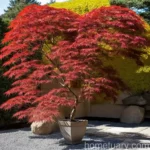
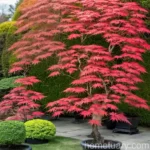
One exceptional variety within the Acer palmatum var. dissectum group is the ‘Seiryu’ Japanese maple. ‘Seiryu’ is a unique cultivar that stands out for its upright, vase-shaped growth habit, which sets it apart from the typically cascading form of most dissectum varieties. This distinctive growth habit, coupled with its delicate, lacy leaves and beautiful seasonal transformations, makes the ‘Seiryu’ Japanese maple a prized addition to gardens and landscapes.
Key Takeaways – Japanese Maple (Acer palmatum var. dissectum ‘Seiryu’)
Before we explore the in-depth details of the ‘Seiryu’ Japanese maple, let’s take a moment to highlight the key takeaways that will be covered in this guide. These key points will serve as a roadmap for our journey through the world of this captivating plant.
Culture
- Understanding the cultural significance and symbolism of the Seiryu Japanese maple.
- Exploring the traditional and contemporary uses of the ‘Seiryu’ cultivar in various cultures.
Uses
- Discovering the versatile uses of the ‘Seiryu’ Japanese maple in landscape design and horticulture.
- Exploring the aesthetic and functional applications of the plant in different settings.
Water
- Uncovering the specific water requirements for the optimal growth and health of the ‘Seiryu’ Japanese maple.
- Discussing effective watering techniques and best practices for maintaining proper moisture levels.
Sunlight
- Understanding the sunlight preferences and tolerances of the ‘Seiryu’ Japanese maple.
- Exploring the impacts of different light conditions on the plant’s growth, foliage color, and overall well-being.
Fertilizer
- Identifying the nutritional needs of the ‘Seiryu’ Japanese maple and selecting suitable fertilizers.
- Discussing the application methods, timing, and considerations for fertilizing the plant to promote healthy growth and vibrant foliage.
Soil
- Assessing the soil requirements and ideal growing conditions for the ‘Seiryu’ Japanese maple.
- Exploring soil composition, pH levels, and other factors that contribute to a thriving environment for the plant.
Pruning
- Learning the essential techniques for pruning and shaping the ‘Seiryu’ Japanese maple.
- Understanding the impact of pruning on the plant’s form, size, and overall appearance.
Propagation
- Exploring the methods of propagating the ‘Seiryu’ Japanese maple, including seed propagation, cutting propagation, and grafting.
- Discussing the challenges and rewards of propagating this unique cultivar.
Container Popularity
- Evaluating the suitability of growing the ‘Seiryu’ Japanese maple in containers or pots.
- Exploring the benefits and considerations of container gardening for this particular cultivar.
Common Diseases
- Identifying the prevalent diseases that may affect the ‘Seiryu’ Japanese maple.
- Discussing prevention strategies and potential treatments for maintaining the plant’s health.
Disease Diagnosis
- Understanding the symptoms and signs of common diseases that afflict the ‘Seiryu’ Japanese maple.
- Learning how to effectively diagnose and address specific diseases based on visual indicators and plant health assessments.
Common Pests
- Identifying the typical pests that pose a threat to the ‘Seiryu’ Japanese maple.
- Exploring the impact of pest infestations on the plant and strategies for pest management.
Botanist’s Tips
- Gaining insights and expert tips from botanists and horticulturists on cultivating and caring for the ‘Seiryu’ Japanese maple.
- Understanding the nuances of the plant’s growth habits and unique characteristics from a scientific perspective.
Fun Facts
- Uncovering fascinating and lesser-known facts about the ‘Seiryu’ Japanese maple, enriching our appreciation for this remarkable plant.
- Exploring the cultural, historical, or ecological significance of the ‘Seiryu’ cultivar in various contexts.
Links to External Resources
- Providing access to additional external resources, including reputable sources, research papers, and organizations with valuable insights on the ‘Seiryu’ Japanese maple.
Now, armed with an overview of the key aspects we will be covering, let’s embark on our exploration of the captivating world of the Seiryu Japanese maple.
Culture
The Acer palmatum var. dissectum ‘Seiryu’ holds cultural significance in various traditions and societies, where it often symbolizes beauty, tranquility, and the fleeting nature of life. With its delicate foliage and mesmerizing seasonal transformations, the ‘Seiryu’ Japanese maple embodies artistry and offers contemplative inspiration.
Symbolism and Significance
In Japanese culture, the maple leaf holds profound symbolism and is revered as a representation of elegance, grace, and the changing seasons. The iconic motif of the maple leaf, known as “Momiji” in Japanese, is celebrated in art, poetry, and traditional ceremonies. The vibrant autumn foliage of the Japanese maple, including the ‘Seiryu’ variety, is a cherished emblem of the transient beauty of nature and the appreciation of ephemeral moments.
The ‘Seiryu’ Japanese maple’s unique growth habit and captivating foliage make it a muse for artists and designers seeking to evoke a sense of harmony and grace in their creations. Its presence in Japanese gardens and landscapes reflects a reverence for natural beauty and a deep-seated connection to the changing rhythms of the seasons.
Traditional and Contemporary Uses
In addition to its symbolic significance, the ‘Seiryu’ Japanese maple is highly valued for its practical and aesthetic uses. In traditional Japanese gardens, the ‘Seiryu’ cultivar may be carefully integrated into meticulously designed landscapes, offering a visual anchor and contributing to the overall sense of balance and tranquility. The juxtaposition of the ‘Seiryu’ Japanese maple’s graceful form against the backdrop of carefully curated elements such as stones, water features, and other plants creates captivating vignettes that invite contemplation.
In contemporary landscape design, the ‘Seiryu’ Japanese maple is prized for its versatility and adaptability to diverse settings. Whether featured as a stand-alone specimen, incorporated into mixed borders, or used to line pathways, the ‘Seiryu’ cultivar adds a touch of sophistication and allure to outdoor spaces. Its unique growth habit allows it to serve as a focal point when planted as a solitary specimen or as a complementary element in group plantings, contributing to visually dynamic compositions.
Uses
The versatility of the ‘Seiryu’ Japanese maple extends beyond its ornamental appeal, encompassing a wide range of practical uses in horticulture and landscape design. From its role as a show-stopping feature in garden settings to its applications in creating harmonious outdoor environments, the ‘Seiryu’ cultivar offers a multitude of uses that showcase its unique attributes.
Landscape Focal Point
The ‘Seiryu’ Japanese maple’s striking upright form and finely dissected foliage make it an exceptional choice for commanding attention as a focal point in garden landscapes. When strategically placed within a well-designed landscape, the ‘Seiryu’ cultivar captivates the eye with its graceful silhouette and creates a sense of visual interest and balance. Its distinct growth habit allows it to stand out against a backdrop of taller or broader foliage, adding depth and dimension to the overall landscape composition.
When positioned against the backdrop of evergreen trees or shrubs, the ‘Seiryu’ Japanese maple’s changing foliage colors provide captivating seasonal contrasts, enriching the visual tapestry of the garden. The interplay of sunlight and shadow on the plant’s delicate leaves throughout the day further enhances its appeal as a captivating focal point in the landscape.
Mixed Borders and Group Plantings
The ‘Seiryu’ cultivar’s graceful and architectural form makes it an excellent candidate for inclusion in mixed borders and group plantings. Its weeping branches and finely textured foliage lend a sense of airiness and elegance to plant combinations, serving as a harmonizing element that softens the overall composition.
In mixed borders, the ‘Seiryu’ Japanese maple provides a visual transition between taller and lower-growing plants, creating a seamless flow and natural rhythm within the planting scheme. Whether complementing perennials, grasses, or flowering shrubs, the ‘Seiryu’ cultivar introduces a captivating vertical element that contributes to the overall visual balance and diversity of the landscape.
Pathway and Garden Edging
The ‘Seiryu’ Japanese maple’s compact size and distinctive form make it an ideal choice for delineating pathways, garden borders, and defining outdoor spaces. Its lacy foliage and cascading branches lend a sense of softness and serenity to walkways and garden edges, imparting an enchanting quality to these areas.
When used to edge garden beds or frame outdoor seating areas, the ‘Seiryu’ cultivar creates a sense of intimacy and enclosure, enhancing the overall ambience of the space. Its dynamic form and delicate foliage invite close inspection, adding an element of discovery and delight for visitors as they navigate through the garden.
Water
Optimal water management is crucial for the health and vitality of the ‘Seiryu’ Japanese maple, as it influences the plant’s overall growth, foliage quality, and resilience to environmental stresses. Understanding the specific water requirements and best practices for watering the ‘Seiryu’ cultivar is essential for promoting its well-being and ensuring long-term success in cultivation.
Water Requirements
The ‘Seiryu’ Japanese maple thrives in moist, well-draining soils, necessitating an appropriate balance of hydration to support healthy root development and foliage vigor. While the plant benefits from consistent moisture, it is paramount to avoid waterlogged conditions, as excessive soil saturation can lead to root rot and other detrimental effects on the plant’s health.
During the growing season, it is advisable to monitor the soil moisture levels regularly, particularly during periods of hot and dry weather. Providing supplemental irrigation when the top inch of soil becomes dry to the touch helps maintain an adequate moisture level for the ‘Seiryu’ cultivar, supporting its growth and foliar abundance.
Watering Techniques
When watering the ‘Seiryu’ Japanese maple, a gentle and thorough approach is recommended to ensure deep hydration without compaction of the soil or disruption of the root system. Applying water at the base of the plant, allowing it to penetrate the root zone, is advantageous in promoting efficient water uptake and distribution throughout the root system.
Watering in the morning is conducive to minimizing moisture retention on the foliage, which can contribute to the development of fungal diseases. Additionally, avoiding overhead watering and focusing on delivering water directly to the root zone reduces the risk of foliar diseases and fosters a healthy growing environment for the ‘Seiryu’ cultivar.
Moisture Management
In regions with extended periods of drought or intense heat, supplemental watering may be necessary to sustain the ‘Seiryu’ Japanese maple and mitigate the effects of water stress. Implementing a layer of organic mulch around the base of the plant helps conserve soil moisture, moderates temperature fluctuations, and impedes weed growth, contributing to an overall favorable microclimate for the ‘Seiryu’ cultivar.
Regular monitoring of soil moisture, coupled with careful observation of the plant’s response to environmental conditions, allows for adjustments in watering frequency and volume to accommodate the ‘Seiryu’ Japanese maple’s specific moisture requirements. Striking a balance between adequate hydration and optimal drainage is key to cultivating healthy and robust specimens of the ‘Seiryu’ cultivar.
Sunlight
Accommodating the ‘Seiryu’ Japanese maple’s sunlight preferences is instrumental in fostering its vigorous growth, promoting vibrant foliage colors, and sustaining its overall well-being. Understanding the nuances of sunlight exposure and its impacts on the ‘Seiryu’ cultivar is essential for selecting appropriate planting locations and optimizing the plant’s performance in diverse environmental settings.
Sunlight Preferences
The ‘Seiryu’ Japanese maple exhibits a preference for partial shade to dappled sunlight, particularly in regions characterized by intense summer heat and prolonged periods of direct sun exposure. While the plant can tolerate full sun conditions in cooler climates and with adequate moisture, it generally thrives in locations that provide shelter from the scorching midday sun and offer filtered light during the hottest hours of the day.
In the context of landscape design, situating the ‘Seiryu’ cultivar in locations where it receives morning sun and afternoon shade is conducive to its overall health and vitality, as it avoids exposure to extreme temperatures and potential leaf scorch. This balanced lighting regime allows the plant to exhibit its full range of leaf colors, from spring emergence to the rich autumnal hues, while mitigating the risks associated with excessive sun exposure.
Seasonal Considerations
Recognizing the seasonal variations in sunlight patterns and their influence on the ‘Seiryu’ Japanese maple’s growth habits and foliage quality is vital for optimizing the plant’s performance throughout the year. During the spring and early summer, when the ‘Seiryu’ cultivar is actively producing new growth and foliage, providing ample light without subjecting the plant to prolonged periods of harsh sunlight fosters robust and healthy development.
As the summer progresses and temperatures rise, ensuring that the ‘Seiryu’ Japanese maple receives respite from intense midday sun helps prevent stress-induced leaf scorch and preserves the plant’s vitality. The dappled or filtered sunlight that characterizes the natural habitat of the ‘Seiryu’ cultivar’s ancestors in their forested settings serves as a guiding principle for selecting optimal sunlight conditions in garden and landscape settings.
Site Selection
When choosing the ideal site for planting the ‘Seiryu’ Japanese maple, consideration should be given to the orientation, microclimatic conditions, and existing vegetation that may affect the amount and quality of sunlight reaching the plant. Assessing the presence of nearby structures, tree canopies, or other landscape features that cast shade or create pockets of sunlight assists in identifying suitable planting locations that align with the ‘Seiryu’ cultivar’s lighting requirements.
In urban or built environments, where sunlight exposure can be influenced by surrounding architecture and infrastructure, careful site selection and thoughtful placement of the ‘Seiryu’ Japanese maple contribute to its long-term flourishing and visual allure. By capitalizing on the interplay of light and shadow in the garden environment, the ‘Seiryu’ cultivar’s distinctive form and foliage can be showcased to maximum effect.
Fertilizer
Supplementing the nutritional needs of the ‘Seiryu’ Japanese maple with appropriate fertilizers contributes to its vigor, foliage coloration, and overall vitality. Understanding the essential nutrients required for the plant’s optimal growth, as well as implementing strategic fertilization practices, is essential for realizing the full ornamental potential of the ‘Seiryu’ cultivar.
Nutritional Needs
The ‘Seiryu’ Japanese maple benefits from a balanced supply of essential nutrients, with an emphasis on nitrogen, phosphorus, and potassium, in addition to trace elements that support overall plant health and development. Providing a well-rounded fertilizer regimen that addresses the unique nutritional requirements of the ‘Seiryu’ cultivar is integral to sustaining its lush foliage, promoting strong growth habits, and enhancing its resilience to environmental stresses.
Incorporating organic amendments and slow-release fertilizers that gradually supply nutrients over an extended period aligns with the ‘Seiryu’ Japanese maple’s preference for steady, sustained fertilization rather than abrupt surges in nutrient availability. This approach supports the plant’s metabolic processes, root establishment, and foliar expansion while minimizing the risk of nutrient imbalance or potential leaching.
Fertilization Practices
A strategic approach to fertilizing the ‘Seiryu’ Japanese maple involves applying a balanced, complete fertilizer with a formulation tailored to woody ornamental plants, typically characterized by a relatively higher nitrogen content to fuel vegetative growth and leaf development. The timing of fertilizer applications, typically carried out during the plant’s active growth phases in spring and early summer, coincides with the ‘Seiryu’ cultivar’s increased metabolic demands and nutrient uptake.
To avoid overstimulation and potential adverse effects on the plant’s growth habit and foliar quality, moderate and consistent application of fertilizers at the recommended rates aligns with the ‘Seiryu’ Japanese maple’s preference for gradual, sustained nutrition. Sidestepping excessive fertility, particularly in the form of quick-release, high-nitrogen formulations, is prudent to prevent unforeseen impacts on the plant’s overall balance and long-term vitality.
Soil Amendment
In conjunction with regular fertilization, amending the soil surrounding the ‘Seiryu’ Japanese maple with organic matter, such as well-aged compost or humus, enriches the soil structure, improves nutrient retention, and fosters beneficial microbial activity. The incorporation of organic amendments enhances the soil’s fertility and buffering capacity, supporting the ‘Seiryu’ cultivar’s prolonged nutrient availability and overall well-being.
Balancing the nutritional requirements of the ‘Seiryu’ Japanese maple with the soil’s intrinsic fertility and nutrient-holding capacity contributes to a harmonious growing environment that encourages robust growth and sustains the plant’s ornamental appeal. By prioritizing the establishment of a nutrient-rich, well-structured soil matrix, gardeners and horticulturists lay the groundwork for nurturing thriving and resilient specimens of the ‘Seiryu’ cultivar.
Soil
Creating an optimal growing environment for the ‘Seiryu’ Japanese maple necessitates careful attention to the soil composition, structure, and fertility, as these factors significantly influence the plant’s root development, nutrient uptake, and overall well-being. Understanding the soil requirements and best practices for cultivating the ‘Seiryu’ cultivar assists in establishing a conducive habitat that promotes its vibrant foliage colors and graceful growth habits.
Soil Composition
The ‘Seiryu’ Japanese maple thrives in well-draining, loamy soils with a balanced structure and adequate aeration that facilitates root respiration and water movement. The plant’s preference for soils with a slightly acidic to neutral pH range contributes to its ability to access essential nutrients and maintain biochemical processes conducive to its sustained growth and vitality.
In regions where the native soil does not align with the ‘Seiryu’ cultivar’s preferences, amending the soil with organic matter, such as peat moss, compost, or leaf mold, aids in improving its texture, water retention capacity, and fertility. This soil amendment approach augments the soil’s ability to provide an accommodating environment for the ‘Seiryu’ Japanese maple’s root system while fostering a mutually beneficial relationship between the plant and its growing medium.
Drainage and Moisture Dynamics
Effective soil drainage is paramount for the ‘Seiryu’ Japanese maple, as excessive water retention or poor drainage can lead to root suff