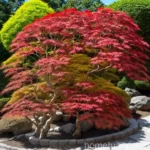
Japanese Maple (Acer palmatum ‘Scolopendrifolium’)
Introduction
Japanese Maple, scientifically known as Acer palmatum, is a species of woody plant native to Japan, Korea, and China. It is renowned for its stunning foliage, which comes in a wide array of colors and shapes. One popular cultivar of Japanese Maple is the ‘Scolopendrifolium’, known for its unique characteristics and growth habits.
In this comprehensive guide, we will delve into the various aspects of cultivating and caring for the Japanese Maple ‘Scolopendrifolium’. From its cultural needs and uses to maintenance, diseases, and fun facts, this article aims to provide a thorough understanding of this captivating plant.
Key Takeaways – Japanese Maple (Acer palmatum ‘Scolopendrifolium’)
Before we dive into the specifics of this beautiful plant, it is essential to highlight key takeaways about the Japanese Maple ‘Scolopendrifolium’. Here are some of the crucial points to remember:
- Varieties: There are several varieties of Acer palmatum ‘Scolopendrifolium’, each with unique traits and growth patterns.
- Characteristics: The Japanese Maple ‘Scolopendrifolium’ is characterized by its distinctive leaf shape and foliage colors.
- Growth Habits: Understanding the growth habits of this plant is essential for successful cultivation and maintenance.
- Cultivars: Different cultivars of the Japanese Maple offer a diverse range of colors and leaf variations.
- Care Guide: Proper care, including watering, sunlight, soil preferences, and pruning, is crucial for the plant’s health and vigor.
With these key takeaways in mind, let’s explore the various aspects of caring for the Japanese Maple ‘Scolopendrifolium’.
What is Japanese Maple (Acer palmatum ‘Scolopendrifolium’)?
The Japanese Maple ‘Scolopendrifolium’, known for its beautiful foliage and elegant structure, is a deciduous shrub or small tree that belongs to the family Aceraceae. It is a slow-growing plant that can reach a height of 6 to 10 feet with an equal or larger spread. The ‘Scolopendrifolium’ variety is revered for its deeply dissected, lace-like leaves and vibrant autumn colors. Its delicate appearance, combined with its remarkable foliage, makes it a popular choice for gardens, landscapes, and containers.
Culture
Uses
The Japanese Maple ‘Scolopendrifolium’ serves a variety of purposes in landscaping and horticulture. Some common uses include:
- Ornamental: The striking foliage and graceful form of the ‘Scolopendrifolium’ variety make it a coveted ornamental plant in gardens, parks, and public spaces.
- Accent Plant: Due to its unique leaf shape and colors, it is often employed as an accent plant, adding visual interest and texture to the landscape.
- Container Planting: Its compact size and appealing foliage make it an excellent choice for container gardening, whether on patios, decks, or as a focal point in smaller outdoor spaces.
The ‘Scolopendrifolium’ variety’s versatility and aesthetic appeal make it a cherished addition to various outdoor settings.
Water
Proper watering is crucial for the health and vitality of Japanese Maples, including the ‘Scolopendrifolium’ variety. Here are some key points to keep in mind regarding watering:
- Regular Watering: Japanese Maples require regular watering, especially during dry spells or periods of drought. Ensuring the soil remains consistently moist, but not waterlogged, is ideal.
- Mulching: Applying a layer of organic mulch around the base of the plant helps retain soil moisture and regulates the temperature, benefiting the root system.
Maintaining adequate soil moisture is essential to prevent stress and promote optimal growth and foliage quality.
Sunlight
Japanese Maples, including the ‘Scolopendrifolium’ variety, have specific sunlight requirements for healthy growth and leaf coloration. Consider the following points when determining the plant’s sunlight needs:
- Partial Shade: While Japanese Maples can tolerate full sun, they generally thrive in partial shade, particularly in regions with hot summers or intense sunlight.
- Protection from Harsh Afternoon Sun: Providing protection from the harsh afternoon sun helps prevent leaf scorch and maintains vibrant foliage coloration.
Striking a balance between sunlight and shade is key to ensuring the ‘Scolopendrifolium’ variety flourishes in its growing environment.
Fertilizer
A proper fertilization regimen is essential for nurturing the growth and foliage quality of Japanese Maples, including the ‘Scolopendrifolium’ variety. Consider the following guidelines for fertilizing these plants:
- Balanced Fertilizer: Applying a balanced, slow-release fertilizer in spring or early summer promotes healthy growth and vibrant foliage.
- Avoid Over-Fertilization: Excessive fertilization can lead to issues such as leaf burn or excessive vegetative growth, compromising the plant’s overall health.
Carefully monitoring and adjusting the fertilization routine based on the plant’s growth and response is crucial for optimal results.
Soil
Understanding the soil preferences of the Japanese Maple ‘Scolopendrifolium’ is fundamental to creating a suitable growing environment. Here are some key considerations regarding soil:
- Well-Draining Soil: Japanese Maples thrive in well-draining, slightly acidic soil with good fertility. Incorporating organic matter into the soil enhances its structure and nutrient content.
- Avoid Waterlogged Conditions: Soggy or waterlogged soil can lead to root rot and other complications, so proper drainage is crucial.
Providing an ideal soil medium facilitates healthy root development and overall plant vigor.
Pruning
Pruning is an integral part of Japanese Maple maintenance and is crucial for shaping the plant and improving its overall appearance. Here are some essential pruning tips for the ‘Scolopendrifolium’ variety:
- Prune in Dormant Season: Performing major pruning in late winter or early spring, while the plant is dormant, is generally recommended.
- Selective Pruning: Carefully identifying and removing dead or damaged branches, as well as shaping the plant to enhance its structure, is essential for optimal growth.
- Minimal Pruning: Japanese Maples, including the ‘Scolopendrifolium’ variety, generally require minimal pruning to maintain their natural form and grace.
Proper pruning practices contribute to the plant’s health, appearance, and longevity.
Propagation
The propagation of Japanese Maples, including the ‘Scolopendrifolium’ variety, allows for the creation of new plants and the preservation of desirable traits. Here are common methods of propagation:
Seed Propagation
- Stratification: Cold stratification of seeds is often necessary to break dormancy and encourage germination. This process mimics the natural conditions necessary for seed viability.
Vegetative Propagation
- Softwood Cuttings: Taking softwood cuttings in late spring or early summer and propagating them under controlled conditions can yield new plants with identical characteristics to the parent plant.
- Grafting: Grafting desirable cultivars onto rootstock is a common practice, offering a reliable method for preserving specific traits and characteristics.
Successful propagation techniques enable the expansion of Japanese Maple populations and the preservation of unique genetic material.
Container Popularity
The ‘Scolopendrifolium’ variety of Japanese Maple is well-suited for container cultivation due to its moderate size and captivating foliage. Here are some notable points regarding its popularity in container gardening:
- Space Constraints: Its compact nature makes it an excellent choice for small gardens, balconies, and urban spaces where traditional in-ground planting may not be feasible.
- Visual Appeal: The stunning foliage and elegant form of the ‘Scolopendrifolium’ variety make it an attractive focal point in container plantings, adding beauty and charm to outdoor spaces.
Selecting the right container size, providing adequate care, and monitoring the plant’s growth are essential for successful container gardening with Japanese Maples.
Common Diseases
Japanese Maples, including the ‘Scolopendrifolium’ variety, are susceptible to various diseases that can affect their overall health and appearance. Here are some common diseases and their potential treatments:
Anthracnose
- Symptoms: Characterized by leaf spots and blights, often leading to defoliation and weakening of the plant.
- Treatment: Prompt removal of infected leaves, appropriate fungicidal applications, and improving air circulation can help manage anthracnose.
Verticillium Wilt
- Symptoms: Yellowing, wilting, and eventual dieback of branches due to vascular damage.
- Treatment: There is no cure for verticillium wilt. Pruning and ensuring proper plant hygiene are essential to minimize the impact of the disease.
Vigilant monitoring and timely intervention are crucial for managing and mitigating the effects of common diseases in Japanese Maples.
Disease Diagnosis
Accurately diagnosing and addressing diseases in Japanese Maples requires careful observation and an understanding of the potential issues that can arise. Here are some essential steps for disease diagnosis:
- Symptom Identification: Carefully noting and documenting specific symptoms, such as leaf discoloration, spots, wilting, or unusual growth patterns, helps in narrowing down potential diseases.
- Consulting Experts: Seeking the advice of horticultural experts or plant pathologists can provide valuable insights into accurate disease diagnosis and treatment options.
Taking a proactive approach to disease diagnosis and intervention supports the long-term health and resilience of Japanese Maples.
Common Pests
In addition to diseases, Japanese Maples, including the ‘Scolopendrifolium’ variety, can be susceptible to various pests that can compromise their health and vitality. Here are some common pests to be aware of:
Aphids
- Damage: Aphids can cause leaf curling, yellowing, and stunted growth due to their feeding activities.
- Control: Natural predators, such as ladybugs, and horticultural oils or insecticidal soaps can help manage aphid populations.
Scale Insects
- Damage: Scale insects can lead to leaf yellowing, wilting, and the eventual decline of the plant if left unchecked.
- Control: Implementing cultural control methods and applying horticultural oils or insecticidal treatments can effectively manage scale infestations.
Vigilant monitoring and timely pest control measures are crucial for preserving the health and aesthetics of Japanese Maples.
Botanist’s Tips
As a plant scientist and avid enthusiast of Japanese Maples, I am pleased to offer the following tips for cultivating and caring for the ‘Scolopendrifolium’ variety:
- Understanding Varietal Traits: Each variety of Japanese Maple has unique traits and growth habits, so it’s essential to research and understand the specific characteristics of the ‘Scolopendrifolium’ variety.
- Observation and Monitoring: Regularly observing the plant for any signs of stress, disease, or pests allows for early intervention and effective management.
- Optimal Growing Conditions: Providing the right balance of sunlight, soil moisture, and nutrition contributes to the overall health and vigor of Japanese Maples.
- Pruning with Precision: Practicing selective and minimal pruning helps maintain the plant’s natural form while promoting healthy growth and structure.
By incorporating these tips into your care routine, you can help ensure the success and vibrancy of the Japanese Maple ‘Scolopendrifolium’.
Fun Facts
To add an element of intrigue and fascination, here are some fun and interesting facts about the Japanese Maple ‘Scolopendrifolium’:
- Symbolism: In Japanese culture, the Japanese Maple is associated with the concepts of peace, harmony, and balance, and is often featured in traditional art and garden designs.
- Bonsai Art: Japanese Maples, including the ‘Scolopendrifolium’ variety, are highly prized for bonsai cultivation due to their graceful form and captivating foliage.
- Historical Significance: Japanese Maples have been prized for centuries in Japan and have been cultivated for their aesthetic beauty and symbolism.
These fun facts add depth and cultural significance to the enchanting allure of the Japanese Maple ‘Scolopendrifolium’.
Links to External Resources
For further information and insight into Japanese Maples, including the ‘Scolopendrifolium’ variety, I recommend exploring the following resources:
- The American Horticultural Society’s A-Z Encyclopedia of Garden Plants
- The Royal Horticultural Society’s Plant Selector
- University Extension Services
These resources offer a wealth of knowledge and guidance for plant enthusiasts, gardeners, and horticulturalists interested in delving deeper into the world of Japanese Maples.
Conclusion
Japanese Maples, with their captivating beauty and diverse varieties, hold a special place in the realm of horticulture and landscaping. The ‘Scolopendrifolium’ variety, in particular, stands out with its intricate leaf shapes and vibrant foliage, making it a cherished addition to gardens, landscapes, and outdoor spaces.
Cultivating and caring for the Japanese Maple ‘Scolopendrifolium’ involves understanding its cultural needs, specific maintenance requirements, and the potential challenges it may face. By embracing the guidance and insights shared in this comprehensive guide, plant enthusiasts and gardeners can foster the health, vigor, and allure of this remarkable plant, enriching their outdoor environments with its enchanting presence.
In exploring the world of Japanese Maples, we embark on a journey of appreciation for nature’s artistry and the profound impact of these captivating plants on our gardens and landscapes.
This comprehensive guide aims to provide a detailed exploration of the Japanese Maple ‘Scolopendrifolium’, offering valuable insights and practical guidance for cultivating and caring for this remarkable plant. By delving into its cultural needs, maintenance requirements, and unique attributes, this article equips plant enthusiasts and gardeners with the knowledge to nurture the health and beauty of the ‘Scolopendrifolium’ variety. Whether as an ornamental centerpiece in a garden or a captivating focal point in a container, the Japanese Maple ‘Scolopendrifolium’ brings a touch of elegance and allure to outdoor spaces.