Japanese Laurel (Aucuba Japonica)
Plants play an essential role in our lives, from providing oxygen to enhancing the aesthetic value of our surroundings. One such fascinating plant is the.
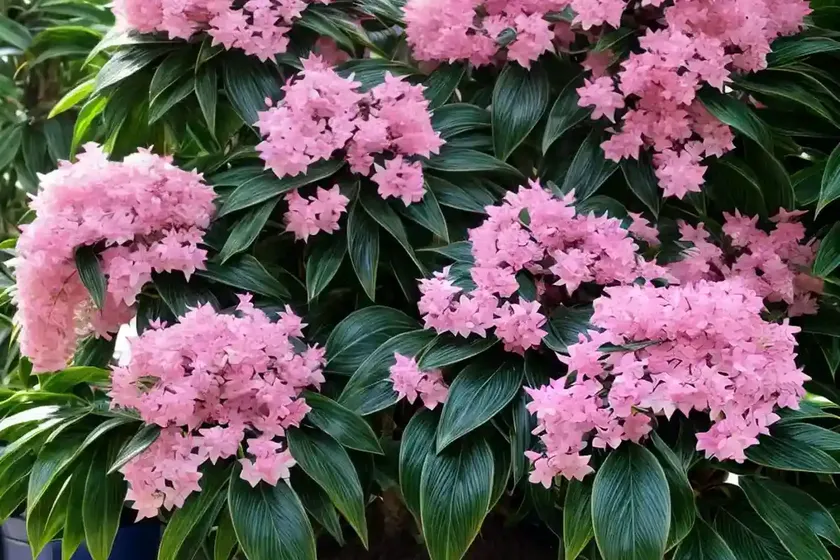
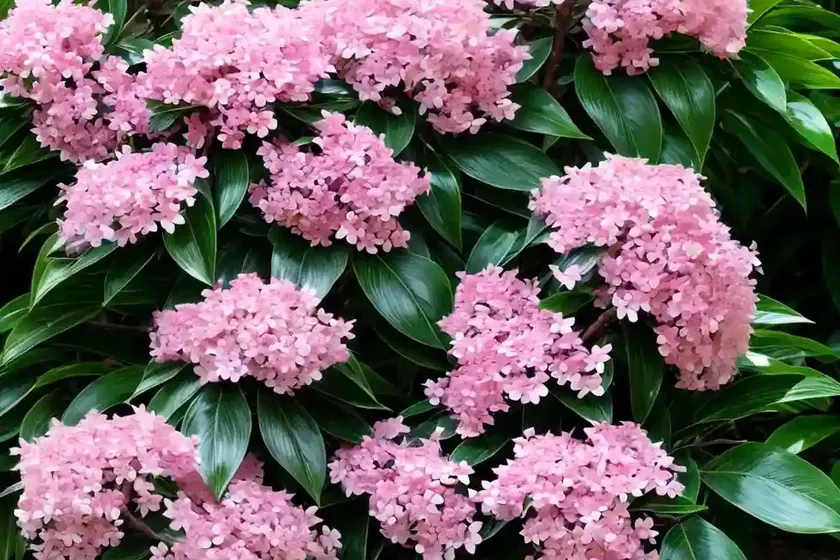
Plants play an essential role in our lives, from providing oxygen to enhancing the aesthetic value of our surroundings. One such fascinating plant is the Japanese laurel (Aucuba japonica), known for its vibrant foliage and adaptability to various environments. In this comprehensive guide, we will delve into the various aspects of caring for Japanese laurel, including its culture, uses, maintenance requirements, and interesting facts.
What is Japanese Laurel (Aucuba japonica)?
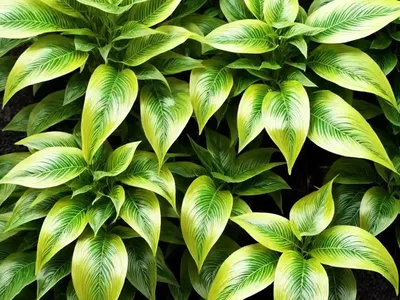
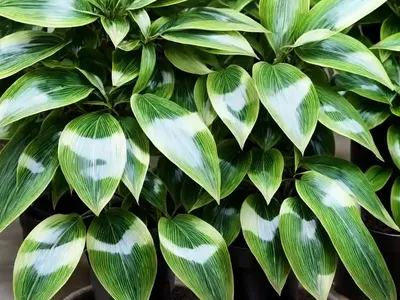
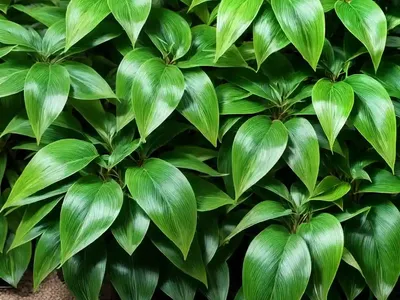
Japanese laurel (Aucuba japonica) is a species of evergreen shrub native to Japan, and it belongs to the Garryaceae family. This versatile plant is well-loved for its striking, glossy leaves, which come in an array of variegated patterns, including speckled gold, vibrant green, and deep shades of maroon. It is a slow-growing, low-maintenance shrub that thrives in a variety of conditions, making it an excellent choice for both indoor and outdoor spaces.
Key Takeaways – Japanese Laurel (Aucuba japonica)
Before diving into the details of caring for Japanese laurel, let’s take a look at the key takeaways summarizing the essential aspects of this plant.
- Botanical Name: Aucuba japonica
- Family: Garryaceae
- Common Names: Japanese laurel, Spotted laurel, Gold dust plant
- Type: Evergreen shrub
- Native to: Japan
- Uses: Ornamental, landscaping, indoor decoration
- Key Features: Variegated foliage, adaptable to various light conditions, low maintenance
- Hardiness Zones: 7-10
- Height: 3-10 feet tall, depending on the variety
- Toxicity: All parts of the plant are toxic if ingested
Now, let’s explore the various aspects of caring for Japanese laurel, including its cultural requirements, maintenance needs, common uses, and interesting characteristics.
Culture
Cultural considerations are essential when it comes to the successful growth and development of Japanese laurel. Understanding its native habitat and preferred conditions allows us to create an environment in which it can thrive.
Native Habitat
Japanese laurel is indigenous to the moist, shaded forests of Japan, where it grows as an understorey shrub. It is often found in the company of other woodland plants and benefits from the protection of taller trees, which provide dappled shade and shelter from harsh sunlight and winds.
Preferred Climate
Being native to Japan, Aucuba japonica is well-suited to temperate and subtropical climates. It performs best in areas with mild temperatures and moderate humidity. While it can tolerate a range of conditions, it prefers to avoid extreme heat and cold, making it ideal for gardens in USDA hardiness zones 7-10.
Landscape Uses
Japanese laurel is a versatile landscaping plant that can be used in various settings. Its adaptability to different light conditions makes it suitable for both shaded and partially shaded areas, making it a popular choice for gardens, parks, and urban landscapes.
Uses
The Japanese laurel (Aucuba japonica) serves several purposes, ranging from ornamental landscaping to indoor decoration. Understanding its various uses helps us appreciate its significance and versatility in different settings.
Ornamental Plant
One of the primary uses of Japanese laurel is as an ornamental plant in gardens and landscapes. Its vibrant, variegated foliage adds color and texture to garden beds, borders, and mixed plantings. It can be used as a standalone specimen or as part of a shrubbery, where its foliage creates a captivating visual display.
Indoor Decoration
Due to its low light requirements and attractive foliage, Japanese laurel is also a popular choice for indoor decoration. It is often grown as a houseplant, adding a touch of greenery to indoor spaces. Its ability to thrive in low-light conditions makes it suitable for offices, lobbies, and other interior environments.
Landscaping
Japanese laurel is a valuable addition to landscaping projects, where it is used to create visual interest, provide ground cover, or add color to shaded areas. It can be incorporated into woodland gardens, mixed borders, and foundation plantings, where its lush foliage stands out against the backdrop of other plants.
Water
Proper watering is crucial for the health and vitality of Japanese laurel. Understanding its water requirements and how to provide the right amount of moisture is essential for ensuring its well-being.
Watering Needs
Japanese laurel prefers consistently moist soil and benefits from regular watering, especially during dry spells. While it can tolerate short periods of drought, prolonged dryness can stress the plant and affect its growth. It is essential to monitor soil moisture and provide supplemental irrigation when needed, particularly during the hot summer months.
Watering Frequency
The frequency of watering will depend on various factors, including the climate, soil type, and the plant’s stage of growth. Generally, Japanese laurel should be watered deeply and thoroughly, allowing the soil to become moderately but not excessively dry between waterings. It is essential to avoid waterlogged conditions, as this can lead to root rot and other moisture-related issues.
Watering Methods
When watering Japanese laurel, it is best to use a slow, deep watering method that allows the moisture to penetrate the soil and reach the plant’s root zone. Using a soaker hose or drip irrigation system can help deliver water directly to the roots, promoting efficient water uptake and reducing the risk of foliar diseases.
Seasonal Considerations
In spring and summer, when Japanese laurel is actively growing, it may require more frequent watering to support its growth and development. During the fall and winter months, it is essential to adjust the watering schedule to account for reduced water requirements, as the plant enters a period of dormancy.
Sunlight
Proper sunlight exposure is crucial for the healthy growth and development of Japanese laurel. Understanding its sunlight preferences and providing the right amount of light is essential for ensuring its overall well-being.
Light Requirements
Japanese laurel thrives in partially shaded to fully shaded locations, making it an excellent choice for areas with limited direct sunlight. It prefers dappled light or filtered shade, where it can benefit from gentle, indirect light without being exposed to harsh, intense sunlight.
Avoiding Direct Sun
While Japanese laurel can tolerate some morning sun or late afternoon sun in cooler climates, it generally prefers to avoid direct sunlight, especially during the hot midday hours. Prolonged exposure to intense sunlight can scorch the leaves and cause leaf burn, leading to unsightly foliage and potential stress on the plant.
Indoor Light Conditions
When grown indoors, Japanese laurel should be placed in locations with moderate to low light, such as near north or east-facing windows. It can also thrive under artificial grow lights, making it suitable for indoor environments with limited natural light.
Fertilizer
Proper fertilization is vital for supporting the growth, health, and vitality of Japanese laurel. Understanding its nutritional requirements and how to provide the right balance of nutrients is essential for fostering lush foliage and robust growth.
Fertilizer Type
Japanese laurel benefits from a balanced, slow-release fertilizer formulated for acid-loving plants. Look for a fertilizer with a formulation specifically designed for shrubs, with a balanced ratio of macronutrients and essential trace elements. Acid-loving plant fertilizers are typically high in nitrogen and contain micronutrients like iron, manganese, and magnesium.
Fertilizer Application
Applying fertilizer in early spring before the start of new growth is recommended. Use a granular, slow-release fertilizer and spread it evenly around the root zone of the plant, taking care to avoid direct contact with the stems or foliage. Water the area thoroughly after applying the fertilizer to help activate the nutrients and ensure proper uptake by the roots.
Frequency of Fertilization
Japanese laurel generally benefits from annual fertilization, though the frequency may vary depending on the soil quality and the plant’s overall vigor. If the plant shows signs of nutrient deficiency, such as yellowing leaves or stunted growth, additional applications of fertilizer may be necessary.
Nutrient Deficiency
It is essential to monitor the plant for any signs of nutrient deficiency or imbalance and adjust the fertilization regimen accordingly. Yellowing or chlorotic leaves, slow growth, and overall poor vigor may indicate a lack of essential nutrients, signaling the need for supplemental fertilization.
Soil
The right soil conditions are crucial for promoting healthy root development and overall growth in Japanese laurel. Understanding its soil requirements and how to create the optimal growing medium is essential for ensuring its long-term well-being.
Soil Type
Japanese laurel prefers well-draining, slightly acidic soil with a pH range of 5.5 to 6.5. It can tolerate various soil types, including loamy, sandy, or clay soils, as long as they provide adequate drainage and aeration. Amending heavy clay soils with organic matter can improve their structure and drainage, creating a more hospitable environment for the plant.
Soil Moisture
Maintaining consistent soil moisture is essential for Japanese laurel, as it prefers slightly moist conditions. However, it is essential to avoid waterlogged or saturated soils, as these can lead to root rot and other moisture-related issues. Checking the soil moisture regularly and adjusting the watering schedule as needed helps ensure that the plant’s moisture requirements are met.
Soil Amendments
Incorporating organic matter, such as compost, well-rotted manure, or peat moss, into the soil can help improve its structure, fertility, and moisture retention. Organic amendments also contribute to the gradual release of nutrients, providing a sustained source of nourishment for the plant.
Mulching
Applying a layer of organic mulch, such as wood chips, pine straw, or shredded bark, around the base of Japanese laurel helps conserve soil moisture, suppress weed growth, and regulate soil temperature. Mulch also serves as a natural source of organic matter, enriching the soil as it breaks down over time.
Pruning
Pruning is an important aspect of Japanese laurel maintenance, allowing us to shape the plant, promote dense growth, and remove any damaged or diseased branches. Here’s a guide to pruning techniques for Japanese laurel.
Pruning Timing
The best time to prune Japanese laurel is during the late winter or early spring, before new growth emerges. Pruning at this time helps stimulate new growth and allows the plant to recover and regrow vigorously during the growing season.
Removal of Diseased or Damaged Branches
Regularly inspect the plant for any dead, diseased, or damaged branches and promptly remove them to maintain the overall health and appearance of the shrub. Use clean, sharp pruning shears to make clean cuts just above a set of healthy leaves or lateral branch.
Shaping and Thinning
Pruning can be used to shape Japanese laurel and control its size and form. Remove any wayward or overgrown branches to maintain a compact, well-proportioned shape. Thinning out dense growth helps improve air circulation and light penetration into the interior of the plant, reducing the risk of disease and promoting overall health.
Rejuvenation Pruning
Periodic rejuvenation pruning can help revitalize older or overgrown Japanese laurel plants. This involves cutting the shrub back by one-third to one-half of its overall height, stimulating the growth of new shoots and encouraging a more compact, bushy form.
Propagation
Propagating Japanese laurel allows us to expand our plant collection, share it with others, or replace older specimens. Here are some methods of propagating Aucuba japonica.
Propagation by Stem Cuttings
Stem cuttings are a popular method of propagating Japanese laurel, as they can be easily taken from a healthy, mature plant. Select a 4-6 inch long cutting with several sets of leaves, remove the lower leaves, and dip the cut end in a rooting hormone. Plant the cutting in a container filled with a well-draining rooting medium, such as perlite or vermiculite, and place it in a warm, humid environment with bright, indirect light. Keep the rooting medium consistently moist and monitor the cutting for root development.
Propagation by Division
Japanese laurel can also be propagated by division, especially if the plant has developed multiple stems or offshoots. Carefully dig up the plant and separate the individual stems or clumps, ensuring that each division has a good root system attached. Replant the divisions in prepared soil or containers, water them thoroughly, and provide the appropriate care as they establish themselves in their new locations.
Propagation by Seeds
While Japanese laurel can be grown from seeds, this method is less commonly used due to the slow growth rate and variable seed germination. If you choose to propagate from seeds, collect ripe berries from the plant, remove the seeds from the pulp, and sow them in a well-draining seed-starting mix. Keep the soil consistently moist and provide bright, indirect light to encourage germination. Seed-grown plants may take several years to reach maturity and produce the ornamental foliage characteristic of the parent plant.
Container
Growing Japanese laurel in containers offers several advantages, including the ability to control its growth, move it to different locations, and grow it in environments where it may not thrive in the ground. Here are some tips for growing Aucuba japonica in containers.
Container Selection
Choose a sturdy, well-draining container that is slightly larger than the plant’s current root ball. Look for a pot made of a durable material, such as terracotta or high-quality plastic, with drainage holes at the bottom to ensure proper water flow.
Potting Mix
Use a high-quality, well-draining potting mix formulated for acid-loving plants. It should provide good aeration and moisture retention while allowing excess water to drain freely. Consider amending the potting mix with organic matter to enhance its fertility and overall structure.
Placement
Place the container in a location that receives dappled light or partial shade, especially during the hottest part of the day. Protect the plant from direct sunlight, strong winds, and extreme temperature fluctuations, particularly in regions with hot summers or cold winters.
Watering and Maintenance
Monitor the moisture level of the potting mix and water the plant as needed to keep the soil consistently moist but not waterlogged. Regularly check for root congestion and consider repotting the plant into a larger container every few years to prevent it from becoming pot-bound.
Overwintering
In regions with cold winters, Japanese laurel in containers may benefit from protection during the winter months. Consider moving the container to a sheltered location, wrapping it with insulating material, or providing additional mulch around the base to protect the roots from freezing temperatures.
Popularity
Japanese laurel (Aucuba japonica) has gained popularity among gardeners, landscapers, and plant enthusiasts due to its attractive foliage, adaptability, and low-maintenance nature. Its versatile uses and striking appearance have made it a sought-after plant for various settings.
Ornamental Appeal
The variegated foliage of Japanese laurel, featuring splashes of gold, green, and maroon, contributes to its ornamental appeal and visual interest. It adds a pop of color to shaded areas and serves as a focal point in gardens and landscapes, attracting attention with its vibrant and glossy leaves.
Low-Maintenance Nature
Japanese laurel’s reputation as a low-maintenance plant has contributed to its popularity, especially among busy gardeners and those seeking hassle-free landscaping options. It can tolerate a range of conditions, including shade, poor soil, and periods of neglect, making it a reliable choice for areas where other plants may struggle.
Adaptability
The adaptability of Japanese laurel to various light conditions, soil types, and climates has made it a versatile and valuable plant for both indoor and outdoor use. Its ability to thrive in shaded settings and withstand environmental stressors has contributed to its widespread appeal.
Common Diseases
While Japanese laurel is generally a resilient and hardy plant, it can be susceptible to certain diseases, particularly in conditions that are not conducive to its overall health. Being aware of common diseases and their symptoms helps in timely diagnosis and treatment.
Leaf Spot
Leaf spot is a common fungal disease that can affect Japanese laurel, causing circular or irregular spots on the foliage. These spots may start as small, water-soaked lesions and then develop into larger, dark-colored areas with a yellow halo. To manage leaf spot, remove and dispose of affected leaves, improve air circulation around the plant, and avoid overhead watering to reduce moisture on the foliage.
Crown Gall
Crown gall is caused by the soil-borne bacterium Agrobacterium tumefaciens and can lead to the formation of abnormal growths or galls on the stems and roots of the plant. Infected plants may exhibit stunted growth, wilting, and general decline. To prevent crown gall, maintain proper soil drainage, avoid physical damage to the roots and stems, and ensure the use of disease-free planting material.
Root Rot
Root rot, caused by various fungal pathogens, can affect Japanese laurel in waterlogged or poorly drained soil. The roots may become mushy, dark, and decayed, leading to wilting, yellowing foliage, and overall decline. To prevent root rot, improve soil drainage, avoid overwatering, and consider using fungicidal treatments to manage the disease.
Anthracnose
Anthracnose is a fungal disease that can cause brown lesions, dead areas, and premature leaf drop in Japanese laurel. It thrives in wet, humid conditions and can spread rapidly during periods of high moisture. Prune and dispose of infected plant parts, provide proper air circulation, and avoid overhead watering to minimize the risk of anthracnose.
Disease Diagnosis
Diagnosing and identifying diseases in Japanese laurel requires careful observation of the plant’s symptoms, as well as an understanding of common disease patterns and risk factors. Here are some steps to consider when diagnosing diseases in Aucuba japonica.
Visual Inspection
Regularly inspect the foliage, stems, and roots of Japanese laurel for any signs of discoloration, deformities, or abnormal growth. Look for spots, lesions, wilting, yellowing, or unusual swellings, and note the location and severity of the symptoms.
Symptom Analysis
Compare the observed symptoms with known disease patterns and characteristics to narrow down potential causes. Consider environmental factors, such as moisture levels, temperature, and light exposure, as well as the overall health and vigor of the plant.
Disease Identification
Use plant disease guides, diagnostic resources, or seek assistance from local extension services or plant health experts to identify the specific disease affecting the plant. Take note of any patterns in disease occurrence, including seasonal trends and affected plant parts, to aid in accurate diagnosis.
Treatment and Management
Once the disease is identified, implement appropriate treatment and management strategies, which may include cultural adjustments, such as improving drainage or reducing moisture, as well as the use of targeted fungicidal or bactericidal treatments.
Common Pests
While Japanese laurel is relatively resistant to pests, it can occasionally attract certain insects that may impact its overall health and appearance. Recognizing common pests and implementing control measures helps protect the plant from potential damage.
Spider Mites
Spider mites are tiny arachnids that can infest the foliage of Japanese laurel, causing stippling, webbing, and leaf discoloration. They thrive in dry, dusty conditions and can rapidly reproduce when left unchecked. Use a strong blast of water to dislodge and remove spider mites from the plant, and apply insecticidal soap or horticultural oil as a targeted treatment.