Gold Dust (Aucuba Japonica)
Gold dust (Aucuba japonica), also known as the Japanese laurel, is a versatile and attractive evergreen shrub that has become a popular choice for.
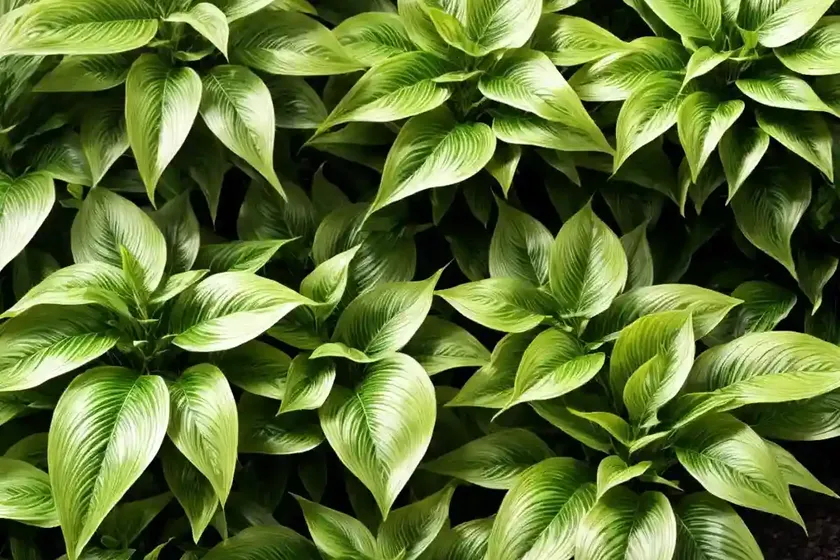
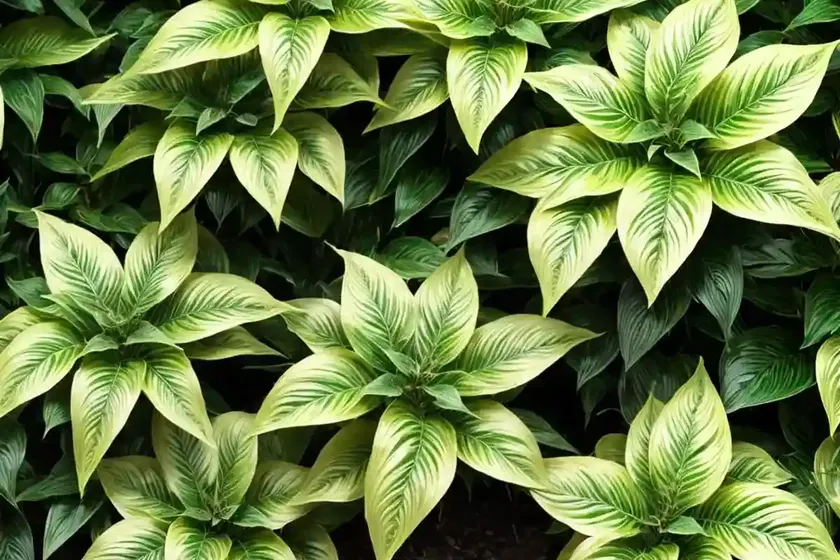
Gold dust (Aucuba japonica), also known as the Japanese laurel, is a versatile and attractive evergreen shrub that has become a popular choice for landscapes, gardens, and indoor spaces. This plant is celebrated for its distinctive gold-speckled leaves and its adaptability to various environmental conditions. In this comprehensive guide, we will delve into the various aspects of gold dust (Aucuba japonica), including its culture, uses, care requirements, common diseases and pests, propagation methods, and much more.
What is Gold Dust (Aucuba japonica)?
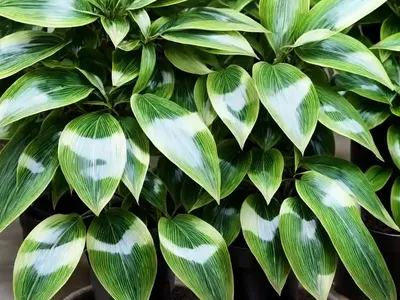
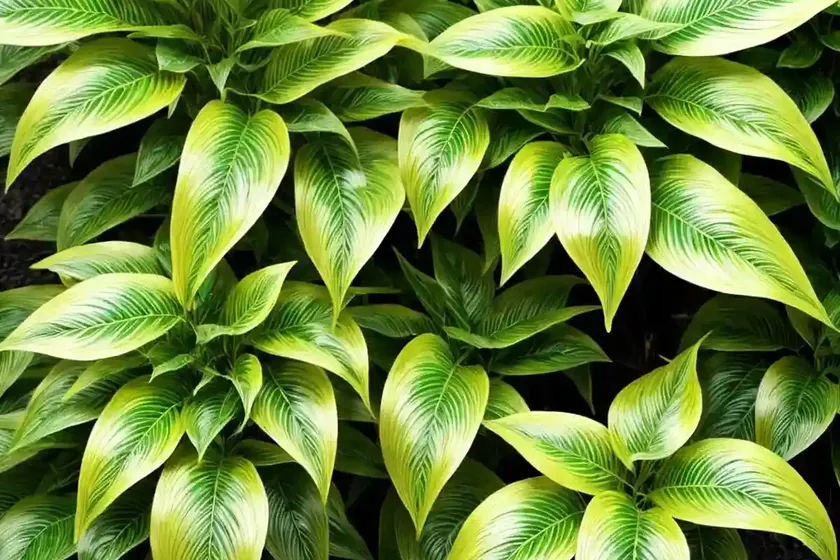
Gold dust (Aucuba japonica) is a species of flowering plant in the family Garryaceae, native to rich forest soils of moist valleys, rocky slopes, and at the edges of streams in China, Korea, and Japan. It is a slow-growing, upright, and rounded evergreen shrub that typically reaches a height of 6-10 feet and spreads 4-6 feet wide. The most distinct feature of Aucuba japonica is its glossy, leathery dark green leaves speckled generously with yellow or yellow-white spots, which are more concentrated towards the center of the leaf, giving it a “gold dust” appearance.
The plant produces small, reddish-purple flowers in spring, which are often followed by bright red ornamental berries on female plants, provided a male pollinator is present nearby. Gold dust (Aucuba japonica) is known for its tolerance to shade, making it an excellent choice for adding color and interest to shaded areas. Its adaptability to a variety of environmental conditions, including air pollution and dry or damp soils, further enhances its appeal as a reliable landscape plant.
Key Takeaways – Gold Dust (Aucuba japonica)
Culture
Gold dust (Aucuba japonica) is known for its remarkable adaptability to various cultural conditions, including both indoor and outdoor settings. Its culture encompasses the following aspects:
-
Uses: Gold dust (Aucuba japonica) is commonly used in landscapes, gardens, and as an indoor decorative plant. It is often employed as a specimen plant, hedge, or foundation planting due to its attractive foliage. Additionally, in traditional medicine, certain parts of the plant have been used for their medicinal properties.
-
Water: Aucuba japonica generally prefers consistently moist, well-draining soil, but can tolerate short periods of drought once established. It is important to avoid waterlogged conditions, as excessive moisture can lead to root rot.
-
Sunlight: While gold dust (Aucuba japonica) is known for its shade tolerance, it thrives in partial to full shade and also adapts to sunnier locations, albeit with some leaf scorching in intense sunlight.
-
Fertilizer: Regular applications of a balanced fertilizer in the spring promote optimal growth and foliage development. However, it is essential to follow recommended application rates to prevent fertilizer burn.
-
Soil: Aucuba japonica thrives in moist, well-draining, acidic to slightly alkaline soils. It can tolerate a range of soil types, including clay, loam, and sandy soils.
-
Pruning: Pruning is minimal for gold dust (Aucuba japonica) and primarily involves removing dead or damaged branches and controlling its size and shape. This can be done in late winter or early spring before the onset of new growth.
Propagation
Gold dust (Aucuba japonica) can be propagated through various methods, including seeds, cuttings, and division. Each technique offers distinct advantages and challenges, enabling propagation to be tailored to specific requirements and preferences.
Container Popularity
The ability of gold dust (Aucuba japonica) to thrive in containers has significantly contributed to its popularity as a versatile ornamental plant. Its adaptability to indoor and outdoor container settings makes it an ideal choice for enhancing the aesthetic appeal of various spaces.
Common Diseases
Gold dust (Aucuba japonica) is generally resilient to diseases, but it may occasionally encounter certain issues that need to be addressed with appropriate measures to ensure its health and vigor.
Common Pests
While relatively resistant to pests, gold dust (Aucuba japonica) can occasionally be susceptible to specific insect infestations that require prompt intervention to prevent damage to the plant.
Botanist’s Tips
Insights, tips, and best practices from botanists and horticulturists serve as invaluable guidance to successfully cultivate and care for gold dust (Aucuba japonica).
Fun Facts
Discover intriguing and lesser-known facts about gold dust (Aucuba japonica) that add depth and fascination to the overall understanding and appreciation of this remarkable plant.
Links to External Resources
Explore additional sources and references for further information on gold dust (Aucuba japonica), including research articles, educational materials, and reputable organizations.
Gold Dust (Aucuba japonica) Varieties
The popularity and versatility of gold dust (Aucuba japonica) have led to the development of several cultivars, each offering unique characteristics and adaptations. Some notable varieties of Aucuba japonica include:
-
Aucuba japonica ‘Variegata’: This variety features green leaves heavily speckled with yellow. It is a popular choice for adding contrast and visual interest to shaded areas.
-
Aucuba japonica ‘Rozannie’: Known for its compact growth habit, this variety is an excellent option for smaller spaces and container gardening. It features glossy green leaves adorned with golden speckles.
-
Aucuba japonica ‘Crotonifolia’: The leaves of this variety boast bold, irregular gold markings on a deep green background, adding a vibrant and dynamic character to the plant.
-
Aucuba japonica ‘Picturata’: This variety showcases a striking contrast between its bright gold spots and dark green margins, creating a visually appealing display.
Gold Dust (Aucuba japonica) Care
Caring for gold dust (Aucuba japonica) involves understanding and addressing its specific needs across various aspects, including water, sunlight, soil, fertilizer, pruning, and propagation.
Water
Aucuba japonica requires regular watering to maintain adequate soil moisture, especially during its establishment phase. Once established, it demonstrates a degree of drought tolerance, but it is essential to avoid prolonged dry periods.
Sunlight
While gold dust (Aucuba japonica) is renowned for its shade tolerance, it appreciates partial to full shade for optimal growth and foliage development. It can also adapt to sunnier conditions, albeit with some degree of leaf scorching in intense sunlight.
Fertilizer
Applying a balanced, slow-release fertilizer in the spring offers essential nutrients to support healthy growth and vibrant foliage. However, it is crucial to follow the recommended application rates to prevent fertilizer burn and adverse effects on the plant.
Soil
Gold dust (Aucuba japonica) thrives in moist, well-draining, acidic to slightly alkaline soils. It is adaptable to a range of soil types, including clay, loam, and sandy soils, but it is crucial to avoid waterlogged conditions.
Pruning
Minimal pruning is generally required for gold dust (Aucuba japonica). It primarily involves the removal of dead or damaged branches, light shaping to control size, and the occasional removal of older, less vibrant foliage to promote new growth.
Propagation
Aucuba japonica can be propagated through various methods, including seeds, softwood cuttings, and division. Each technique offers distinct advantages and challenges, providing flexibility in propagating the plant based on specific requirements and preferences.
Gold Dust (Aucuba japonica) Uses
Gold dust (Aucuba japonica) serves a variety of purposes and offers numerous applications, making it a valuable addition to landscapes, gardens, and indoor spaces.
Landscape Applications
Gold dust (Aucuba japonica) is commonly employed as a striking specimen plant, hedge, or foundation planting to enhance the visual appeal and interest of landscapes. Its versatile growth habits and attractive foliage make it a popular choice for both residential and commercial landscapes.
Indoor Decoration
With its exceptional shade tolerance and attractive, variegated foliage, gold dust (Aucuba japonica) is an excellent option for adding color and visual interest to indoor spaces. It thrives as a houseplant and enriches the ambiance of homes, offices, and other interior environments.
Medicinal Uses
Certain parts of the gold dust (Aucuba japonica) plant have been utilized in traditional medicine for their purported medicinal properties. While further research is needed to validate its medicinal efficacy, the plant holds historical significance in traditional healing practices.
Gold Dust (Aucuba japonica) Varieties for Indoor Use
Selecting the ideal variety of gold dust (Aucuba japonica) for indoor use involves considering factors such as size, light requirements, and growth habits to ensure its successful adaptation to indoor environments.
Aucuba japonica ‘Crotonifolia’
The bold variegation and vibrant foliage of ‘Crotonifolia’ make it an eye-catching option for indoor spaces, where it can thrive in partial to full shade and contribute to the visual appeal and ambiance of the environment.
Aucuba japonica ‘Rozannie’
With its compact growth habit and glossy, golden-speckled leaves, ‘Rozannie’ is well-suited for indoor container gardening, offering a low-maintenance yet visually striking addition to interior spaces.
Gold Dust (Aucuba japonica) in Landscaping
Gold dust (Aucuba japonica) holds notable significance in landscaping due to its adaptability, aesthetic appeal, and versatility in various landscape settings.
Specimen Planting
As a specimen plant, gold dust (Aucuba japonica) serves as a focal point in landscapes, drawing attention with its variegated foliage and contributing to the overall visual interest of the area.
Hedge Planting
Aucuba japonica is often utilized in hedge planting, where its dense growth habit and attractive foliage create privacy screens, windbreaks, and visual delineations within landscapes.
Foundation Planting
Its adaptability to shaded areas and its ornamental foliage make gold dust (Aucuba japonica) an excellent choice for foundation planting, where it enhances the aesthetics and visual appeal of building exteriors.
Gold Dust (Aucuba japonica) Diseases and Diagnosis
While generally disease-resistant, gold dust (Aucuba japonica) may encounter specific diseases that require prompt recognition and appropriate management to maintain its health and vitality.
Leaf Spot
Leaf spot, caused by various fungal pathogens, can manifest as circular, discolored lesions on the foliage of Aucuba japonica. Proper sanitation, fungicidal treatments, and adequate airflow can help manage and prevent leaf spot diseases.
Leaf Drop
Excessive leaf drop in gold dust (Aucuba japonica) can result from stress, environmental changes, or certain diseases and pests. Identifying the underlying cause is essential to implement targeted remedies and prevent further leaf loss.
Root Rot
Prolonged waterlogged conditions can predispose Aucuba japonica to root rot, a destructive condition caused by pathogenic fungi. Improving soil drainage and implementing appropriate cultural practices are vital for preventing root rot in the plant.
Leaf Scorch
Leaf scorch, characterized by browning and desiccation of leaf margins, can occur when gold dust (Aucuba japonica) is exposed to intense sunlight. Adapting its growing conditions to provide partial to full shade can mitigate the effects of leaf scorch.
Gold Dust (Aucuba japonica) Common Pests
While resilient to most pests, gold dust (Aucuba japonica) can occasionally face infestations from specific insects that require targeted interventions to safeguard the plant’s health and vigor.
Scales
Scales are common pests that can infest Aucuba japonica, appearing as small, immobile bumps on the stems and leaves. Implementing horticultural oils, insecticidal soaps, or natural predators can effectively manage scale infestations.
Spider Mites
Spider mites are microscopic pests that can cause stippling, webbing, and overall decline in Aucuba japonica. Regular monitoring, proper irrigation, and implementing natural enemies help prevent and manage spider mite infestations.
Mealybugs
Mealybugs are soft-bodied insects that feed on plant sap, leading to stunted growth and honeydew production on Aucuba japonica. Targeted applications of insecticidal soaps or horticultural oils are effective in managing mealybug populations.
Gold Dust (Aucuba japonica) Botanist’s Tips
Insights and tips from botanists and horticulturists serve as invaluable guidance for successfully cultivating and caring for gold dust (Aucuba japonica), offering expert perspectives and recommendations.
Light and Water
- Aucuba japonica prefers partial to full shade and thrives in consistently moist, well-draining soil. While it demonstrates shade tolerance, providing indirect light is essential for maintaining vibrant foliage.
Fertilization
- Moderate applications of a balanced fertilizer in the spring contribute to the optimal growth and vigor of Aucuba japonica. Avoid over-fertilization to prevent adverse effects on the plant.
Pruning
- Minimal pruning is generally required for Aucuba japonica, focusing on the removal of dead or damaged branches and shaping to maintain its desired size and form.
Pest Management
- Regular monitoring for pests and implementing targeted interventions, such as horticultural oils and insecticidal soaps, helps prevent and manage pest infestations in gold dust.
Gold Dust (Aucuba japonica) Fun Facts
Uncover intriguing and lesser-known facts about gold dust (Aucuba japonica) that contribute to a deeper understanding and appreciation of this remarkable plant.
Traditional Significance
- In traditional medicine, certain parts of Aucuba japonica have been used for their purported medicinal properties, reflecting its historical significance in traditional healing practices.
Wildlife Attraction
- The ornamental berries produced by female Aucuba japonica plants can attract birds, adding wildlife interest to landscapes and gardens.
Adaptability
- Aucuba japonica is renowned for its adaptability to shaded areas and tolerance to air pollution, making it a resilient and versatile plant for various environmental conditions.
Links to External Resources
Expand your knowledge and explore additional sources and references for further information on gold dust (Aucuba japonica), including research articles, educational materials, and reputable organizations.
Research Articles
Educational Materials
Reputable Organizations
By providing a comprehensive overview of gold dust (Aucuba japonica), this guide aims to equip enthusiasts, gardeners, and horticulturists with the knowledge and insights needed to successfully cultivate, care for, and appreciate this versatile and alluring plant. Whether utilized in landscapes, gardens, or indoor spaces, the adaptability and ornamental appeal of gold dust (Aucuba japonica) continue to captivate and inspire a myriad of applications and uses, making it a valuable addition to diverse horticultural settings.