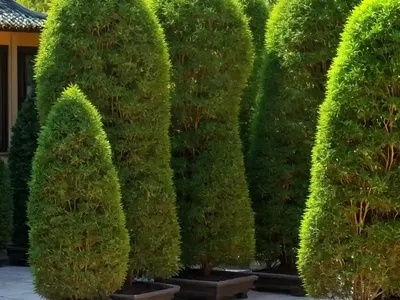
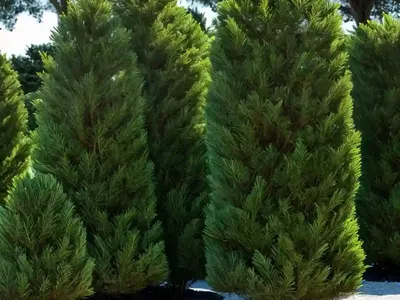
Japanese Garden Juniper (Juniperus Procumbens)
Plants are an essential part of our environment, contributing to the beauty and sustainability of our ecosystems. One such plant that has gained popularity.
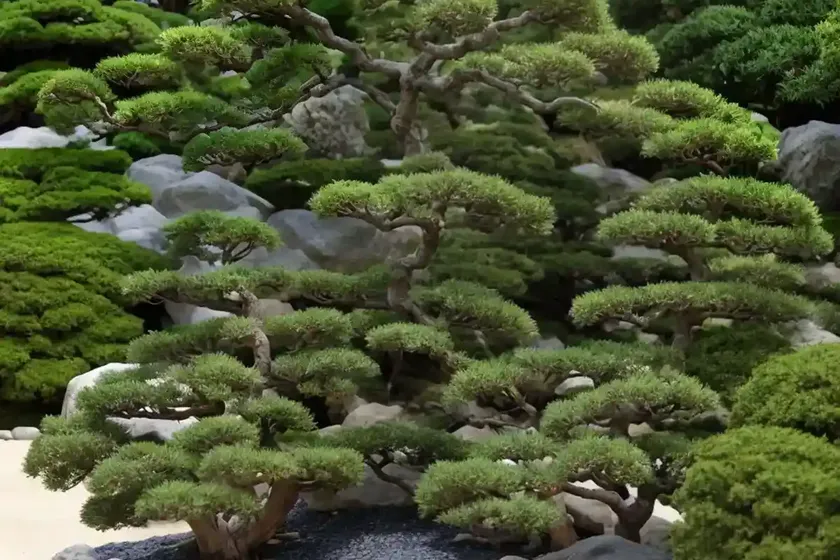
Plants are an essential part of our environment, contributing to the beauty and sustainability of our ecosystems. One such plant that has gained popularity for its ornamental and landscaping uses is the Japanese Garden Juniper, scientifically known as Juniperus Procumbens. In this comprehensive guide, we will delve into the various aspects of this plant, including its cultural preferences, uses, care instructions, associated diseases and pests, and much more.
What is the Japanese Garden Juniper (Juniperus Procumbens)?
Juniperus Procumbens, commonly known as the Japanese Garden Juniper, is a low-growing evergreen shrub that belongs to the Cypress family, Cupressaceae. This plant is native to Japan and is known for its spreading, prostrate growth habit, making it an ideal choice for ground cover or ornamental landscaping. The Japanese Garden Juniper is characterized by its scale-like, dark green foliage and attractive blue-black berry-like cones, which add to its ornamental appeal.
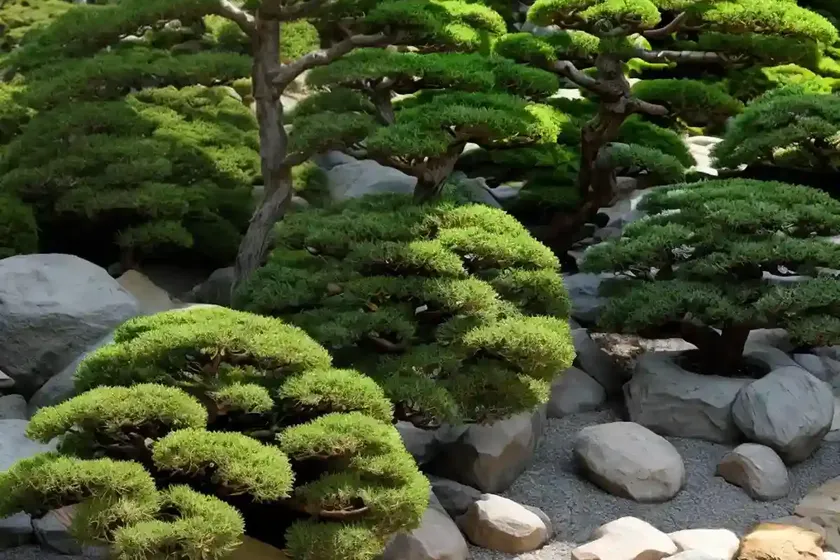
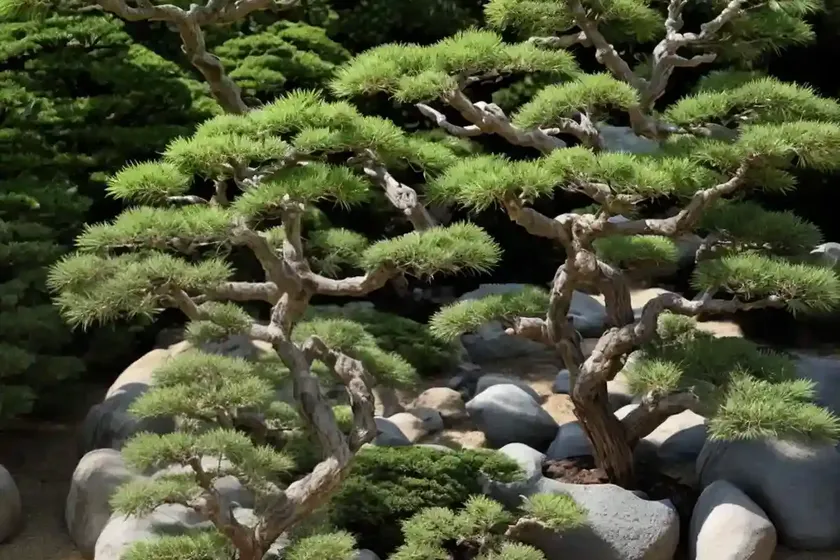
This plant has gained popularity not only in traditional Japanese gardens but also in gardens and landscapes around the world, thanks to its adaptability, aesthetic appeal, and ease of care. It is often used as a bonsai subject due to its ability to develop an aged appearance with proper training and care.
Key Takeaways – Japanese Garden Juniper (Juniperus Procumbens)
Let’s take a detailed look at the key takeaways related to the Japanese Garden Juniper, covering its culture, uses, care requirements, and other important aspects.
Culture
- Origin: Japan
- Family: Cupressaceae
- Type: Evergreen shrub
- Growth Habit: Prostrate, spreading
- Cultural Uses: Ornamental landscaping, bonsai cultivation, ground cover
Uses
- Ornamental Value: Adds aesthetic appeal to gardens and landscapes
- Bonsai Cultivation: Suitable for creating bonsai specimens
- Ground Cover: Effective as a low, spreading ground cover plant
Care
- Water: Moderate watering, well-drained soil
- Sunlight: Full sun to partial shade
- Fertilizer: Balanced fertilizer, sparingly applied
- Soil: Well-draining, slightly acidic soil
- Pruning: Regular pruning for shape and size control
- Propagation: From cuttings or seeds
- Container Maintenance: Suitable for container gardening
Popularity
- Japanese Gardens: Commonly featured in traditional Japanese gardens
- Ornamental Landscaping: Popular choice for ornamental landscaping
- Bonsai Cultivation: Preferred for creating bonsai specimens
Common Diseases and Pests
- Diseases: Potential susceptibility to certain fungal diseases
- Pests: Vulnerable to spider mites and aphids
Now that we have outlined the key takeaways, let’s delve deeper into each of these aspects to gain a comprehensive understanding of the Japanese Garden Juniper and how to care for it effectively.
Water
Proper watering is essential for the health and vitality of Japanese Garden Junipers. These plants have moderate water needs and prefer well-drained soil. Consistent moisture is important, especially during the establishment phase and in hot, dry weather.
Water Requirements
- Establishment Phase: Regular watering to aid in root establishment
- Mature Plants: Moderate watering, allowing the soil to dry slightly between watering sessions
- Avoid Overwatering: Prevent waterlogging and root rot by ensuring proper drainage
Sunlight
Japanese Garden Junipers thrive in full sun to partial shade conditions. Adequate sunlight is crucial for promoting healthy growth and maintaining the plant’s ornamental qualities.
Sunlight Preferences
- Full Sun: Ideal for promoting dense foliage and compact growth
- Partial Shade: Tolerated, but may result in slightly looser growth habits
- Indoor Cultivation: Provide bright, indirect light when growing indoors
Fertilizer
Appropriate fertilization contributes to the overall health and vigor of Japanese Garden Junipers. However, it is essential to apply fertilizers sparingly to avoid causing nutrient imbalances or excessive growth.
Fertilizer Application
- Balanced Fertilizer: Utilize a balanced, slow-release fertilizer
- Application Frequency: Apply fertilizer sparingly, typically once a year
- Avoid Overfeeding: Excessive fertilization can lead to weak growth and vulnerability to pests and diseases
Soil
Soil quality plays a significant role in the overall well-being of Japanese Garden Junipers. These plants thrive in well-draining, slightly acidic soil that provides optimal growing conditions.
Soil Requirements
- Drainage: Ensure good drainage to prevent waterlogged conditions
- Acidity: Slightly acidic soil pH range (around 6.0 to 6.5)
- Soil Amendments: Organic matter can improve soil structure and fertility
Pruning
Regular pruning is essential for maintaining the desired shape and size of Japanese Garden Junipers. Additionally, proper pruning can promote denser foliage and enhance the plant’s ornamental appeal.
Pruning Guidelines
- Timing: Prune in late winter or early spring before new growth begins
- Techniques: Use sharp, clean pruning tools to ensure precise cuts
- Shape Control: Sculpt the plant to maintain a compact, spreading form
- Remove Dead or Diseased Branches: Promote overall plant health by removing damaged growth
Propagation
Propagation of Japanese Garden Junipers can be achieved through cuttings or seeds, allowing for the expansion of your plant collection or the creation of new bonsai specimens.
Propagation Methods
- Cuttings: Utilize semi-hardwood cuttings for successful propagation
- Seed Propagation: Harvest and sow seeds in suitable growing medium
- Rooting Hormone: Apply rooting hormone to facilitate successful cutting propagation
Container
Japanese Garden Junipers are well-suited for container cultivation, making them versatile choices for different gardening arrangements, including rooftop gardens, patios, and balconies.
Container Gardening Tips
- Well-Draining Containers: Select pots with adequate drainage holes
- Quality Potting Mix: Use well-draining, high-quality potting mix
- Container Size: Choose a container that allows for sufficient root growth
- Regular Maintenance: Monitor soil moisture and apply appropriate watering in containers
Common Diseases
While Japanese Garden Junipers are relatively hardy plants, they can be susceptible to certain fungal diseases under unfavorable growing conditions.
Disease Susceptibility
- Phomopsis Blight: Manifests as brown, needle tip dieback and can be managed through proper cultural care and, if necessary, fungicidal treatments
- Kabatina Tip Blight: Causes needle browning and tip dieback, with management focusing on sanitation and fungicidal control when necessary
Pest Management
Like many ornamental plants, Japanese Garden Junipers are vulnerable to attacks by common pests such as spider mites and aphids.
Pest Control
- Spider Mites: Monitor for signs of infestation and utilize appropriate acaricides if necessary
- Aphids: Hose down infested plants or utilize horticultural oils to control aphid populations
Botanist’s Tips
1. Soil Amendment
Addition of organic matter, such as compost or well-aged manure, can enhance soil fertility and structure, providing a conducive growing medium for Japanese Garden Junipers.
2. Air Circulation
Promote good air circulation around the plants to minimize the risk of fungal infections and encourage overall plant health.
3. Seasonal Care
Monitor water needs and provide winter protection as necessary, especially for plants grown in colder climates, to ensure their survival and vitality.
Fun Facts
- Japanese Garden Junipers have been cultivated as bonsai specimens for centuries, with some specimens being over 100 years old, showcasing the plant’s longevity under proper care.
- Juniperus Procumbens, along with many other juniper species, is used in the production of the alcoholic beverage gin, imparting its unique flavor to the spirit.
Links to External Resources
For additional information on Japanese Garden Juniper care, bonsai techniques, and other related topics, consider exploring the following resources:
- American Conifer Society – Offers valuable insights into juniper species, including care guidelines and cultivation tips.
- Royal Horticultural Society (RHS) – Provides comprehensive guidance on garden plants, including junipers and their cultural preferences.
- National Gardening Association – Features a wealth of information on plant care and gardening practices, including guidance on juniper cultivation.
- American Bonsai Society – Offers resources and expertise on bonsai cultivation techniques, including tips specific to Juniperus Procumbens.
The Japanese Garden Juniper, with its ornamental appeal, cultural significance, and versatility in landscaping, continues to capture the interest of plant enthusiasts and landscape designers alike. By understanding and implementing appropriate care practices, individuals can enjoy the beauty and resilience of this remarkable plant in a variety of settings, from traditional gardens to modern urban landscapes.
Whether as a ground cover, bonsai specimen, or focal point in a garden design, the Japanese Garden Juniper (Juniperus Procumbens) offers endless possibilities for enhancing outdoor spaces and connecting people with the beauty of nature. With proper care and attention, this plant enriches the environment and brings a touch of elegance to any landscape.
As we continue to appreciate and learn from the unique characteristics of plants such as the Japanese Garden Juniper, we further our understanding of the intricate relationships between humans and the natural world, fostering a deeper appreciation for the diverse plant life that enriches our lives and sustains our ecosystems.