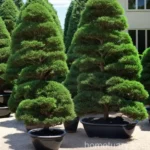
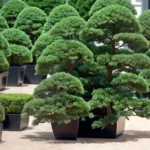
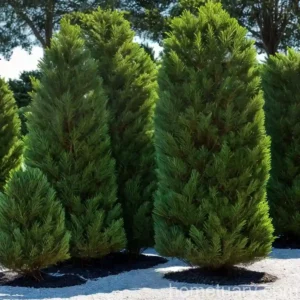
Japanese Falsecypress (Chamaecyparis pisifera ‘Gold Spangle’)
Introduction
Plants are an integral part of our environment and play a crucial role in sustaining life on earth. From providing oxygen to controlling erosion, plants offer numerous benefits. One such plant that has garnered attention for its ornamental value and unique characteristics is the Japanese Falsecypress, scientifically known as Chamaecyparis pisifera ‘Gold Spangle’. This blog post serves as a comprehensive guide to understanding and cultivating this fascinating plant. Through this extensive discussion, we will explore the culture, uses, care, and maintenance of the Japanese Falsecypress.
What is Japanese Falsecypress (Chamaecyparis pisifera ‘Gold Spangle’)?
The Japanese Falsecypress, Chamaecyparis pisifera, is a species of conifer in the cypress family Cupressaceae. ‘Gold Spangle’ is a specific variety of the Japanese Falsecypress, known for its distinctive golden foliage. This evergreen shrub is native to Japan and is popular for its striking appearance and versatility in landscaping.
Plant Characteristics
The ‘Gold Spangle’ variety is characterized by its golden-yellow foliage that provides a vibrant contrast in garden settings. It typically grows in a pyramidal or columnar form, reaching a mature height of 10 to 15 feet and a width of 6 to 8 feet. The foliage retains its color throughout the year, making it an attractive addition to gardens, particularly during the winter months.
Key Takeaways – Japanese Falsecypress (Chamaecyparis pisifera ‘Gold Spangle’)
- Scientific Name: Chamaecyparis pisifera ‘Gold Spangle’
- Common Names: Japanese Falsecypress Gold Spangle, Gold Spangle Chamaecyparis pisifera, Falsecypress ‘Gold Spangle’
- Growth Habit: Pyramidal or columnar
- Foliage Color: Golden-yellow
- Mature Size: 10-15 feet tall, 6-8 feet wide
- Sunlight Preferences: Prefers full sun to partial shade
- Water Requirements: Regular watering; well-drained soil
- Uses: Ornamental shrub, landscaping, hedges, containers
Culture
Cultivating Japanese Falsecypress ‘Gold Spangle’ involves understanding its specific cultural requirements to ensure optimal growth and health. From soil conditions to pruning techniques, each aspect contributes to the overall well-being of the plant.
Uses
The Japanese Falsecypress ‘Gold Spangle’ is primarily utilized for ornamental purposes due to its visually appealing foliage. Its striking golden-yellow color adds interest and brightness to gardens, making it suitable for various landscaping applications. Additionally, it can be shaped into hedges or topiaries to create formal garden designs.
Water
Proper watering is essential for the health of the Japanese Falsecypress. While it is important to maintain consistent moisture levels, the soil should also be well-drained to prevent waterlogging, which can lead to root rot. During periods of high heat or drought, regular watering is crucial to ensure the plant remains adequately hydrated.
Sunlight
The ideal sunlight preferences for the Japanese Falsecypress ‘Gold Spangle’ include full sun to partial shade. When planted in a location with ample sunlight, the plant’s vibrant foliage color is enhanced, contributing to its visual appeal. However, it can also tolerate partial shade, making it adaptable to a range of light conditions.
Fertilizer
Applying a balanced, slow-release fertilizer in spring can promote the growth and vitality of the Japanese Falsecypress. The fertilizer should be applied according to the manufacturer’s instructions, taking care not to over-fertilize, which can lead to adverse effects on the plant’s health.
Soil
The soil requirements for Japanese Falsecypress ‘Gold Spangle’ include well-drained, acidic to neutral soil. It thrives in moderately fertile soil with good drainage, as waterlogged conditions can be detrimental to its root system. Amending the soil with organic matter can improve its texture and drainage capabilities.
Pruning
Regular pruning is essential for maintaining the desired shape and size of the Japanese Falsecypress ‘Gold Spangle’. It is best to prune the plant in early spring before the new growth emerges. Selective pruning can also help in promoting a dense, compact growth habit and managing any dead or damaged branches.
Propagation
The propagation of Japanese Falsecypress ‘Gold Spangle’ can be achieved through various methods, including cuttings and seeds. Understanding the propagation techniques is valuable for expanding the plant population and cultivating new specimens.
Cutting Propagation
Propagation through cuttings involves taking stem cuttings from a healthy, established plant and encouraging them to develop roots and establish as new individuals. This method allows for the production of genetically identical plants, ensuring the retention of specific characteristics, such as the golden-yellow foliage, in the new plants.
Seed Propagation
While seeds can also be used to propagate the Japanese Falsecypress, this method may result in genetic variation among the offspring. Collecting and germinating seeds from mature cones can give rise to new seedlings, offering an alternative means of propagation.
Container Popularity
The Japanese Falsecypress ‘Gold Spangle’ is well-suited for container gardening, making it a popular choice for individuals with limited garden space or those looking to create attractive plant displays on patios and balconies. Its compact size and ornamental foliage make it an excellent candidate for container cultivation, adding visual interest to outdoor spaces.
Container Common Diseases
While container gardening offers numerous advantages, it is important to be mindful of potential diseases that can affect plants grown in containers. Common diseases that may impact Japanese Falsecypress ‘Gold Spangle’ in container settings include root rot, powdery mildew, and botrytis blight.
Disease Diagnosis
Diagnosing diseases in container-grown Japanese Falsecypress ‘Gold Spangle’ involves careful observation of the plant for symptoms such as wilting, discoloration, or unusual growth patterns. Prompt identification and treatment can help manage and prevent the spread of diseases in container plants.
Common Pests
Pests can pose a threat to the health and vigor of Japanese Falsecypress ‘Gold Spangle’, necessitating pest management measures to protect the plant. By recognizing common pests and implementing appropriate control strategies, the impact of pest infestations can be minimized.
Insect Pests
Common insect pests that may affect the Japanese Falsecypress include spider mites, adelgids, and bagworms. These pests can cause damage to the foliage and overall health of the plant if left unchecked. Regular monitoring and the application of insecticidal treatments when necessary can help mitigate pest infestations.
Botanist’s Tips
From a botanist’s perspective, understanding the unique growth habits, environmental preferences, and maintenance requirements of the Japanese Falsecypress ‘Gold Spangle’ is essential for appreciating and cultivating this plant effectively. Here are a few expert tips for successfully growing and caring for this distinctive shrub:
- Environmental Considerations: Consider the local climate and microclimates when selecting a planting location for Japanese Falsecypress ‘Gold Spangle’. In regions with hot summers, providing some afternoon shade can help prevent foliage scorching.
- Periodic Monitoring: Regularly inspect the plant for signs of pests, diseases, or nutrient deficiencies. Timely intervention can prevent issues from escalating and support the overall health of the plant.
- Pruning Techniques: When pruning the Japanese Falsecypress ‘Gold Spangle’, focus on maintaining its natural shape and symmetry while removing any dead or diseased branches. Avoid excessive pruning that may compromise the plant’s vigor.
Fun Facts
- The golden-yellow foliage of the Japanese Falsecypress ‘Gold Spangle’ can create a striking contrast when paired with other green and blue-toned plants in garden designs.
- The foliage color intensifies during the winter months, adding visual interest to winter landscapes.
- Japanese Falsecypress ‘Gold Spangle’ is known for its drought tolerance once established, making it well-suited for low-maintenance landscaping.
Links to External Resources
For further information and resources related to Japanese Falsecypress ‘Gold Spangle’, consider exploring the following links:
Conclusion
In conclusion, the Japanese Falsecypress ‘Gold Spangle’ is a captivating plant with distinctive foliage and versatile landscaping potential. By delving into its cultural requirements, propagation methods, and pest management strategies, enthusiasts and horticulturists can gain valuable insights into nurturing and appreciating this unique shrub. With careful attention to its needs and the implementation of best practices, the Japanese Falsecypress ‘Gold Spangle’ can thrive and enhance outdoor spaces with its ornamental charm.
As we continue to explore the diverse world of plants, each species offers a fascinating journey of discovery, showcasing the beauty and resilience of the natural world.
References
1. Brickell, C. (Ed.). (2008). RHS A-Z Encyclopedia of Garden Plants. Dorling Kindersley Limited.
2. Hillier Nurseries (Winchester, England) & Coombes, A. (2002). The Hillier Manual of Trees & Shrubs. David & Charles.
3. Dirr, M. A. (1997). Dirr’s Hardy Trees and Shrubs: An Illustrated Encyclopedia. Timber Press.