Hinoki Cypress (Chamaecyparis Obtusa ‘Hage’)
As a plant scientist with a passion for exploring the diverse and fascinating world of plants, I am thrilled to delve into the intricate details of the.
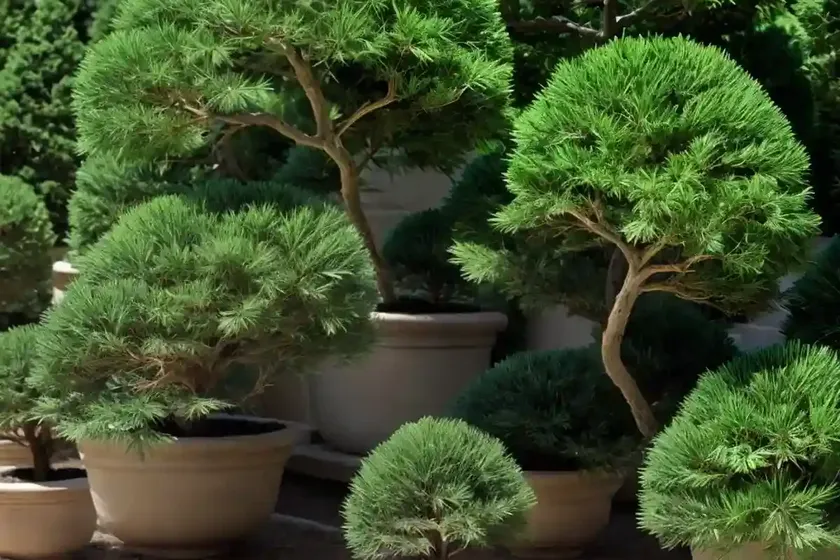
Introduction
As a plant scientist with a passion for exploring the diverse and fascinating world of plants, I am thrilled to delve into the intricate details of the hinoki cypress (Chamaecyparis obtusa ‘Hage’). This distinct variety of Chamaecyparis obtusa, also known as the Japanese cypress, has captured the attention of gardeners and plant enthusiasts worldwide. Its unique characteristics, growth habits, uses, and cultural significance make it an intriguing subject for study.
In this comprehensive guide, we will navigate through the various aspects of hinoki cypress, from its cultural requirements to its uses, common diseases, and maintenance tips. Whether you are a seasoned horticulturist or an avid home gardener, this article aims to provide you with valuable insights into the captivating world of hinoki cypress.
So, let’s embark on a fascinating journey to unravel the secrets of Chamaecyparis obtusa ‘Hage’ and gain a deeper understanding of this remarkable plant species.
What is Hinoki Cypress (Chamaecyparis obtusa ‘Hage’)?
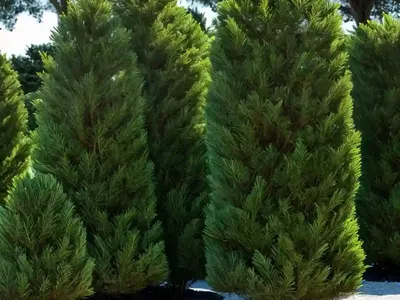
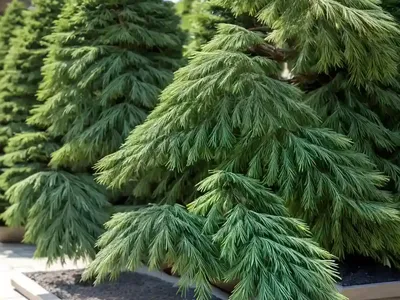
The hinoki cypress, scientifically known as Chamaecyparis obtusa ‘Hage’, is a cultivar of the Chamaecyparis obtusa species. Belonging to the family Cupressaceae, this evergreen conifer is native to Japan, where it holds cultural and historical significance. The ‘Hage’ cultivar is characterized by its compact, dwarf-like form, making it an ideal choice for various landscaping and gardening applications.
This miniaturized variation of the Japanese cypress exhibits a range of unique traits, from its foliage color and texture to its growth patterns and size. As we delve deeper into our exploration of hinoki cypress, we will uncover the diverse aspects that contribute to its appeal and horticultural value.
So, let’s embark on an illuminating journey to understand the key characteristics, culture, uses, and maintenance of Chamaecyparis obtusa ‘Hage’.
Key Takeaways – Hinoki Cypress (Chamaecyparis obtusa ‘Hage’)
Culture
- Water: Hinoki cypress requires regular watering during its initial establishment period, and it thrives in well-drained soils to prevent waterlogging.
- Sunlight: It prefers partial to full sun exposure, although it can tolerate some shade.
- Fertilizer: Proper fertilization with a balanced, slow-release formula can promote healthy growth and vitality.
- Soil: Well-draining, acidic soil with good aeration is ideal for hinoki cypress.
- Pruning: Light pruning may be necessary to shape the plant and remove any dead or diseased branches.
Uses
- Landscaping: Chamaecyparis obtusa ‘Hage’ is prized for its ornamental value in gardens, parks, and landscapes.
- Container Planting: Its compact size makes it an excellent choice for container gardening, allowing for versatile placement in outdoor and indoor settings.
Water
- Needs: Adequate and consistent moisture during the establishment period is crucial for healthy growth.
- Maintenance: Regular monitoring of soil moisture and adjustment of watering frequency based on environmental conditions is essential.
Sunlight
- Requirements: Partial to full sun exposure is preferable for optimum growth and development.
- Tolerance: Hinoki cypress can adapt to moderate shade but may exhibit reduced vigor in low-light conditions.
Fertilizer
- Balanced Nutrition: Application of a balanced, slow-release fertilizer promotes steady growth and overall plant health.
- Timing: Fertilize hinoki cypress in early spring or late winter to support its growth during the active growing season.
Soil
- Quality: Well-draining, acidic soils with good aeration provide an optimal growing environment for hinoki cypress.
- pH: The ideal soil pH for this plant ranges from slightly acidic to neutral.
Pruning
- Purpose: Pruning helps maintain the desired shape and size of the plant while removing any damaged or diseased branches.
- Techniques: Use clean, sharp pruning tools to make precise cuts and minimize stress on the plant.
Propagation
- Methods: Hinoki cypress can be propagated through techniques such as cuttings, layering, and grafting.
- Timing: Propagation is often conducted during the early spring or late summer months.
Container Popularity
- Compact Size: The dwarf nature of Chamaecyparis obtusa ‘Hage’ makes it well-suited for container planting in various settings.
- Versatility: Its adaptability to container growth enhances its popularity for indoor and outdoor use.
Container Common Diseases
- Root Rot: Overwatering and poor drainage can lead to root rot in container-grown hinoki cypress.
- Pests: Regular inspection and preventive measures can help mitigate the risk of pests infesting container plants.
Disease Diagnosis
- Symptoms: Recognizing signs of discoloration, wilting, or abnormal growth can aid in diagnosing potential diseases affecting hinoki cypress.
- Treatment: Prompt identification and targeted treatment measures are essential for managing diseases effectively.
Common Pests
- Aphids: These small, sap-feeding insects can infest hinoki cypress, leading to stunted growth and foliage damage.
- Spider Mites: Regular monitoring and early intervention are vital to prevent spider mite infestations.
Botanist’s Tips
- Cultural Requirements: Understanding the specific cultural needs of hinoki cypress is key to promoting its vitality and resilience.
- Observation: Regular observation of the plant’s growth and appearance enables early detection of potential issues and prompt intervention.
Fun Facts
- Historical Significance: Hinoki cypress has been revered in Japanese culture for centuries, symbolizing longevity and strength.
- Aromatic Qualities: The foliage of Chamaecyparis obtusa ‘Hage’ emits a pleasant fragrance, adding sensory appeal to its presence in gardens and landscapes.
Links to External Resources
- The American Conifer Society
- Royal Horticultural Society
- University Extension Services
- National Gardening Association
Plant Name: Hinoki Cypress (Chamaecyparis obtusa ‘Hage’)
As we continue our exploration of hinoki cypress (Chamaecyparis obtusa ‘Hage’), it is essential to familiarize ourselves with the intricacies of this unique plant species. Let’s delve into the diverse aspects of its cultural requirements, uses, potential challenges, and enriching benefits that contribute to its horticultural value.
Japanese Cypress
The hinoki cypress, also known as the Japanese cypress, holds a revered status in Japanese culture, where it has been cherished for its symbolic significance and versatile uses. This enduring conifer species has been incorporated into various aspects of Japanese traditions and architecture, reflecting its timeless appeal and cultural resonance.
Dwarf Hinoki Cypress
The compact, dwarf-like form of the hinoki cypress cultivar ‘Hage’ makes it an enchanting addition to gardens and landscapes. Its diminutive size and distinctive foliage texture contribute to its visual allure, allowing for creative design possibilities and versatile placement in diverse settings.
Hage Hinoki Cypress
Named after its captivating characteristics, the ‘Hage’ hinoki cypress cultivar embodies elegance and charm, making it a sought-after choice for discerning horticultural enthusiasts. Its graceful presence and ornamental qualities elevate the aesthetic appeal of any environment, fostering a sense of tranquility and natural beauty.
Chamaecyparis Obtusa
As a member of the Chamaecyparis genus, hinoki cypress (Chamaecyparis obtusa) exemplifies the enduring allure of coniferous plants, with its evergreen foliage and enduring resilience. Its botanical classification underscores its ecological significance and contribution to the diverse tapestry of plant life in temperate regions.
Hinoki Cypress Tree
The hinoki cypress, in its tree form, exudes a timeless elegance, with its gracefully branching structure and rich green foliage. Its role as a prominent landscape specimen further enhances its reputation as a symbol of enduring beauty and natural grace.
Hage Hinoki Cypress Care
Caring for the ‘Hage’ hinoki cypress involves understanding its specific needs and providing a nurturing environment that supports its growth and well-being. From appropriate watering practices to strategic pruning and fertilization, attentive care enhances the plant’s vitality and ensures its long-term health.
Hinoki Cypress Varieties
The diverse array of hinoki cypress varieties offers a tapestry of options for horticultural enthusiasts, each with its distinct traits and visual appeal. Exploring the range of varieties enriches the horticultural experience and broadens the creative possibilities for incorporating hinoki cypress into diverse landscapes and garden settings.
Hinoki Cypress Pruning
Pruning hinoki cypress requires a delicate touch and a keen eye for retaining its natural form while shaping its growth. Strategic pruning techniques enable gardeners to enhance the plant’s aesthetic appeal and maintain its health, contributing to its enduring splendor in outdoor spaces.
Chamaecyparis Obtusa ‘Hage’ Characteristics
The unique characteristics of Chamaecyparis obtusa ‘Hage’ encompass its compact size, vibrant foliage, and enduring charm, all of which make it a captivating addition to gardens and landscapes. Embracing these distinctive traits amplifies the visual impact and horticultural value of this enchanting cultivar.
Hinoki Cypress Landscaping
Incorporating hinoki cypress into landscaping designs infuses outdoor spaces with elegance and natural allure. Its versatility in various landscaping themes, from traditional to contemporary, showcases its adaptability and aesthetic appeal in diverse environments.
Miniature Hinoki Cypress
The miniature stature of hinoki cypress cultivars adds a touch of enchanting whimsy to outdoor and indoor settings, evoking a sense of harmony and balance in the garden. Its diminutive form presents intriguing design opportunities and fosters a sense of intimacy in garden spaces.
Hage Hinoki Cypress Size
The compact size of the ‘Hage’ hinoki cypress cultivar makes it an ideal choice for smaller gardens, patio plantings, and container gardening. Its modest footprint enables versatile placement without compromising its ornamental impact.
Hinoki Cypress Bonsai
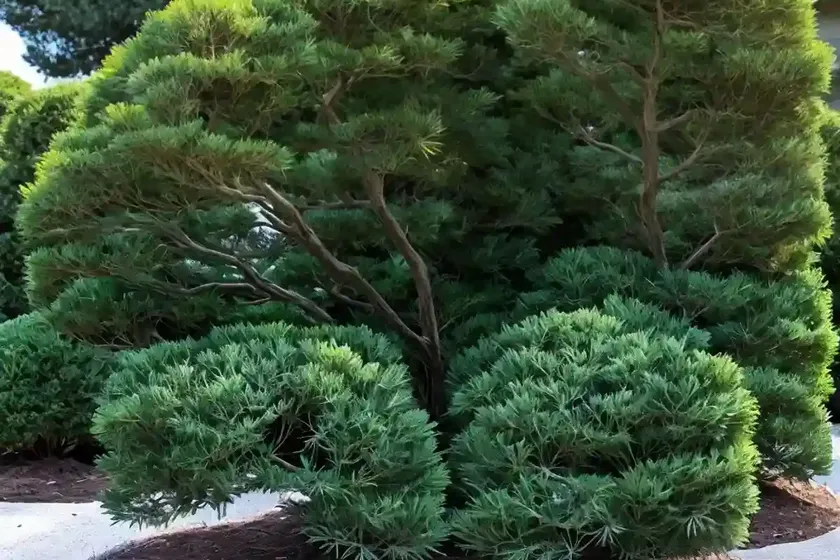
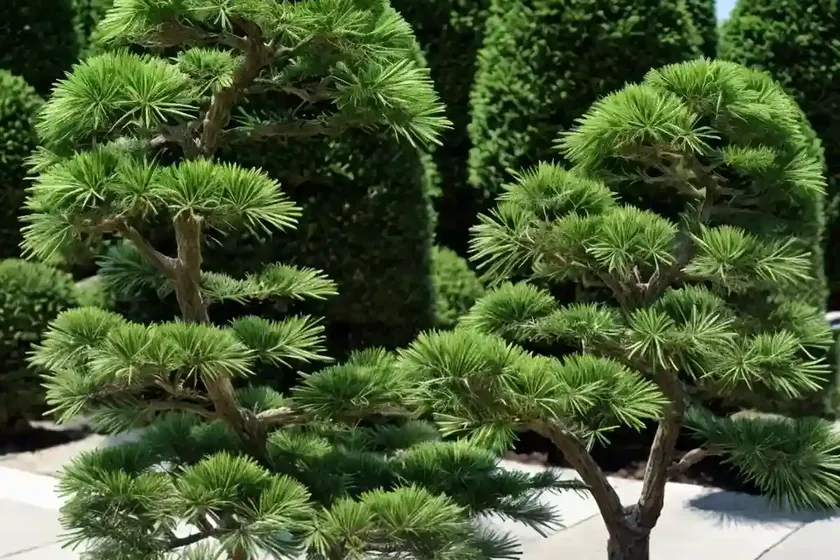
Hinoki cypress lends itself beautifully to the art of bonsai, with its graceful branches and lush foliage contributing to the timeless appeal of miniature landscapes. Cultivating hinoki cypress bonsai embodies the fusion of art and horticulture, creating captivating living sculptures.
Chamaecyparis Obtusa ‘Hage’ Growth Habits
Understanding the growth habits of Chamaecyparis obtusa ‘Hage’ is essential for designing and maintaining harmonious garden spaces. Its natural tendencies and developmental patterns inform strategic placement and care protocols to optimize its visual impact and longevity.
Hinoki Cypress Benefits
The invaluable benefits of hinoki cypress encompass its aesthetic contributions, sensory appeal, and ecological significance, enhancing the overall well-being of garden environments and the experiences of those who interact with it.
Hage Hinoki Cypress Maintenance
Regular maintenance practices, such as watering, fertilizing, and monitoring for pests and diseases, uphold the health and vitality of the ‘Hage’ hinoki cypress. Attentive care fosters its enduring beauty and resilience, ensuring its enduring presence in outdoor and indoor settings.
Dwarf Japanese Cypress
The enchanting allure of dwarf Japanese cypress cultivars, including ‘Hage’, captivates gardeners and plant enthusiasts with their graceful forms and timeless appeal. Incorporating these diminutive gems into horticultural endeavors enriches the visual tapestry and sensory experiences within garden spaces.
Hage Hinoki Cypress for Sale
The availability of ‘Hage’ hinoki cypress for purchase offers an opportunity for plant enthusiasts and horticultural professionals to integrate its captivating presence into various projects, fostering a sense of natural beauty and tranquility in diverse settings.
Hinoki Cypress Diseases
Understanding potential diseases affecting hinoki cypress is essential for implementing preventive strategies and targeted treatments to safeguard its health and vitality. Early detection and intervention are crucial for managing diseases effectively.
Chamaecyparis Obtusa ‘Hage’ Foliage
The lush foliage of Chamaecyparis obtusa ‘Hage’ enriches garden spaces with its vibrant green hues and delicate textures, contributing to the sensory appeal and visual harmony of outdoor environments.
Hinoki Cypress Cultivation
Cultivating hinoki cypress involves mindful consideration of its specific cultural requirements and environmental preferences, ensuring its adaptation and flourishing in various garden settings.
Hage Hinoki Cypress Fertilizer
Applying the appropriate fertilizer to ‘Hage’ hinoki cypress promotes steady growth and vitality, enhancing its ornamental value in gardens and landscapes.
Hinoki Cypress Landscape Design
Incorporating hinoki cypress into landscape designs offers a tapestry of creative opportunities, enriching outdoor spaces with its timeless elegance and natural allure.
Chamaecyparis Obtusa ‘Hage’ Characteristics
The distinctive characteristics of Chamaecyparis obtusa ‘Hage’, from its compact size to its vibrant foliage color, contribute to its enduring charm and horticultural value.
Hinoki Cypress in Pots
The adaptability of hinoki cypress to container planting allows for versatile placement in various outdoor and indoor settings, enhancing the aesthetic appeal of garden spaces.
Hinoki Cypress Uses
The diverse uses of hinoki cypress encompass its ornamental contributions to gardens, landscapes, and indoor settings, fostering a sense of natural beauty and tranquility.
Hage Hinoki Cypress in Garden
Incorporating ‘Hage’ hinoki cypress into garden designs enhances the visual impact and sensory experiences within outdoor spaces, creating captivating focal points and harmonious compositions.
Hinoki Cypress Growth Rate
Understanding the growth rate of hinoki cypress informs strategic planning and maintenance practices to optimize its development and longevity in garden environments.
Chamaecyparis Obtusa ‘Hage’ Care Tips
Effective care tips for Chamaecyparis obtusa ‘Hage’ encompass watering practices, soil management, pruning techniques, and pest control measures to ensure its enduring health and vitality.
Hinoki Cypress Outdoor Planting
Planting hinoki cypress in outdoor environments requires thoughtful consideration of its cultural needs and the creation of conducive growing conditions to support its long-term well-being.
Hinoki Cypress Evergreen
As an evergreen conifer, hinoki cypress exhibits enduring greenery throughout the year, enriching garden spaces with its timeless beauty and natural grace.
Hage Hinoki Cypress Variety
The distinctive variety of ‘Hage’ hinoki cypress captivates horticultural enthusiasts with its compact size, lush foliage, and visually appealing form, enhancing the aesthetic appeal of garden and landscape settings.
Hinoki Cypress Soil Requirements
Meeting the soil requirements of hinoki cypress, including well-draining and acidic soil conditions, fosters its adaptation and vitality in garden environments.
Chamaecyparis Obtusa ‘Hage’ Foliage Color
The vibrant foliage color of Chamaecyparis obtusa ‘Hage’ enriches garden spaces with its lush green hues, contributing to the visual appeal and sensory experiences within outdoor environments.
Hinoki Cypress Hedge
Creating hedges with hinoki cypress offers an opportunity to delineate garden spaces and enhance the sense of privacy and tranquility within outdoor environments.
Hinoki Cypress Water Needs
Appropriate moisture management and regular watering practices are essential for meeting the water needs of hinoki cypress and ensuring its enduring health and vitality.
Hage Hinoki Cypress Landscape Ideas
Exploring landscape ideas featuring ‘Hage’ hinoki cypress inspires creative expressions and design concepts, enriching outdoor spaces with aesthetic allure and natural harmony.
Hinoki Cypress Pest Control
Vigilant pest control measures, including monitoring and early intervention, help safeguard hinoki cypress from potential pest infestations, preserving its health and visual appeal.
Chamaecyparis Obtusa ‘Hage’ Sunlight Requirements
Understanding the sunlight requirements of Chamaecyparis obtusa ‘Hage’ informs strategic placement and care practices to optimize its overall growth and development.
Hinoki Cypress Container Gardening
Incorporating hinoki cypress into container gardening offers a versatile approach to creating captivating displays and incorporating natural beauty into indoor and outdoor settings.
Hage Hinoki Cypress Cold Hardiness
The cold hardiness of ‘Hage’ hinoki cypress allows it to withstand varying climatic conditions, enhancing its adaptability and resilience in diverse garden environments.
Hinoki Cypress Natural Habitat
Exploring the natural habitat of hinoki cypress provides insights into its native range and ecological associations, enriching our appreciation of its enduring significance.
Hinoki Cypress Leaf Characteristics
The distinctive leaf characteristics of hinoki cypress, including texture and color, contribute to its visual appeal and sensory allure within garden and landscape settings.
Chamaecyparis Obtusa ‘Hage’ Common Uses
The common uses of Chamaecyparis obtusa ‘Hage’ encompass its ornamental contributions to gardens, landscapes, and indoor environments, fostering a sense of natural beauty and tranquility.
Hinoki Cypress Fragrance
The aromatic qualities of hinoki cypress foliage add a sensory dimension to garden spaces, enveloping outdoor environments with a captivating fragrance that enriches the overall experience.
Hage Hinoki Cypress in Japanese Gardens
The presence of ‘Hage’ hinoki cypress in Japanese gardens showcases its enduring cultural significance and visual appeal, creating captivating focal points within traditional garden designs.
Hinoki Cypress Winter Care
Implementing winter care practices for hinoki cypress safeguards its health and vitality during the colder months, ensuring its resilience and readiness for the coming spring season.
Hinoki Cypress Leaf Drop
Understanding the natural leaf drop patterns of hinoki cypress informs gardeners about its seasonal changes and overall growth dynamics, contributing to effective care practices.
Chamaecyparis Obtusa ‘Hage’ Pruning Techniques
Applying precise pruning techniques to ‘Hage’ hinoki cypress maintains its natural form and aesthetic appeal, fostering its enduring beauty in garden and landscape settings.
Hinoki Cypress Companion Plants
Selecting companion plants that complement the visual attributes and cultural needs of hinoki cypress enhances the overall harmony and ecological balance within garden environments.
In conclusion, the exploration of hinoki cypress (Chamaecyparis obtusa ‘Hage’) offers a captivating journey into the rich tapestry of plant diversity and horticultural significance. As a plant scientist, I am delighted to share my insights and knowledge about this remarkable plant species, aiming to inspire and inform fellow enthusiasts and horticultural professionals.
I hope this comprehensive guide provides valuable and enriching perspectives on the cultural, uses, and maintenance aspects of Chamaecyparis obtusa ‘Hage’, fostering a deeper appreciation for its timeless elegance and ornamental value in garden and landscape settings.
Thank you for accompanying me on this enlightening exploration of hinoki cypress, and I invite you to continue discovering the diverse wonders of the plant kingdom.
References:
1. The American Conifer Society (https://conifersociety.org/)
2. Royal Horticultural Society (https://www.rhs.org.uk/)
3. University Extension Services (https://extension.umn.edu/planting-and-growing-guides/container-gardening)
4. National Gardening Association (https://garden.org/)