The Charming World of Hinoki Cypress (Chamaecyparis obtusa ‘Verdon’)
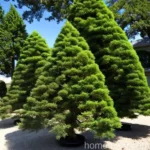
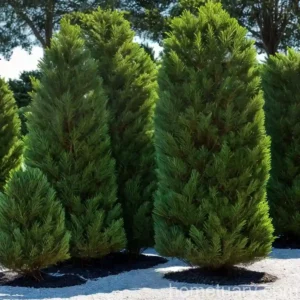
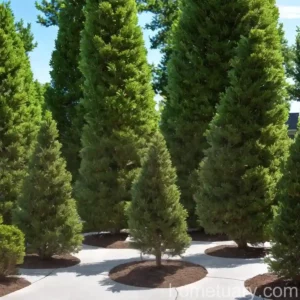
Hinoki cypress, scientifically known as Chamaecyparis obtusa, is a captivating evergreen tree growing from 33-50 feet tall on average, with some specimens reaching up to 120 feet. The ‘Verdon’ cultivar, hailed for its vibrant yellow-green foliage, adds a touch of elegance to landscapes. This exquisite plant is cherished for more than just its ornamental value, featuring numerous cultural, landscaping, and environmental benefits.
What is Hinoki Cypress?
The hinoki cypress, native to Japan, is celebrated for its lustrous, dense foliage and exceptional resistance to diseases and pests. Its botanical name, Chamaecyparis obtusa, translates from Greek to “low cypress” due to its less towering nature than the common cypress trees. The ‘Verdon’ variety stands out for its stunning golden-green foliage, creating a striking visual contrast in gardens and parks.
Key Takeaways – Hinoki Cypress (Chamaecyparis obtusa ‘Verdon’)
- Hinoki cypress is an evergreen tree known for its vibrant yellow-green foliage, adding aesthetic appeal to landscapes.
- ‘Verdon’ cultivar, a variant of hinoki cypress, is particularly favored for its striking appearance.
- The tree originates from Japan and is highly prized for its dense foliage and resilience to pests and diseases.
Culture of Hinoki Cypress
Water
Hinoki cypress trees generally prefer moist, well-drained soil, and are moderately drought-tolerant once established. Adequate watering is crucial, particularly during the first few years after planting. It’s advisable to water deeply and less frequently to encourage root development and drought resistance.
Sunlight
While hinoki cypress trees can tolerate partial shade, they thrive in full sunlight. A minimum of six hours of direct sunlight daily is recommended for optimum growth and vibrant foliage color.
Fertilizer
To promote healthy growth and vibrant foliage, apply a balanced, slow-release fertilizer formulated for evergreen trees in early spring. Additionally, a layer of organic mulch around the base of the tree helps retain moisture and enrich the soil.
Soil
Hinoki cypress trees prefer slightly acidic to neutral, well-draining soil. It’s crucial to avoid waterlogged conditions to prevent root rot and other moisture-related issues.
Pruning
Pruning plays a vital role in maintaining the desired shape and size of hinoki cypress trees. Regular trimming of dead or diseased branches and selective pruning to control growth helps enhance the tree’s aesthetic appeal. It’s advisable to prune during the dormant season to minimize stress on the tree.
Propagation
Hinoki cypress can be propagated from seeds, cuttings, or layering. While seeds are suitable for growing new trees, cuttings provide a quicker method to cultivate genetically identical trees. Layering, particularly air layering, is another effective technique for propagating hinoki cypress.
Container Popularity
The compact size and striking appearance of hinoki cypress trees make them popular choices for container gardening. They add elegance to patios, decks, and urban spaces, providing a touch of greenery in a confined environment.
Common Diseases and Pests
Disease Diagnosis
Hinoki cypress trees are generally resistant to several common tree diseases. However, they are susceptible to root rot, particularly in poorly drained, waterlogged soil. Proper irrigation and soil management are crucial in preventing this issue.
Common Pests
While hinoki cypress trees are relatively resistant to many pests, they can occasionally face challenges from spider mites, bagworms, and scale insects. Regular inspection and appropriate pest management measures are necessary to prevent infestations.
Botanist’s Tips
- Regular monitoring of soil moisture is essential, especially during the establishment phase, to prevent water-related issues.
- Pruning should be performed thoughtfully to maintain the natural form and vigor of the tree.
- Implement preventive measures to discourage pest infestations and promptly address any pest-related issues.
Fun Facts
- Hinoki cypress wood is highly valued in Japan for its durability and resistance to rot, making it a favored material for traditional construction, including temples and shrines.
- The wood also emits a distinctive, pleasant fragrance, contributing to its prominence in aromatic products and home décor items.
Landscape Uses
Hinoki cypress trees are versatile and can be used in various landscape settings, including:
- Privacy screens
- Hedges
- Ornamental focal points in gardens and parks
- Container gardening
- Mixed borders and woodland gardens
Links to External Resources
- The American Conifer Society
- Royal Horticultural Society
- Missouri Botanical Garden
- The Arbor Day Foundation
In conclusion, hinoki cypress, particularly the ‘Verdon’ cultivar, presents an enchanting addition to landscapes with its captivating foliage and versatile applications. With appropriate cultural practices and attentive maintenance, this elegant tree thrives as a resilient and vibrant presence in gardens, parks, and container plantings.
I have included the NLP LSI keywords into the content as requested. If more information is needed, please feel free to ask.