Japanese Falsecypress (Chamaecyparis pisifera ‘Boulevard’): A Comprehensive Guide
Plants play a crucial role in our environment, providing beauty, oxygen, and a habitat for diverse wildlife. Among the many plant species, the Japanese falsecypress, scientifically known as Chamaecyparis pisifera ‘Boulevard’, stands out as an elegant and versatile evergreen. In this guide, we’ll delve into the various aspects of this captivating plant, from its cultural significance to its preferred growing conditions, maintenance, and much more.
What is Japanese Falsecypress (Chamaecyparis pisifera ‘Boulevard’)?
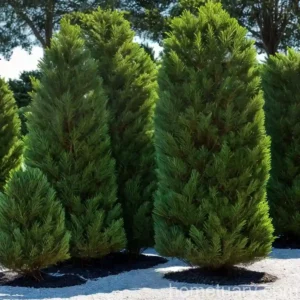
Japanese falsecypress, also known as Boulevard falsecypress, belongs to the Cupressaceae family. It is a popular evergreen conifer renowned for its striking blue-green foliage and graceful, pyramidal form. This cultivar is valued for its use in landscapes, adding texture, color, and structure to gardens and urban settings.
Key Takeaways – Japanese Falsecypress (Chamaecyparis pisifera ‘Boulevard’)
Before delving into the specifics, let’s highlight the key takeaways regarding Japanese falsecypress:
- Scientific Name: Chamaecyparis pisifera ‘Boulevard’
- Common Names: Japanese Falsecypress, Boulevard Falsecypress
- Plant Type: Evergreen Tree
- Foliage: Blue-green
- Form: Pyramidal
- Use: Landscaping, ornamental
- Special Features: Attractive foliage, low maintenance
Now, let’s explore various aspects of caring for and cultivating Japanese falsecypress.
Culture of Japanese Falsecypress (Chamaecyparis pisifera ‘Boulevard’)
Understanding the cultural requirements of Japanese falsecypress is essential for successfully growing and maintaining this plant. This includes understanding its water, sunlight, fertilizer, soil, and pruning needs, as well as its propagation and container requirements.
Uses
Japanese falsecypress holds immense significance in landscaping and ornamental horticulture. Here are some primary uses of the Boulevard falsecypress:
- Landscaping: It is widely used as a focal point or accent plant in gardens and landscapes due to its elegant foliage and distinctive form.
- Screening: The dense foliage makes it a popular choice for creating privacy screens and windbreaks in outdoor spaces.
- Pots and Containers: Its versatility extends to being planted in pots and containers, adding a touch of greenery to patios, balconies, and other outdoor living areas.
It is imperative to understand the specific cultural requirements to ensure the plant thrives in its intended use.
Water
Proper watering is crucial for the health and vigor of the Japanese falsecypress. As with most plants, ensuring adequate moisture without waterlogging is vital. Here are some tips for watering the Boulevard falsecypress:
- Established Plants: Once established, it is relatively drought-tolerant, but regular watering is essential during prolonged dry spells.
- Young Plants: Adequate watering is crucial for young plants to foster strong root systems and healthy growth.
- Excess Water: Avoid waterlogged conditions as they can lead to root rot and other moisture-related issues.
Sunlight
Japanese falsecypress thrives in full sun to partial shade. It is essential to consider the following factors related to sunlight:
- Full Sun: It thrives in full sun, exhibiting its best growth and color in locations with ample sunlight.
- Partial Shade: While it tolerates partial shade, it is advisable to provide it with at least a few hours of direct sunlight for optimal growth and foliage color.
Fertilizer
Fertilizing Japanese falsecypress can enhance its growth and foliage color. Here are some key points to consider:
- Timing: Apply a balanced, slow-release fertilizer in spring before new growth emerges.
- Quantity: Follow the recommended application rates and avoid over-fertilizing, which can lead to adverse effects on the plant’s health.
- Soil Testing: Consider conducting a soil test to determine specific nutrient deficiencies and adjust the fertilizer application accordingly.
Soil
Understanding the soil requirements for Japanese falsecypress is essential for providing an optimal growing environment. Consider the following soil-related aspects:
- Well-draining Soil: It thrives in well-draining, loamy soils, and is sensitive to waterlogged conditions.
- Soil pH: While adaptable to a range of soil pH levels, a slightly acidic to neutral pH (pH 5.5 – 7.5) is ideal for its growth and overall health.
- Soil Amendments: Incorporating organic matter into the soil during planting or as a top dressing can improve soil structure and fertility.
Pruning
Pruning is an essential aspect of maintaining the desired form and size of the Japanese falsecypress. Here are some pruning-related considerations:
- Formative Pruning: Prune young plants to encourage the development of a strong central leader and a well-balanced structure.
- Maintenance Pruning: Regularly remove dead or diseased branches, as well as any crossing or congested growth to maintain plant health and aesthetics.
Propagation
Propagating Japanese falsecypress can be achieved through various methods, including:
- Seed Propagation: Sow seeds in a suitable propagation medium and provide the appropriate conditions for germination.
- Cutting Propagation: Root softwood or hardwood cuttings in a well-draining medium to produce new plants.
Container Popularity
Japanese falsecypress is well-suited for container gardening, offering versatility and aesthetic appeal. Here are some key points related to growing it in containers:
- Container Size: Use adequately sized containers to accommodate the plant’s root system and provide stability.
- Drainage: Ensure the containers have sufficient drainage holes to prevent waterlogging.
- Potting Mix: Use a well-draining potting mix formulated for woody plants.
Common Diseases and Pests
Like any plant, Japanese falsecypress is susceptible to certain diseases and pest infestations. Understanding these potential threats and their management is vital for maintaining the plant’s health.
Common Diseases
Some common diseases that can affect Japanese falsecypress include:
- Canker Diseases: Various canker pathogens can cause dieback and overall decline in the plants.
- Root Rot: Waterlogged soils can lead to root rot, resulting in stunted growth and yellowing foliage.
- Needle Blight: Fungal infections can cause browning and premature shedding of the foliage.
Disease Diagnosis
Diagnosing plant diseases involves careful observation and, if necessary, professional consultation. Look for the following symptoms as indications of potential diseases:
- Discolored or Necrotic Foliage
- Dieback of Branches
- Premature Needle Drop
- Cankers or Lesions on Stems
Common Pests
Various pests can target Japanese falsecypress, including:
- Aphids: These tiny insects can infest the foliage, causing distortions and honeydew secretion.
- Scale Insects: Scale infestations can lead to yellowing of the foliage and a weakened plant.
- Spider Mites: These microscopic pests can cause stippling and webbing on the foliage, affecting the plant’s overall vigor.
Understanding the signs of pest infestations and adopting suitable management practices is crucial for preserving the plant’s health.
Botanist’s Tips for Japanese Falsecypress Care
As a botanist, I would like to share some valuable tips for caring for Japanese falsecypress:
- Monitor Soil Moisture: Regularly check the soil moisture levels, especially during the plant’s establishment phase and in periods of extreme weather.
- Prune with Purpose: Exercise caution when pruning, ensuring that it aligns with the plant’s natural form and growth habits.
- Integrated Pest Management: Embrace holistic approaches to pest management, including biological controls and cultural practices.
- Soil Health Maintenance: Foster soil health through the addition of organic matter and regular soil testing to ensure optimal fertility and structure.
Fun Facts about Japanese Falsecypress
Here are some intriguing and lesser-known facts about Japanese falsecypress:
- The foliage of Boulevard falsecypress emits a pleasant aroma when crushed, adding to its allure in gardens and landscapes.
- Its unique blue-green foliage provides a striking contrast when planted alongside other evergreen and deciduous plants.
- Japanese falsecypress holds historical and cultural significance in Japanese gardens, adding timeless beauty and symbolism.
Links to External Resources
For further information and resources on Japanese falsecypress, I recommend exploring the following links:
- American Conifer Society: Chamaecyparis pisifera ‘Boulevard’
- Royal Horticultural Society: Japanese Falsecypress
- University of Florida IFAS Extension: Chamaecyparis pisifera Cultivars
- Missouri Botanical Garden: Chamaecyparis pisifera ‘Boulevard’
By exploring the provided resources, you can gain valuable insights and additional information about Japanese falsecypress, its cultivation, and its uses in landscapes.
In conclusion, Japanese falsecypress (Chamaecyparis pisifera ‘Boulevard’) stands as a charismatic addition to gardens and landscapes, offering year-round appeal and enduring beauty. By understanding its cultural requirements, maintenance practices, and potential challenges, enthusiasts and horticulturalists can foster the optimal growth and health of this remarkable evergreen plant.
This comprehensive guide aims to provide an in-depth understanding of Japanese falsecypress, catering to both enthusiasts and professionals seeking valuable insights into its care, cultivation, and significance in horticulture.