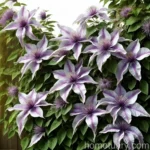
Clematis recta ‘Purpurea’: A Comprehensive Guide to Growing and Caring for this Beautiful Plant
As a plant scientist, I am delighted to share insights on one of the most captivating and visually appealing plants – the Clematis recta ‘Purpurea’. In this comprehensive guide, we will delve into the various aspects of this plant’s care, cultivation, and unique characteristics. Whether you are an experienced gardener or a novice looking to enhance your green thumb, this guide will equip you with the knowledge and techniques needed to successfully grow and care for Clematis recta ‘Purpurea’.
What is Clematis recta ‘Purpurea’?
Clematis recta ‘Purpurea’, commonly known as purple clematis or ground clematis, is a herbaceous perennial plant belonging to the Ranunculaceae family. This plant is lauded for its stunning foliage and beautiful blooms, making it a prized addition to gardens and landscapes. The ‘Purpurea’ variety is particularly cherished for its vibrant purple leaves, adding a striking visual element to any setting.
Key Takeaways:
Before we delve into the intricacies of caring for Clematis recta ‘Purpurea’, let’s take a look at some key takeaways that will guide our discussion:
- Common Name: Purple Clematis, Ground Clematis
- Scientific Name: Clematis recta ‘Purpurea’
- Foliage: Vibrant purple leaves
- Bloom Time: Late spring to early summer
- Flower Color: White
- Plant Type: Herbaceous perennial
- Hardiness Zone: 5-9
- Mature Height: 2-4 feet
- Exposure: Full sun to partial shade
- Soil Preference: Well-draining, fertile soil
- Uses: Ornamental, medicinal
- Key Features: Attractive foliage, compact growth habit
Now that we have an overview of the plant, let’s explore the specific care and cultivation practices required to ensure the healthy growth and flourishing of Clematis recta ‘Purpurea’.
Culture
The culture of Clematis recta ‘Purpurea’ encompasses the various environmental and care-related factors that contribute to its overall well-being. Understanding the plant’s cultural requirements is essential for creating an optimal growing environment.
Uses
Clematis recta ‘Purpurea’ exhibits versatile uses, ranging from ornamental purposes to potential medicinal properties. Let’s explore the primary uses of this captivating plant:
-
Ornamental Beauty: The vibrant purple foliage and delicate white flowers make Clematis recta ‘Purpurea’ a visually striking addition to gardens and landscapes. Whether used as a standalone specimen or incorporated into mixed borders, this plant can elevate the aesthetic appeal of any setting.
-
Medicinal Potential: While the ‘Purpurea’ variety is primarily prized for its ornamental value, some clematis species have been traditionally used in herbal medicine. However, it’s crucial to exercise caution and seek professional guidance before exploring any potential medicinal uses of Clematis recta ‘Purpurea’.
Water
Proper watering is essential to ensure the health and vigor of Clematis recta ‘Purpurea’. Understanding the plant’s water requirements is pivotal for preventing issues related to overwatering or underwatering.
-
Watering Frequency: Clematis recta ‘Purpurea’ benefits from regular watering, especially during the establishment phase and periods of drought. While it appreciates consistent moisture, it’s important to avoid waterlogged conditions, which can lead to root rot.
-
Soil Moisture: The soil should be kept consistently moist but not waterlogged. A layer of organic mulch can help retain soil moisture and reduce water evaporation, particularly during warm weather.
-
Drought Tolerance: Once established, Clematis recta ‘Purpurea’ exhibits a degree of drought tolerance. However, prolonged periods of drought can affect the plant’s overall health and may lead to reduced flower production.
Sunlight
Proper exposure to sunlight plays a crucial role in determining the growth, flowering, and overall vitality of Clematis recta ‘Purpurea’.
-
Sun Requirements: Clematis recta ‘Purpurea’ thrives in full sun to partial shade. While it can tolerate partial shade, providing ample sunlight encourages robust growth and enhances the vibrancy of its purple foliage.
-
Morning Sun, Afternoon Shade: In regions with hot climates, providing morning sun and afternoon shade can help protect the plant from excessive heat and prevent potential leaf scorching.
-
Optimal Placement: When selecting a planting location, aim to provide Clematis recta ‘Purpurea’ with direct or filtered sunlight for several hours each day. This optimizes its photosynthetic capabilities and supports healthy growth.
Fertilizer
Nutrient supplementation through fertilization is essential for promoting strong, healthy growth and encouraging prolific flowering in Clematis recta ‘Purpurea’.
-
Fertilizer Type: A balanced, all-purpose fertilizer with a relatively equal ratio of nitrogen, phosphorus, and potassium can support the nutritional needs of Clematis recta ‘Purpurea. Opt for a slow-release fertilizer to provide gradual and sustained nourishment to the plant.
-
Application Timing: Apply fertilizer in early spring as new growth emerges, and again in mid-summer to bolster the plant’s energy reserves for the flowering period.
-
Soil Amendment: Incorporating organic matter such as compost into the soil can also enhance the soil’s fertility and provide a supplementary source of nutrients for the plant.
Soil
The soil composition and structure significantly influence the growth, development, and overall health of Clematis recta ‘Purpurea’. Understanding the ideal soil conditions for this plant is crucial for fostering optimal growth.
-
Well-Draining Soil: Clematis recta ‘Purpurea’ thrives in well-draining soil that prevents water from accumulating around the roots. Amend heavy or compacted soils with organic matter to improve drainage and create a more hospitable growing environment.
-
Fertile Soil: The plant prospers in fertile soil rich in organic nutrients. Adding compost, aged manure, or other organic amendments can enhance soil fertility and provide essential nutrients for the plant’s growth.
-
pH Range: Clematis recta ‘Purpurea’ prefers slightly acidic to neutral soil with a pH range of 6.5 to 7.0. Conducting a soil test can help determine the existing pH level and guide any necessary adjustments.
Pruning
Pruning is a fundamental aspect of Clematis recta ‘Purpurea’ care, playing a pivotal role in maintaining its form, promoting healthy growth, and encouraging abundant flowering.
-
Pruning Schedule: Clematis recta ‘Purpurea’ is typically pruned in late winter to early spring before new growth emerges. This allows for the removal of dead or damaged wood and promotes vigorous regrowth during the upcoming growing season.
-
Pruning Techniques: Prune the plant to maintain its desired shape, remove any weak or crossing stems, and encourage the development of new flowering wood. Ensure that pruning tools are sharp and sterilized to prevent the spread of diseases or pathogens.
-
Blooming Habit: Pay attention to the plant’s blooming habit when pruning. Clematis recta ‘Purpurea’ blooms on new wood, so pruning in late winter or early spring does not interfere with the flowering potential.
Propagation
The propagation of Clematis recta ‘Purpurea’ enables gardeners to expand their plant collections and share the beauty of this captivating species with others. Understanding the various propagation methods is essential for successfully reproducing the plant.
-
Seed Propagation: Clematis recta ‘Purpurea’ can be propagated from seeds, though this method may require patience as it can take time for the plants to reach maturity and flowering age.
-
Division: Dividing established clumps of Clematis recta ‘Purpurea’ enables the creation of new plants. This method is particularly useful for rejuvenating older plants and managing their size.
-
Softwood Cuttings: Propagating from softwood cuttings taken from new growth in late spring or early summer can yield viable plant starts. Ensure that the cuttings receive adequate moisture and warmth to foster root development.
Container Popularity
The compact growth habit and ornamental appeal of Clematis recta ‘Purpurea’ make it well-suited for container cultivation. Whether used on patios, balconies, or terraces, the plant can thrive and enhance the aesthetics of its surroundings.
-
Container Selection: Choose a spacious container with adequate drainage holes to accommodate the root system of Clematis recta ‘Purpurea’. The container should be large enough to provide ample space for root growth and stability.
-
Soil Considerations: Use well-draining potting soil when planting Clematis recta ‘Purpurea in containers. Incorporate a layer of gravel or coarse sand at the base of the container to facilitate drainage and prevent waterlogging.
-
Placement: Position the container in a location that receives optimal sunlight, ensuring that the plant has access to the light it requires for robust growth and vibrant foliage.
Common Diseases
While largely resilient, Clematis recta ‘Purpurea’ is susceptible to certain diseases that can impact its vigor and overall health. Familiarizing yourself with common diseases and their management is essential for proactive care.
-
Fungal Infections: Issues such as powdery mildew and leaf spots can affect the foliage of Clematis recta ‘Purpurea’. Providing proper air circulation and promptly addressing any signs of fungal infections can mitigate the impact of these diseases.
-
Root Rot: Prolonged exposure to waterlogged soil can lead to root rot, jeopardizing the plant’s health. Ensuring proper drainage and avoiding overwatering are crucial in preventing this issue.
Disease Diagnosis
Identifying potential diseases and ailments affecting Clematis recta ‘Purpurea requires keen observation and an understanding of common symptoms associated with various health issues.
-
Visual Symptoms: Look for signs such as discolored or distorted leaves, powdery white patches on the foliage, or wilting, which can indicate potential disease or pest pressures.
-
Professional Consultation: If you suspect that your Clematis recta ‘Purpurea’ is affected by a disease, seek guidance from a horticultural professional or plant pathologist for an accurate diagnosis and tailored management strategies.
Common Pests
Pest infestations can compromise the health and aesthetics of Clematis recta ‘Purpurea. Understanding the common pests that may target this plant is essential for proactive pest management.
-
Aphids: These small, sap-sucking insects can cluster on the new growth and tender shoots of Clematis recta ‘Purpurea, leading to distortion and stunted growth.
-
Spider Mites: These minuscule pests may infest the undersides of the plant’s leaves, causing stippling and discoloration as they feed on the plant’s sap.
-
Caterpillars: Certain caterpillar species may feed on the foliage of Clematis recta ‘Purpurea, potentially causing noticeable damage if left unchecked.
-
Pest Prevention: Regularly inspect your plants for signs of pest activity and implement proactive measures such as introducing beneficial insects or applying organic pest control solutions when necessary.
Botanist’s Tips
As a botanist specializing in plant care and cultivation, I offer the following tips to enhance your success in growing and caring for Clematis recta ‘Purpurea’:
-
Optimal Watering: Monitor soil moisture levels and adjust your watering practices as needed, ensuring that the plant receives adequate moisture without being waterlogged.
-
Sunlight Balance: Strike a balance between providing ample sunlight and offering protection from excessive heat, especially in regions with intense summer conditions.
-
Pruning Precision: Approach pruning with precision, focusing on the removal of dead or weak growth while retaining healthy stems to promote the plant’s natural form and flowering prowess.
-
Nutrient Consideration: Regularly assess the plant’s nutritional needs and administer balanced fertilization to support robust growth, especially during active growth phases.
-
Vigilant Monitoring: Routinely inspect your Clematis recta ‘Purpurea’ for signs of pests, diseases, or environmental stress, intervening promptly to address any issues that arise.
-
Support Structures: Provide sturdy and aesthetically pleasing support structures, such as trellises or arbors, to guide the climbing habit of Clematis recta ‘Purpurea and showcase its beauty.
Fun Facts
Uncover some intriguing and lesser-known facts about Clematis recta ‘Purpurea’ that highlight its unique attributes and characteristics:
-
Historical Significance: Certain clematis species have historical significance, with some varieties being mentioned in ancient texts and folklore for their perceived medicinal and mystical properties.
-
Wildlife Attraction: The vibrant blooms of Clematis recta ‘Purpurea’ can attract pollinators such as butterflies, bees, and other beneficial insects, contributing to the ecological vitality of its surroundings.
-
Foliage Color Evolution: The purple foliage of Clematis recta ‘Purpurea’ intensifies in coloration as the plant receives ample sunlight, adding to its visual allure and ornamental appeal.
-
Cultural Symbolism: In various cultures, clematis plants have been associated with symbolism such as mental beauty, artistry, and expressive freedom, adding depth to their horticultural significance.
Now that we’ve explored the various aspects of growing and caring for Clematis recta ‘Purpurea’, it’s essential to provide access to external resources for further information and guidance on this captivating plant.
Links to External Resources
Explore the following links to access additional information and expert insights on Clematis recta ‘Purpurea’:
- Royal Horticultural Society – Clematis care
- University of Maryland Extension – Growing Clematis
- American Horticultural Society – Clematis Pruning Demystified
- North Carolina State University – Clematis Diseases
- The American Clematis Society
By referring to these reputable resources, you can access valuable information, tips, and best practices related to Clematis recta ‘Purpurea’ care, cultivation, and maintenance.
In conclusion, the cultivation and care of Clematis recta ‘Purpurea’ offer a rewarding horticultural journey, showcasing the plant’s ornamental beauty, resilience, and diverse uses. With the knowledge and insights shared in this comprehensive guide, you are well-equipped to embark on a fulfilling and successful experience in growing and nurturing this captivating plant.
Remember to infuse your care and attention into the process, and you will be rewarded with the stunning display of purple foliage and delicate white flowers offered by Clematis recta ‘Purpurea’.
Happy gardening!
Note: This blog post is intended for informational purposes only and does not constitute professional horticultural or botanical advice. Always consult with local gardening experts and horticulturists for personalized guidance and recommendations tailored to your specific growing conditions and requirements.
References:
– “Royal Horticultural Society – Clematis care” [https://www.rhs.org.uk/advice/profile?pid=222]
– “University of Maryland Extension – Growing Clematis” [https://extension.umd.edu/hgic/topics/clematis]
– “American Horticultural Society – Clematis Pruning Demystified” [https://ahsgardening.org/gardening-resources/clematis-pruning-dymystified/]
– “North Carolina State University – Clematis Diseases” [https://content.ces.ncsu.edu/clematis-diseases]
– “The American Clematis Society” [https://www.clematis.org/]