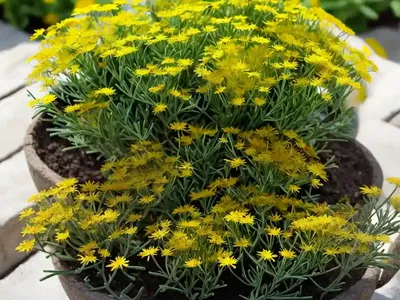
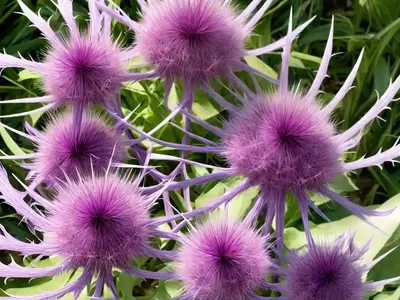
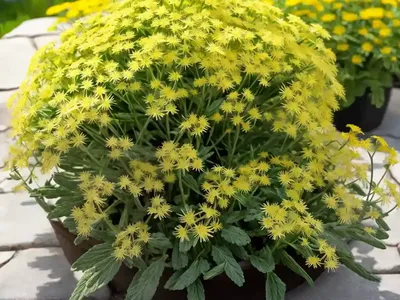
Chrysanthemum (Chrysanthemum Zawadskii)
Chrysanthemum, known scientifically as Chrysanthemum zawadskii, is a beautiful and popular flowering plant that has been cultivated for centuries. With a.
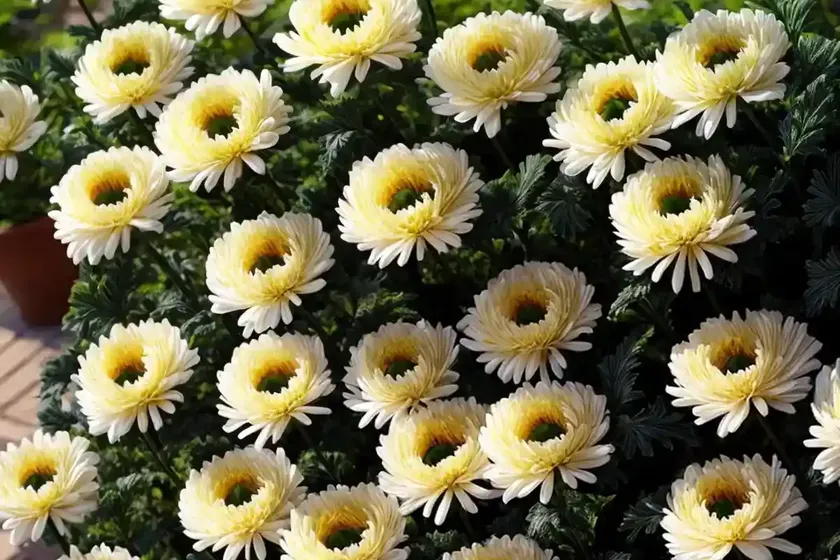
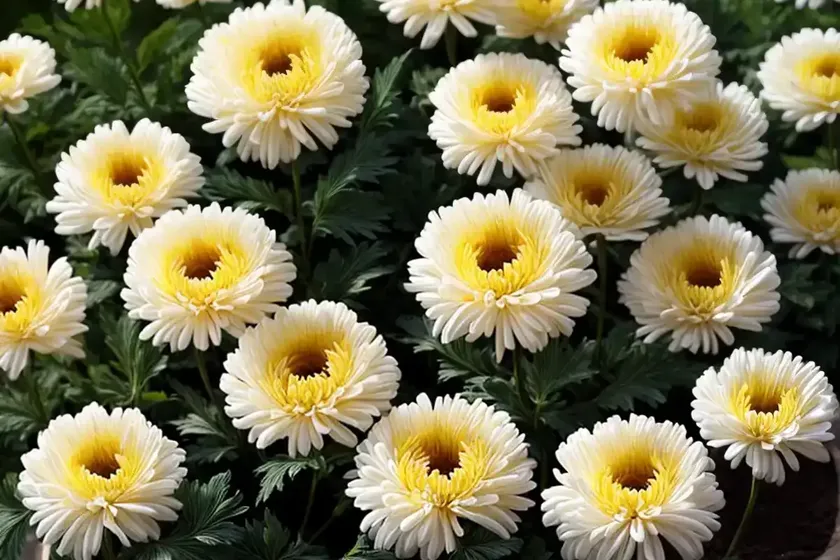
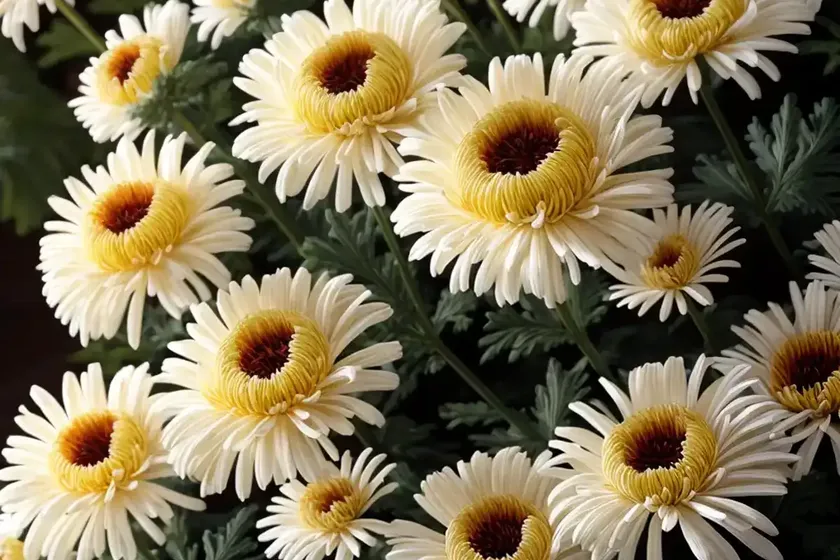
Chrysanthemum, known scientifically as Chrysanthemum zawadskii, is a beautiful and popular flowering plant that has been cultivated for centuries. With a rich cultural significance, diverse uses, and captivating blooms, chrysanthemums are a favorite among gardeners, florists, and herbal enthusiasts alike. In this comprehensive guide, we will delve into the intricate details of chrysanthemums, exploring their cultivation, care, symbolism, and much more.
What is Chrysanthemum (Chrysanthemum zawadskii)?
Chrysanthemum zawadskii, commonly referred to simply as chrysanthemum, is a species of flowering plant in the Asteraceae family. Originating from East Asia, particularly in regions such as China, Japan, and Korea, chrysanthemums are renowned for their striking and vibrant blooms, which come in a wide array of colors, shapes, and sizes. This species belongs to the genus Chrysanthemum, which encompasses numerous other species and cultivated varieties.
The chrysanthemum plant is a perennial herbaceous plant with a robust and bushy growth habit, producing an abundance of ornamental flowers. Its dark green leaves complement the colorful blossoms, creating visually stunning displays in gardens, landscapes, and floral arrangements. Chrysanthemums are also valued for their versatile uses, including cultural and medicinal applications, adding to their overall significance and appeal.
Key Takeaways – Chrysanthemum (Chrysanthemum zawadskii)
Before delving into the specifics of chrysanthemum cultivation and care, let’s highlight some of the key takeaways about this mesmerizing plant. From its cultural symbolism to its diverse cultivars, here are the essential points to keep in mind when considering chrysanthemums:
-
Cultural Significance: Chrysanthemums hold deep cultural significance in various East Asian countries, where they are revered as symbols of longevity, rejuvenation, and purity. They are also associated with honor and respect, often being used in ceremonial and festive decorations.
-
Diverse Varieties: The extensive cultivation of chrysanthemums has led to the development of numerous varieties, each with its unique flower shapes, colors, and growth habits. From the classic daisy-like blooms to the intricate pompom varieties, chrysanthemums offer a wide range of options for gardeners and floral enthusiasts.
-
Medicinal Uses: Chrysanthemums have a rich history of medicinal applications, particularly in traditional Chinese medicine. Extracts from chrysanthemum flowers and leaves are believed to possess therapeutic properties, including anti-inflammatory and calming effects.
-
Gardening Appeal: As versatile ornamental plants, chrysanthemums are widely admired for their ability to thrive in diverse garden settings, from traditional flower beds to container gardens. Their adaptability and aesthetic appeal make them a popular choice for landscaping and floral displays.
With these key takeaways in mind, we will now explore the various aspects of cultivating and caring for chrysanthemums, encompassing everything from soil requirements to disease management.
Culture
Uses
The uses of chrysanthemums are multifaceted, encompassing both ornamental and practical applications. Let’s explore the diverse uses of this captivating plant:
-
Ornamental Purposes: Chrysanthemums are primarily grown for their ornamental value, serving as exquisite additions to gardens, landscapes, and floral arrangements. Their vibrant blooms and lush foliage make them ideal for adding color and visual interest to outdoor and indoor spaces.
-
Cultural Significance: In various East Asian cultures, chrysanthemums hold deep symbolic significance and are often featured in art, literature, and traditional ceremonies. The plant is associated with themes of longevity, vitality, and honor, making it a revered cultural symbol.
-
Medicinal Applications: Chrysanthemum extracts are utilized in traditional medicine for their potential health benefits. These applications range from promoting relaxation to addressing inflammatory conditions, showcasing the diverse medicinal uses of the plant.
-
Floral Industry: Chrysanthemums are a staple in the floral industry, being used in floral arrangements, bouquets, and event decorations. With their long vase life and rich assortment of colors, chrysanthemums are favored by florists for various occasions.
-
Herbal Remedies: Chrysanthemum tea, made from dried flowers, is consumed for its soothing and detoxifying properties. It is also incorporated into herbal remedies for its potential health-boosting effects.
-
Garden Aesthetics: In garden design, chrysanthemums lend themselves to a wide range of landscaping styles, from formal gardens to naturalistic plantings. Their ability to thrive in different environments makes them versatile and appealing for creating visually captivating landscapes.
Water
Watering plays a crucial role in maintaining the health and vitality of chrysanthemum plants. Understanding the optimal water requirements is essential for nurturing robust and vibrant growth. Here are some key considerations when it comes to watering chrysanthemums:
-
Moderate Moisture: Chrysanthemums thrive in well-draining soil that retains moderate moisture levels. While they require consistent moisture, they are susceptible to root rot if the soil becomes waterlogged. Striking a balance is essential for promoting healthy growth.
-
Established Plants: Established chrysanthemum plants benefit from regular watering, particularly during dry periods or when grown in containers. While they can tolerate short periods of drought, maintaining consistent moisture levels is vital for promoting abundant flowering.
-
Avoid Overhead Watering: When watering chrysanthemums, it is advisable to avoid wetting the foliage, especially in the evening. Wet leaves can increase the risk of fungal diseases, so directing the water to the base of the plants is preferable.
-
Morning Watering: Watering chrysanthemums in the morning allows the foliage to dry out during the day, reducing the likelihood of disease development. This practice also helps the plants to absorb moisture effectively before the heat of the day sets in.
-
Container Considerations: Chrysanthemums grown in containers may require more frequent watering, as the limited soil volume can lead to quicker moisture depletion. Checking the moisture levels in the soil regularly is essential for container-grown chrysanthemums.
Sunlight
Sunlight requirements are another critical factor in the successful cultivation of chrysanthemum plants. Adequate light exposure is essential for promoting flowering and overall plant vigor. Here’s what you need to know about providing the right sunlight conditions for chrysanthemums:
-
Full Sun: Chrysanthemums thrive in full sun, benefiting from at least six hours of direct sunlight each day. Adequate sunlight exposure is essential for encouraging robust growth and profuse blooming.
-
Part Shade: While chrysanthemums prefer full sun, they can tolerate some light shade, particularly in regions with intense summer heat. Providing partial shade during the hottest part of the day can help prevent stress and sunburn on the plants.
-
Morning Sun: When positioning chrysanthemum plants in the garden, favor locations that receive morning sunlight, as this is gentler and provides the plants with the energy they need for photosynthesis without the harshness of intense midday sun.
-
Southern Exposure: In cooler climates, providing chrysanthemums with a southern exposure can maximize their sunlight intake, especially during the growing season. This orientation helps the plants capture the sun’s warmth and light effectively.
-
Indoor Considerations: For indoor cultivation, placing chrysanthemums near a south-facing window or under supplemental grow lights can help meet their sunlight requirements. Ensuring that they receive ample light indoors is crucial for healthy growth.
Fertilizer
Applying the right fertilizers at the appropriate times is key to supporting the growth and blooming of chrysanthemum plants. By understanding their nutritional needs and the best fertilizer practices, you can optimize the health and vibrancy of your chrysanthemum blooms. Here’s a comprehensive look at fertilizing chrysanthemums:
-
Balanced Fertilizer: Chrysanthemums benefit from a balanced, all-purpose fertilizer with an equal NPK (nitrogen, phosphorus, and potassium) ratio. A 10-10-10 or 20-20-20 fertilizer formulation is suitable for promoting overall plant health and flowering.
-
Initial Feeding: When planting chrysanthemums, incorporate a slow-release, balanced fertilizer into the soil to provide a nutrient boost for the roots. This initial feeding helps establish the plants and supports early growth.
-
Regular Feeding: Throughout the growing season, chrysanthemums benefit from regular applications of liquid fertilizer every 2-4 weeks. This provides a steady supply of essential nutrients to support continuous flowering and lush foliage.
-
Phosphorus Emphasis: To encourage prolific blooming, consider using a fertilizer with a higher phosphorus content during the flowering stage. Phosphorus supports flower development and enhances the vibrancy of chrysanthemum blooms.
-
Avoid Over-Fertilizing: While chrysanthemums require regular feeding, it is important to avoid over-fertilizing, as this can lead to excessive foliage growth at the expense of flowers. Following recommended application rates is crucial for balanced growth.
-
Water-Soluble Formulations: Water-soluble fertilizers are convenient for chrysanthemum care, as they can be easily applied during watering sessions. This allows for efficient nutrient uptake by the plants’ roots.
Soil
The soil composition and quality profoundly impact the growth, flowering, and overall health of chrysanthemum plants. Understanding the ideal soil conditions for chrysanthemums is essential for cultivating thriving specimens. Here’s what you need to know about chrysanthemum soil requirements:
-
Well-Draining Soil: Chrysanthemums thrive in well-draining, loamy soil that allows excess moisture to escape effectively. Amending heavy clay or compacted soils with organic matter, such as compost or peat moss, can improve drainage and aeration.
-
Neutral pH: Chrysanthemums prefer slightly acidic to neutral soil pH, ranging from 6.0 to 7.0. Conducting a soil test can help determine the pH level and any necessary adjustments to create optimal growing conditions.
-
Adequate Aeration: Good soil structure is crucial for promoting healthy root development in chrysanthemums. Loose, well-aerated soil facilitates root penetration, nutrient uptake, and overall plant vigor.
-
Organic Matter: Incorporating organic matter into the soil, such as compost or well-rotted manure, enriches the soil with essential nutrients and enhances its texture. This promotes robust growth and improves the soil’s overall fertility.
-
Mulching Benefits: Applying a layer of organic mulch around chrysanthemum plants helps conserve soil moisture, suppresses weed growth, and maintains consistent soil temperatures. Mulching also contributes organic matter to the soil as it breaks down.
-
Container Considerations: When growing chrysanthemums in containers, select a well-draining potting mix formulated for flowering plants. Ensure that the containers have drainage holes to prevent waterlogging and root suffocation.
Pruning
Pruning chrysanthemums is essential for shaping their growth, promoting flowering, and maintaining overall plant health. By following proper pruning techniques, you can encourage abundant blooms and prevent issues such as disease and pest infestations. Here’s a comprehensive overview of pruning chrysanthemum plants:
-
Pinching: Pinching is a key pruning technique for chrysanthemums, particularly in the early stages of growth. Pinch back the growing tips of young plants to encourage branching and compact growth. Repeat pinching as needed to control plant shape and promote multiple flower buds.
-
Deadheading: Removing spent flowers, or deadheading, encourages chrysanthemum plants to produce new blooms and prevents seed formation. Regular deadheading throughout the flowering season supports continuous flowering and maintains a tidy appearance.
-
Thinning: Thinning out excessive growth, such as overcrowded stems or dense foliage, helps improve air circulation around chrysanthemum plants. This reduces the risk of fungal diseases and pest infestations while promoting overall plant vigor.
-
Disbudding: Disbudding involves removing excess flower buds to redirect the plant’s energy toward a select few, allowing for larger and more prominent blooms. This technique is often used in exhibition or show-quality chrysanthemums to produce superior flowers.
-
Pruning Timing: Prune chrysanthemums in early spring to promote compact growth and increase flowering. Regular maintenance pruning throughout the growing season helps shape the plants and manage their vigor.
-
Sterilize Tools: When pruning chrysanthemums, use clean and sharp pruning shears to make precision cuts. Sterilizing the tools with rubbing alcohol before and after use helps prevent the spread of diseases between plants.
Propagation
Propagating chrysanthemums allows you to expand your plant collection and preserve prized cultivars for future seasons. Understanding the various propagation methods and techniques is key to successfully multiplying chrysanthemum plants. Here’s a detailed exploration of chrysanthemum propagation:
-
Division: Division is a common method of propagating chrysanthemums, particularly for mature, established plants. Divide the root clumps into smaller sections, each with viable shoots and roots, and replant them to establish new plants.
-
Cuttings: Rooted stem cuttings are an effective way to propagate chrysanthemums, especially for preserving specific cultivars. Take 4-6 inch cuttings from healthy, non-flowering stems and root them in a well-draining growing medium. Maintain proper moisture and humidity to support root development.
-
Layering: Air layering or ground layering techniques can be employed to encourage the formation of new roots on chrysanthemum stems. This method allows the newly rooted sections to be separated and transplanted as independent plants.
-
Timing Considerations: Propagate chrysanthemums in the spring, allowing the new plants to establish and grow during the favorable growing season. Implementing propagation techniques at the right time increases their chances of success.
-
Consistent Care: Provide consistent care and attention to propagated chrysanthemum plants to support their establishment. Maintain appropriate moisture levels, protect them from extreme environmental conditions, and gradually acclimate them to their growing environment.
-
Viable Offshoots: When dividing chrysanthemum plants, ensure that each offshoot or division has adequate roots and healthy growth to ensure successful establishment. Discard any damaged or non-viable sections to focus on propagating the strongest plant divisions.
Container Popularity
Chrysanthemums are notably popular for container gardening, offering versatility, vibrant color displays, and seasonal interest. Growing chrysanthemums in containers allows for greater control over their growing conditions and placement, making them well-suited for various outdoor and indoor settings. Here’s an in-depth look at the popularity of chrysanthemums in containers:
-
Seasonal Displays: Container-grown chrysanthemums are celebrated for their ability to create stunning seasonal displays, particularly during the fall months. Their robust blooms bring vibrant color to patios, balconies, and garden entrances.
-
Decorative Pot Options: Chrysanthemums thrive in a wide range of containers, from traditional terracotta pots to decorative urns and hanging baskets. Choosing containers that complement the plant’s aesthetics enhances their visual impact.
-
Versatile Placement: Container-grown chrysanthemums can be positioned in various outdoor and indoor spaces, including porches, courtyards, kitchen gardens, and living areas. Their adaptability allows for creative placement in areas with limited planting space.
-
Consistent Monitoring: Container gardening provides the opportunity for close monitoring of chrysanthemum health, growth, and soil moisture. This allows for prompt adjustments to watering, fertilizing, and light exposure as needed.
-
Transplant Flexibility: Growing chrysanthemums in containers enables easy transplanting, relocation, and arrangement changes. This flexibility allows for dynamic repositioning based on seasonal changes, special events, or design preferences.
-
Protective Overwintering: Container-grown chrysanthemums can be protected from harsh winter conditions by moving them into sheltered areas, offering a chance for overwintering and ensuring their survival for the following seasons.
Common Diseases
Chrysanthemums, like many plants, are susceptible to certain diseases that can impact their health and appearance. By being aware of common chrysanthemum diseases and their symptoms, you can take proactive measures to prevent and manage these issues effectively. Here are some prevalent diseases that chrysanthemums may encounter:
Powdery Mildew (Erysiphaceae)
-
Symptoms: Displays as a white, powdery coating on the leaves, shoots, and flowers. It can lead to distorted growth and reduced plant vigor.
-
Prevention and Management: Ensure proper air circulation, avoid overhead watering, and apply fungicidal treatments if necessary. Removing and disposing of affected plant parts can help prevent the spread of the disease.
Gray Mold (Botrytis cinerea)
-
Symptoms: Appears as fuzzy gray mold on flowers and leaves, often causing flower rot and rapid deterioration of plant tissues.
-
Prevention and Management: Maintain adequate spacing between plants to promote air movement, remove decaying plant material promptly, and consider fungicidal applications when environmental conditions favor mold development.
Leaf Spot (Septoria spp.)
-
Symptoms: Characterized by the formation of dark, water-soaked spots on chrysanthemum leaves, leading to leaf yellowing, wilting, and premature leaf drop.
-
Prevention and Management: Avoid overhead watering, space plants appropriately to facilitate air circulation, and practice proper sanitation by removing and disposing of affected leaves.
Root Rot (Pythium spp., Phytophthora spp.)
-
Symptoms: Causing wilting, yellowing, and stunted growth, root rot affects the plant’s root system and can lead to overall decline and eventual death.
-
Prevention and Management: Implement well-draining soil conditions, avoid waterlogged soil, and consider using fungicidal treatments to combat root rot pathogens. Ensuring proper irrigation practices is crucial for preventing excessive soil moisture.
Disease Diagnosis
When faced with potential disease issues in chrysanthemum plants, accurate diagnosis is essential for implementing targeted management strategies. By closely observing the symptoms and understanding the causal agents of common chrysanthemum diseases, you can take the appropriate measures to address the issues effectively. Here’s how to diagnose diseases in chrysanthemums:
-
Symptom Recognition: Familiarize yourself with the characteristic symptoms of common chrysanthemum diseases, such as powdery mildew, leaf spot, and mold infestations. Pay attention to leaf discoloration, unusual growth patterns, and flower abnormalities.
-
Environmental Assessments: Evaluate the environmental conditions surrounding the affected chrysanthemum plants, including humidity levels, air circulation, and soil moisture. Certain diseases, such as mold and mildew, thrive in humid and stagnant environments.
-
Pathogen Identification: When diagnosing chrysanthemum diseases, consider the potential pathogens that may be responsible for the observed symptoms. Familiarize yourself with the life cycles and habits of common disease-causing organisms in chrysanthemums.
-
Professional Consultation: If uncertain about