Japanese Aralia (Fatsia Japonica)
The Japanese aralia, scientifically known as Fatsia japonica, is a stunning evergreen shrub that hails from the olive family, Araliaceae. It is native to.
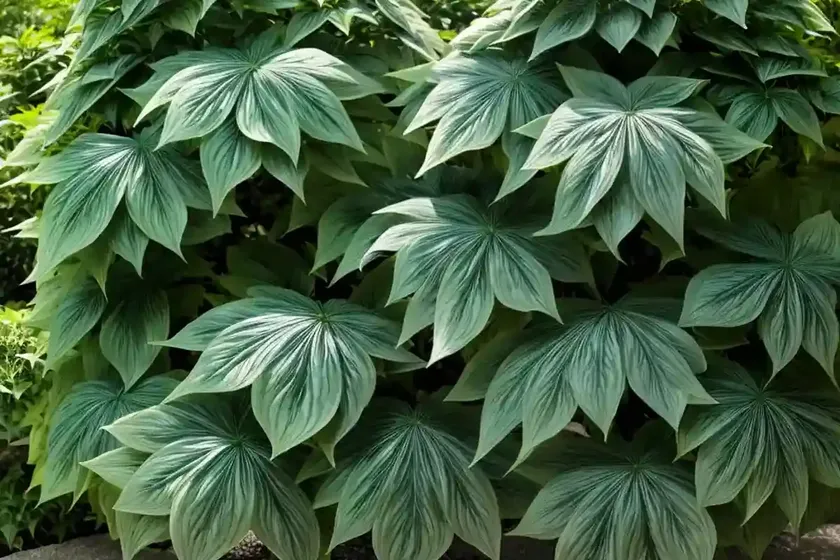
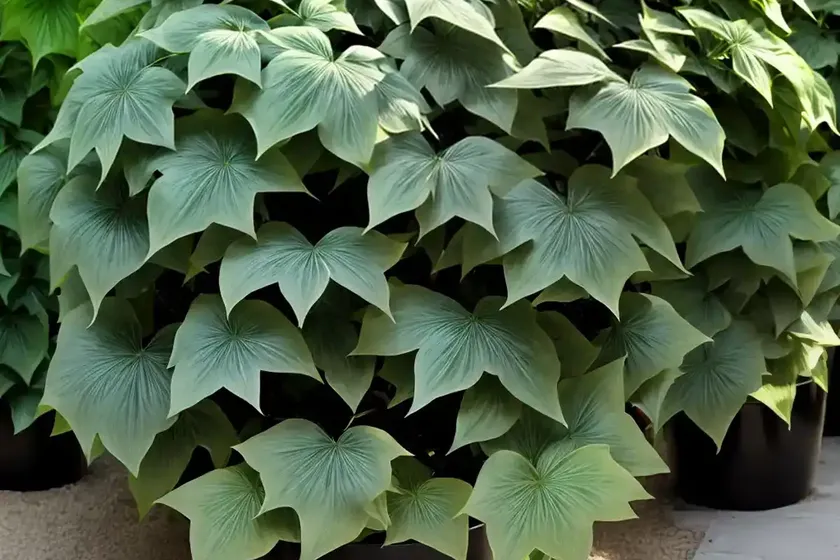
The Japanese aralia, scientifically known as Fatsia japonica, is a stunning evergreen shrub that hails from the olive family, Araliaceae. It is native to the southern islands of Japan, Taiwan, and South Korea. Renowned for its attractive foliage and adaptability, the Japanese aralia has become a popular choice for both indoor and outdoor cultivation. In this comprehensive guide, we will delve into the key aspects of caring for and cultivating Japanese aralia, covering its culture, uses, water requirements, sunlight needs, fertilizer, soil preferences, pruning techniques, propagation methods, and much more.
What Is the Japanese Aralia (Fatsia japonica)?
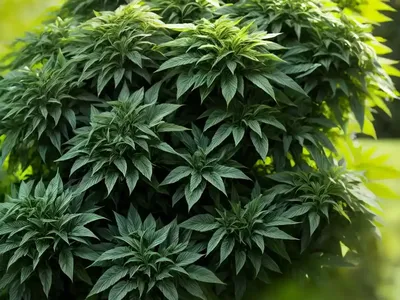
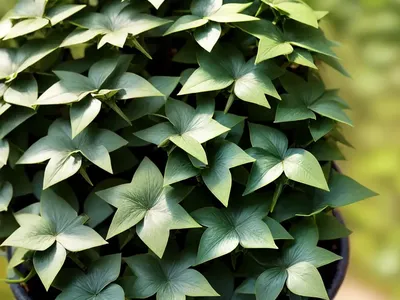
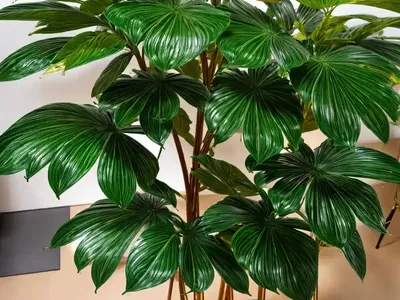
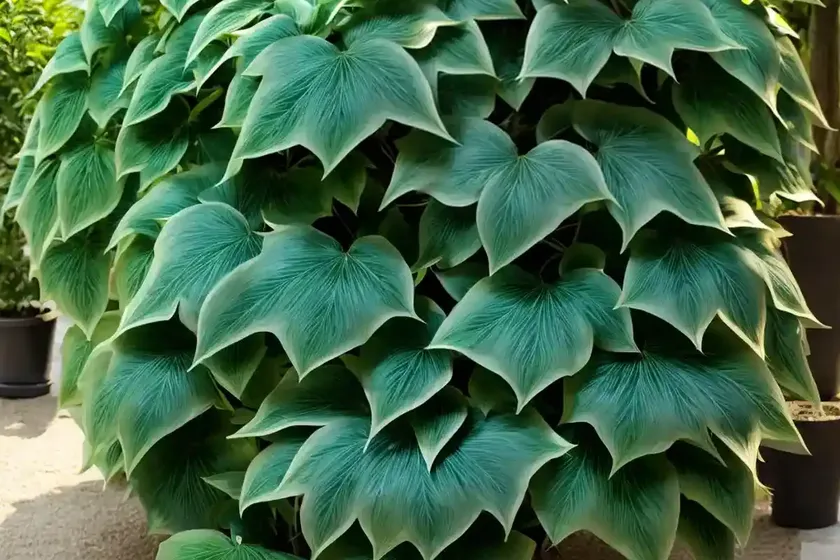
The Japanese aralia is a visually striking evergreen shrub with large, glossy, palmately-lobed leaves that can measure up to 16 inches in width. It forms an architectural, multi-stemmed plant with a tropical appearance, making it a captivating addition to any garden or indoor space. The species name “japonica” means “of Japan,” which aptly reflects its origin.
Key Takeaways – Japanese Aralia (Fatsia japonica)
Before we delve into the specifics of caring for the Japanese aralia, let’s summarize the key takeaways:
- Plant Name: Japanese Aralia (Fatsia japonica)
- Common Names: Japanese Aralia, Japanese Fatsia, Paperplant
- Family: Araliaceae
- Origin: Japan, Taiwan, South Korea
- Type: Evergreen Shrub
- Height: 6-10 feet (1.8-3 meters)
- Hardiness Zones: 8-11
- Light Requirements: Partial Shade to Full Shade
- Watering: Moderate
- Soil Type: Well-draining, Fertile
- Uses: Ornamental, Indoor Plant, Foliage Plant
Now, let’s explore the specifics of caring for and cultivating this captivating plant.
Culture
Japanese aralia, with its striking appearance and relatively low maintenance requirements, has gained popularity as a landscaping plant and as an indoor specimen. The combination of its unique visual appeal and ease of cultivation has made it a beloved choice for many gardening enthusiasts and indoor plant lovers.
Uses
The Japanese aralia is primarily cultivated for its ornamental value, sporting lush foliage that brings a touch of the tropics to any setting. Its glossy, architectural leaves make it an eye-catching choice for landscaping, either as a standalone specimen or as part of a lush, green backdrop. Furthermore, its adaptability to indoor conditions makes it an excellent choice for adding a tropical ambiance to indoor spaces, such as homes, offices, and lobbies.
Water
The Japanese aralia prefers moderate and consistent moisture, making it important to ensure adequate hydration while maintaining well-draining conditions to prevent waterlogging. When watering, it’s essential to avoid both overwatering and allowing the soil to dry out completely. Striking a balance in watering is crucial for the plant’s overall health and vigor.
Sunlight
In terms of sunlight requirements, the Japanese aralia thrives in partial shade to full shade. It is well-suited for locations with limited direct sunlight, making it an ideal choice for areas with dappled or filtered light. When grown indoors, it can flourish in bright, indirect light or locations with low artificial light.
Fertilizer
Providing appropriate nourishment is essential for the Japanese aralia to maintain its lush foliage and overall health. A balanced, water-soluble fertilizer formulated for foliage plants can be applied during the growing season. It’s important to follow the instructions on the fertilizer package to prevent over-fertilization, which can be detrimental to the plant.
Soil
Japanese aralia thrives in well-draining, fertile soil. A rich, humusy potting mix or garden soil with good drainage capacity is ideal for promoting healthy root growth and overall plant vitality. A slightly acidic to neutral pH level is generally preferred, and the soil should retain moisture without becoming waterlogged.
Pruning
Regular pruning can help maintain the desired shape and size of the Japanese aralia, promote bushiness, and remove any damaged or unsightly foliage. When pruning, it’s important to use clean and sharp pruners to make precise cuts without causing unnecessary damage to the plant. As with any pruning activity, it’s important to consider the natural form of the plant and avoid excessive trimming.
Propagation
The Japanese aralia can be propagated through various methods, including stem cuttings and division. Both indoor and outdoor plants can be propagated to create new specimens or gifts for fellow plant enthusiasts. Leveraging the plant’s natural ability to propagate can also help in rejuvenating older plants or expanding the collection.
Container Popularity
The Japanese aralia’s adaptability to container growth has made it a popular choice for indoor and patio cultivation. Its lush, architectural foliage and relatively slower growth rate make it an attractive option for adding a touch of greenery to interior spaces or providing a focal point in outdoor container displays.
Container Common Diseases
While the Japanese aralia is generally robust and resilient, it can be susceptible to certain diseases and pests. Being aware of common diseases and potential issues can aid in early detection and prompt treatment, safeguarding the plant’s health and preventing the spread of ailments.
Disease Diagnosis
Proper diagnosis of diseases in the Japanese aralia is crucial for implementing effective treatment measures. Understanding the symptoms and signs of common diseases can help in swift intervention and management to minimize the impact on the plant’s health and appearance.
Common Pests
In addition to diseases, pests can occasionally pose challenges for the Japanese aralia. Being vigilant and proactive in pest management can help maintain the plant’s vigor and visual appeal. Several common pests may affect the Japanese aralia, and familiarizing oneself with their characteristics and control measures is vital for successful pest management.
Botanist’s Tips
Drawing from the expertise of botanists and plant professionals can provide valuable insights into the successful growth and care of the Japanese aralia. These tips can encompass a range of topics, from cultivation techniques to enhancing the plant’s visual impact and overall health.
Fun Facts
Integrating fun facts about the Japanese aralia can engage readers and foster a deeper appreciation for this captivating plant. These facts can range from historical significance to ecological contributions, further enriching the reader’s experience.
Links to External Resources
For comprehensive information, reference, and further exploration of topics related to the Japanese aralia, we have curated a selection of external resources that provide valuable insights and practical guidance for enthusiasts, horticulturists, and plant aficionados.
Plant Name: “Japanese Aralia (Fatsia japonica)”
Japanese aralia, scientifically known as Fatsia japonica, is a captivating evergreen shrub that belongs to the Araliaceae family. Its striking foliage and adaptability have contributed to its popularity as an ornamental plant, both in gardens and indoor settings.
Cultural Relevance:
Fatsia japonica has garnered cultural significance in various regions where it is grown, owing to its visual appeal and distinctively tropical appearance. While its primary uses are ornamental, its adaptation to indoor conditions has led to its deployment in diverse interior design contexts.
Botanical Characteristics:
The botanical features of Fatsia japonica, including its leaves, growth habits, and flowering characteristics, contribute to its horticultural value and appeal.
Environmental Benefits:
Beyond its ornamental value, Fatsia japonica may offer ecological advantages, such as habitat provision for wildlife and ornamental attributes that contribute to the visual aesthetics of landscapes.
Historical Significance:
The historical context of Fatsia japonica, encompassing its discovery, introduction to cultivation, and cultural associations, sheds light on its journey from the wild to domestication and widespread appreciation.
Medicinal and Cultural Uses:
In some cultures, Fatsia japonica may have traditional or medicinal applications, enriching its cultural relevance and significance.
Fatsia japonica Care:
A comprehensive exploration of Fatsia japonica care encompasses its watering needs, light requirements, temperature tolerance, soil preferences, and other critical factors for successful cultivation.
Japanese Aralia Plant Care Tips:
Valuable tips for caring for Japanese aralia are essential for enthusiasts and hobbyists seeking to create an optimal environment for their plants.
Fatsia japonica Diseases and Pest Management:
Understanding and addressing diseases and pests that can affect Fatsia japonica are integral to preserving its health and vitality.
Fatsia japonica Propagation Techniques:
Insights into effective propagation methods for Fatsia japonica enable enthusiasts to expand their plant collection or share the beauty of this species with others.
Indoor and Outdoor Care:
Tailoring care practices to the specific requirements of indoor and outdoor settings can contribute to the thriving growth of Fatsia japonica in diverse environments.
Conclusion
In conclusion, the Japanese aralia (Fatsia japonica) stands out as a captivating plant with its large, glossy leaves and tropical allure. Its adaptability to various growing conditions, including indoor and outdoor settings, has contributed to its widespread popularity among plant enthusiasts and landscapers. By understanding its culture, water and sunlight needs, fertilizer requirements, soil preferences, pruning techniques, propagation methods, and common pests and diseases, enthusiasts can cultivate and care for Fatsia japonica successfully, nurturing its striking beauty for years to come. With its rich cultural relevance, botanical significance, and practical care considerations, the Japanese aralia continues to capture the hearts of plant lovers worldwide.
References:
- British Ornamental Plant Producers. (2021). Fatsia japonica (False Castor Oil Plant). https://www.bopp.org.uk/gardeners-encouraged-to-join-the-yeartogrow-campaign/
- Royal Horticultural Society. (2021). Fatsia japonica. https://www.rhs.org.uk/Plants/8341/i-Fatsia-japonica-i/Details
- University of Florida. (2021). Fatsia japonica Japanese Aralia. https://edis.ifas.ufl.edu/pdffiles/FP/FP25700.pdf
- University of Arkansas Division of Agriculture. (2021). Fatsia japonica. https://www.uaex.edu/yard-garden/resource-library/plant-database/ornamentals/japanese-aralia.aspx