The Japanese Apricot (Prunus mume ‘Peggy Clarke’)
The Japanese apricot, scientifically known as Prunus mume ‘Peggy Clarke’, is an exquisite ornamental fruit tree that captivates with its beautiful blossoms and, at the same time, offers delicious fruits. A member of the Rosaceae family, this captivating plant is well-loved for its stunning blossoms and its versatility in various landscapes. In this comprehensive guide, we will delve into the culture, uses, care, common diseases, and other essential aspects of the Japanese apricot, providing valuable insights and tips for anyone interested in growing and maintaining this remarkable tree.
What is the Japanese Apricot (Prunus mume ‘Peggy Clarke’)?
The Japanese apricot, known by its scientific name Prunus mume ‘Peggy Clarke’, is a fruit-bearing tree that originated in China and is also widely cultivated in Japan and Korea. This cultivar is particularly renowned for its ornamental value, producing an abundance of beautiful, fragrant blossoms in late winter or early spring, making it a highly prized ornamental plant.
Plant Characteristics
- Scientific Name: Prunus mume ‘Peggy Clarke’
- Common Names: Japanese apricot tree, Peggy Clarke apricot, Japanese plum tree
- Family: Rosaceae
- Type: Fruit-bearing, ornamental tree
Key Takeaways – Japanese Apricot (Prunus mume ‘Peggy Clarke’)
Before diving into the detailed aspects of the Japanese apricot, let’s explore some key takeaways that capture the essence of this remarkable plant:
- The Japanese apricot, also known as Prunus mume ‘Peggy Clarke’, is revered for its stunning blossoms and delicious fruits.
- As an ornamental fruit tree, it adds aesthetic appeal to gardens and landscapes, particularly during the spring season.
- The tree requires adequate sunlight, well-drained soil, and regular watering, along with proper pruning and care to thrive and produce an abundant harvest.
- Japanese apricot trees are susceptible to certain diseases and pests, warranting vigilance and preventive measures to maintain their health and vigor.
Now, let’s delve into various aspects of the Japanese apricot tree, covering its culture, uses, care, common diseases, and other essential details that are crucial for anyone interested in growing and nurturing this captivating plant.
Culture of the Japanese Apricot (Prunus mume ‘Peggy Clarke’)
Uses
The Japanese apricot (Prunus mume ‘Peggy Clarke’) serves a variety of purposes, ranging from ornamental to culinary. Here are some key uses:
Ornamental Value
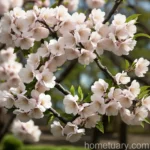
One of the primary uses of the Japanese apricot is its ornamental value. The tree’s captivating blossoms, which appear in shades of white, pink, or red, add an enchanting touch to gardens and landscapes. The captivating fragrance of the blossoms further enhances its appeal, making it a sought-after choice for ornamental planting in gardens, parks, and public spaces.
Culinary Uses
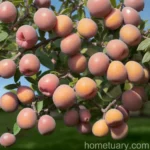
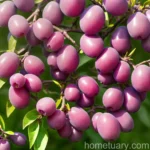
In addition to its ornamental value, the Japanese apricot also produces delicious fruits that are used in culinary applications. The fruits can be made into jams, preserves, and even distilled into spirits in some cultures. The edible fruits make it a versatile tree with both aesthetic and practical uses.
Water
The water needs of the Japanese apricot tree vary depending on the climate and soil conditions. As a general guideline, it is crucial to provide regular, moderate watering, particularly during dry periods. Proper drainage is essential to prevent waterlogging, which can lead to root rot and other water-related issues.
Sunlight
Japanese apricot trees thrive in full sunlight, requiring at least six to eight hours of direct sunlight each day. Adequate sunlight ensures robust growth, abundant blossoms, and bountiful fruit production. When selecting a location for planting, prioritize areas with ample sunlight to support the tree’s overall health and vitality.
Fertilizer
Proper fertilization is essential to support the growth and development of the Japanese apricot tree. A balanced fertilizer specifically formulated for fruit trees or ornamentals can be applied in spring as new growth begins. Additionally, a layer of compost or well-rotted manure around the base of the tree can provide valuable nutrients as it decomposes.
Soil
The Japanese apricot tree thrives in well-drained, loamy soil that is rich in organic matter. It is essential to avoid waterlogged or compacted soil, as these conditions can hinder the tree’s root development and overall health. Conduct a soil test to assess the pH and nutrient levels, and amend the soil as needed to create an optimal growing environment for the tree.
Pruning
Pruning is a crucial aspect of Japanese apricot tree care, contributing to overall plant health, fruit production, and aesthetic appeal. Here are some key considerations for pruning the Japanese apricot:
- Timing: Prune the tree during the dormant season, ideally in late winter or early spring before new growth begins.
- Objective: The primary objectives of pruning are to remove dead, damaged, or diseased branches, shape the tree for improved structure, and encourage fruit production.
- Technique: Use clean, sharp pruning tools to make precise cuts, ensuring the removal of unwanted branches without causing unnecessary damage to the tree.
Propagation
Propagation of the Japanese apricot can be achieved through various methods, including cuttings, grafting, and seed propagation. Here are brief insights into each propagation method:
Cuttings
Softwood cuttings taken in the early summer can be rooted to propagate new Japanese apricot trees. Ensure that the cuttings are taken from healthy, disease-free branches and provide the appropriate humidity and warmth to encourage successful root development.
Grafting
Grafting is a common method used to propagate specific cultivars of the Japanese apricot. It involves joining a scion (desired cultivar) onto a rootstock, allowing the two plant parts to fuse and grow as a single tree. Grafting is often performed by experienced horticulturists to maintain specific characteristics of the cultivar.
Seed Propagation
While seed propagation is possible, it may not reliably produce identical offspring due to genetic variations. If seed propagation is chosen, select seeds from the desired cultivar and follow the appropriate seed-starting practices to increase the likelihood of successful germination.
Container Popularity
Japanese apricot trees are well-suited for container planting, making them a popular choice for individuals with limited garden space. The compact size, beautiful blossoms, and fruit-bearing capabilities make the Japanese apricot an attractive and practical addition to patios, balconies, and small outdoor spaces. When grown in containers, it is important to provide adequate soil, sunlight, water, and regular maintenance to support the tree’s growth and productivity.
Common Diseases
While the Japanese apricot is generally a resilient tree, it is susceptible to certain diseases that can impact its health and vigor. Here are some common diseases that may affect the Japanese apricot:
- Brown Rot: This fungal disease can affect the blossoms, fruit, and branches of the tree, causing brown, rotted areas and potential fruit decay. Proper sanitation, pruning, and fungicidal treatments can help manage brown rot and prevent its spread.
- Shot Hole Disease: Characterized by small, circular holes in the leaves, shot hole disease is caused by a fungal pathogen. Maintaining good air circulation, proper watering practices, and the removal of infected plant material can aid in the prevention and management of this disease.
- Powdery Mildew: Powdery mildew can affect the foliage of the Japanese apricot, leading to a powdery white coating on leaves and stems. Adequate air circulation, regular monitoring, and appropriate fungicidal treatments can help mitigate powdery mildew issues.
- Bacterial Canker: This bacterial disease can cause dark, sunken lesions on twigs and branches, potentially leading to dieback. Pruning out affected branches and employing preventative measures can aid in the management of bacterial canker.
Disease Diagnosis
When identifying and diagnosing diseases affecting the Japanese apricot, careful observation and, if necessary, professional assistance from plant health experts are crucial. Here are some common symptoms associated with the aforementioned diseases:
- Brown Rot: Look for brown, rotted areas on blossoms and fruits, as well as cankers on branches, signaling the presence of brown rot.
- Shot Hole Disease: Small, circular holes in the leaves, along with the presence of discolored spots, indicate potential infection with shot hole disease.
- Powdery Mildew: The presence of a powdery white coating on the upper and lower surfaces of leaves and stems may indicate powdery mildew infection.
- Bacterial Canker: Dark, sunken lesions on twigs and branches are indicative of bacterial canker, particularly when accompanied by dieback symptoms.
Common Pests
In addition to diseases, Japanese apricot trees may also face challenges from common pests that can affect their growth and vitality. Here are some pests to be mindful of:
- Aphids: These small, sap-sucking insects can cluster on the undersides of leaves, leading to distorted growth and potential damage to the tree. Insecticidal soaps and horticultural oils can be used to manage aphid infestations.
- Scale Insects: Scale insects can appear as small, waxy bumps on the branches or stems of the tree, causing weakening and decline. Treatment with horticultural oils or insecticidal soaps can help control scale infestations.
- Borers: Various borers, such as peach tree borers, can bore into the trunk or branches of the Japanese apricot, leading to structural damage and reduced tree vigor. Preventive measures, such as maintaining tree health and using targeted insecticides, can aid in borer management.
Botanist’s Tips
As a botanist or gardening enthusiast, there are several tips and recommendations to ensure the successful cultivation and care of Japanese apricot trees. Here are some insights to consider:
- Selecting a Site: Choose a well-drained, sunny location with ample space for the Japanese apricot to thrive and exhibit its ornamental and fruit-bearing qualities.
- Soil Preparation: Prior to planting, incorporate organic matter into the soil to improve its fertility and structure, providing a favorable environment for the tree’s root development.
- Mulching: Apply a layer of organic mulch around the base of the tree to conserve moisture, suppress weeds, and maintain consistent soil temperatures.
- Regular Monitoring: Keep a close eye on the tree for signs of diseases, pests, and any issues related to growth and development. Early detection and intervention can prevent problems from escalating.
Fun Facts
As we explore the captivating world of the Japanese apricot (Prunus mume ‘Peggy Clarke’), here are some fun and intriguing facts about this remarkable tree:
- The fragrant blossoms of the Japanese apricot have been celebrated in various forms of art and poetry in East Asian cultures, symbolizing the arrival of spring and the transient beauty of nature.
- Japanese apricot fruits are used to make a traditional wine known as “ume-shu” or plum wine, a popular beverage in Japan and other parts of East Asia.
- The wood of the Japanese apricot tree is prized for its durability and is used in woodworking and crafting.
Links to External Resources
For further information on the Japanese apricot (Prunus mume ‘Peggy Clarke’), explore the following resources:
- RHS – Japanese Apricot
- Missouri Botanical Garden – Prunus mume
- UC Davis Arboretum – Prunus mume
- University of Florida IFAS Extension – Prunus mume
We hope that this comprehensive guide has provided valuable insights and practical advice for anyone interested in cultivating and appreciating the enchanting Japanese apricot (Prunus mume ‘Peggy Clarke’). Whether for ornamental purposes or the delight of harvesting its delectable fruits, the Japanese apricot stands as a captivating addition to diverse landscapes and gardens.