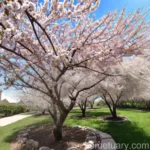
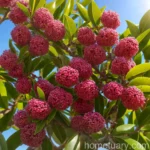
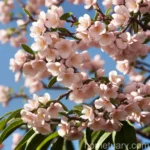
Japanese Apricot (Prunus mume ‘Fenghou’)
What Is the Japanese Apricot?
The Japanese apricot, scientifically known as Prunus mume ‘Fenghou’, is a beautiful and fragrant ornamental tree cultivar that belongs to the Rosaceae family. This species is native to China, Japan, and Korea and is also known as the Mei flower in China. The Japanese apricot has been regarded as an important plant in East Asian culture for centuries because of its aesthetic appeal and cultural significance.
The ‘Fenghou’ cultivar specifically is cherished for its unique attributes, making it a popular choice for many gardeners and horticulturists. Understanding its culture, uses, care requirements, and landscaping potential is crucial for anyone interested in cultivating or appreciating this stunning plant.
Key Takeaways – Japanese Apricot (Prunus mume ‘Fenghou’)
Before diving into the specifics of the Japanese apricot, here are the key takeaways about this unique cultivar:
- Scientific Name: Prunus mume ‘Fenghou’
- Common Name: Japanese Apricot
- Family: Rosaceae
- Native to: China, Japan, and Korea
- Cultivar: ‘Fenghou’
- Cultural Significance: Important in East Asian culture
- Uses: Ornamental, medicinal, culinary
- Notable Features: Fragrant blossoms, vibrant colors, winter bloom
- Hardiness Zones: 6-9
- Mature Height: Up to 15-20 feet
- Maintenance: Low to moderate
Understanding these key points sets the stage for a deeper exploration of the Japanese apricot and its cultivation.
Culture
The culture of the Japanese apricot encompasses its history, importance in traditional practices, and its symbolic and aesthetic value. Understanding the cultural significance of this species is essential to appreciate its broader context.
The Japanese apricot has been cultivated in East Asia for over a millennium. It holds a special place in Chinese and Japanese cultures, often depicted in art, poetry, and folklore. The blossoms of the Japanese apricot, known as “ume” in Japanese, are often associated with the early arrival of spring and are celebrated during the centuries-old tradition of Hanami (flower viewing). In China, the Japanese apricot is traditionally associated with the Lunar New Year and is considered a symbol of good luck and prosperity.
Key Cultural Significance:
1. Symbolism in traditional art, poetry, and folklore
2. Associated with spring and the Lunar New Year
3. Celebrated during the tradition of Hanami in Japan
4. Held in high regard for its auspicious symbolism
Uses
The Japanese apricot serves a variety of practical and cultural purposes, making it a versatile and valuable plant.
Ornamental: The most apparent use of the Japanese apricot is its ornamental value. The striking blossoms, ranging from white to shades of pink and red, provide a stunning display in late winter when few other plants are in bloom. The ‘Fenghou’ cultivar, in particular, is cherished for its attractive flowers and compact growth habit.
Medicinal: In traditional Chinese medicine, various parts of the Japanese apricot, including the flowers, bark, and fruit, are used for their potential health benefits. The fruit, known as “ume” in Japanese, is also used in traditional Asian cuisines and as a key ingredient in the production of umeboshi, a type of pickled plum.
Culinary: The fruits of the Japanese apricot can be used in cooking to create preserves, liqueurs, and various culinary dishes. The sour and tangy flavor of the fruit is highly prized in both sweet and savory preparations.
Care Requirements
Caring for a Japanese apricot, specifically the ‘Fenghou’ cultivar, involves attention to various factors, including water, sunlight, fertilizer, soil composition, pruning, propagation, and potential pest and disease management. Let’s delve into each of these aspects to understand the needs of this unique plant.
Water
Proper water management is crucial for the health and vitality of the Japanese apricot. While these trees are relatively drought-tolerant once established, consistent watering is essential, especially during the initial establishment phase and in dry periods.
Watering Guidelines:
– Establishment Phase: Water young trees deeply and frequently to aid in root establishment.
– Mature Trees: Provide regular watering, especially during dry spells, to prevent undue stress.
– Moisture Control: Ensure well-draining soil to prevent waterlogging, which can lead to root rot.
Sunlight
The Japanese apricot thrives in full sunlight, although it can tolerate partial shade. Adequate sunlight is essential for robust growth, flowering, and fruit development.
Sunlight Requirements:
– Full Sun: Ideally, provide at least 6-8 hours of direct sunlight daily for optimal growth and flowering.
– Partial Shade: While the Japanese apricot can tolerate some shade, it may result in reduced flowering and fruiting.
Fertilizer
Appropriate fertilization supports the growth, blooming, and fruiting of the Japanese apricot. A balanced fertilizer regimen helps to ensure the overall health and vigor of the tree.
Fertilizer Guidelines:
– Timing: Apply a balanced fertilizer in early spring before new growth begins.
– Composition: Choose a fertilizer with a balanced N-P-K ratio, or one specifically formulated for flowering and fruiting trees.
– Avoid Excess: Over-fertilization can lead to excessive foliage growth at the expense of flowering and fruit production.
Soil
The Japanese apricot thrives in well-draining, slightly acidic soil. Understanding the soil preferences of this species is crucial for creating an optimal growing environment.
Soil Considerations:
– Drainage: Ensure good drainage to prevent waterlogging and root rot.
– Acidity: Aim for a slightly acidic soil pH, ideally in the range of 6.0-6.5.
– Soil Amendments: Incorporate organic matter such as compost into the soil to improve its structure and fertility.
Pruning
Pruning is an essential aspect of Japanese apricot tree care, contributing to improved form, enhanced flowering, and overall tree health. The ‘Fenghou’ cultivar may benefit from strategic pruning to maintain its compact shape and encourage abundant flowering.
Pruning Guidelines:
– Timing: Prune the tree during the dormant season, preferably in late winter or early spring before new growth begins.
– Objectives: Remove dead, damaged, or diseased branches, and shape the tree for a balanced and attractive appearance.
– Minimal Pruning: While the ‘Fenghou’ cultivar has a naturally compact growth habit, minimal pruning may be necessary to maintain its form and encourage prolific blooming.
Propagation
Propagation of the Japanese apricot can be achieved through several methods, including seeds, cuttings, and grafting.
Propagation Methods:
– Seeds: While viable seeds can be used for propagation, they may not yield identical offspring due to genetic variation.
– Cuttings: Softwood or semi-hardwood cuttings can be used to propagate genetically identical clones of the parent tree.
– Grafting: T-budding or whip-and-tongue grafting onto rootstock can yield consistent and desirable outcomes.
Container Popularity
The Japanese apricot, particularly the compact ‘Fenghou’ cultivar, is well-suited for container cultivation, making it a popular choice for gardeners with limited space or those interested in patio and balcony gardening.
Container Considerations:
– Size: Choose a container large enough to accommodate the growing tree and provide ample root space.
– Drainage: Ensure that the container has adequate drainage holes to prevent waterlogging.
– Soil Quality: Use a well-draining, slightly acidic potting mix to mimic the tree’s preferred soil conditions.
– Sunlight: Position the container in a location that receives ample sunlight for vigorous growth and flowering.
Common Diseases
The Japanese apricot, including the ‘Fenghou’ cultivar, may be susceptible to specific diseases that can impact its health and productivity. Understanding these diseases and their management is crucial for effective plant care.
Common Diseases:
– Brown Rot: Caused by the fungus Monilinia fructicola, brown rot can affect the blossoms, fruit, and shoots, leading to rotting and browning of affected tissues.
– Bacterial Canker: Bacterial infections can lead to the development of cankers on branches and trunks, potentially causing dieback and reduced vigor.
– Leaf Spot: Fungal leaf spot diseases can result in the development of dark spots on the foliage, potentially leading to leaf drop and reduced photosynthetic capacity.
Disease Diagnosis
To effectively manage diseases in the Japanese apricot, accurate diagnosis is essential. Visual symptoms, laboratory testing, and professional consultation can aid in the identification and treatment of specific diseases.
Diagnosis Methods:
– Visual Inspection: Look for characteristic symptoms such as rotting fruit, cankers, and leaf spots to narrow down potential diseases.
– Laboratory Testing: Submit samples of affected tissue to a diagnostic laboratory for precise disease identification and treatment recommendations.
– Professional Consultation: Seek guidance from plant pathologists or horticultural experts for accurate diagnosis and management strategies.
Common Pests
In addition to diseases, the Japanese apricot, including the ‘Fenghou’ cultivar, may be targeted by various insect pests that can impact its growth and overall health.
Common Pests:
– Aphids: These tiny insects can cluster on new growth and blossoms, sucking sap and potentially transmitting viral diseases.
– Scale Insects: Scale insects can infest the branches and twigs, leading to honeydew secretion and secondary fungal infections.
– Borers: Wood-boring insects can cause damage to the vascular system of the tree, leading to dieback and reduced vitality.
Botanist’s Tips
To ensure the successful cultivation of the Japanese apricot, here are some expert tips from botanists and horticultural professionals:
Expert Recommendations:
– Pruning: Minimal but strategic pruning can help maintain the ‘Fenghou’ cultivar’s natural shape and promote abundant flowering.
– Disease Management: Early detection and prompt treatment of diseases can significantly impact the tree’s long-term health and productivity.
– Integration into the Landscape: Consider the tree’s mature size and form when selecting its planting location, ensuring it complements the overall landscape design.
Fun Facts
Uncover some fascinating and lesser-known facts about the Japanese apricot:
Interesting Tidbits:
– Winter Bloom: The Japanese apricot is celebrated for its ability to bloom in the midst of winter, often considered a symbol of hope and resilience.
– Symbolism in Ikebana: The blossoms of the Japanese apricot are used in traditional Japanese flower arranging, known as Ikebana, and hold symbolic significance in these arrangements.
– Cultural Significance: The Japanese apricot is celebrated in poems, songs, and art, reflecting its enduring influence on East Asian culture.
Links to External Resources
For those interested in delving deeper into the world of Japanese apricots, here are some valuable external resources to explore:
- The Ume (Japanese apricot) tradition in Japan
- Prunus mume: Japanese Apricot
- Growing Japanese Apricots in Australia
- Japanese Plums, Japanese Apricots, and Japanese Persimmons
In conclusion, the Japanese apricot, specifically the ‘Fenghou’ cultivar, is an exquisite plant with rich cultural significance, stunning blossoms, and versatile uses. By understanding its care requirements, disease management, and cultural importance, we can fully appreciate the beauty and value of this remarkable plant.
Keywords: Japanese apricot tree varieties, Prunus mume cultivars, Fenghou Japanese apricot, Japanese apricot tree care, Prunus mume fruit, Fenghou apricot tree, Japanese flowering apricot, Prunus mume cultivation tips, Fenghou apricot tree pruning, Japanese apricot tree diseases, Prunus mume cultivation guide, Fenghou apricot tree varieties, Japanese apricot tree planting, Prunus mume flowering season, Fenghou apricot tree care, Japanese apricot tree pruning, Prunus mume flower arrangements, Fenghou apricot tree diseases, Japanese apricot tree propagation, Prunus mume blossom colors, Fenghou apricot tree planting, Japanese apricot species, Prunus mume bloom time, Fenghou apricot tree propagation, Japanese apricot tree pests, Prunus mume landscape uses, Fenghou apricot tree flowering, Japanese apricot tree growth, Prunus mume ornamental tree, Fenghou apricot tree pests, Japanese apricot tree climate requirements, Prunus mume flower symbolism, Fenghou apricot tree growth rate, Japanese apricot tree landscape design, Prunus mume fruit uses, Fenghou apricot tree pruning tips, Japanese apricot tree medicinal properties, Prunus mume flower arrangements ideas, Fenghou apricot tree climate preferences, Japanese apricot tree benefits, Prunus mume flower symbolism in Japan, Fenghou apricot tree landscape uses, Japanese apricot tree folk traditions, Prunus mume fruit recipes, Fenghou apricot tree soil preferences, Japanese apricot tree cultural significance, Prunus mume flower arrangements colors, Fenghou apricot tree growth habit, Japanese apricot tree wildlife interactions, Prunus mume flower arrangements in Ikebana