Jalepeno Chilli Plant (Capsicum Annuum)
The Jalepeno Chilli Plant, scientifically known as Capsicum annuum, is a popular and versatile plant that is widely cultivated for its spicy fruits. It is.
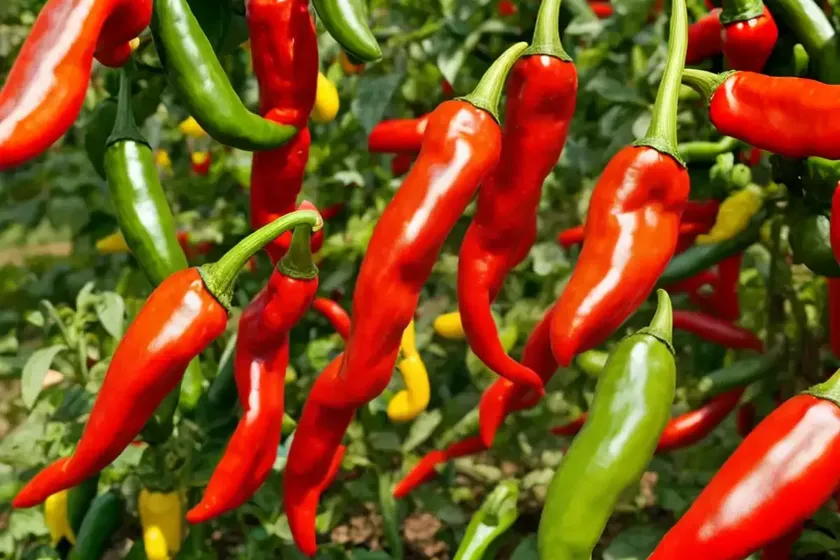
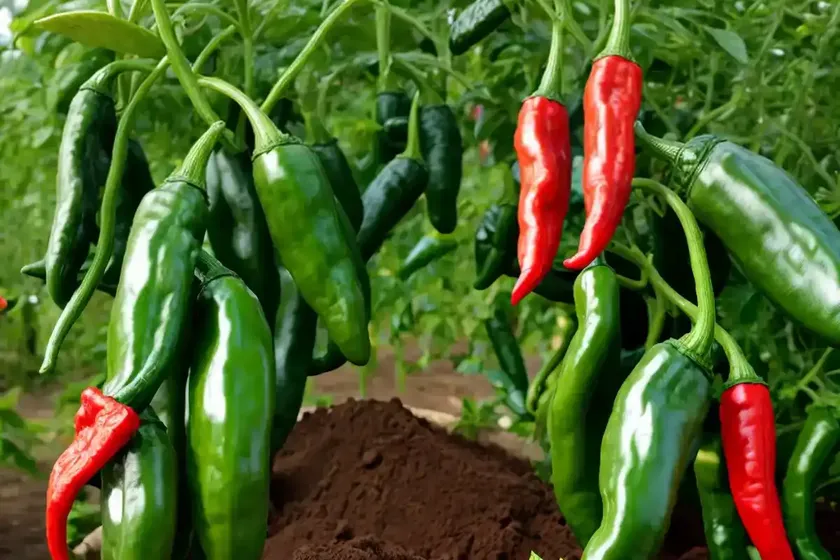
The Jalepeno Chilli Plant, scientifically known as Capsicum annuum, is a popular and versatile plant that is widely cultivated for its spicy fruits. It is a member of the Solanaceae family and is native to Mexico. The plant can be grown both outdoors and in containers, making it a favorite among home gardeners and commercial growers alike. In this comprehensive guide, we will delve into the various aspects of cultivating and caring for the Jalepeno Chilli Plant, including its cultural requirements, uses, common diseases, and pest management, among others.
What is the Jalepeno Chilli Plant (Capsicum annuum)?
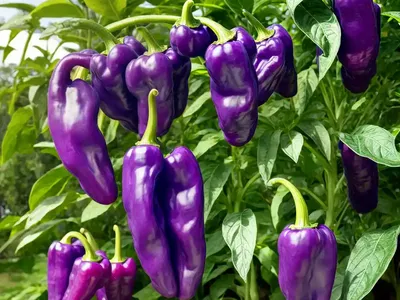
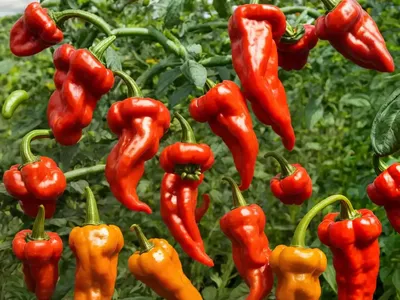
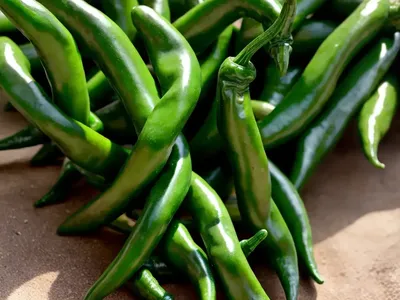
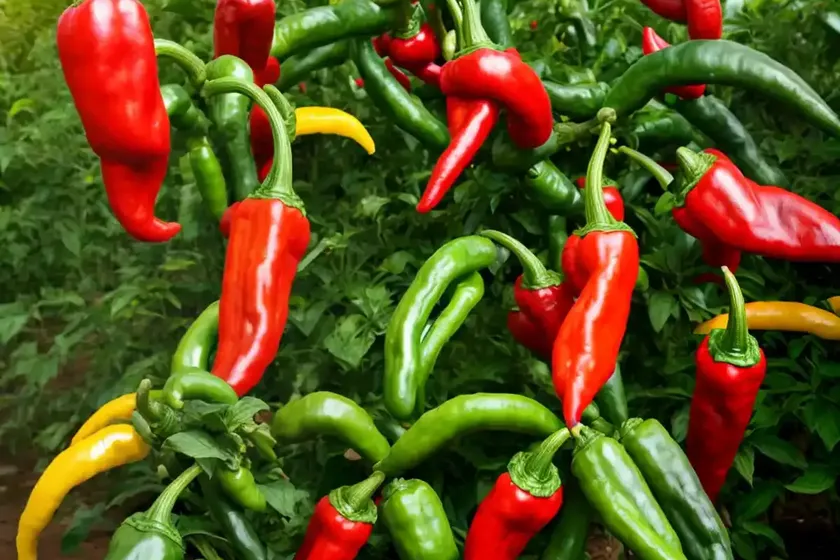
The Jalepeno Chilli Plant is a member of the Capsicum genus, which encompasses a wide variety of peppers, including sweet bell peppers, spicy habaneros, and the popular Jalepeno. Capsicum annuum plants are typically bushy and can reach heights of 2 to 3 feet, with a spread of 1 to 2 feet. The plant produces elongated, green fruits that mature to a deep red color, with a distinctive spicy flavor. These peppers are commonly used in various culinary applications, including salsas, pickling, and as a topping for nachos, making them a staple in many cuisines.
Key Takeaways – Jalepeno Chilli Plant (Capsicum annuum)
Culture
- Origin: The Jalepeno Chilli Plant is native to Mexico and is now cultivated in many regions with suitable climates.
- Growth Habit: It is a bushy, branching plant that produces elongated, green fruits that ripen to red.
Uses
The fruits of the Jalepeno Chilli Plant are widely used in culinary applications, adding spice and flavor to various dishes. They can be consumed fresh, pickled, or dried, and are popular in Mexican, Tex-Mex, and Southwestern cuisine.
Water
- Watering Frequency: Jalepeno Chilli Plants prefer consistent moisture, so they should be watered regularly, especially during dry periods. However, it is essential to avoid overwatering, as this can lead to root rot.
Sunlight
- Light Requirements: The Jalepeno Chilli Plant thrives in full sunlight and requires at least 6 to 8 hours of direct sun per day for optimal growth and fruit production.
Fertilizer
- Fertilization: Use a balanced fertilizer with a higher phosphorus content to promote flowering and fruiting. Apply the fertilizer according to the manufacturer’s instructions, and avoid excessive nitrogen, which can result in lush foliage at the expense of fruit production.
Soil
- Soil Type: Well-draining, fertile soil with a slightly acidic to neutral pH (6.0-7.0) is ideal for Jalepeno Chilli Plants.
- Soil Amendments: Adding organic matter such as compost or well-rotted manure can improve soil structure and fertility, promoting healthy growth.
Pruning
- Pruning Practices: Regular pruning can help maintain the plant’s shape, improve air circulation, and remove diseased or damaged foliage.
Propagation
- Propagation Methods: Jalepeno Chilli Plants can be propagated from seeds or by taking stem cuttings. Seeds should be started indoors several weeks before the last expected frost date.
Container Popularity
- Container Gardening: Jalepeno Chilli Plants are well-suited to container gardening, making them an excellent choice for urban and small-space gardens.
Common Diseases
- Disease Susceptibility: Jalepeno Chilli Plants may be susceptible to various diseases, including fungal infections, bacterial diseases, and viral issues.
Disease Diagnosis
- Symptoms: Common symptoms of diseases in Jalepeno Chilli Plants include wilting, leaf spots, fruit rot, and stunted growth. Proper diagnosis is essential for effective disease management.
Common Pests
Jalepeno Chilli Plants can be affected by a range of pests, including aphids, spider mites, and pepper weevils. Monitoring for early signs of pest infestations is crucial for effective control.
Botanist’s Tips
- Soil Temperature: Plant Jalepeno Chilli seeds or transplants when the soil temperature has reached at least 70°F for optimal germination and growth.
Fun Facts
- The heat of Jalepeno peppers is measured on the Scoville scale, with an average Jalepeno ranging from 2,500 to 8,000 Scoville Heat Units (SHU).
- It is possible to reduce the spiciness of Jalepeno peppers by removing the seeds and inner membranes, where much of the heat-producing compound, capsaicin, is concentrated.
Links to External Resources
Continued below…