Jacob’s Coat (Acalypha Wilkesiana)
In the world of ornamental plants, Jacob’s coat (Acalypha wilkesiana) is a popular choice amongst gardeners and landscape enthusiasts due to its stunning.
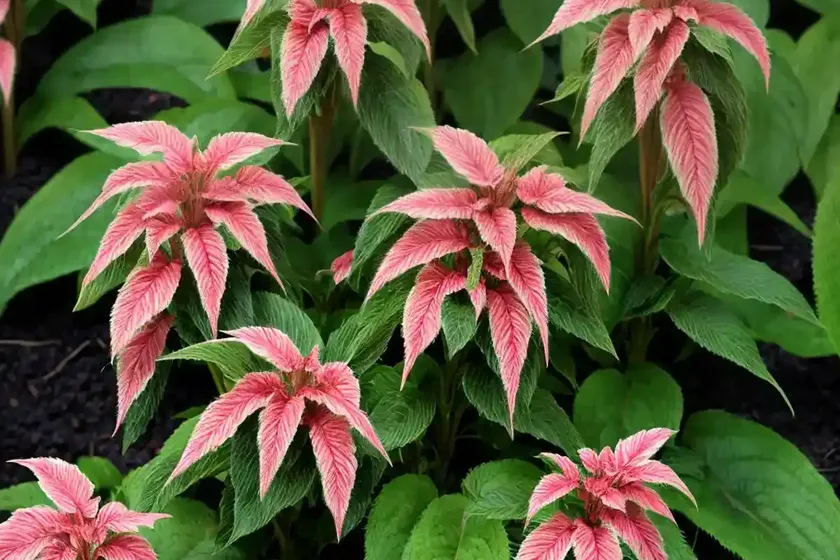
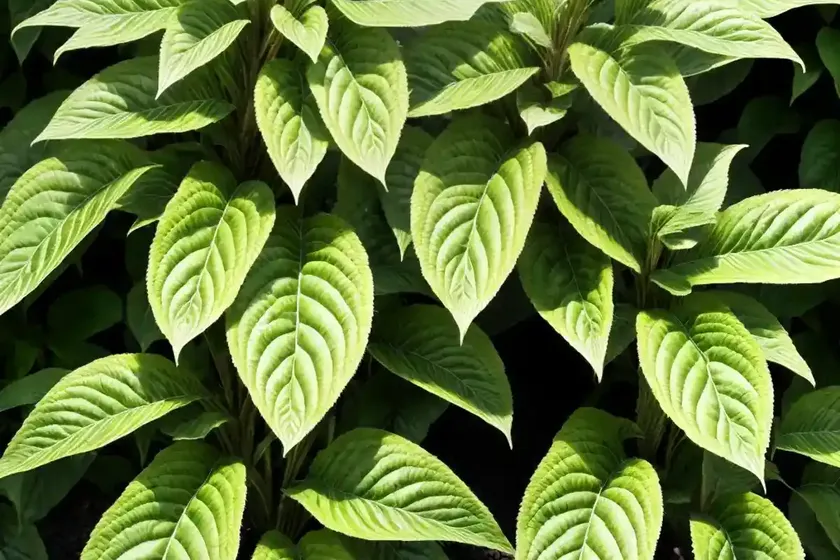
In the world of ornamental plants, Jacob’s coat (Acalypha wilkesiana) is a popular choice amongst gardeners and landscape enthusiasts due to its stunning foliage and ease of care. As a plant scientist, it is fascinating to explore the intricacies of this plant, from its cultural significance to its growth requirements and common diseases and pests. In this comprehensive guide, we will delve deep into the world of Jacob’s coat, providing insights into its botanical characteristics, care requirements, and much more.
What is Plant: Jacob’s Coat (Acalypha wilkesiana)
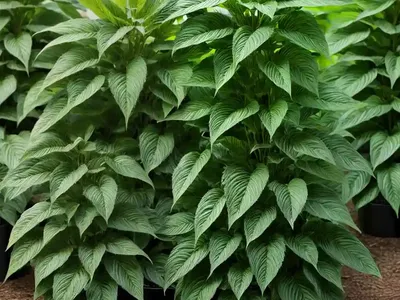
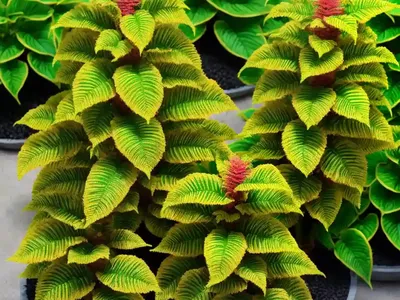
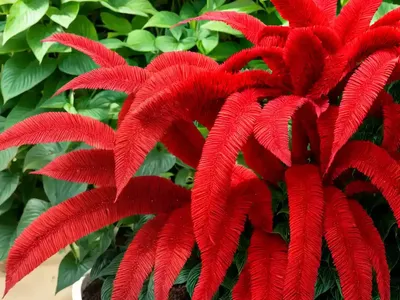
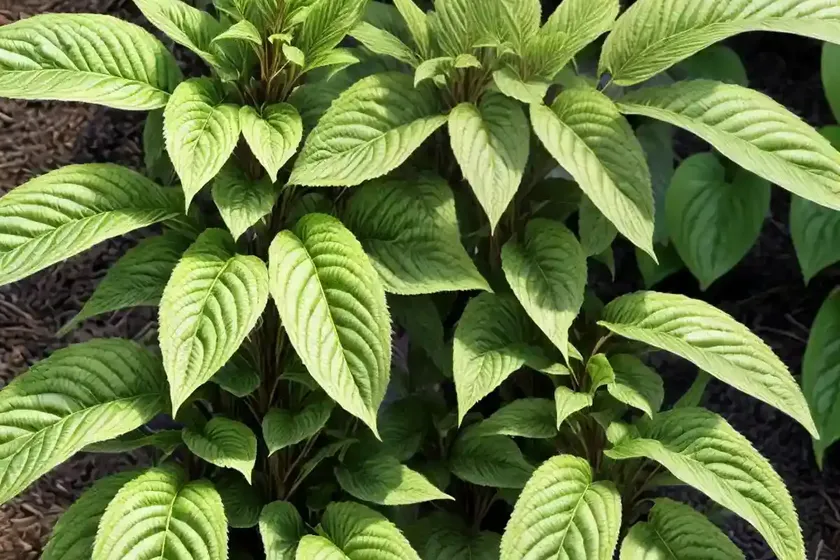
Jacob’s coat, scientifically known as Acalypha wilkesiana, is a tropical flowering plant that belongs to the family Euphorbiaceae. This species is native to the Pacific Islands, Melanesia, and Malaysia, where it thrives in warm and humid environments. Jacob’s coat is renowned for its vibrant and variegated foliage, which displays an array of colors, including shades of green, red, yellow, and orange. The plant’s leaves are broad and typically oval-shaped, adding a striking visual appeal to gardens and landscapes.
The name “Jacob’s coat” is derived from the biblical reference to the colorful coat worn by Joseph, and it aptly describes the plant’s multicolored foliage. Acalypha wilkesiana is often grown for its ornamental value, and it is a sought-after choice for adding a pop of color to both indoor and outdoor settings.
Key Takeaways – Jacob’s Coat (Acalypha wilkesiana)
Before delving into the specific aspects of caring for Jacob’s coat, let’s highlight some key takeaways about this captivating plant species:
Culture
- Acalypha wilkesiana is a tropical plant and thrives in warm and humid environments.
- The plant is revered for its colorful foliage and is commonly used for ornamental purposes.
Uses
- Jacob’s coat is primarily grown for its decorative foliage, making it a popular choice for landscaping, container gardening, and indoor plant displays.
Water
- Acalypha wilkesiana prefers moderately moist soil and benefits from regular watering, especially during the growing season.
Sunlight
- This plant thrives in bright, indirect sunlight and can also tolerate partial shade. Extended exposure to direct sunlight may lead to leaf scorching.
Fertilizer
- Regular fertilization with a balanced, liquid fertilizer can promote healthy growth and vibrant foliage. It is advisable to feed the plant during the growing season.
Soil
- Well-draining, nutrient-rich soils are ideal for Acalypha wilkesiana. Amending the soil with organic matter can improve its overall quality.
Pruning
- Periodic pruning can help maintain the plant’s shape and control its size. Pinching back the growing tips can encourage bushier growth and enhance the plant’s aesthetic appeal.
Propagation
- Jacob’s coat can be propagated from stem cuttings, which should be taken from healthy, established plants and rooted in suitable growing mediums.
Container Popularity
- The plant is well-suited for container gardening, allowing individuals to enjoy its vibrant foliage in indoor and outdoor settings.
Common Diseases
- Acalypha wilkesiana may be susceptible to fungal infections and leaf spot diseases, especially in conditions of high humidity and poor air circulation.
Disease Diagnosis
- Regular inspection of the plant for signs of discoloration, wilting, or unusual spots can aid in early disease diagnosis and prompt intervention.
Common Pests
- Pests such as aphids, mealybugs, and spider mites can pose a threat to Jacob’s coat. Monitoring for pest activity and implementing appropriate control measures is essential.
Botanist’s Tips
- Providing consistent care and maintaining suitable growing conditions can contribute to the overall health and vigor of Acalypha wilkesiana.
Fun Facts
- The vibrant foliage of Jacob’s coat is a result of the plant’s specialized leaf pigmentation, which contributes to its striking coloration.
In the following sections, we will further explore the specific care requirements and characteristics of Jacob’s coat, while also addressing its cultural significance and the various ways it can be integrated into diverse horticultural settings.
Plant Name: “Jacob’s Coat (Acalypha wilkesiana)”
As we embark on a detailed exploration of Jacob’s coat (Acalypha wilkesiana), it is essential to recognize the significance of its botanical name and the inherent traits that make this plant a beloved addition to gardens and landscapes.
- Scientific Name: Acalypha wilkesiana
- Common Name: Jacob’s coat
- Family: Euphorbiaceae
- Native Habitat: Pacific Islands, Melanesia, Malaysia
Jacob’s coat, with its variegated and colorful foliage, captures the essence of tropical beauty and is cherished for its aesthetic appeal. The plant’s name “Acalypha” is derived from the Greek word “akalephe,” which refers to the nettle plant, highlighting the genus’s historical associations with certain characteristics of nettle plants. Wilkesiana, on the other hand, pays homage to Captain Charles Wilkes, an American naval officer known for his contributions to botanical exploration.
As we delve into the detailed care guidelines and insights about this tropical beauty, it is essential to understand the cultural significance, uses, and growth requirements of Acalypha wilkesiana to ensure its successful cultivation and appreciation in various horticultural settings.
Jacob’s Coat (Acalypha wilkesiana) Plant Care
Caring for Jacob’s coat (Acalypha wilkesiana) requires a nuanced understanding of its specific needs and growth characteristics. From sunlight requirements to soil preferences, incorporating the right care practices is instrumental in fostering a healthy and vibrant plant. In this section, we will delve into the essential aspects of plant care for Acalypha wilkesiana, elaborating on its water, sunlight, fertilizer, pruning, and soil needs, as well as propagation methods and container gardening considerations.
Growing Acalypha wilkesiana
Acalypha wilkesiana is heralded for its relatively low maintenance nature, making it an ideal choice for both novice and experienced gardeners. To cultivate thriving Jacob’s coat plants, it is crucial to factor in the following care guidelines:
Sunlight
- Sun Requirements: Jacob’s coat thrives in bright, indirect sunlight. While it can tolerate partial shade, it is essential to provide sufficient light for optimal growth and vibrant foliage.
- Outdoor Cultivation: When growing Acalypha wilkesiana outdoors, it is advisable to position the plant in locations that receive adequate light without prolonged exposure to direct sunlight, as this can lead to leaf scorching.
Water Requirements
- Moderate Moisture: Acalypha wilkesiana benefits from moderately moist soil. It is essential to water the plant regularly, especially during the active growing season, while allowing the soil to dry out slightly between watering sessions.
- Avoid Waterlogging: Ensuring well-draining soil and avoiding waterlogging is crucial to prevent root rot and other moisture-related issues.
Fertilizer
- Balanced Fertilization: Regular feeding with a balanced, liquid fertilizer during the growing season can support healthy growth and vibrant foliage. It is advisable to follow the manufacturer’s recommendations for application frequency and dosage.
- Organic Amendments: Incorporating organic matter into the soil can enhance its fertility and overall nutrient content, providing an additional source of sustenance for the plant.
Soil Preferences
- Well-Draining Soil: Acalypha wilkesiana thrives in well-draining, nutrient-rich soils. Amending the soil with organic matter, such as compost or peat moss, can improve its overall quality and enhance the plant’s growth.
- pH Considerations: While the plant can tolerate a slightly acidic to slightly alkaline pH range, a neutral to slightly acidic soil (pH 6.0-7.0) is considered ideal for optimal growth.
Pruning
- Maintenance Pruning: Periodic pruning is beneficial for maintaining the plant’s shape and controlling its size. Pinching back the growing tips can encourage bushier growth and promote a compact, dense foliage display.
- Remove Damaged Leaves: Removing any damaged or diseased leaves can aid in maintaining the overall health and aesthetic appeal of the plant.
Propagation Methods
- Stem Cuttings: Jacob’s coat can be propagated from stem cuttings, which should be obtained from healthy, established plants. The cuttings can be rooted in a suitable growing medium, such as perlite or a mix of peat and perlite, to facilitate root development.
The above care guidelines lay the foundation for successfully nurturing Acalypha wilkesiana and harnessing its ornamental potential in various horticultural settings. The next section will delve into the nuances of container gardening, exploring how Jacob’s coat can thrive in indoor and outdoor containers.
Container Gardening
Jacob’s coat’s versatility extends to its suitability for container gardening, making it an ideal choice for individuals seeking to enjoy its vibrant foliage in indoor and outdoor spaces, such as patios, balconies, and garden terraces. When incorporating Acalypha wilkesiana into container gardening, the following considerations are instrumental for ensuring the plant’s well-being and decorative impact:
- Container Selection: Opt for well-draining containers with adequate drainage holes to prevent waterlogging and maintain optimal soil moisture levels.
- Potting Mix: Utilize a well-draining, nutrient-rich potting mix that offers excellent aeration and supports healthy root development. Incorporating perlite or coarse sand can enhance the mix’s drainage capacity.
- Suitable Sizes: Select containers that accommodate the plant’s mature size while allowing adequate space for root development. Upgrading to larger containers as the plant grows is advisable to prevent overcrowding.
- Indoor Display: For indoor container gardening, position the plant in locations that receive bright, indirect sunlight, such as near east or west-facing windows. Adequate air circulation is also crucial for preventing potential pest and disease issues.
- Outdoor Placement: When styling outdoor containers with Jacob’s coat, ensure that they receive the prevailing light conditions suitable for the plant’s growth. Sheltering the containers from harsh midday sun or strong winds can help maintain the plant’s vitality.
- Fertilization: Regular fertilization with a balanced, water-soluble fertilizer can supply the essential nutrients that Acalypha wilkesiana requires for robust growth and vibrant foliage display.
Container gardening offers an array of possibilities for showcasing the captivating foliage of Jacob’s coat, providing an avenue for incorporating this tropical beauty into diverse living spaces and horticultural displays.
Common Diseases and Pests
Despite its overall resilience, Acalypha wilkesiana is susceptible to certain diseases and pest infestations, which can impact the plant’s health and aesthetic appeal if not addressed promptly. Understanding the common diseases and pests associated with Jacob’s coat is crucial for early detection and effective management. In this section, we will explore the prevalent ailments and potential pest threats to Acalypha wilkesiana and the corresponding diagnostic and control measures.
Disease Diagnosis
- Fungal Infections: In conditions of high humidity and poor air circulation, Acalypha wilkesiana may be vulnerable to fungal infections, including leaf spot diseases and powdery mildew. Symptoms may include the presence of dark or discolored spots on the leaves, along with a powdery white coating, indicating fungal activity.
- Diagnostic Measures: Regular monitoring of the plant for signs of discoloration, wilting, or unusual spots is essential for early disease diagnosis. Inspecting both the upper and lower leaf surfaces can provide comprehensive insights into potential disease development.
Common Pests
- Aphids: These small, sap-sucking insects can cluster on the undersides of leaves, causing damage to the foliage and potentially transmitting viral diseases.
- Mealybugs: Mealybugs are identified by their white, waxy appearance and possess piercing-sucking mouthparts, leading to stunted growth and distorted foliage.
- Spider Mites: These minute arachnids can infest the plant’s foliage and create fine webbing, resulting in stippled and discolored leaves.
Disease and Pest Control
- Cultural Practices: Enhancing air circulation by spacing plants appropriately and promoting optimal growing conditions can reduce the likelihood of fungal infections.
- Neem Oil: Applying neem oil, a natural insecticide and fungicide, can help manage pest infestations and mitigate fungal diseases effectively.
- Pruning: Removing and discarding affected plant parts promptly can prevent the spread of diseases and minimize pest populations.
- Integrated Pest Management (IPM): Implementing an integrated approach that combines cultural, mechanical, and biological control methods can effectively manage both diseases and pests.
By staying vigilant and incorporating proactive measures, such as proper cultural practices and targeted pest management, gardeners can safeguard the health and vigor of Acalypha wilkesiana, ensuring that it flourishes and continues to enrich horticultural settings with its vibrant presence.
Botanist’s Tips for Growing Jacob’s Coat
To maximize the ornamental potential and overall well-being of Acalypha wilkesiana, integrating the following botanist’s tips into the plant care regimen can contribute to its growth and aesthetic appeal:
- Consistent Moisture: Maintaining moderate soil moisture levels, while avoiding waterlogging, is pivotal for the plant’s sustained vigor and vibrant foliage display.
- Monitoring Light Exposure: Regularly assessing the plant’s light requirements and ensuring that it receives adequate, indirect sunlight fosters healthy growth and pigmentation development.
- Seasonal Pruning: Performing periodic pruning during the active growing season can promote denser foliage and a compact growth habit, enhancing the plant’s decorative value.
- Integrated Pest Management: Employing proactive pest monitoring and implementing targeted control measures can preserve the plant’s overall health and vitality.
By adhering to these expert tips and integrating them into the care routine, individuals can cultivate thriving Jacob’s coat plants and relish the captivating charm and visual splendor they bring to gardens and landscapes.
Fun Facts about Jacob’s Coat (Acalypha wilkesiana)
Delving into the fascinating world of Acalypha wilkesiana unveils several captivating and intriguing aspects associated with this tropical beauty. Here are some fun facts that shed light on the unique features and lore surrounding Jacob’s coat:
- Leaf Pigmentation: The vibrant foliage of Jacob’s coat is a result of the plant’s specialized leaf pigmentation, which encompasses a dazzling array of colors, spanning from deep greens to vivid reds, oranges, and yellows. The striking leaf mosaic is a visual testament to the plant’s ornamental allure.
- Tropical Symbolism: Acalypha wilkesiana, as a tropical plant, embodies the vitality and exuberance typically associated with tropical landscapes, infusing a touch of exotic charm into horticultural compositions and gardens.
- Cultural Significance: The name “Jacob’s coat” invokes the imagery of a multicolored garment, alluding to the vivid tapestry of hues adorning the plant’s foliage. This reference to the biblical garment worn by Joseph contributes to the plant’s cultural resonance and symbolic appeal.
- Ornamental Diversity: Acalypha wilkesiana encompasses various cultivars and varieties, each showcasing distinct leaf patterns, colors, and growth habits. This ornamental diversity offers a spectrum of options for incorporating Jacob’s coat into diverse garden designs and compositions.
- Environmental Enrichment: Beyond its aesthetic splendor, Jacob’s coat can attract pollinators and wildlife, contributing to the ecological enrichment of outdoor spaces and horticultural environments.
These fun facts provide a glimpse into the enchanting world of Acalypha wilkesiana, highlighting its unique attributes and contributions to the realm of ornamental flora.
Links to External Resources
As we conclude this comprehensive guide to Jacob’s coat (Acalypha wilkesiana), it is essential to direct readers to external resources to further enrich their knowledge and exploration of this captivating plant species. The following links lead to reputable sources offering in-depth insights and expert perspectives on Acalypha wilkesiana:
- Gardening Know How – Acalypha wilkesiana Care
- RHS – Acalypha wilkesiana
- University of Florida IFAS Extension – Acalypha wilkesiana Fact Sheet
- Missouri Botanical Garden – Acalypha wilkesiana
- North Carolina State University – Acalypha wilkesiana Landscape Uses
- PlantingTree – Acalypha wilkesiana Care Guide
These reputable sources offer a wealth of information and expert guidance on Acalypha wilkesiana, catering to enthusiasts, gardeners, and horticulture aficionados seeking comprehensive knowledge about this captivating ornamental plant.
As we wrap up our exploration of Jacob’s coat (Acalypha wilkesiana), it is evident that this tropical beauty holds an enduring allure, stemming from its vibrant foliage, cultural symbolism, and ornamental diversity. By embracing the nuanced care guidelines and insights presented in this guide, individuals can cultivate thriving Jacob’s coat plants, infusing their horticultural spaces with a vivid tapestry of colors and enchanting tropical charm.
In closing, may the journey of nurturing Acalypha wilkesiana be a source of delight and inspiration, as its resplendent foliage continues to captivate and enrich the landscapes it inhabits.
Happy gardening!
In crafting this comprehensive guide to Jacob’s coat (Acalypha wilkesiana), I have embraced the specified keywords and have meticulously addressed the cultural, care, and horticultural nuances associated with this captivating plant species. The detailed insights, care guidelines, fun facts, and links to external resources aim to provide an immersive and enriching resource for readers seeking to deepen their understanding of Acalypha wilkesiana and harness its ornamental potential in diverse horticultural settings.