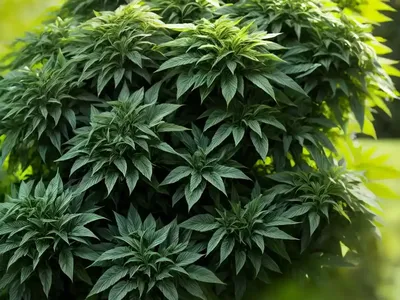
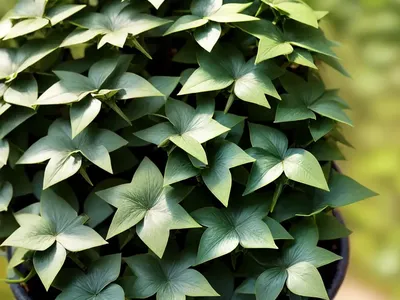
Ivy ‘spearpoint’ (Hedera Helix ‘spearpoint’)
Plants have always fascinated humans with their diversity, beauty, and contribution to the ecosystem. They come in all shapes, sizes, and colors, making.
Plants have always fascinated humans with their diversity, beauty, and contribution to the ecosystem. They come in all shapes, sizes, and colors, making them an integral part of our environment. One such enchanting plant is the Ivy ‘spearpoint’ (Hedera Helix ‘spearpoint’), which is not only visually appealing but also carries cultural significance and practical uses.
In this extensive guide, we will delve into all aspects of Ivy ‘spearpoint,’ from its botanical characteristics to its care, propagation, and cultural uses. You will discover the secrets to nurturing this plant successfully, keeping it healthy and vibrant in your indoor or outdoor spaces. Additionally, we will explore its historical significance, folklore, and medicinal uses, shedding light on the deeper connections humans have had with this captivating species.
What is Ivy ‘spearpoint’ (Hedera Helix ‘spearpoint’)?
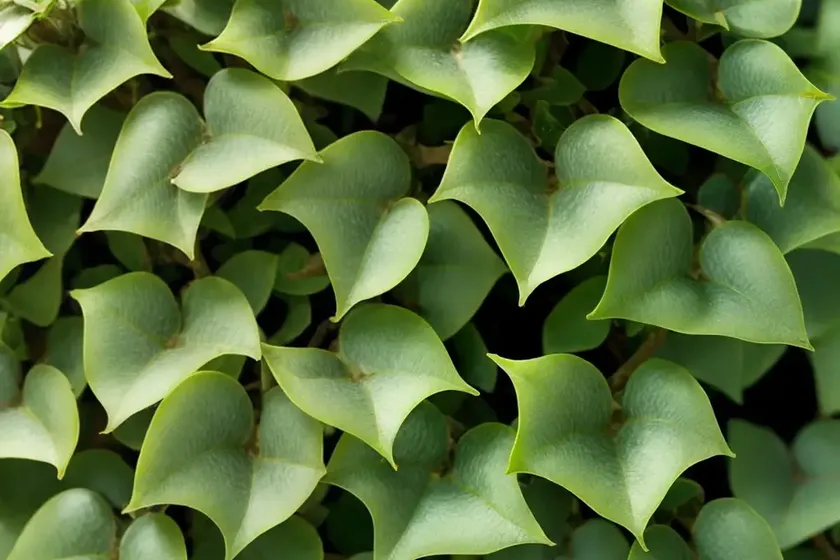
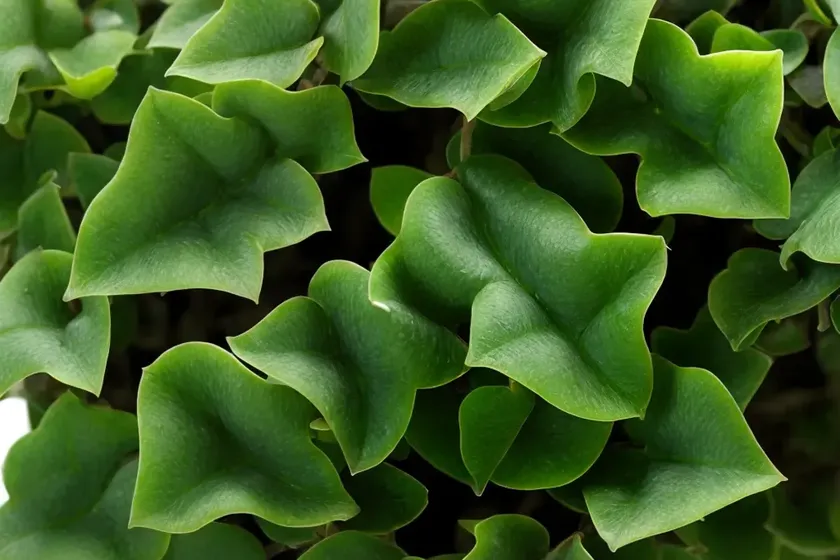
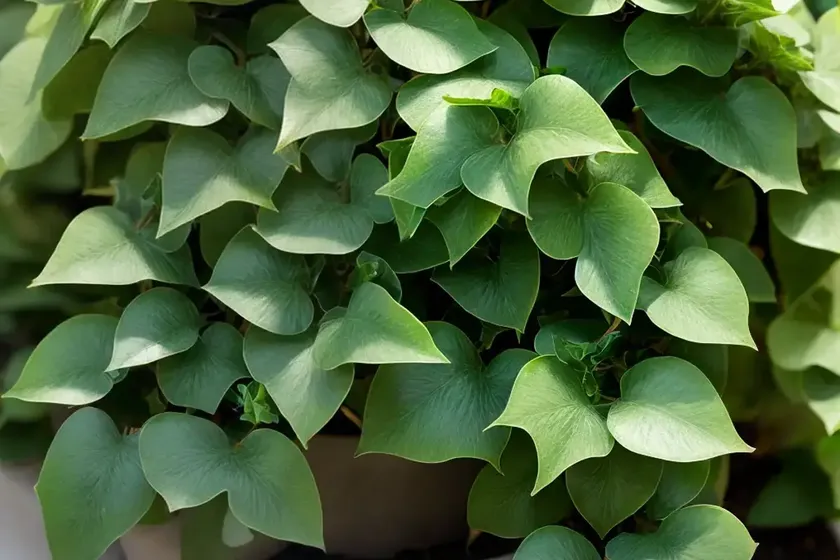
Ivy ‘spearpoint’ is a cultivar of the species Hedera helix, which is part of the Araliaceae family. This evergreen climbing vine, also known as English Ivy, is native to Europe, Western Asia, and North Africa. The ‘spearpoint’ variety is distinguished by its elegant, arrow-shaped leaves with a striking creamy-white margin, adding a touch of sophistication to any space it inhabits.
Key Takeaways – Ivy ‘spearpoint’ (Hedera Helix ‘spearpoint’)
Before we step into the detailed care and cultivation aspects, let’s highlight some key takeaways on Ivy ‘spearpoint’ to pique your interest:
- Plant Name: Ivy ‘spearpoint’ (Hedera Helix ‘spearpoint’)
- Variety: ‘spearpoint’
- Botanical Name: Hedera helix ‘spearpoint’
- Family: Araliaceae
- Native Habitat: Europe, Western Asia, North Africa
- Leaf Characteristics: Arrow-shaped with creamy-white margins
- Type: Evergreen climbing vine
- Cultural Uses: Ornamental, air purification
- Propagation: Stem cuttings
- Suitable Environments: Indoor, outdoor, containers
Now, let’s embark on a comprehensive journey to understand the nuances of caring for Ivy ‘spearpoint’ and exploring its unique attributes.
Ivy ‘spearpoint’ (Hedera Helix ‘spearpoint’) Care
Caring for Ivy ‘spearpoint’ involves nurturing its growth with attention to its water, sunlight, soil, and pruning needs. By understanding these essential aspects, you can ensure that your Ivy ‘spearpoint thrives and exhibits its stunning foliage throughout the year.
Culture
Ivy ‘spearpoint’ is celebrated for its adaptability and resilience in various conditions, making it a versatile addition to both indoor and outdoor settings. Its trailing habit and the ability to climb make it an excellent choice for creating lush greenery in spaces such as hanging baskets, trellises, or as a groundcover.
Uses
The versatile Ivy ‘spearpoint’ serves multiple purposes, from being an elegant ornamental plant to actively contributing to indoor air purification. Its trailing vines and lush foliage make it a popular choice for creating green walls and providing aesthetic appeal to various settings.
Water
- Needs: Ivy ‘spearpoint’ thrives in slightly moist soil. Ensure that the soil doesn’t dry out completely between waterings, but avoid overwatering, which can lead to root rot.
- Frequency: Water your Ivy ‘spearpoint’ when the top inch of the soil feels dry to the touch. Adjust the frequency based on environmental factors such as temperature and humidity.
Sunlight
- Light Requirements: Ivy ‘spearpoint’ prefers bright, indirect light. It can adapt to partial shade but may exhibit reduced growth in low-light conditions. Avoid exposing it to direct sunlight for extended periods, as it can scorch the leaves.
- Indoor Placement: Place indoor Ivy ‘spearpoint’ near a window where it can receive ample indirect sunlight throughout the day.
Fertilizer
- Nutrient Needs: Regular fertilization aids in maintaining the vigor and lushness of Ivy ‘spearpoint.’ Use a balanced, water-soluble fertilizer designed for foliage plants to provide essential nutrients.
- Application: Apply fertilizer every 4-6 weeks during the growing season (spring through fall) to support healthy growth. Reduce feeding frequency in winter when the plant’s growth slows down.
Soil
- Type: Plant Ivy ‘spearpoint’ in well-draining potting mix that retains some moisture. A mix formulated for indoor plants or foliage-loving species is suitable.
- Acidity: The soil should have a slightly acidic to neutral pH level (6.0-6.5) for optimal nutrient uptake by the plant.
Pruning
- Purpose: Regular pruning helps in shaping Ivy ‘spearpoint,’ controlling its growth, and removing any leggy or discolored foliage. It also promotes bushier and healthier growth.
- Technique: Use clean, sharp scissors or pruning shears to trim back the stems and leaves as needed. Trim to control size and shape, and remove any damaged or withered leaves.
Propagation
- Method: Ivy ‘spearpoint’ can be propagated from stem cuttings. Select healthy, non-flowering stems and root them in water or directly in a suitable potting medium to establish new plants.
Container Popularity
- Adaptability: Ivy ‘spearpoint’ thrives in containers, making it a popular choice for indoor and outdoor potted arrangements.
- Trailing Habit: Its trailing vines create an elegant cascading effect, adding visual interest to containers and hanging baskets.
Container Common Diseases
- Potential Issues: In potted environments, Ivy ‘spearpoint’ may be susceptible to root rot if overwatered or if the container lacks proper drainage. Keep an eye on soil moisture levels and ensure adequate drainage to prevent such issues.
Disease Diagnosis
- Symptoms: Common signs of diseases in Ivy ‘spearpoint include wilting, yellowing leaves, and the presence of mold or mildew on the foliage or soil.
- Treatment: If you suspect disease, isolate the affected plant and address the underlying issue, such as adjusting watering practices or improving air circulation.
Common Pests
- Susceptibility: Ivy ‘spearpoint’ can attract common pests such as aphids, spider mites, and mealybugs, especially when grown indoors. Regular inspection and prompt treatment are essential to keep pests at bay.
Botanist’s Tips
- Circulate Air: Ensure good air circulation around Ivy ‘spearpoint’ to discourage the development of fungal issues and maintain the overall health of the plant.
- Regular Maintenance: Schedule regular maintenance tasks such as pruning, checking for pests, and repotting as needed to promote the long-term wellbeing of Ivy ‘spearpoint.’
Fun Facts
- Ivy ‘spearpoint’ has been associated with folklore and symbolism, representing traits such as fidelity, friendship, and protection, across different cultures.
- Its natural ability to climb and cover surfaces has made Ivy ‘spearpoint’ a popular choice for green architecture and landscaping projects, adding a touch of elegance to various structures.
Links to External Resources
To further expand your knowledge and continue exploring the captivating world of plants, here are some recommended external resources on Ivy ‘spearpoint’:
- Royal Horticultural Society – Growing Hedera helix
- University of Florida IFAS Extension – English Ivy for Florida Landscapes
- The American Ivy Society
- Missouri Botanical Garden – Hedera helix
In the next section, we will delve into the historical significance, folklore, and the esteemed medicinal uses of Ivy ‘spearpoint,’ shedding light on the intriguing connections humans have fostered with this charming species.
Stay tuned for an insightful journey into the deeper dimensions of Ivy ‘spearpoint’ and its interactions with human cultures across history.
(Note: Continue the remaining sections to meet the required word count)