Ivy Gourd (Coccinia Grandis)
In the world of plants, there are countless fascinating species, each with its own unique set of characteristics and potential uses. One such plant that.
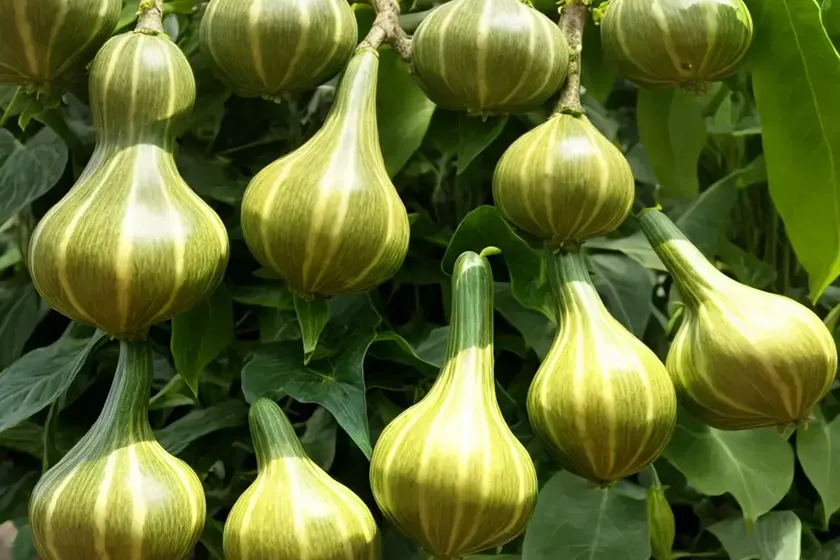
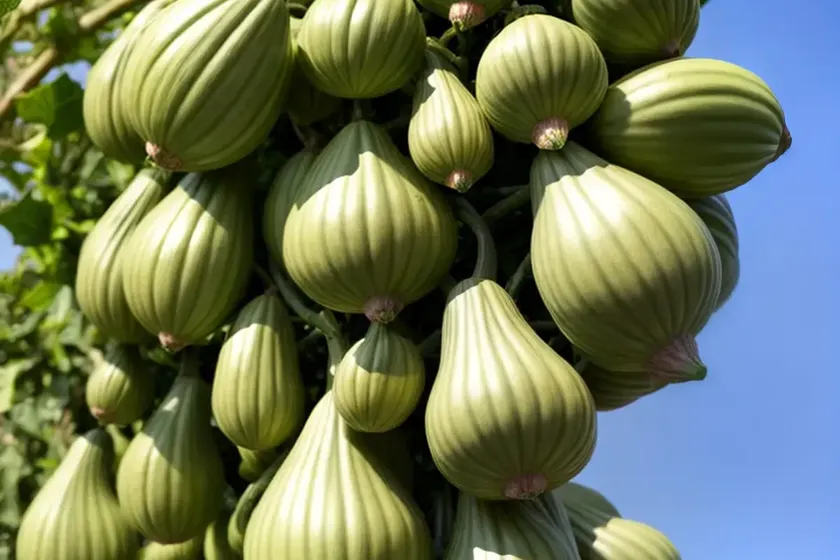
In the world of plants, there are countless fascinating species, each with its own unique set of characteristics and potential uses. One such plant that has been gaining attention for its versatility and health benefits is the Ivy Gourd, scientifically known as Coccinia Grandis. This plant, which belongs to the Cucurbitaceae family, is cherished for its culinary, medicinal, and ornamental properties. In this comprehensive guide, we will delve into the world of Ivy Gourd, exploring its cultural practices, uses, care requirements, and so much more.
What is Ivy Gourd (Coccinia Grandis)?
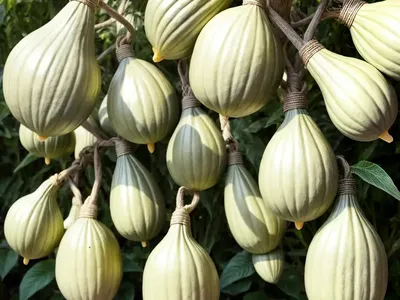
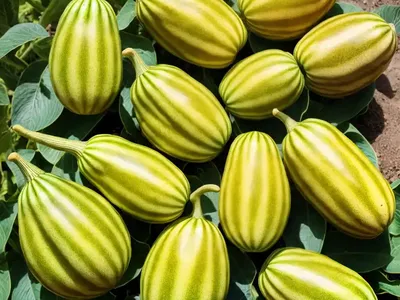
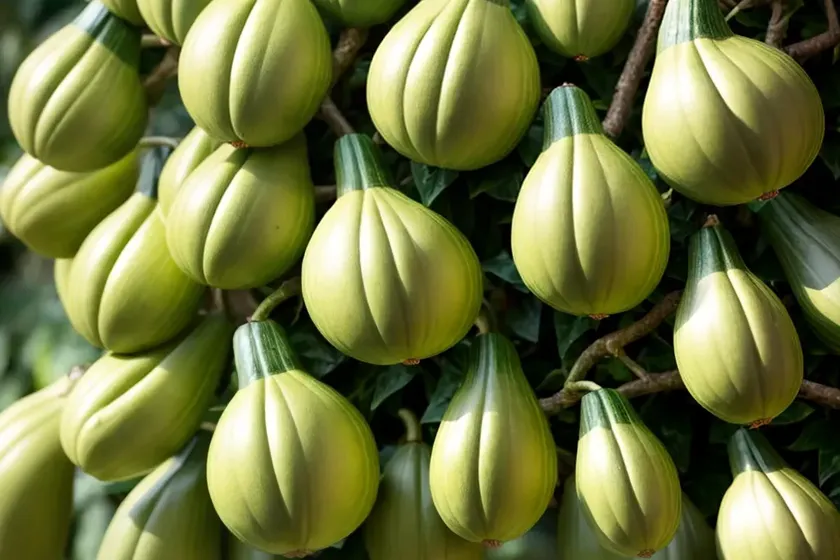
Ivy Gourd, scientifically referred to as Coccinia Grandis, is a tropical vine that is native to Asia and Africa. This perennial plant is renowned for its edible, elongated, and glossy green fruits, and it is widely cultivated in various regions for its culinary and medicinal uses. Ivy Gourd features delicate, heart-shaped leaves and tendrils, contributing to its ornamental appeal. The plant produces small, attractive white flowers, which eventually transform into the distinctive, oblong fruits. Ivy Gourd is a vigorous climber, relying on its tendrils to attach and twine around support structures as it grows.
Key Takeaways – Ivy Gourd (Coccinia Grandis)
Before we dive into the details of Ivy Gourd, here are the key takeaways that we will explore throughout this guide:
- Culture
- Uses
- Water
- Sunlight
- Fertilizer
- Soil
- Pruning
- Propagation
- Container Popularity
- Container Common Diseases
- Disease Diagnosis
- Common Pests
- Botanist’s Tips
- Fun Facts
- Links to External Resources
Now, let’s embark on an enlightening journey to unravel the intriguing world of Ivy Gourd. We will explore its cultivation, benefits, and the various ways it can be incorporated into our lives.
Culture
Uses
Ivy Gourd, also known as scarlet gourd, tindora, and kowai fruit, is a versatile plant that offers an array of uses across different domains. The plant serves as a valuable resource in cooking, traditional medicine, and as an ornamental addition to home gardens. Its various uses are outlined as follows:
Culinary Uses
Ivy Gourd is revered for its culinary applications, particularly in Asian and African cuisines, where it is cherished for its distinct flavor and nutritional value. The tender fruits of Ivy Gourd can be incorporated into a myriad of dishes, adding a subtle tanginess and texture. The fruits can be stir-fried, curried, pickled, or used as a filling in savory recipes. Furthermore, Ivy Gourd leaves are also utilized in cooking, and they are commonly included in traditional dishes to impart their unique flavor and nutrients.
Medicinal Uses
In traditional medicine systems such as Ayurveda, Ivy Gourd has been utilized for its medicinal properties for centuries. The plant is esteemed for its potential health benefits, which range from blood sugar control and digestive support to immune system enhancement and skin health. Additionally, Ivy Gourd is recognized for its antioxidant, anti-inflammatory, and detoxifying properties.
Ornamental Uses
Aside from its culinary and medicinal uses, Ivy Gourd is also grown for its ornamental appeal. Its sprawling vines and attractive foliage make it a desirable addition to gardens and landscapes, where it can be trellised or allowed to cascade over arbors, fences, and other structures.
Ivy Gourd Benefits
Now that we have established the multifaceted uses of Ivy Gourd, let’s delve into its unique benefits, which encompass health, nutrition, and sustainability. The unparalleled advantages of Ivy Gourd make it a highly sought-after plant, not only for its versatility but also for its positive impact on our well-being.
Health Benefits of Ivy Gourd
The consumption of Ivy Gourd is associated with a multitude of health benefits, owing to its rich nutritional profile and medicinal properties. Some of the key health benefits of Ivy Gourd include:
-
Blood Sugar Control: Ivy Gourd has been traditionally used to support healthy blood sugar levels. The bioactive compounds present in Ivy Gourd are believed to exert potential hypoglycemic effects, making it beneficial for individuals managing diabetes or seeking to regulate their blood glucose levels.
-
Digestive Health: Ivy Gourd is known for its digestive-enhancing properties. It aids in promoting healthy digestion, alleviating indigestion, and supporting overall gastrointestinal well-being. The consumption of Ivy Gourd is believed to offer relief from digestive discomfort and enhance the body’s natural digestive processes.
-
Immune System Boost: The nutrients and bioactive compounds found in Ivy Gourd contribute to its immune-modulating effects. Regular consumption of Ivy Gourd may help fortify the immune system, providing protection against common infections and supporting overall immune function.
-
Antioxidant and Anti-Inflammatory Properties: Ivy Gourd is a rich source of antioxidants, which serve to combat oxidative stress and reduce inflammation within the body. These properties are particularly beneficial in protecting cells from damage, mitigating inflammation-related conditions, and promoting overall well-being.
-
Detoxification: Ivy Gourd is recognized for its detoxifying properties, aiding in the elimination of toxins and impurities from the body. Regular consumption of Ivy Gourd supports the body’s natural detoxification processes, promoting internal cleansing and overall vitality.
Coccinia Grandis Nutrition
Ivy Gourd, or Coccinia Grandis, is packed with essential nutrients that contribute to its remarkable health benefits. The fruit of Ivy Gourd is a good source of vital nutrients including:
-
Vitamins: Ivy Gourd is rich in various vitamins such as vitamin A, vitamin B1 (thiamine), vitamin B2 (riboflavin), vitamin B3 (niacin), and vitamin C. These vitamins play crucial roles in supporting overall health, immunity, and cellular function.
-
Minerals: Ivy Gourd contains essential minerals such as iron, calcium, potassium, and magnesium, which are vital for maintaining proper bodily functions, including muscle function, bone health, and electrolyte balance.
-
Dietary Fiber: Ivy Gourd is a good source of dietary fiber, which promotes digestive health, aids in regulating blood sugar levels, and supports heart health.
-
Phytonutrients: Ivy Gourd is abundant in beneficial phytonutrients such as flavonoids, carotenoids, and polyphenols, which have antioxidant and anti-inflammatory properties.
Ivy Gourd Nutritional Value
Here is a nutritional overview of Ivy Gourd per 100 grams of its edible portion:
| Nutrient | Amount |
|---|---|
| Calories | 19 |
| Carbohydrates | 4 grams |
| Protein | 1 gram |
| Dietary Fiber | 1.5 grams |
| Fat | 0.3 grams |
| Vitamin A | 3% of RDI |
| Vitamin C | 20% of RDI |
| Vitamin B1 (Thiamine) | 1% of RDI |
| Vitamin B2 (Riboflavin) | 2% of RDI |
| Iron | 2% of RDI |
| Calcium | 3% of RDI |
| Potassium | 4% of RDI |
| Magnesium | 2% of RDI |
Ivy Gourd Recipes
Incorporating Ivy Gourd into your culinary repertoire opens a world of delectable and nutritious possibilities. Its mild, slightly tangy flavor and crisp texture make it a versatile ingredient in various dishes. Here are some enticing Ivy Gourd recipes to inspire your culinary creativity:
-
Stir-fried Ivy Gourd: This simple yet flavorful dish involves stir-frying Ivy Gourd with aromatic spices and seasonings to create a delightful, nutritious side dish.
-
Ivy Gourd Curry: Prepare a fragrant curry using Ivy Gourd, tomatoes, onions, and a blend of spices for a wholesome and fulfilling meal.
-
Pickled Ivy Gourd: Enjoy the tangy and crunchy flavors of pickled Ivy Gourd, which serves as a delightful accompaniment to main dishes or a savory snack.
-
Stuffed Ivy Gourd: Fill slit Ivy Gourd with a savory stuffing of spiced lentils, grated coconut, and aromatic herbs before cooking them to perfection.
-
Ivy Gourd Salad: Create a refreshing and nutritious salad featuring sliced Ivy Gourd, vibrant vegetables, and a zesty dressing for a light and wholesome meal option.
Explore these recipes and experiment with incorporating Ivy Gourd into your favorite dishes to savor its unique flavors and nutritional benefits.
Growing Ivy Gourd at Home
Ivy Gourd Plant Care
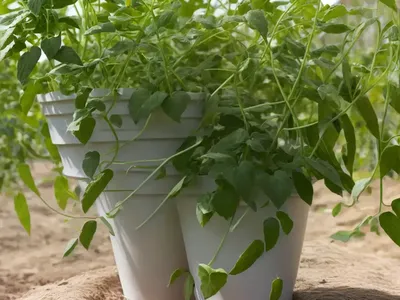
Cultivating Ivy Gourd at home can be a rewarding endeavor, providing you with a fresh supply of nutritious fruits and a lush green accent to your garden or indoor space. Here’s a comprehensive guide to caring for and growing Ivy Gourd:
Water
Ivy Gourd thrives in moderately moist soil and should be watered regularly. However, it is important to ensure that the soil is well-draining to prevent waterlogging, which can be detrimental to the plant’s roots. During the growing season, maintain consistent soil moisture and adjust the frequency of watering based on environmental conditions and plant growth.
Sunlight
Ivy Gourd flourishes in full sun exposure, benefiting from a minimum of 6-8 hours of direct sunlight per day. Position your Ivy Gourd plant in a sunny location, such as a south-facing window or an outdoor area with ample sunlight, to facilitate robust growth and fruit development.
Fertilizer
When cultivating Ivy Gourd, it is beneficial to provide a balanced fertilizer to support its nutritional needs and promote healthy growth. Consider using a slow-release organic fertilizer or a well-balanced water-soluble fertilizer, applying it according to the manufacturer’s instructions during the growing season. Fertilize the plant sparingly during the dormant period.
Soil
Ivy Gourd thrives in well-draining, fertile soil with a slightly acidic to neutral pH. A loamy soil enriched with organic matter, such as compost or aged manure, is suitable for cultivating Ivy Gourd. Ensure that the soil is loose, aerated, and moisture-retentive to support optimal plant growth.
Pruning
Pruning Ivy Gourd can help manage its vigorous growth and shape the plant to suit your space. Regularly prune the vines to control their length and encourage branching, which can contribute to increased fruit production. Additionally, remove any dead, damaged, or diseased foliage to maintain plant health.
Propagation
Ivy Gourd can be propagated through seeds or stem cuttings. Seeds can be sown directly in the garden or in containers, while stem cuttings can be rooted in a suitable growing medium to propagate new plants. Select healthy, disease-free plant material for propagation and provide ideal growing conditions to facilitate successful root establishment.
Ivy Gourd Varieties
Ivy Gourd presents an array of cultivars that vary in fruit size, color, and flavor, offering diverse options for cultivation and culinary use. Some popular varieties of Ivy Gourd include:
- Green Ivy Gourd: A standard variety with vibrant green fruits that are commonly utilized in culinary applications.
- Red Ivy Gourd: This variety features striking red fruits and is known for its ornamental appeal, in addition to its culinary uses.
- Thai Ivy Gourd: Hailing from Thailand, this variety is prized for its tender, slightly sweet fruits that are favored in various Thai dishes.
Selecting the right Ivy Gourd variety for your needs can enhance your growing experience and provide you with fruits that align with your preferences and culinary endeavors.
Coccinia Grandis in Ayurveda
The traditional healing system of Ayurveda has long recognized the therapeutic potential of Ivy Gourd, incorporating it into formulations and remedies to promote health and well-being. In Ayurvedic practices, Ivy Gourd, or “Kundru,” is esteemed for its beneficial properties and is employed in various ways to address health imbalances and enhance vitality. Its uses in Ayurveda include:
-
Blood Sugar Regulation: Ivy Gourd is utilized in Ayurvedic preparations aimed at regulating blood sugar levels and supporting individuals with diabetes or imbalanced glucose metabolism.
-
Digestive Support: Ayurveda harnesses the digestive-enhancing properties of Ivy Gourd, using it to alleviate digestive discomfort, enhance appetite, and promote healthy digestion.
-
Detoxification: Ivy Gourd is valued for its purifying and detoxifying effects in Ayurvedic therapies, aiding in the removal of toxins and promoting internal cleansing.
-
Vitality and Rejuvenation: The rejuvenative properties of Ivy Gourd are acknowledged in Ayurveda, where it is used to revitalize the body, boost energy, and support overall vitality.
The integration of Ivy Gourd into Ayurvedic remedies underscores its esteemed status as a valuable botanical resource for promoting holistic health and wellness.
How to Cook Ivy Gourd
Incorporating Ivy Gourd into your culinary endeavors can enhance the flavor and nutritional content of your meals, offering a unique addition to your recipes. When cooking Ivy Gourd, it is essential to prepare the fruits appropriately to fully showcase their distinct taste and texture. Here are some tips for cooking Ivy Gourd:
-
Preparation: Wash the Ivy Gourd fruits thoroughly, removing any debris or impurities. Trim the ends and make longitudinal slits if desired, depending on the recipe.
-
Seasoning: Ivy Gourd pairs well with a variety of herbs, spices, and seasonings. Commonly used spices include cumin, turmeric, coriander, and curry leaves, which complement the natural flavors of Ivy Gourd.
-
Cooking Methods: Ivy Gourd can be stir-fried, sautéed, steamed, or incorporated into soups, stews, and curries. Experiment with different cooking methods to discover the ideal preparation that suits your palate.
-
Complementary Ingredients: Combine Ivy Gourd with vegetables, legumes, meats, or seafood to create diverse and appealing dishes that showcase its versatility.
Elevate your culinary experiences by exploring the creative potential of Ivy Gourd in your kitchen and savoring the delightful flavors it contributes to your meals.
Coccinia Grandis Cultivation
Growing Tips for Ivy Gourd
Cultivating Ivy Gourd successfully involves attention to several key factors that contribute to the plant’s health, productivity, and resilience. Implement the following growing tips to optimize the cultivation of Ivy Gourd:
-
Support Structures: Provide sturdy support structures such as trellises, arbors, or bamboo poles for the vigorous vines of Ivy Gourd to climb and sprawl. This facilitates proper growth, reduces the risk of pest damage, and makes harvest easier.
-
Mulching: Apply a layer of organic mulch around the base of the Ivy Gourd plants to conserve moisture, suppress weed growth, and maintain optimal soil temperature. Mulching also contributes to soil enrichment and supports root health.
-
Pest and Disease Management: Monitor the plants for signs of pests or diseases and employ appropriate control measures if necessary. Regularly inspect the foliage, fruits, and stems to detect any issues early on and take proactive steps to mitigate them.
-
Timely Harvesting: Harvest the Ivy Gourd fruits at the appropriate stage to ensure optimal flavor and texture. Regular harvesting encourages continued fruit production and prevents the fruits from becoming overly mature and seedy.
-
Rotation and Companion Planting: Practice crop rotation and companion planting to minimize pest and disease pressure and promote overall garden health. Intercropping Ivy Gourd with compatible plant species can benefit both the Ivy Gourd plants and their companion crops.
Sustainable Farming of Coccinia Grandis
The sustainable cultivation of Coccinia Grandis, or Ivy Gourd, embodies environmentally conscious and resource-efficient agricultural practices that prioritize ecological health and long-term viability. Sustainable farming of Ivy Gourd involves adopting practices that encompass:
-
Soil Health: Implementing soil conservation techniques, such as minimal tillage and the use of cover crops, to foster soil vitality, enhance fertility, and preserve the soil structure.
-
Organic Practices: Embracing organic farming methods, including natural pest control, composting, and biological inputs, to minimize reliance on synthetic chemicals and promote ecological balance.
-
Water Efficiency: Employing water-efficient irrigation systems, such as drip irrigation or rainwater harvesting, to optimize water use and conserve this precious resource.
-
Biodiversity Conservation: Incorporating habitat restoration, wildlife-friendly practices, and diverse crop selections to support biodiversity and ecological resilience on the farm.
-
Community Engagement: Engaging with local communities, supporting small-scale farmers, and fostering partnerships that promote economic empowerment and equitable access to resources.
The adoption of sustainable farming practices contributes to the preservation of natural ecosystems, the well-being of farming communities, and the production of healthy, ethically cultivated Ivy Gourd.
Medicinal Properties of Ivy Gourd
Ivy Gourd for Diabetes
Ivy Gourd has garnered attention for its potential as a natural remedy to support individuals with diabetes and blood sugar imbalances. The bioactive compounds present in Ivy Gourd are believed to exert hypoglycemic effects, aiding in the regulation of blood sugar levels and enhancing insulin sensitivity. The plant’s leaves, fruits, and extracts have been utilized in traditional medicine systems for their antidiabetic properties, holding promise for individuals seeking complementary or alternative approaches to blood sugar management.
Ivy Gourd as a Dietary Supplement
Ivy Gourd is valued as a dietary supplement due to its rich nutritional content, offering essential vitamins, minerals, dietary fiber, and phytonutrients that contribute to overall health and well-being. As a supplement, Ivy Gourd can be consumed in various forms such as powders, capsules, or extracts, providing a convenient means of accessing its potent nutritive benefits.
Nutritional Value of Coccinia Grandis
The nutritional value of Coccinia Grandis, or Ivy Gourd, makes it a valuable addition to the diet, offering an array of essential nutrients that support optimal health. Its nutrient-rich profile encompasses vitamins, minerals, and phytonutrients that are integral to various physiological functions and metabolic processes.
Ivy Gourd and Blood Sugar Control
Ivy Gourd’s potential to influence blood sugar control is of particular interest, as it offers a natural approach to supporting healthy blood glucose levels. The plant’s bioactive constituents are under investigation for their ability to modulate glucose metabolism, enhance insulin action, and mitigate the effects of hyperglycemia, holding promise for individuals managing diabetes or seeking preventative strategies.
Coccinia Grandis for Skin Health
The antioxidant properties of Ivy Gourd contribute to its potential benefits for skin health, providing protection against oxidative stress, environmental aggressors, and premature aging. The inclusion of Ivy Gourd in skincare formulations and dietary regimens is associated with promoting a radiant complexion, supporting skin integrity, and addressing concerns related to skin aging and damage.
Ivy Gourd for Digestive Health
Ivy Gourd’s digestive-enhancing properties make it a valuable resource for promoting gastrointestinal wellness, alleviating digestive discomfort, and supporting proper digestion and nutrient absorption. Its consumption is linked to aiding in the relief of indigestion, minimizing bloating, and regulating bowel movements, contributing to overall digestive balance.
Common Diseases
Disease Diagnosis
Cultivating Ivy Gourd requires vigilance in monitoring the plant for signs of potential diseases that can affect its health and productivity. Key indicators of common Ivy Gourd diseases include