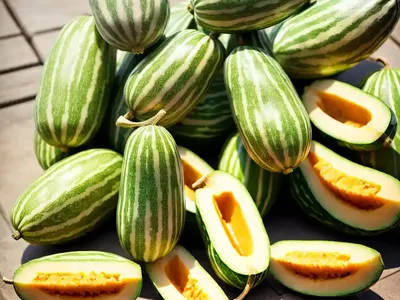
Galia Melon (Cucumis Melo Var. Reticulatus)
Galia melon, scientifically known as Cucumis melo var. reticulatus, is a sweet and aromatic melon variety that is famous for its unique flavor and enticing.
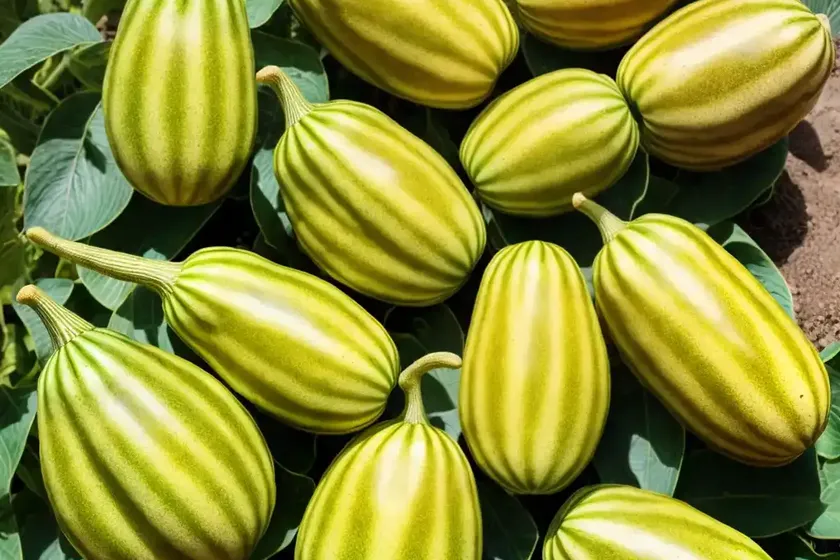
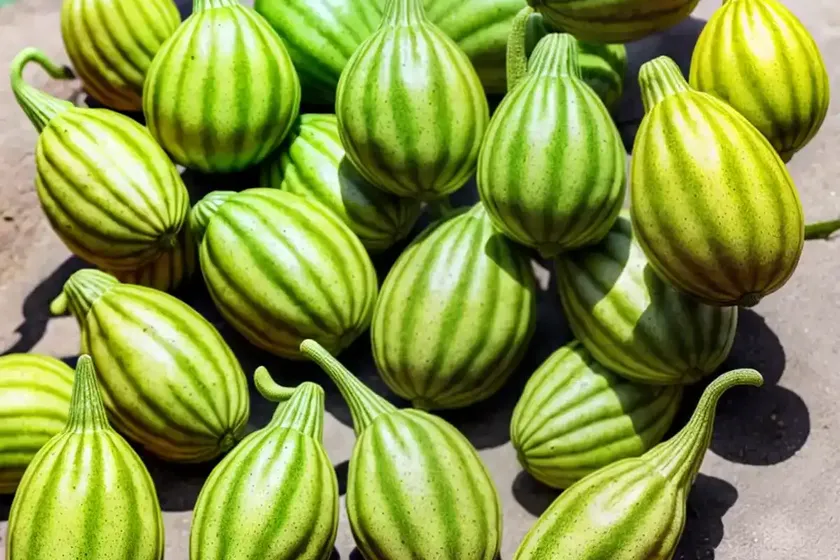
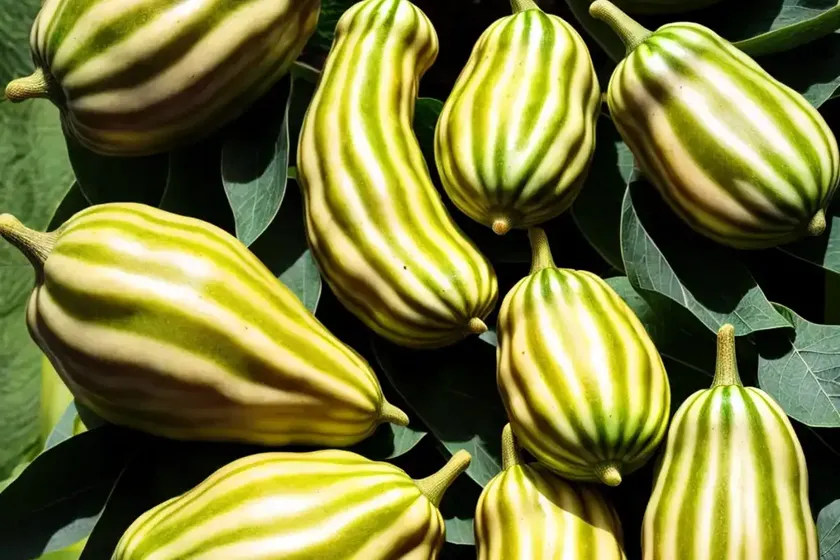
Galia melon, scientifically known as Cucumis melo var. reticulatus, is a sweet and aromatic melon variety that is famous for its unique flavor and enticing fragrance. This juicy and flavorsome fruit belongs to the Cucurbitaceae family, which also includes cucumbers, squash, and pumpkins. Galia melons are a popular choice for many gardeners and fruit enthusiasts due to their delicious taste and relatively easy cultivation.
In this comprehensive guide, we will explore everything about the Galia melon, from its origin and characteristics to its cultivation, care, and culinary uses. We will delve into its nutritional benefits, the ideal growing conditions, common diseases and pests, as well as some interesting and lesser-known facts about this delightful fruit. Whether you are a seasoned gardener or someone eager to explore the world of fruit cultivation, this article will provide you with a wealth of information about the fascinating Galia melon.
Key Takeaways – Galia Melon (Cucumis Melo Var. Reticulatus)
Before we dive into the detailed aspects of Galia melon cultivation and care, let’s summarize some key points about this tantalizing fruit:
- Botanical Name: Cucumis melo var. reticulatus
- Family: Cucurbitaceae
- Common Name: Galia Melon
- Origin: Israel
- Flavor Profile: Sweet, aromatic, and tropical
- Plant Type: Annual vine
- Harvest Season: Late summer to early fall
- Nutritional Benefits: Rich in vitamins A and C, and a good source of dietary fiber
- Culinary Uses: Ideal for fruit salads, smoothies, desserts, and fresh consumption
- Growing Conditions: Warm climate, well-drained soil, ample sunlight, and regular watering
- Plant Care: Pruning, fertilization, disease prevention, and pest management are essential for healthy plant growth
- Popularity: Widely cultivated and appreciated for its delectable taste and fragrance
Now, let’s explore each of these aspects in detail to gain a comprehensive understanding of the Galia melon and its cultivation.
What is Galia Melon?
Galia melon, also known as Israeli melon, is a type of muskmelon with a captivating tropical aroma and a lusciously sweet flavor. This melon variety is believed to have originated in Israel, where it was first developed by agricultural scientists in the 1970s. The name “Galia” pays homage to the ancient Roman and Greek term for “precious,” reflecting the esteemed status of this delightful fruit.
Galia melons are distinguished by their distinct netted rind, succulent green flesh, and a vibrant orange-gold hue when fully ripe. The interior of the melon is soft, juicy, and replete with a delectable sweetness that makes it a highly sought-after fruit in the culinary world.
Characteristics of Galia Melon
- Shape: Spherical to slightly oval
- Rind: Netted or reticulated with a pale green to golden-yellow coloration
- Flesh: Pale green to light orange with a juicy and soft texture
- Aroma: Intensely sweet and tropical fragrance
- Taste: Sweet, aromatic, and mildly tangy, reminiscent of tropical fruits
- Weight: Typically 2-3 pounds (900-1350 grams) when fully mature
- Harvest: Late summer to early fall
- Storage: Can be stored at room temperature, but refrigeration enhances the flavor and shelf life
Galia melons are best known for their rich flavor, delightful aroma, and exceptional juiciness, making them a desirable addition to fruit salads, desserts, or consumed fresh as a refreshing snack.
Cultivation of Galia Melon
Growing and nurturing Galia melons can be a rewarding experience, especially for those who appreciate the pleasure of cultivating your own fruits. Whether you have a spacious garden or a collection of containers on a sunny balcony, it is possible to successfully cultivate Galia melons with the right techniques and care.
Water
Adequate and consistent watering is vital for the successful growth and fruit development of Galia melons. These plants have high water requirements, particularly during the flowering and fruit setting stages. It is essential to maintain soil moisture to prevent stress and ensure the development of juicy and flavorsome melons.
Watering Tips:
– Early Growth Stage: Ensure the soil is consistently moist but not waterlogged to support seed germination and early plant growth.
– Established Plants: Water deeply and regularly, especially during hot and dry periods. Drip irrigation or soaker hoses can help deliver water to the root zone efficiently.
– Avoid Overhead Watering: Direct water at the base of the plants to minimize foliage moisture and reduce the risk of diseases such as powdery mildew.
Sunlight
Galia melons thrive in warm and sunny conditions, making full sun exposure crucial for their growth and fruit development. Adequate sunlight promotes photosynthesis, enhances fruit sugar content, and contributes to the overall flavor and quality of the melons.
Sunlight Requirements:
– Optimal Exposure: Provide at least 6-8 hours of direct sunlight daily for robust plant growth and fruit production.
– Sheltered Locations: Protect young plants from strong winds and provide windbreaks if necessary to prevent damage to the tender foliage and vines.
Fertilizer
To support the vigorous growth and fruiting of Galia melons, it is essential to provide a balanced and nutrient-rich soil environment. Proper fertilization ensures the plants receive the necessary macro and micronutrients for healthy development and flavorful fruit production.
Fertilization Recommendations:
– Pre-Planting: Incorporate well-rotted compost or aged manure into the soil to enhance its fertility and texture before planting.
– Balanced Fertilizer: Apply a balanced NPK fertilizer with a higher potassium content to support fruit development and sweetness. A 5-10-10 or 10-10-10 formulation can be beneficial.
– Avoid Excessive Nitrogen: Limit the use of high-nitrogen fertilizers to prevent excessive vegetative growth at the expense of fruiting.
Soil
The choice of soil plays a crucial role in the successful cultivation of Galia melons. Well-drained, fertile, and slightly alkaline soil with good structure is ideal for supporting healthy growth and optimal fruit production.
Soil Requirements:
– Texture: Loamy or sandy loam soil with good drainage and aeration is preferred to prevent waterlogging and root rot.
– pH Level: Aim for a slightly alkaline pH of 6.0-7.0 to ensure nutrient availability and root health.
– Soil Amendment: Incorporate organic matter such as compost or well-rotted manure to improve soil structure and fertility.
Pruning
Proper pruning of Galia melon plants is essential for managing vine growth, promoting air circulation, and redirecting the plant’s energy towards fruit production. Pruning also helps prevent overcrowding and reduces the risk of diseases and pest infestations.
Pruning Guidelines:
– Remove Excess Shoots: Thin out excessive lateral shoots and tendrils to control the plant’s growth and promote fruit development.
– Prune Diseased Foliage: Regularly inspect the plants for signs of disease or pest damage and promptly prune affected foliage to prevent further spread.
The careful application of these cultivation practices contributes to the healthy growth and abundant harvest of Galia melons. Now, let’s explore the propagation, popularity, and common diseases and pests associated with this delectable fruit.
Propagation of Galia Melon
Galia melons can be propagated from seeds or through vegetative propagation methods, offering flexibility and accessibility for home gardeners and commercial cultivators alike.
Seed Propagation
Sowing Galia melon seeds directly in the garden or starting them indoors for later transplanting is a common method of propagation. The seeds germinate readily under warm and moist conditions, giving rise to vigorous seedlings that can flourish into productive plants.
Seed Starting Tips:
– Germination Temperature: Maintain soil temperatures of 75-85°F (24-29°C) for optimal germination.
– Indoor Starting: Begin seeds indoors 3-4 weeks before the last frost date in your region to give the plants a head start.
– Transplanting: Wait until after the last frost to transplant the seedlings into the garden once the soil has warmed sufficiently.
Cutting Propagation
Vegetative propagation through stem cuttings is an alternative method for reproducing specific traits or preserving favored cultivars of Galia melons. This method allows for the cloning of desirable plants and the conservation of unique genetic characteristics.
Cutting Propagation Process:
– Select Healthy Cuttings: Choose young, healthy vine cuttings with several nodes and remove the lower foliage to expose the nodes.
– Rooting Hormone: Dip the cut end of the stem in a rooting hormone to encourage the development of roots.
– Planting Preparation: Plant the cuttings in well-drained and moist soil, and provide the necessary care to promote root development.
Whether you opt for seed propagation or cutting propagation, ensuring the provision of favorable growing conditions and appropriate care is essential for the successful establishment and growth of Galia melon plants.
Container Cultivation of Galia Melon
While Galia melons are often associated with traditional garden cultivation, they can also thrive in containers, making them a versatile and accessible fruit for individuals with limited gardening space. Cultivating Galia melons in containers requires attention to specific growing requirements and management practices to ensure successful fruit production.
Container Selection
Choosing the right container is a crucial consideration when growing Galia melons. Selecting a spacious and sturdy container with adequate drainage and sufficient volume is essential for supporting the vigorous growth of the melon plant.
Container Requirements:
– Size: Opt for large containers with a minimum volume of 10-15 gallons to accommodate the extensive root system and allow for unrestricted growth.
– Drainage Holes: Ensure the container has multiple drainage holes to prevent waterlogging and maintain soil aeration.
– Material: Select durable and UV-resistant plastic, ceramic, or wooden containers that can withstand the weight and size of the mature plant.
Soil Mix
Choosing a well-draining and nutrient-rich soil mix is essential for container-grown Galia melons. A well-balanced blend that fosters root development, retains moisture, and promotes nutrient uptake supports healthy growth and fruiting.
Suggested Soil Mix:
– Components: Combine equal parts of high-quality potting mix, perlite or vermiculite, and compost to create a well-aerated and fertile growing medium.
– Nutrient Base: Incorporate a slow-release organic fertilizer into the soil mix to provide sustained nutrition for the melon plants.
Support and Training
As Galia melon vines can grow vigorously, providing adequate support and employing suitable training techniques are indispensable for managing the plants within a container space. Training the vines vertically or using trellises helps optimize space utilization and prevents sprawling growth.
Support Options:
– Trellising: Install a sturdy trellis or vertical support structure to guide the vines upwards and conserve space while promoting air circulation and sunlight exposure.
– Pruning Strategy: Regularly prune the lateral shoots and tendril growth to maintain a compact and manageable plant size within the container.
Pollination Assistance
In container cultivation, natural pollination by bees and other pollinators may be limited. To ensure proper fruit set, manual assistance in pollinating the Galia melon flowers can improve the likelihood of successful pollination and fruit development.
Hand-Pollination Technique:
– Identify Male and Female Flowers: Distinguish between the male and female flowers and identify the pollen-bearing stamens in the male blooms.
– Transfer Pollen: Gently transfer pollen from the male flowers to the stigma of the female flowers using a small brush or cotton swab to simulate natural pollination.
By addressing the specific considerations for container cultivation and adapting traditional growing techniques, you can successfully cultivate Galia melons in containers and enjoy a bountiful harvest of delicious and aromatic fruits.
Popularity of Galia Melon
Galia melons have garnered immense popularity among fruit enthusiasts, chefs, and home gardeners due to their delectable flavor, appealing aroma, and versatility in culinary applications. Whether enjoyed fresh, incorporated into vibrant fruit salads, blended into refreshing smoothies, or used in luscious desserts, Galia melons offer a range of delightful and invigorating possibilities.
Culinary Uses
The succulent and sweet flesh of Galia melons can be employed in a diverse array of culinary creations, contributing a tropical and aromatic note to various dishes and beverages.
Versatile Culinary Applications:
– Fruit Salads: Combine diced Galia melon with a medley of seasonal fruits, such as strawberries, blueberries, and kiwi, to create a vibrant and refreshing fruit salad.
– Smoothies and Juices: Blend chilled Galia melon chunks with yogurt, honey, and a splash of citrus juice for a revitalizing and nutrient-rich smoothie.
– Desserts and Sorbets: Use pureed Galia melon as a base for sorbets, granitas, or fruit tarts, infusing the desserts with its alluring sweetness and tropical essence.
The enchanting flavor and fragrance of Galia melons make them a prized ingredient for culinary innovation, adding a burst of refreshing and tropical character to a myriad of gastronomic delights.
Nutritional Benefits
Beyond their delectable taste, Galia melons offer a spectrum of nutritional benefits, making them a valuable addition to a wholesome and nutrient-rich diet.
Key Nutrients:
– Vitamins: Rich in vitamin A and vitamin C, supporting immune function, skin health, and vision.
– Dietary Fiber: Contains dietary fiber, promoting digestive health and aiding in satiety and weight management.
– Hydration: High water content makes Galia melons effective in hydration and electrolyte balance.
– Antioxidants: Provides antioxidants such as beta-carotene and vitamin C, supporting overall health and combating oxidative stress.
The combination of exceptional flavor and nutritional richness positions Galia melons as a highly desirable and healthful fruit choice for discerning consumers and health-conscious individuals.
Common Diseases of Galia Melon
While Galia melon plants are generally robust and resilient, they are susceptible to certain diseases that can impact their growth and fruiting. Understanding the symptoms, preventive measures, and treatment strategies for common diseases is essential for maintaining the health and vitality of the melon plants.
Common Diseases
Powdery Mildew (Podosphaera xanthii): A fungal disease characterized by the development of a powdery white growth on the leaves and stems, leading to reduced photosynthesis and plant vigor.
Fusarium Wilt (Fusarium oxysporum): A soil-borne fungal disease that causes wilting, yellowing of foliage, and eventual plant decline, often leading to irreversible damage.
Anthracnose (Colletotrichum lagenarium): A fungal disease leading to the formation of sunken lesions on the fruit and foliage, often exacerbated by moisture and humidity.
Downy Mildew (Pseudoperonospora cubensis): A leaf-borne disease characterized by yellowing of upper leaf surfaces, presenting as angular lesions with a downy, grayish growth on the undersides of leaves.
Disease Prevention and Management
- Cultural Practices: Maintain adequate spacing between plants, ensure proper air circulation, and avoid overhead watering to reduce humidity and moisture around the foliage.
- Sanitation: Regularly remove and destroy affected foliage, practice clean cultivation, and rotate crops to prevent disease buildup in the soil.
- Fungicidal Treatments: When needed, apply approved fungicides as directed to manage and prevent fungal diseases, particularly during humid or rainy periods.
By adopting proactive measures and prompt intervention, it is possible to mitigate the impact of common diseases and preserve the health and productivity of Galia melon plants.
Common Pests Affecting Galia Melon
In addition to diseases, Galia melon plants may face challenges from various pests that can compromise plant vigor, fruit development, and overall crop quality. Identifying, monitoring, and implementing appropriate pest management strategies are crucial for safeguarding the well-being of the melon plants.
Common Pests
Aphids (Aphidoidea): Small, soft-bodied insects that feed on plant sap and excrete honeydew, leading to leaf distortion and potential virus transmission.
Spider Mites (Tetranychidae): Miniscule arachnids that cause stippling, yellowing, and webbing on the undersides of leaves, impacting plant health and vigor.
Whiteflies (Aleyrodidae): Tiny, sap-feeding insects that congregate on the undersides of leaves, causing yellowing, reduced vigor, and sooty mold development.
Cucumber Beetles (Acalymma vittatum and Diabrotica undecimpunctata): Striped or spotted beetles that feed on foliage and transmit bacterial wilt, leading to plant decline and reduced fruit production.
Pest Management Strategies
- Beneficial Insects: Introduce predatory insects such as ladybugs, lacewings, and parasitic wasps as natural enemies of pest species to maintain ecological balance and reduce pest populations.
- Biological Controls: Employ biological insecticides or microbial agents to target specific pests while minimizing the impact on beneficial organisms and the environment.
- Monitoring and Early Intervention: Regularly inspect plants for pest activity, and implement timely control measures such as insecticidal soaps or oils to manage early infestations effectively.
By adopting an integrated pest management approach and prioritizing natural control methods, it is possible to minimize pest damage and preserve the vitality of Galia melon plants while promoting environmental sustainability.
Botanist’s Tips for Growing Galia Melon
For aspiring and seasoned gardeners alike, cultivating Galia melons can be a rewarding venture when armed with practical insights and expert tips. By incorporating professional recommendations and time-tested techniques, you can optimize the growth, fruiting, and overall success of your Galia melon plants.
Botanist’s Recommendations
- Selecting Cultivars: Choose disease-resistant and high-performing cultivars suited to your local climate and growing conditions to maximize the chances of a successful harvest.
- Soil Preparation: Invest in soil testing and amendment to ensure the soil is well-draining, fertile, and pH-balanced before planting to lay a strong foundation for healthy plant growth.
- Mulching Benefits: Apply organic mulch such as straw, shredded leaves, or grass clippings around the base of the plants to conserve moisture, suppress weeds, and maintain even soil temperatures.
- Integrated Care: Integrate crop rotation, companion planting, and beneficial insect habitat creation to enhance soil health, minimize pest pressure, and promote pollinator activity.
By implementing these professional tips and embracing a holistic approach to plant care, you can cultivate robust and productive Galia melon plants in your garden or container space.
Fun Facts About Galia Melon
As you embark on your journey of exploring the delightful world of Galia melons, here are some intriguing and noteworthy facts about this captivating fruit that showcase its