Ispaghul (Plantago Ovata)
As a plant scientist, one of the most fascinating aspects of my work is the extensive research and study of various plant species. One such plant that has.
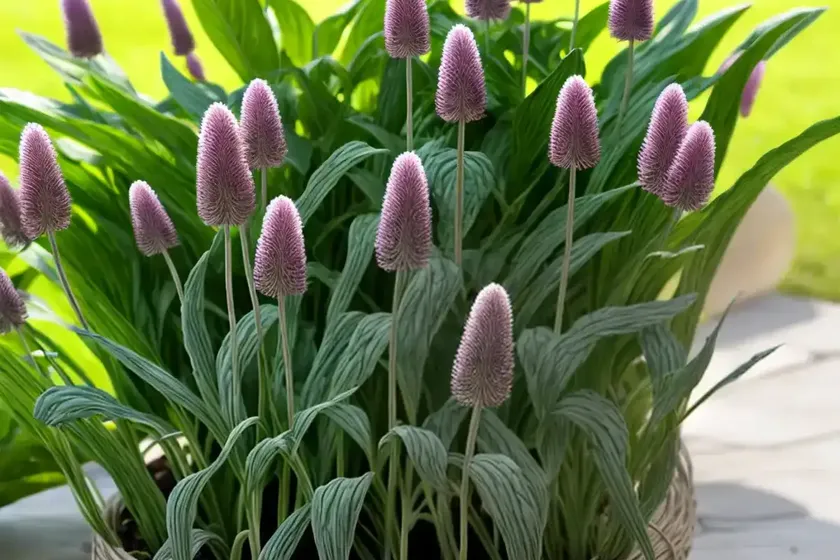
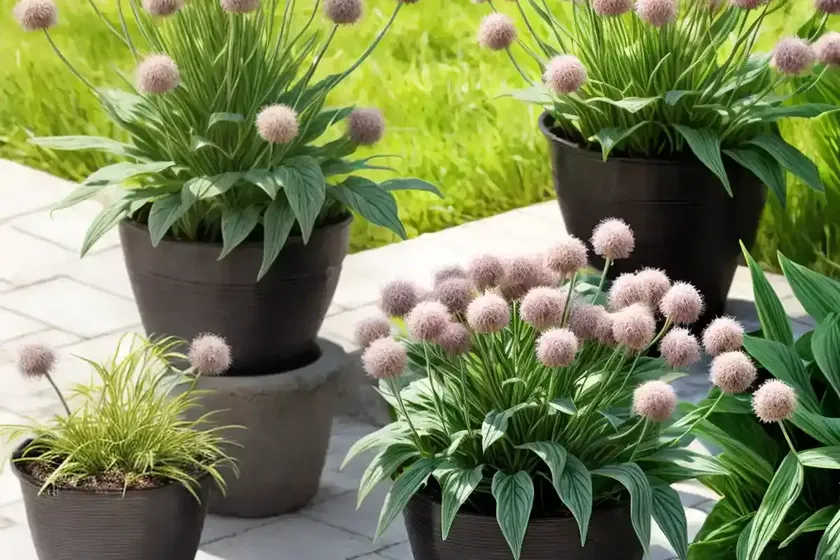
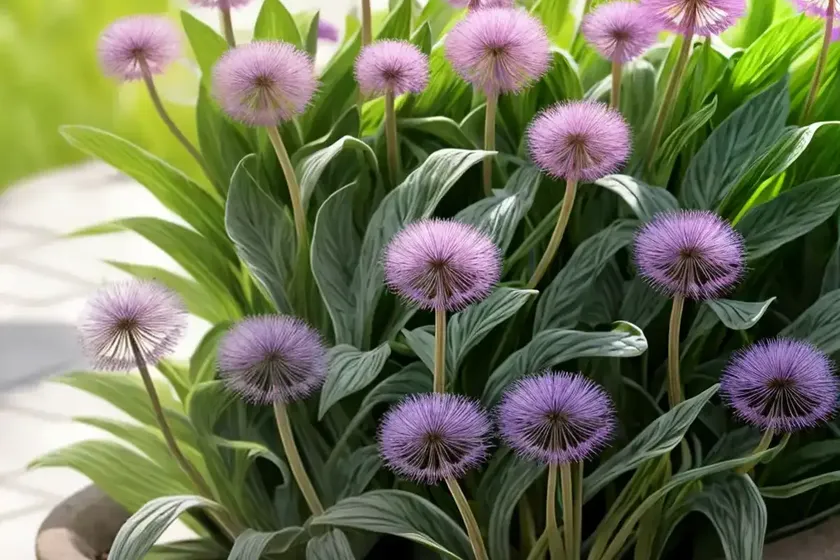
As a plant scientist, one of the most fascinating aspects of my work is the extensive research and study of various plant species. One such plant that has captured my attention is Ispaghul, scientifically known as Plantago ovata. This humble plant has a rich history of traditional medicinal use and is revered for its remarkable health benefits. In this comprehensive guide, we will delve into the characteristics, cultivation, medicinal properties, and common uses of Ispaghul, shedding light on its significance in the realms of herbal medicine and overall wellness.
What is Ispaghul (Plantago Ovata)?
Ispaghul, also known as Plantago ovata, is a herbaceous plant predominantly cultivated in the Mediterranean region and southwestern Asia. It belongs to the Plantaginaceae family and is renowned for its potent medicinal properties, primarily derived from its seeds and husk. The seeds of Ispaghul are small, pale brown, and covered with a gelatinous membrane, making them a rich source of dietary fiber.
Ispaghul Characteristics
Here are some key characteristics of Ispaghul:
- Botanical Name: Plantago ovata
- Family: Plantaginaceae
- Common Names: Ispaghul, Psyllium, Isabgol
- Habitat: Thrives in arid regions with well-drained soil
- Part Used: Seeds, Husk
Key Takeaways – Ispaghul (Plantago Ovata)
Before we delve into the intricacies of cultivating and harnessing the benefits of Ispaghul, let’s explore some of the key takeaways associated with this remarkable plant.
Ispaghul (Plantago Ovata) Benefits:
- Rich source of dietary fiber
- Aids in digestive health and constipation relief
- Used in traditional medicine for centuries
- Potential role in managing cholesterol levels
Now that we have established a foundational understanding of Ispaghul, let’s explore the nuances of cultivating and harnessing the benefits of this plant.
Culture
Water
Ispaghul thrives in well-drained soil and prefers moderate watering. Overwatering should be avoided to prevent waterlogging, which can adversely impact the plant’s growth and overall health.
Sunlight
This resilient plant flourishes in full sunlight and is well-suited to arid and semi-arid regions.
Uses
Medicinal Properties of Ispaghul
The medicinal properties of Ispaghul have been revered for centuries, particularly in traditional systems of medicine such as Ayurveda and Unani. The seeds and husk of Ispaghul are rich in soluble fiber and have been extensively utilized for their remarkable health benefits.
Some key uses of Ispaghul include:
-
Digestive Health: Ispaghul is renowned for its aid in promoting digestive health and providing relief from constipation. The rich fiber content helps in regulating bowel movements and alleviating gastrointestinal discomfort.
-
Cholesterol Management: Research suggests that regular consumption of Ispaghul may contribute to managing cholesterol levels, thereby supporting cardiovascular health.
Growing Ispaghul at Home
Cultivating Ispaghul at home can be a rewarding endeavor, allowing you to harness the plant’s health benefits firsthand. Here is a guide to growing Ispaghul in a home garden or pot:
Ispaghul Cultivation Guide
Soil
The soil should be well-drained and slightly alkaline, mimicking the plant’s natural habitat. A mixture of sandy and loamy soil with good drainage properties is ideal for cultivating Ispaghul.
Fertilizer
A balanced fertilizer with a slightly higher proportion of potassium can support the healthy growth of Ispaghul plants. However, it is crucial to avoid over-fertilization, which can lead to excessive foliage growth at the expense of seed production.
Pruning
Pruning is generally not required for Ispaghul plants, as they have a naturally compact growth habit. However, the removal of dead or diseased leaves can promote overall plant health.
Propagation
Ispaghul can be propagated through seeds, which should be sown directly in the prepared garden bed or container. The seeds require minimal maintenance and can germinate within a few days under favorable conditions.
Container Popularity
Given its moderate size and adaptability, Ispaghul is also well-suited to container gardening. This allows individuals with limited outdoor space to cultivate this beneficial plant and incorporate it into their daily wellness routines.
Container
When opting for container cultivation, ensure that the container has sufficient drainage holes to prevent waterlogging. A soil mixture with ample organic matter can provide the necessary nutrients for healthy plant growth.
Common Diseases
Disease Diagnosis
Ispaghul plants are relatively resilient and are not prone to severe disease infestations. However, it is essential to monitor the plants for signs of fungal infections, particularly in humid conditions.
Some potential diseases that may affect Ispaghul include:
-
Powdery Mildew: This fungal disease can manifest as a white powdery coating on the leaves, affecting the plant’s overall health and vigor.
-
Root Rot: Overwatering or poorly-drained soil can lead to root rot, compromising the plant’s root system and impeding its nutrient uptake.
Common Pests
Botanist’s Tips
As a botanist, I am often asked for tips on cultivating and maintaining healthy plants. Here are some valuable tips for growing Ispaghul:
-
Moderate Watering: Avoid overwatering, as this can lead to waterlogging and compromise the plant’s well-being.
-
Regular Monitoring: Keep a close eye on the plant for any signs of disease or pest infestations, addressing them promptly to prevent further damage.
-
Balanced Nutrition: Provide the plant with a balanced fertilizer regimen to support its growth and the development of quality seeds.
Fun Facts
Ispaghul is a truly remarkable plant with a rich history and a myriad of fascinating attributes. Here are some fun facts about Ispaghul:
- The name “Ispaghul” is derived from the Persian word “aspandan,” which translates to “horse ear,” alluding to the shape of the plant’s leaves.
- Ispaghul seeds are commonly used as a natural laxative and have been incorporated into traditional medicine for promoting digestive health.
Links to External Resources
For further exploration of Ispaghul and its diverse applications, here are some external resources that offer valuable insights:
- Journal of Traditional and Complementary Medicine – Plantago Ovata: Clinical Applications and Phytopharmacology
- The Plant List – Plantago Ovata
- National Center for Biotechnology Information – Plantago Ovata in Medicine and Nutrition
In conclusion, Ispaghul (Plantago ovata) stands as a testament to the profound connection between plants and human health. From its centuries-old use in traditional medicine to its modern applications in promoting digestive wellness, this plant continues to captivate and astound. By understanding its cultivation, benefits, and medicinal properties, we can truly appreciate the invaluable role of Ispaghul in enhancing our overall well-being.
As a plant scientist, I am deeply passionate about sharing knowledge and insights related to the remarkable world of plants. If you have any questions or would like to explore any specific topics related to plant science, feel free to reach out. Happy gardening and exploring the wonders of nature!


