What is Plant: Iris ‘Sea Power’ (Bearded Iris)
The Bearded Iris, scientific name Iris germanica, is a stunning perennial plant known for its strikingly beautiful flowers and its easy-care nature. Among the different varieties of Bearded Iris, the ‘Sea Power’ stands out for its unique characteristics and exceptional beauty. This blog post will provide a comprehensive overview of the Iris ‘Sea Power’, covering its culture, uses, water and sunlight requirements, fertilizer needs, soil preferences, pruning techniques, propagation methods, container gardening, popularity, common diseases, pests, and fun facts. Additionally, it will delve into botanist’s tips, disease diagnosis, and provide links to external resources for further reading.
Key Takeaways – Iris ‘Sea Power’ (Bearded Iris)
Before diving into the specifics, it’s beneficial to have a brief overview of the key takeaways related to Iris ‘Sea Power’ (Bearded Iris).
- Plant Name: Iris ‘Sea Power’ (Bearded Iris)
- Scientific Name: Iris germanica ‘Sea Power’
- Plant Type: Perennial
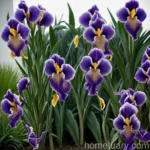
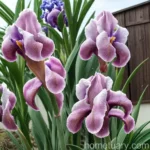
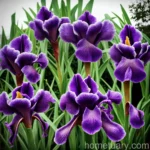
- Flower Color: Deep navy blue with a hint of purple
- Bloom Time: Spring to early summer
- Height: 36-40 inches
- Hardiness Zone: 3-9
- Sunlight: Full sun
- Soil Type: Well-drained, fertile soil
- Watering: Regular, but well-draining soil to prevent waterlogging
- Uses: Borders, landscapes, and cut flowers
The Bearded Iris ‘Sea Power’ is a valuable addition to any garden, offering striking blooms, low maintenance requirements, and versatility in various garden settings.
Culture
Uses
The Iris ‘Sea Power’ is primarily cultivated for its ornamental value and is commonly used in the following ways:
- Garden Landscapes: The tall, showy blooms of ‘Sea Power’ make it a popular choice for adding elegance and color to garden borders, mixed perennial beds, and even along garden pathways.
- Cut Flowers: The long stems and vibrant, ruffled flowers of ‘Sea Power’ make it an excellent choice for cutting and arranging in indoor floral displays.
Water
Iris ‘Sea Power’ has moderate water needs. It thrives in well-drained soil, and excessive moisture can lead to root rot and other issues. The following guidelines can be useful for watering the ‘Sea Power’ variety:
- Regular Watering: Provide consistent watering, especially during the growing season. It’s important to keep the soil evenly moist but not waterlogged.
- Avoid Waterlogging: Ensure the soil has good drainage to prevent water from pooling around the roots, which can cause rot and other problems.
Sunlight
Iris germanica ‘Sea Power’ thrives in full sun conditions. Adequate sunlight is essential for its growth and flowering. Consider the following recommendations for sunlight exposure:
- Full Sun: Plant the ‘Sea Power’ variety in an area that receives at least 6-8 hours of direct sunlight daily for optimal bloom and overall plant health.
Fertilizer
Fertilizing the Iris ‘Sea Power’ is crucial for promoting healthy growth and abundant flowering. Consider the following fertilizer application tips:
- Balanced Fertilizer: Apply a balanced, all-purpose fertilizer in early spring before the growing season begins. This provides essential nutrients for the plant’s development.
- Avoid High Nitrogen: Refrain from using fertilizers high in nitrogen, as this can encourage excessive foliage growth at the expense of flower production.
Soil
Creating the right soil environment is essential for the health and vigor of the Iris ‘Sea Power’. Here are some soil-related considerations:
- Well-Drained Soil: ‘Sea Power’ thrives in soil that is well-drained to prevent waterlogging.
- Soil Amendment: Incorporating organic matter, such as compost, into the soil before planting can improve its fertility and water retention capacity.
Pruning
Proper pruning is essential for maintaining the health and visual appeal of Iris ‘Sea Power’. Here are the key pruning techniques for this variety:
- Deadheading: Remove spent blooms promptly to encourage continuous flowering and prevent self-seeding.
- Fall Cleanup: Clear away any debris and dead foliage in the fall to reduce the risk of disease and pest infestations.
Propagation
The propagation of Iris ‘Sea Power’ can be achieved through division. This method allows for the creation of new plants while rejuvenating existing clumps. Here are the steps for propagating ‘Sea Power’ through division:
- Timing: Divide the rhizomes in late summer, preferably in July or August.
- Digging and Dividing: Carefully dig up the clumps, ensuring that each division has a healthy rhizome with fan-shaped foliage attached.
- Replanting: Replant the divisions in prepared soil, keeping the rhizomes partially exposed on the surface.
Container Popularity
Iris germanica ‘Sea Power’ is also popular among gardeners for container gardening. Its tall and elegant blossoms make a striking addition to outdoor containers, patios, and balconies. When grown in containers, consider the following tips:
- Container Size: Use a spacious container to accommodate the deep roots and growth habit of ‘Sea Power’. A depth of at least 12 inches is recommended.
- Well-Draining Soil: Fill the container with well-draining potting mix to prevent waterlogging, and ensure that the container has adequate drainage holes.
- Sun Exposure: Place the container in a location that receives full sun for the majority of the day.
Common Diseases
Iris ‘Sea Power’ is generally a robust and disease-resistant plant. However, it can be susceptible to certain diseases under unfavorable conditions. Common diseases that may affect ‘Sea Power’ include:
- Leaf Spot: Fungal leaf spots can develop under prolonged periods of wet foliage. Ensure good air circulation and avoid overhead watering to prevent this issue.
- Rot Diseases: Excessive moisture and poorly-drained soil can lead to rot diseases, including root rot and rhizome rot. Proper drainage is essential for prevention.
Disease Diagnosis
Diagnosing and identifying diseases affecting the ‘Sea Power’ variety is crucial for implementing appropriate control measures. Look for the following symptoms to diagnose potential issues:
- Leaf Spot: Look for brown or black spots on the foliage, often with a yellow halo around the edges.
- Rot Diseases: Soft, discolored, or foul-smelling rhizomes and dark, mushy roots are indicative of rot diseases.
Common Pests
Pests are typically not a significant concern for Iris germanica ‘Sea Power’, but occasional infestations may occur. Common pests that may affect the ‘Sea Power’ variety include:
- Aphids: These tiny insects cluster on new growth and underside of leaves, sucking sap from the plant.
- Thrips: Thrips may cause damage by feeding on the flowers and leading to distorted or discolored blossoms.
Botanist’s Tips
Here are some additional expert tips for successfully growing and caring for Iris ‘Sea Power’:
- Mulching: Apply a layer of organic mulch around the base of the plants to help retain soil moisture and suppress weed growth.
- Division: Regular division of older clumps every 3-4 years helps rejuvenate the plants and maintain vigorous growth and blooming.
Fun Facts
To further appreciate the beauty and allure of Iris ‘Sea Power’, here are some fun and intriguing facts about this variety:
- The ‘Sea Power’ blooms feature deep navy blue petals with a hint of purple, creating a captivating and mesmerizing display in the garden.
- Bearded Irises are so named due to the presence of a fuzzy “beard” on the lower petal of the flower, adding to their charm and uniqueness.
- The fragrance of ‘Sea Power’ blooms is subtle and delicate, adding a delightful aromatic element to the garden.
Links to External Resources
For additional information and resources on growing and caring for Iris ‘Sea Power’, explore the following links:
- American Iris Society
- Royal Horticultural Society – Growing Irises
- University of Illinois Extension – Growing Bearded Irises
- Gardenia – Iris germanica ‘Sea Power’
- The Old Farmer’s Almanac – Growing Irises
By providing a comprehensive overview of the culture, care, and characteristics of Iris ‘Sea Power’ (Bearded Iris), this blog aims to equip gardeners and plant enthusiasts with the knowledge and practical tips for successfully cultivating and enjoying the beauty of this stunning perennial plant.