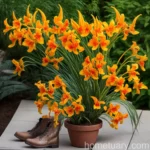
Iris ‘Pixie’ (Dwarf Iris) – A Complete Guide for Plant Enthusiasts
Iris ‘Pixie,’ also known as Dwarf Iris, is a delightful and charming plant that has captured the hearts of many gardeners and plant enthusiasts. With its vibrant and captivating blooms, this variety of iris adds a touch of elegance and beauty to any garden or landscape. In this comprehensive guide, we will explore the various aspects of Iris ‘Pixie’ care, its characteristics, cultivation, maintenance, common diseases, and much more. Whether you are a seasoned gardener or a novice plant enthusiast, this guide will provide you with valuable insights into nurturing and appreciating the splendor of Iris ‘Pixie.’
What is Iris ‘Pixie’ (Dwarf Iris)?
Iris ‘Pixie’ is a captivating and diminutive iris variety that belongs to the Iris genus, a group of perennial flowering plants renowned for their striking blooms and elegant foliage. These iris plants are celebrated for their unique and intricate flowers, which come in an array of colors, ranging from deep purples and blues to delicate pinks and whites.
The Dwarf Iris is characterized by its diminutive stature, making it well-suited for various garden settings, including containers, borders, and rock gardens. Its petite size and vibrant blooms make it a favorite among gardeners seeking to add a touch of color and allure to their outdoor spaces.

Key Takeaways – Iris ‘Pixie’ (Dwarf Iris)
Before we delve into the specifics of caring for Iris ‘Pixie,’ let’s take a moment to highlight some key takeaways about this enchanting plant:
- Plant Name: Iris ‘Pixie’ (Dwarf Iris)
- Family: Iridaceae
- Mature Height: 6-8 inches
- Bloom Time: Early to mid-spring
- Hardiness Zones: 3-8
- Sunlight: Full sun to partial shade
- Watering: Moderate
- Soil Type: Well-drained, moderately fertile soil
- Uses: Borders, rock gardens, containers
- Common Diseases: Iris borer, bacterial soft rot
- Common Pests: Aphids, thrips
Now that we have a general overview of Iris ‘Pixie,’ let’s explore the specific aspects of caring for and nurturing these delightful plants.
Culture
The culture of Iris ‘Pixie’ encompasses various factors, including its water and sunlight needs, soil requirements, pruning, and propagation methods.
Water
Proper watering is crucial for the health and vitality of Iris ‘Pixie.’ While these plants are relatively low-maintenance, they require consistent moisture, especially during their active growing season. It is essential to strike a balance, ensuring that the soil is adequately moist without becoming waterlogged, which can lead to root rot and other issues.
- Watering Tips:
- Water deeply but infrequently, allowing the soil to dry out slightly between watering sessions.
- Aim to provide around 1 inch of water per week, adjusting based on rainfall and weather conditions.
- Avoid overhead watering, as excessively moist foliage can increase the risk of diseases such as bacterial soft rot.
Sunlight
Iris ‘Pixie’ thrives in locations that receive ample sunlight, although they can also tolerate partial shade, especially in regions with intense summer heat. Adequate sunlight is essential for promoting robust growth and vibrant blooms.
- Sunlight Requirements:
- Plant in an area that receives at least 6 hours of direct sunlight per day.
- In hot climates, provide partial afternoon shade to protect the plants from excessive heat stress.
Fertilizer
Applying a balanced fertilizer can contribute to the overall health and vigor of Iris ‘Pixie.’ Fertilizing should be undertaken with care, as excessive nutrients can lead to issues such as overly lush foliage at the expense of blooming.
- Fertilizing Guidelines:
- Apply a balanced, slow-release fertilizer in early spring before the plants enter their active growth phase.
- Refrain from over-fertilizing, as this can lead to imbalanced growth and decreased flower production.
Soil
The soil composition plays a crucial role in the overall well-being of Iris ‘Pixie.’ These plants thrive in well-drained, moderately fertile soil that provides adequate aeration and moisture retention.
- Soil Recommendations:
- Choose a well-draining soil mix with a slightly acidic to neutral pH (6.0-7.0).
- Incorporate organic matter, such as compost, into the soil to enhance its structure and fertility.
Pruning
Pruning is an essential aspect of Iris ‘Pixie’ maintenance, contributing to the plants’ overall health and appearance. Proper pruning practices promote air circulation, reduce disease risks, and help maintain a tidy and well-groomed garden or landscape.
- Pruning Techniques:
- Remove spent blooms promptly to encourage continuous flowering and prevent seed formation.
- Trim back any damaged or yellowing foliage to maintain the plants’ aesthetic appeal and prevent the spread of diseases.
Propagation
The propagation of Iris ‘Pixie’ can be achieved through various methods, including division and seed propagation. These techniques allow gardeners to expand their iris collection and share the beauty of these plants with others.
- Propagation Methods:
- Division: Divide established clumps of Iris ‘Pixie’ every 3-4 years to prevent overcrowding and rejuvenate the plants.
- Seed Propagation: Collect and sow ripe iris seeds in a well-prepared seed-starting mix, providing consistent moisture and warmth for germination.
Container Popularity
Iris ‘Pixie’ is a popular choice for container gardening, offering a compact and enchanting presence that brightens up patios, balconies, and outdoor living spaces.
- Container Gardening Tips:
- Select a spacious container with adequate drainage holes to accommodate the iris plant’s root system.
- Use a well-draining potting mix and place the container in a location that receives sufficient sunlight.
Container Common Diseases
Despite the advantages of container gardening, it is essential to be mindful of potential diseases that can affect Iris ‘Pixie’ when grown in containers.
- Common Container Diseases:
- Monitor for signs of root rot, which can occur due to overly moist conditions within the container.
- Inspect the foliage for symptoms of fungal diseases, such as leaf spots and blights.
Disease Diagnosis
Diagnosing and addressing diseases that affect Iris ‘Pixie’ is crucial for preserving the health and vitality of these plants. By recognizing common symptoms and taking prompt action, gardeners can mitigate the impact of diseases and maintain robust and flourishing iris specimens.
- Common Iris Diseases:
- Iris Borer:
- Look for wilted or yellowing foliage, indicating the presence of iris borers. Control measures include removing affected foliage and applying appropriate insecticides.
- Bacterial Soft Rot:
- Identify signs of soft, water-soaked lesions on the iris rhizomes and take immediate action to prevent the spread of the disease.
Common Pests
Various pests can pose a threat to the well-being of Iris ‘Pixie,’ requiring vigilant monitoring and proactive management to prevent infestations and protect the plants from damage.
- Pest Management Strategies:
- Aphids:
- Monitor for the presence of aphids on the iris foliage and use insecticidal soaps or neem oil to control infestations.
- Thrips:
- Inspect the iris blooms for thrips and employ cultural and chemical measures to manage thrips populations.
Botanist’s Tips
As a botanist or plant enthusiast, there are several valuable tips and insights that can enhance the experience of growing and appreciating Iris ‘Pixie.’
- Botanical Recommendations:
- Take the time to observe and appreciate the intricate details of the iris blooms, including their unique patterns and color variations.
- Encourage pollinator activity by planting companion species that attract beneficial insects and support the overall ecosystem.
Fun Facts
Uncovering intriguing and engaging facts about Iris ‘Pixie’ adds an extra layer of depth to the appreciation of these captivating plants.
- Fascinating Tidbits:
- The botanical name “Iris” is derived from the Greek word for “rainbow,” reflecting the rich and diverse range of iris flower colors.
- Iris ‘Pixie’ is part of the wider Iris reticulata species, renowned for its early spring blooms and compact growth habit.
Links to External Resources
For further exploration and in-depth information about Iris ‘Pixie’ and related topics, the following external resources offer valuable insights and guidance:
- American Iris Society – Iris Growing Information
- Royal Horticultural Society – Growing Irises
- University of Maryland Extension – Control of Iris Borers
- University of California Agriculture and Natural Resources – Integrated Pest Management for Aphids
By exploring these resources, you can gain a deeper understanding of Iris ‘Pixie’ care, cultivation, and the broader world of iris plants.
In conclusion, Iris ‘Pixie’ stands as a charming and captivating addition to any garden or landscape, enchanting onlookers with its vibrant blooms, compact stature, and graceful presence. By embracing the guidance and insights provided in this comprehensive guide, gardeners and plant enthusiasts can cultivate and appreciate the beauty of Iris ‘Pixie’ to its fullest extent, creating stunning displays and enriching their outdoor spaces with the allure of these remarkable plants.
As you embark on your journey of nurturing and savoring the splendor of Iris ‘Pixie,’ may these insights serve as a valuable companion, enhancing your appreciation and care for these delightful iris plants.