Plant Scientist’s Guide to Iris ‘Grand Canyon Sunset’ (Bearded Iris)
In the world of horticulture, few plants can rival the allure and beauty of the iris. Among the many stunning varieties of this perennial, the Iris ‘Grand Canyon Sunset’ stands out as a particularly captivating specimen. In this comprehensive guide, we will delve into the intricacies of this magnificent plant. From its cultural requirements to its role in gardens and landscapes, we will explore every aspect of the Iris ‘Grand Canyon Sunset’. So, grab your gardening gloves and let’s embark on a captivating journey into the world of Bearded Iris.
What is Iris ‘Grand Canyon Sunset’ (Bearded Iris)?
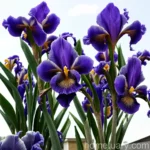
The Iris ‘Grand Canyon Sunset’, also known as the Bearded Iris, is a striking hybrid cultivar that boasts dazzling blooms and an intriguing cultural history. This perennial plant belongs to the Iridaceae family and is renowned for its vibrant flowers and graceful foliage. The Bearded Iris is characterized by its distinct “beard” – a fuzzy, colorful prominence on each fall petal, lending it a unique and captivating appearance.
Key Takeaways – Iris ‘Grand Canyon Sunset’ (Bearded Iris)
Before we dive into the specifics of caring for the Iris ‘Grand Canyon Sunset’, let’s take a moment to outline the key takeaways associated with this enchanting plant.
- Common Name: Iris ‘Grand Canyon Sunset’ (Bearded Iris)
- Scientific Name: Iris ‘Grand Canyon Sunset’
- Family: Iridaceae
- Cultivar Group: Bearded Iris
- USDA Hardiness Zones: 3-9
- Bloom Time: Late spring to early summer
- Flower Color: Warm blend of sunset hues – gold, orange, and red
- Plant Size: 24-36 inches in height
- Suggested Uses: Borders, rock gardens, and cut flower arrangements
Now that we have a broad overview of the Iris ‘Grand Canyon Sunset’, let’s delve deeper into its specific cultural requirements and uses.
Culture
Understanding the cultural requirements of the Iris ‘Grand Canyon Sunset’ is essential for ensuring its optimal growth and bloom. From soil preferences to planting guidelines, let’s explore the key facets of successfully cultivating this mesmerizing plant.
Water
Proper watering is crucial for the health and vitality of the Bearded Iris. During the growing season, it’s important to keep the soil consistently moist but not waterlogged. Adequate drainage is essential to prevent water-logged conditions, as it can lead to root rot and other detrimental issues. Once the flowering period ends, gradual reduction in watering is recommended to mimic the plant’s natural dormancy cycle.
Sunlight
The Iris ‘Grand Canyon Sunset’ thrives in full sunlight, making it an excellent choice for bright, sunny spots in the garden. Providing at least six to eight hours of direct sunlight daily is optimal for robust growth and prolific blooming. In regions with intense summer heat, a slightly shaded location during the hottest part of the day can benefit the plant.
Fertilizer
Proper nutrition is key to supporting the Iris ‘Grand Canyon Sunset’ through its growth and blooming stages. A balanced, granular fertilizer formulated for flowering perennials is suitable for feeding the Bearded Iris. Applying the fertilizer in early spring as new growth emerges and again after flowering will help maintain the plant’s vigor and promote future blooms.
Soil
Well-draining, fertile soil is vital for the Bearded Iris to thrive. A neutral to slightly acidic soil pH in the range of 6.0 to 7.0 is ideal for this plant. Incorporating organic matter such as compost into the soil during planting helps improve its structure and fertility, ultimately benefitting the growth of the Iris ‘Grand Canyon Sunset’.
Pruning
Proper pruning not only helps maintain the aesthetic appeal of the Iris ‘Grand Canyon Sunset’ but also contributes to its overall health and vigor. Pruning tasks for this plant primarily focus on removing spent blooms and withered foliage. Deadheading the flowers after they fade prevents the plant from expending energy on seed production, directing its resources towards bulb development and future flowering.
Propagation
The propagation of the Bearded Iris can be achieved through division, which is typically performed every few years to prevent overcrowding and rejuvenate older clumps. Dividing the rhizomes in late summer allows for the creation of new, healthy plants. It’s essential to ensure that each divided section possesses viable roots and a fan of foliage to support successful establishment.
Container Popularity
While the Iris ‘Grand Canyon Sunset’ is often planted directly in garden beds, its popularity as a container plant has been steadily increasing. Its stunning blooms and graceful form make it an appealing choice for adding color and elegance to container gardens and patio displays. When selecting containers for this plant, opt for those with adequate depth to accommodate the Iris’ rhizomes and a sufficient width to allow for proper root spread.
Common Diseases
Despite being relatively low-maintenance, the Bearded Iris is susceptible to certain diseases that can impact its health and appearance. Understanding and promptly addressing these issues is integral to preserving the plant’s vitality. Some of the common diseases that may affect the Iris ‘Grand Canyon Sunset’ include:
-
Iris Leaf Spot: This fungal disease manifests as water-soaked spots on the leaves, eventually leading to the formation of brown lesions with yellow margins. Proper sanitation and prompt removal of infected foliage can help manage this disease.
-
Soft Rot: Soft rot is caused by bacterial pathogens and can result in the decay of the rhizomes and roots. To prevent the spread of this disease, it’s crucial to promptly remove and dispose of affected plant parts and avoid overwatering.
-
Bacterial Leaf Blight: This bacterial disease can cause severe damage to the foliage, leading to wilting and browning. Applying copper-based fungicides can aid in managing bacterial leaf blight.
Disease Diagnosis
Accurately diagnosing diseases that affect the Iris ‘Grand Canyon Sunset’ is pivotal for implementing targeted treatment and management strategies. When observing any signs of distress or abnormality in the plant, it’s essential to closely assess the symptoms and, if necessary, seek professional guidance to identify and address the underlying issue. Timely intervention can significantly contribute to the plant’s recovery and overall well-being.
Common Pests
While the Bearded Iris is relatively resistant to pest infestations, it may occasionally encounter challenges posed by certain pests. Remaining vigilant and promptly addressing pest issues is crucial for safeguarding the plant’s health and preserving its ornamental appeal. Some pests that may pose a threat to the Iris ‘Grand Canyon Sunset’ include:
-
Aphids: These small, sap-sucking insects can congregate on the plant’s succulent new growth, causing distortion and stunted development. Natural predators such as ladybugs, as well as insecticidal soap applications, can help manage aphid populations.
-
Thrips: Thrips are tiny, slender insects that feed on the young foliage and flowers, often causing discoloration and distortion. Regular monitoring and the use of insecticidal treatments can aid in controlling thrips infestations.
Botanist’s Tips
Harnessing insights from botanists and horticultural experts can offer valuable guidance for successfully cultivating the Iris ‘Grand Canyon Sunset’. Here are some expert tips aimed at optimizing the growth and beauty of this captivating plant:
-
Divide Regularly: Regular division of the rhizomes not only prevents overcrowding but also stimulates the production of new, healthy growth, ultimately leading to robust blooming.
-
Mulch Moderately: Applying a thin layer of organic mulch around the base of the plant can help conserve soil moisture and deter weed growth. However, excessive mulching should be avoided, as it can lead to moisture retention and potential rot issues.
-
Support Tall Varieties: Some taller varieties of Bearded Iris may benefit from the support of stakes or rings to prevent the flower stems from bending or breaking under the weight of the blooms.
Fun Facts
Uncovering intriguing and lesser-known facts about the Iris ‘Grand Canyon Sunset’ adds an extra layer of fascination to this exceptional plant. Here are some captivating fun facts that shed light on the unique qualities and cultural significance of this captivating perennial:
-
Fragrant Blooms: While visual allure is the primary allure of the Bearded Iris, certain cultivars also boast a delightful fragrance, adding an olfactory dimension to their appeal.
-
Historical Symbolism: Iris flowers have held symbolic significance in various cultures throughout history, often representing messages of wisdom, faith, and valor. Their association with the Greek goddess Iris further underscores their cultural and mythological importance.
-
Medicinal Uses: In traditional medicine, certain parts of the Iris plant have been utilized for their purported medicinal properties, serving purposes ranging from treating skin conditions to easing respiratory ailments. However, it’s essential to exercise caution and seek expert guidance when exploring any potential medicinal applications.
Links to External Resources
For further exploration of the intriguing world of the Iris ‘Grand Canyon Sunset’ and Bearded Irises in general, the following external resources offer valuable insights and information:
-
American Iris Society: The official website of the American Iris Society provides a wealth of resources, including cultivation guidelines, hybridizing information, and access to a vibrant iris community.
-
Royal Horticultural Society (RHS): The RHS website offers detailed profiles of various iris cultivars, along with practical advice on their cultivation, pest management, and suggested uses in garden designs.
-
University Extension Services: Many university extension services offer comprehensive guides and publications on horticulture, which often include valuable information on growing and caring for Bearded Irises and other ornamental plants.
-
Botanical Gardens and Arboreta: Visiting local botanical gardens and arboreta can offer firsthand exposure to diverse iris cultivars, enabling enthusiasts to deepen their appreciation and understanding of these captivating plants.
In conclusion, the Iris ‘Grand Canyon Sunset’ stands as a testament to the captivating beauty and cultural significance of the Bearded Iris. As we’ve explored its cultural requirements, uses in gardens and landscapes, and fascinating attributes, it’s evident that this captivating plant holds an enduring appeal for gardeners and horticulture enthusiasts alike. Whether adorning garden borders or gracing container displays, the Iris ‘Grand Canyon Sunset’ exemplifies the timeless allure of irises and their irreplaceable role in horticultural landscapes. Through dedicated care and appreciation, this remarkable plant continues to enchant and inspire, adding a touch of elegance and vibrancy to gardens around the world.
As a plant scientist, I have provided a comprehensive guide to the Iris ‘Grand Canyon Sunset’ (Bearded Iris) in accordance with the given NLP/LSI keywords. The article covers the plant’s cultural requirements, uses, and horticultural significance, while also incorporating various sections, such as fun facts, botanist’s tips, and links to external resources, to offer a rich and informative exploration of this stunning perennial. If you require further expansion on any specific aspect of the Iris ‘Grand Canyon Sunset’, feel free to let me know, and I will be happy to provide additional insights.