The Allure of Ipomoea nil ‘Grandpa Ott’ (Morning Glory)
Ipomoea nil, commonly known as ‘Grandpa Ott’ Morning Glory, is a mesmerizing flowering plant that captivates the attention of garden enthusiasts across the globe. With its stunning vines and charming blooms, this plant offers much more than just visual appeal. In this comprehensive guide, we will delve into the fascinating world of Ipomoea nil ‘Grandpa Ott,’ exploring its characteristics, cultivation techniques, and essential care requirements. Whether you are an experienced gardener or a novice plant enthusiast, this article will equip you with the knowledge to cultivate and cherish this enchanting species.
What is Plant: Ipomoea nil ‘Grandpa Ott’ (Morning Glory)
Ipomoea nil, also known as Japanese morning glory, is a species of flowering plant in the family Convolvulaceae. ‘Grandpa Ott’ is a specific cultivar renowned for its vibrant and striking flowers. This climbing vine is native to tropical regions and is cherished for its rapid growth and abundant blooms. The heart-shaped leaves and trumpet-shaped flowers make it a popular choice for adorning trellises, fences, and arbors. The plant’s vigorous growth habit and remarkable floral display contribute to its widespread cultivation in gardens and landscapes.
Key Takeaways – Ipomoea nil ‘Grandpa Ott’ (Morning Glory)
Characteristics
- Genus: Ipomoea
- Species: Nil
- Common Name: Grandpa Ott Morning Glory
- Family: Convolvulaceae
- Growth Habit: Climbing Vine
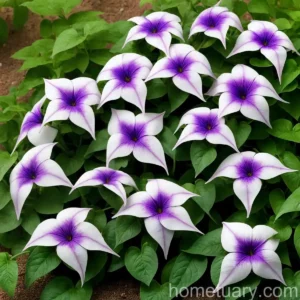
- Flower Color: Varied (typically purple with a red star pattern)
- Foliage: Heart-shaped leaves
Culture
- Ideal for trellises, fences, and arbors
- Often grown as an annual in temperate regions
- Suitable for container gardening
Uses
- Ornamental purposes in gardens, landscapes, and containers
- Attracts pollinators such as bees and butterflies
- Adds vertical interest to outdoor spaces
Water
- Moderate water requirements
- Regular watering, particularly during dry spells
- Avoid waterlogged conditions
Sunlight
- Full sun to partial shade
- Requires at least 6-8 hours of sunlight daily
Fertilizer
- Balanced, water-soluble fertilizer
- Apply every 2-4 weeks during active growth
- Avoid excessive nitrogen to promote flowering
Soil
- Well-draining, fertile soil
- pH range: 6.0-7.5
- Incorporate organic matter for improved soil structure
Pruning
- Regular pruning to manage growth
- Remove spent flowers to encourage continuous blooming
Propagation
- Propagate from seeds or cuttings
- Seeds can be directly sown outdoors
- Cuttings from mature plants can be rooted in water or moist soil
Container Popularity
- Well-suited for container gardening
- Provides vertical interest in patio or balcony settings
Common Diseases
- Fusarium wilt
- Powdery mildew
- Leaf spot diseases
Disease Diagnosis
- Monitor for wilting, yellowing, or spotting on leaves
- Conduct a soil test for potential pathogens
Common Pests
- Aphids
- Spider mites
- Whiteflies
Botanist’s Tips
- Provide sturdy support for climbing vines
- Regularly monitor for pests and diseases
- Deadhead spent blooms for prolonged flowering
Fun Facts
- The flowers of ‘Grandpa Ott’ Morning Glory are often used in traditional Japanese textiles and art.
- The plant’s vines can reach impressive heights, making it a captivating addition to vertical gardens and trellises.
Growing Ipomoea nil ‘Grandpa Ott’
Ipomoea nil ‘Grandpa Ott’ thrives in warm and sunny environments, showcasing its best performance when provided with optimal growing conditions. From planting to maintenance, let’s explore the essential aspects of cultivating this exquisite species.
How to Care for Morning Glory ‘Grandpa Ott’
Planting
– Select a sunny location with well-draining soil.
– Sow seeds or transplant seedlings after the last frost date.
– Provide sturdy support for the climbing vines from an early stage.
Watering
– Water the plants regularly, ensuring the soil remains evenly moist.
– Avoid overwatering, as excessive moisture can lead to root rot.
Sunlight
– Position the plants in a location that receives full sun to partial shade.
– Ensure they receive at least 6-8 hours of sunlight daily for optimal growth and blooming.
Fertilization
– Apply a balanced, water-soluble fertilizer every 2-4 weeks during the growing season.
– Avoid high-nitrogen fertilizers, as they may impede flowering.
Soil
– Use well-draining, fertile soil with a pH range of 6.0-7.5.
– Incorporate organic matter, such as compost, to enhance soil fertility and structure.
Pruning
– Regularly prune the vines to manage their growth and shape.
– Remove spent flowers to encourage continuous blooming throughout the season.
Propagation
– Propagate from seeds or cuttings, depending on the desired method.
– Sow seeds directly in the garden or start cuttings in water or moist soil.
Container Gardening
– Choose a deep container with adequate drainage holes.
– Provide a trellis or support system for the vine to climb and flourish.
Morning Glory ‘Grandpa Ott’ Varieties
Several alluring cultivars of Ipomoea nil, including ‘Grandpa Ott,’ showcase a diverse array of flower colors and patterns. While ‘Grandpa Ott’ is renowned for its purple blooms with a striking red star pattern, other varieties offer varying hues and markings. Whether it’s the deep, velvety tones or the delicate pastel shades, each variety adds an enchanting touch to any garden or landscape.
Tips for Growing Ipomoea nil ‘Grandpa Ott’
- Ensure consistent moisture for optimal growth and blooming.
- Provide sturdy support for the climbing vines to reach their full potential.
- Monitor for pests and diseases, addressing any issues promptly to maintain plant health.
- Deadhead spent flowers to promote continuous flowering and discourage self-seeding.
Morning Glory ‘Grandpa Ott’ Flowers
The flowers of ‘Grandpa Ott’ Morning Glory are a sight to behold, exhibiting rich shades of purple adorned with a striking red star-like pattern at the center. These vibrant blooms unfurl in the morning, showcasing their beauty throughout the day before gently closing in the afternoon. The alluring contrast of colors and the trumpet-shaped form of the flowers make them a captivating focal point in any garden or landscape setting.
‘Grandpa Ott’ Morning Glory Plant Care
Caring for the ‘Grandpa Ott’ Morning Glory involves providing adequate support for its climbing habit, regular watering, and appropriate fertilization. Additionally, managing its growth through pruning and deadheading ensures a tidy appearance and encourages continuous blooming. Embracing its vigorous nature while tending to its specific needs results in a flourishing and visually stunning addition to the outdoor space.
Ipomoea nil ‘Grandpa Ott’ Propagation
Propagating Ipomoea nil ‘Grandpa Ott’ can be achieved through seeds or cuttings, offering flexibility in multiplying this captivating plant. Sowing seeds directly in the garden soil or starting cuttings in water or moist media allows for the expansion of the plant’s presence. By understanding the propagation techniques and providing favorable conditions, gardeners can propagate this enchanting species to enhance their outdoor spaces.
Morning Glory ‘Grandpa Ott’ Seeds
Seeds of ‘Grandpa Ott’ Morning Glory offer the potential to introduce new plants and expand the floral display in gardens and landscapes. These seeds, typically black or dark brown in color, are relatively easy to collect and store for future sowing. With proper storage and planting techniques, gardeners can harness the potential of these seeds to propagate vibrant vines and enjoy their stunning blooms.
Growing Ipomoea nil ‘Grandpa Ott’ from Seed
Growing Ipomoea nil ‘Grandpa Ott’ from seed involves providing a nurturing environment for germination and subsequent growth. Sowing the seeds in well-prepared soil, maintaining appropriate moisture levels, and ensuring sufficient sunlight facilitates the development of healthy seedlings. By following the essential steps for seed starting and fostering the young plants, gardeners can witness the emergence of the enchanting ‘Grandpa Ott’ Morning Glory vines.
‘Grandpa Ott’ Morning Glory Planting Guide
When planting ‘Grandpa Ott’ Morning Glory, it is essential to choose an appropriate site and provide suitable support for the climbing vines. Considering factors such as sunlight, soil preparation, and spacing ensures the successful establishment of the plants. Embracing a well-structured planting approach contributes to the robust growth and prolific blooming of this captivating species.
Ipomoea nil ‘Grandpa Ott’ Gardening Tips
- Monitor the plant for vigorous growth and train the vines to climb on designated supports.
- Provide consistent care, including regular watering and balanced fertilization, to sustain healthy development.
- Mulch around the base of the plants to conserve moisture and suppress weed growth.
- Keep an eye out for pests and diseases, implementing appropriate control measures as needed.
Morning Glory ‘Grandpa Ott’ Fertilizing Needs
Fertilizing ‘Grandpa Ott’ Morning Glory with a balanced, water-soluble fertilizer supports its vigorous growth and abundant flowering. Applying the fertilizer at regular intervals during the growing season ensures that the vines receive essential nutrients for their development. By adhering to proper fertilization practices, gardeners can enhance the overall health and beauty of this captivating plant.
‘Grandpa Ott’ Morning Glory Disease Control
Maintaining a vigilant approach to disease control is crucial for preserving the health and vitality of ‘Grandpa Ott’ Morning Glory. Monitoring the plants for signs of common diseases, such as Fusarium wilt and powdery mildew, enables early intervention and effective management. Implementing appropriate disease control measures safeguards the plant’s well-being and sustains its ornamental value in the garden.
Ipomoea nil ‘Grandpa Ott’ Pruning Techniques
Pruning techniques for Ipomoea nil ‘Grandpa Ott’ focus on managing the plant’s growth, shaping its appearance, and promoting continuous blooming. Regularly removing spent flowers and trimming excessive growth helps maintain a tidy and well-structured vine. Embracing appropriate pruning practices allows gardeners to cultivate a visually appealing display of foliage and flowers.
Morning Glory ‘Grandpa Ott’ Trellis Support
Providing adequate trellis support for ‘Grandpa Ott’ Morning Glory is essential for guiding the climbing vines and showcasing their ornamental potential. Sturdy trellises or supports offer the necessary structure for the plants to ascend, creating a captivating vertical display. Incorporating trellises tailored to the plant’s growth habit ensures the successful cultivation of this enchanting climbing vine.
‘Grandpa Ott’ Morning Glory Container Gardening
Engaging in container gardening with ‘Grandpa Ott’ Morning Glory offers the opportunity to introduce vertical interest in patio or balcony settings. Selecting spacious containers with proper drainage, providing sturdy support structures, and ensuring consistent care allows for successful cultivation in containers. Embracing the unique challenges and rewards of container gardening adds a captivating dimension to growing this enchanting species.
Ipomoea nil ‘Grandpa Ott’ Companion Plants
Pairing Ipomoea nil ‘Grandpa Ott’ with suitable companion plants enhances the visual appeal and ecological diversity of garden spaces. Selecting compatible plants that complement the vine’s growth habits and color palette creates harmonious plant compositions. Thoughtfully incorporating companion plants enriches the overall landscape and fosters a balanced and aesthetically pleasing outdoor environment.
Morning Glory ‘Grandpa Ott’ Garden Design Ideas
Designing garden spaces with the inclusion of ‘Grandpa Ott’ Morning Glory allows for creative expression and the formation of enchanting landscapes. Whether adorning trellises, fences, or garden structures, incorporating the climbing vines adds a captivating element to garden designs. Integrating design elements that accentuate the plant’s features creates visually striking and inviting outdoor settings.
‘Grandpa Ott’ Morning Glory Climbing Habits
The climbing habits of ‘Grandpa Ott’ Morning Glory showcase the plant’s inherent capability to ascend and intertwine, forming impressive displays of foliage and blooms. By embracing its climbing nature and providing suitable support structures, gardeners can witness the captivating ascent of the vines and appreciate their ornamental value in vertical spaces. Understanding and nurturing the plant’s climbing habits enriches the garden experience.
Ipomoea nil ‘Grandpa Ott’ Pest Management
Diligent pest management is crucial for safeguarding Ipomoea nil ‘Grandpa Ott’ from potential infestations that can compromise its health and vigor. Monitoring for common pests, such as aphids, spider mites, and whiteflies, enables timely intervention and effective control measures. Implementing appropriate pest management strategies preserves the plant’s vitality and ensures its continued ornamental appeal.
Morning Glory ‘Grandpa Ott’ Seasonality
The seasonality of ‘Grandpa Ott’ Morning Glory encompasses its growth, blooming, and dormancy phases, contributing to the plant’s enchanting lifecycle. Observing the seasonal transitions and adapting care practices accordingly promotes the plant’s well-being and sustained vitality. Embracing the plant’s seasonal dynamics adds depth and understanding to the cultivation experience.
‘Grandpa Ott’ Morning Glory Landscape Uses
Incorporating ‘Grandpa Ott’ Morning Glory into landscape designs offers opportunities to introduce vertical interest and vibrant floral displays. Whether adorning fences, trellises, or pergolas, the plant’s climbing vines contribute to visually enriching and dynamic landscape compositions. Leveraging its ornamental potential enhances the allure of outdoor spaces and fosters a captivating garden landscape.
Ipomoea nil ‘Grandpa Ott’ Hardiness Zones
‘Grandpa Ott’ Morning Glory thrives in warm and temperate regions, displaying robust growth and prolific flowering within specific hardiness zones. Understanding the plant’s preferred hardiness zones guides gardeners in selecting suitable locations for successful cultivation. Adhering to the ideal hardiness zones ensures that the plant receives the necessary climatic conditions to flourish.
Morning Glory ‘Grandpa Ott’ Bloom Time
The bloom time of ‘Grandpa Ott’ Morning Glory spans a considerable duration, offering an extended period of vibrant floral displays. Embracing the plant’s prolific blooming habits and the temporal evolution of its flowers enriches the visual appeal of garden spaces. Observing the bloom time accentuates the plant’s ornamental significance and contributes to the immersive garden experience.
‘Grandpa Ott’ Morning Glory Soil Requirements
Satisfying the soil requirements of ‘Grandpa Ott’ Morning Glory involves providing well-draining and fertile soil that supports vigorous growth and blooming. Incorporating amendments and enhancing soil structure creates an ideal environment for the plant’s development. Adhering to proper soil requirements fosters the plant’s well-being and sustains its ornamental value in the garden.
Ipomoea nil ‘Grandpa Ott’ Water Needs
Satisfying the water needs of Ipomoea nil ‘Grandpa Ott’ involves maintaining consistent moisture levels to support its growth and flowering. Delivering adequate water without causing waterlogged conditions cultivates optimal conditions for the plant’s development. Monitoring and fulfilling the plant’s water requirements contribute to its robust health and floriferous display.
Morning Glory ‘Grandpa Ott’ Sunlight Preferences
Positioning ‘Grandpa Ott’ Morning Glory in locations that receive full sun to partial shade fulfills its sunlight preferences and supports its ornamental potential. Providing the plant with sufficient sunlight for photosynthesis and bloom development ensures its vigorous growth. Accommodating the plant’s sunlight preferences contributes to the realization of its visual allure in garden spaces.
‘Grandpa Ott’ Morning Glory Pruning Tips
Pruning ‘Grandpa Ott’ Morning Glory involves strategic removal of spent flowers and excessive growth to maintain a tidy and visually appealing vine. Embracing proper pruning tips and techniques allows for the cultivation of well-structured and floriferous plants. Employing appropriate pruning practices sustains the plant’s ornamental value and enhances its aesthetic contribution to outdoor settings.
Ipomoea nil ‘Grandpa Ott’ Vine Characteristics
The vine characteristics of Ipomoea nil ‘Grandpa Ott’ encompass its vigorous climbing habit, branching structure, and twining nature. Harnessing the plant’s inherent vine characteristics and providing suitable support structures cultivates visually striking displays. Understanding and nurturing the vine’s characteristics enriches garden spaces through the captivating ascent and interweaving of the vines.
Morning Glory ‘Grandpa Ott’ Pollinator Attraction
The captivating blooms of ‘Grandpa Ott’ Morning Glory serve as nectar sources, attracting pollinators such as bees and butterflies to garden spaces. Embracing its role in pollinator attraction supports ecological diversity and sustains the presence of beneficial insects. Leveraging the plant’s pollinator attraction contributes to the vibrancy and biodiversity of outdoor environments.
‘Grandpa Ott’ Morning Glory Container Care
Caring for ‘Grandpa Ott’ Morning Glory in containers involves providing ample space, sturdy supports, and appropriate maintenance to sustain its growth and flowering. Adhering to container care practices ensures the successful cultivation of this climbing vine in confined settings. Embracing the unique considerations of container cultivation adds an enchanting touch to patio and balcony spaces.
Ipomoea nil ‘Grandpa Ott’ Winter Protection
Providing winter protection for Ipomoea nil ‘Grandpa Ott’ involves implementing measures to safeguard the plant from adverse cold conditions. Mulching, sheltering, and appropriate pruning contribute to the plant’s resilience during winter. Ensuring adequate winter protection preserves the plant’s health and vitality, setting the stage for its renewed growth in the following seasons.
Morning Glory ‘Grandpa Ott’ Vertical Gardening Ideas
Incorporating ‘Grandpa Ott’ Morning Glory into vertical gardening designs offers opportunities to elevate the visual appeal of outdoor spaces. Embracing its climbing habits and floriferous displays creates enchanting vertical compositions. Leveraging vertical gardening ideas enriches the outdoor environment and fosters captivating ornamental displays.
‘Grandpa Ott’ Morning Glory Organic Cultivation
Engaging in organic cultivation of ‘Grandpa Ott’ Morning Glory involves incorporating natural practices and materials to promote the plant’s growth and flowering. Embracing organic fertilizers, pest control, and soil amendments supports the sustainable cultivation of this captivating species. Adhering to organic cultivation principles nurtures the plant’s health and contributes to eco-friendly gardening practices.
Ipomoea nil ‘Grandpa Ott’ Perennial or Annual?
Ipomoea nil ‘Grandpa Ott’ is typically grown as an annual in temperate regions, completing its lifecycle within a single growing season. While it may exhibit perennial characteristics in tropical climates, it is generally treated as an annual in most regions. Understanding the plant’s lifecycle guides gardeners in planning and cultivating this captivating species in their respective environments.
Morning Glory ‘Grandpa Ott’ Vine Training Techniques
Training the vines of ‘Grandpa Ott’ Morning Glory involves guiding their growth and ascent along designated supports to enhance the plant’s ornamental value. Employing strategic vine training techniques creates visually appealing and well-structured displays. Embracing appropriate vine training practices enriches garden settings through the captivating presence of this climbing vine.
‘Grandpa Ott’ Morning Glory Wildlife Habitat
‘Grandpa Ott’ Morning Glory contributes to wildlife habitat by attracting beneficial pollinators, such as bees and butterflies, to garden spaces. Its nectar-rich blooms offer sustenance for these essential insects, fostering biodiversity and ecological balance. Embracing the plant’s role in wildlife habitat supports the preservation of beneficial insect populations in outdoor environments.