Indian Fig (Opuntia Ficus-indica)
As a plant scientist, I am always inspired by the diversity and beauty of plant life. There are countless fascinating plant species out there, each with.
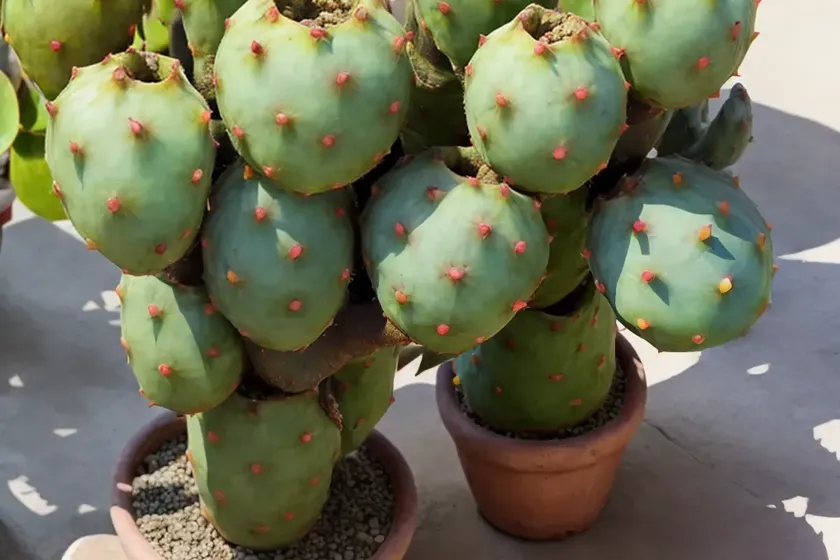
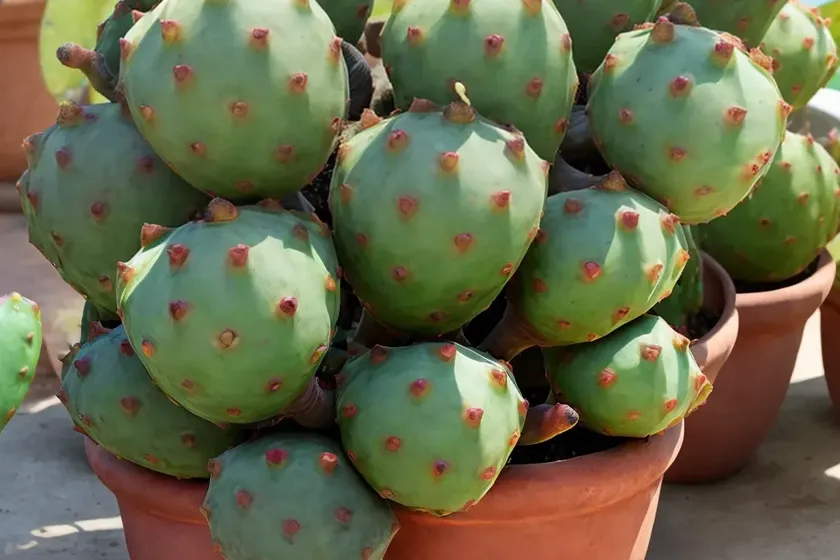
As a plant scientist, I am always inspired by the diversity and beauty of plant life. There are countless fascinating plant species out there, each with its unique characteristics and benefits. One such remarkable plant is the Indian Fig, scientifically known as Opuntia ficus-indica, which belongs to the family Cactaceae. This exquisite plant has a rich cultural history and offers a plethora of uses, making it a valuable addition to any garden or landscape. In this comprehensive guide, we will delve into the various aspects of Indian Fig, including its cultural significance, uses, care requirements, and more. Whether you are an avid gardener, a nature enthusiast, or someone looking to explore the world of plants, this article will provide valuable insights into the captivating world of Indian Fig.
What is Indian Fig (Opuntia ficus-indica)?
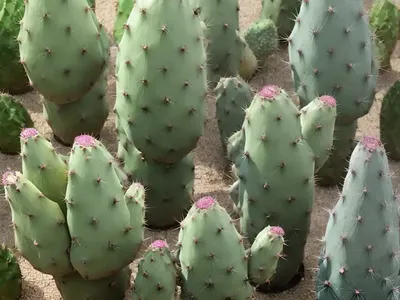
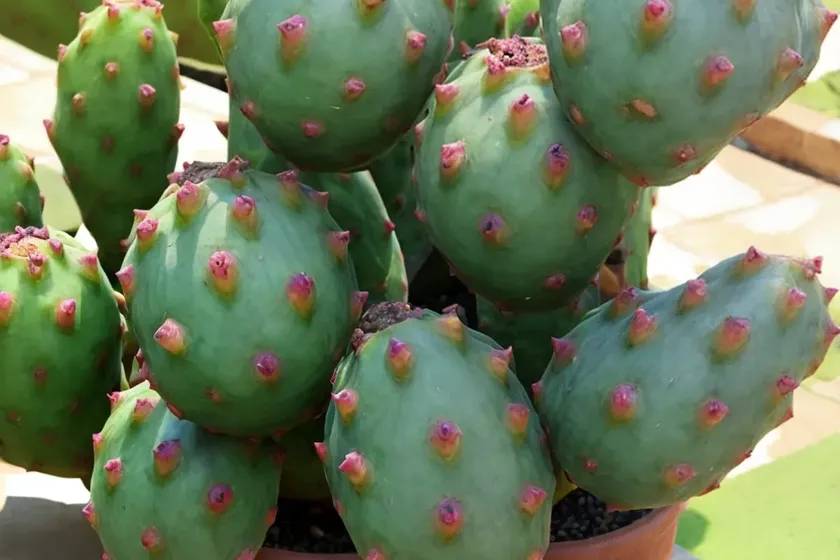
Indian Fig, or Opuntia ficus-indica, is a species of cactus native to the Americas, particularly prevalent in Mexico, where it holds cultural and historical significance. It is commonly known by various names, including “Prickly pear cactus” and “Indian fig cactus,” reflecting its prickly appearance and the unique fruits it produces. The plant is characterized by its flat, paddle-shaped stems, adorned with clusters of sharp spines, and vibrant, funnel-shaped flowers that bloom in a range of striking hues, including shades of yellow, orange, and red. Apart from its aesthetic appeal, Indian Fig is renowned for its versatile uses, both in traditional and modern contexts.
Key Takeaways – Indian Fig (Opuntia ficus-indica)
Before we delve into the in-depth details of Indian Fig, here are the key takeaways that will be explored throughout this article:
- Culture
- Uses
- Water
- Sunlight
- Fertilizer
- Soil
- Pruning
- Propagation
- Container Popularity
- Container Common Diseases
- Disease Diagnosis
- Common Pests
- Botanist’s Tips
- Fun Facts
- Links to External Resources
Now, let’s embark on a journey to uncover the captivating world of Indian Fig, exploring its various facets and the best practices for its cultivation and care.
Culture of Indian Fig (Opuntia ficus-indica)
Indian Fig holds a significant place in various cultures and has been valued for centuries for its diverse uses. In Mexico, it has historical and mythological significance, often symbolizing resilience and adaptability. The plant’s edible fruits and pads have been a part of traditional Mexican cuisine and folk medicine for generations, showcasing its cultural importance.
In addition to its cultural significance in Mexico, Indian Fig has spread to various regions worldwide, where it continues to be embraced for its ornamental, culinary, and medicinal value.
Uses of Indian Fig (Opuntia ficus-indica)
Indian Fig offers a myriad of uses, making it a multifaceted plant with diverse applications. Some of the key uses of Indian Fig include:
-
Edible Fruit: The plant produces delicious and nutritious fruits, known as “prickly pears,” which are enjoyed fresh or used in various culinary preparations such as jams, jellies, and beverages.
-
Edible Pads: The succulent pads of Indian Fig are also edible and are used in cooking, particularly in traditional Mexican cuisine. These pads are known for their unique flavor and are rich in beneficial nutrients.
-
Ornamental Plant: The striking appearance of Indian Fig, with its distinctive stems and vibrant flowers, makes it a popular choice for ornamental purposes, adding visual interest to gardens and landscapes.
-
Medicinal Properties: Indian Fig has been utilized in traditional medicine for its potential health benefits, including its role in promoting digestive health and managing certain medical conditions.
-
Wildlife Habitat: The plant serves as a valuable habitat and a source of food for various wildlife species, contributing to biodiversity and ecological balance.
-
Erosion Control: Due to its ability to thrive in challenging environments, Indian Fig is often used for erosion control in landscapes and natural areas.
These diverse uses underscore the remarkable versatility of Indian Fig and its valuable contribution to various aspects of human life and the environment.
Water Requirements for Indian Fig (Opuntia ficus-indica)
Understanding the water needs of Indian Fig is crucial for ensuring its optimal growth and health. As a drought-tolerant plant, Indian Fig possesses the ability to thrive in arid conditions, making it suitable for regions with limited water availability. However, providing occasional watering is essential, especially during the plant’s active growth periods. Here are the key considerations for watering Indian Fig:
-
Established Plants: Once established, Indian Fig requires minimal supplemental watering, relying primarily on natural rainfall. Overwatering should be avoided, as it can lead to root rot and other issues.
-
Young Plants: Newly planted Indian Fig specimens may need more frequent watering to support their establishment. However, it is important to allow the soil to dry out between watering sessions to prevent waterlogged conditions.
-
Seasonal Variations: Adjust watering frequency based on seasonal changes, reducing water input during the plant’s dormancy or cool, wet periods and increasing it during the active growing season.
-
Container-Grown Indian Fig: If cultivating Indian Fig in containers, ensure proper drainage and avoid water stagnation, as it can adversely affect the plant’s health.
By providing appropriate water management, you can support the robust growth and vitality of Indian Fig while conserving water resources in your landscape.
Sunlight Requirements for Indian Fig (Opuntia ficus-indica)
Sunlight is one of the indispensable factors influencing the growth and flowering of Indian Fig. As a sun-loving plant, Indian Fig thrives in bright, direct sunlight and is well-suited to sunny, arid environments. Consider the following aspects when meeting the sunlight requirements of Indian Fig:
-
Full Sun Exposure: Indian Fig thrives in full sun, requiring at least six to eight hours of direct sunlight per day for optimum growth and flowering.
-
Shade Tolerance: While Indian Fig is adapted to full sun conditions, it may display some degree of shade tolerance. However, prolonged inadequate sunlight may affect the plant’s flowering and overall vigor.
-
Indoor Cultivation: When grown indoors, ensure that Indian Fig receives adequate light exposure, either through natural sunlight or supplementary grow lights, to support healthy growth.
By ensuring that Indian Fig receives ample sunlight, you can promote its robust growth, vibrant flowering, and overall well-being in your garden or indoor space.
Fertilizer Requirements for Indian Fig (Opuntia ficus-indica)
Proper fertilization plays a critical role in enhancing the health and productivity of Indian Fig. While the plant exhibits a certain level of resilience to nutrient-poor soils, providing appropriate fertilizer can bolster its growth and fruiting capabilities. Consider the following guidelines for fertilizing Indian Fig:
-
Balanced Fertilizer: Use a balanced, slow-release fertilizer with equal N-P-K (nitrogen, phosphorus, and potassium) ratios to provide essential nutrients without promoting excessive vegetative growth.
-
Application Timing: Apply fertilizer in early spring, just before the onset of the plant’s active growth phase, to support vigorous development and flowering.
-
Minimal Fertilization: Indian Fig generally requires minimal fertilization, especially when grown in nutrient-rich soils or naturalistic landscapes. Avoid excessive fertilization, which can lead to imbalanced growth and reduced fruit production.
-
Organic Amendments: Incorporating organic amendments such as compost and well-rotted manure can help enrich the soil and provide a steady supply of nutrients to Indian Fig.
By adopting a balanced and restrained approach to fertilization, you can promote the healthy growth, fruiting, and resilience of Indian Fig without causing nutrient imbalances or environmental harm.
Soil Requirements for Indian Fig (Opuntia ficus-indica)
The soil composition and quality significantly influence the growth, health, and adaptability of Indian Fig. Understanding the soil requirements and optimizing the soil environment can contribute to the plant’s overall vigor and productivity. Consider the following aspects when selecting and preparing the soil for Indian Fig cultivation:
-
Well-draining Soil: Indian Fig thrives in well-draining, sandy or loamy soils, ensuring that excess water does not accumulate around the plant’s roots.
-
Nutrient Content: While Indian Fig can tolerate nutrient-poor soils, providing a moderately fertile soil enriched with organic matter can support its growth and fruiting capabilities.
-
pH Level: The plant prefers slightly acidic to neutral soil pH levels in the range of 6.0 to 7.0. Conduct a soil pH test and make adjustments using appropriate amendments if necessary.
-
Container Cultivation: If growing Indian Fig in containers, choose a well-draining potting mix designed for cacti and succulents and ensure adequate drainage holes in the container.
Optimizing the soil environment for Indian Fig can contribute to its overall health, adaptability, and productivity, enabling it to flourish in diverse cultivation settings.
Pruning Indian Fig (Opuntia ficus-indica)
Pruning is an important horticultural practice that can contribute to the aesthetics, health, and productivity of Indian Fig. Proper pruning helps to shape the plant, remove damaged or overgrown parts, and enhance its overall appearance. Consider the following guidelines for pruning Indian Fig:
-
Safety Precautions: Due to the plant’s sharp spines, it is crucial to wear protective gloves and clothing when pruning Indian Fig to avoid skin irritation and injury.
-
Removal of Damaged Parts: Regularly inspect Indian Fig for damaged or diseased stems and promptly remove them using clean, sharp pruning tools to prevent the spread of pests and diseases.
-
Shaping and Size Control: Use pruning to maintain the desired shape and size of Indian Fig, particularly when grown as an ornamental plant in landscapes or gardens.
-
Flower and Fruit Removal: If necessary, remove spent flowers and excess fruits to redirect the plant’s energy towards new growth and development.
By implementing proper pruning practices, you can optimize the health, appearance, and longevity of Indian Fig, ensuring that it remains a visually appealing and productive addition to your plant collection.
Propagation of Indian Fig (Opuntia ficus-indica)
Propagation is a fundamental aspect of plant cultivation that allows for the expansion of Indian Fig populations and the production of new plants for various purposes. The plant can be propagated through several methods, each offering unique benefits and considerations. Consider the following propagation techniques for Indian Fig:
-
Seed Propagation: Propagating Indian Fig from seeds is a viable option, particularly for creating new genetic variations and cultivating large quantities of plants. Sow seeds in well-draining soil and provide appropriate environmental conditions for germination.
-
Cutting Propagation: Stem cuttings can be used to propagate Indian Fig, with each cutting capable of rooting and developing into a new plant. Allow the cuttings to callus before planting them in a suitable growing medium.
-
Pad Propagation: The succulent pads of Indian Fig can be used for propagation by planting them directly into the soil, where they root and give rise to new plants. Ensure that the pads are allowed to dry and form calluses before planting.
-
Grafting: Grafting techniques can be employed to propagate Indian Fig, particularly for the purpose of creating specific cultivars or enhancing the plant’s growth characteristics.
By utilizing appropriate propagation methods, you can expand your Indian Fig collection, produce new plants for landscapes or culinary use, and contribute to the conservation of this valuable species.
Container Popularity of Indian Fig (Opuntia ficus-indica)
Indian Fig exhibits remarkable adaptability to container cultivation, making it a popular choice for ornamental and culinary purposes in various settings. When selecting containers for Indian Fig, consider the following factors to ensure optimal growth and longevity:
-
Size: Choose a container with sufficient depth and width to accommodate the root system of Indian Fig and allow for adequate growth. Larger containers are preferable for mature specimens.
-
Drainage: Ensure that the container has adequate drainage holes to prevent waterlogging, which can lead to root rot and other issues.
-
Potting Mix: Utilize a well-draining, sandy potting mix formulated for cacti and succulents to provide a suitable growing environment for Indian Fig.
-
Placement: Position the container in a sunny location to meet the sunlight requirements of Indian Fig, ensuring that it receives ample light for healthy growth and flowering.
Cultivating Indian Fig in containers offers flexibility and versatility, allowing you to enjoy the plant’s aesthetic and culinary benefits in diverse indoor and outdoor settings.
Common Diseases of Indian Fig (Opuntia ficus-indica)
Indian Fig is relatively resilient to pests and diseases, owing to its natural adaptations and robust growth characteristics. However, certain issues may occasionally affect the plant, requiring prompt attention and management. Some common diseases of Indian Fig include:
-
Root Rot: Excessive moisture or water stagnation can lead to root rot, characterized by wilting, yellowing of foliage, and decay of the root system. Proper water management and well-draining soil can help prevent this issue.
-
Powdery Mildew: In humid conditions, Indian Fig may be susceptible to powdery mildew, appearing as white, powdery growth on the foliage. Ensure adequate air circulation and employ appropriate fungicidal treatments if necessary.
-
Bacterial Rot: Bacterial rot can affect Indian Fig, causing soft, water-soaked lesions on the stems and pads. Practice proper sanitation and avoid overwatering to reduce the risk of bacterial infections.
-
Insect Pests: While Indian Fig is relatively resistant to insect pests, occasional infestations by scale insects, mealybugs, and spider mites may occur. Monitor the plant regularly and employ appropriate pest control measures if needed.
By being vigilant and implementing effective disease prevention strategies, you can maintain the health and vitality of Indian Fig, allowing it to thrive and flourish in your garden or landscape.
Disease Diagnosis for Indian Fig (Opuntia ficus-indica)
Diagnosing and addressing diseases in Indian Fig requires careful observation and understanding of the plant’s symptoms. By considering the following guidelines, you can effectively identify and manage diseases affecting Indian Fig:
-
Symptom Observation: Pay close attention to changes in the plant’s foliage, stems, and overall appearance, noting any discoloration, wilting, or abnormal growth patterns.
-
Microscopic Examination: In certain cases, microscopic examination of affected plant parts can aid in identifying specific pathogens or pest infestations, guiding targeted treatment approaches.
-
Consultation with Experts: If uncertain about the nature of a disease affecting Indian Fig, seek advice from horticultural professionals or plant pathologists to obtain accurate diagnosis and treatment recommendations.
By proactively diagnosing and addressing diseases, you can safeguard the health and longevity of Indian Fig, fostering its continued beauty and functionality in your botanical ensemble.
Common Pests Affecting Indian Fig (Opuntia ficus-indica)
While Indian Fig exhibits resilience to many pests, certain insects may occasionally pose challenges to its health and productivity. It is important to monitor the plant for signs of pest activity and employ appropriate control measures when necessary. Common pests affecting Indian Fig include:
-
Scale Insects: Scale insects can infest Indian Fig, appearing as small, immobile pests attached to the stems and pads. Treat infestations with horticultural oil or insecticidal soap as per the manufacturer’s instructions.
-
Mealybugs: Mealybugs may colonize Indian Fig, feeding on its sap and leading to stunted growth and decline. Use natural predators, such as beneficial insects, or targeted insecticidal treatments to manage mealybug infestations.
-
Spider Mites: Spider mites can cause stippled discoloration on the foliage of Indian Fig, impairing its photosynthetic capacity. Mitigate spider mite populations through periodic misting, improving humidity, and employing natural predators.
By staying vigilant and implementing integrated pest management strategies, you can effectively control pest populations and safeguard the health and vitality of Indian Fig in your garden or landscape.
Botanist’s Tips for Cultivating Indian Fig (Opuntia ficus-indica)
As a plant scientist with a passion for Indian Fig, I am pleased to share some valuable tips for cultivating and caring for this exceptional plant. By incorporating these tips into your cultivation practices, you can optimize the growth, resilience, and productivity of Indian Fig while enjoying its aesthetic and culinary benefits. Here are some botanist’s tips for cultivating Indian Fig:
-
Respect Sunlight Requirements: Ensure that Indian Fig receives ample sunlight, as it is crucial for its growth, flowering, and fruit production.
-
Mindful Watering: Practice conservative watering, particularly once the plant is established, to prevent waterlogging and support its natural drought tolerance.
-
Pruning Awareness: Exercise caution and wear protective gear when pruning Indian Fig to avoid injuries from its sharp spines.
-
Integrated Pest Management: Adopt a holistic approach to pest management, incorporating natural control methods and minimizing the use of chemical remedies to preserve ecological balance.
-
Cultural Appreciation: Embrace the rich culture and history associated with Indian Fig, recognizing its significance in various traditions and practices.
By integrating these tips into your cultivation approach, you can foster a harmonious relationship with Indian Fig, unlocking its full potential as a source of beauty, sustenance, and ecological value.
Fun Facts about Indian Fig (Opuntia ficus-indica)
As we continue to explore the captivating world of Indian Fig, here are some fascinating fun facts about this remarkable plant that showcase its unique characteristics and cultural significance:
-
Symbolism: In certain cultures, Indian Fig is revered as a symbol of resilience, adaptability, and steadfastness, reflecting its ability to thrive in challenging environments.
-
Culinary Delicacy: The sweet and flavorful fruits of Indian Fig, known as “prickly pears,” are enjoyed fresh or used in various culinary preparations, adding a delightful touch to traditional dishes and beverages.
-
Botanical Adaptations: Indian Fig exhibits distinctive botanical adaptations, including its succulent pads, sharp spines, and vibrant flowers, which contribute to its resilience and ornamental appeal.
-
Historical Significance: The plant has been a part of various historical and mythological narratives, holding cultural and symbolic importance in indigenous traditions and folklore.
By uncovering these fun facts, we gain a deeper appreciation for the multifaceted nature of Indian Fig and the rich tapestry of its cultural, botanical, and culinary significance.
Links to External Resources
As you further explore the world of Indian Fig and delve into its diverse applications and care requirements, I recommend consulting the following reliable external resources for comprehensive information and insights:
These reputable resources offer in-depth information and expert guidance on the cultivation, uses, and cultural significance of Indian Fig, enriching your knowledge and enhancing your experience with this extraordinary plant.
In conclusion, Indian Fig (Opuntia ficus-ind