Indian Chrysanthemum (Chrysanthemum Indicum)
When we think about the diverse and beautiful world of plants, it’s impossible to overlook the mesmerizing charm of the Indian chrysanthemum (Chrysanthemum.
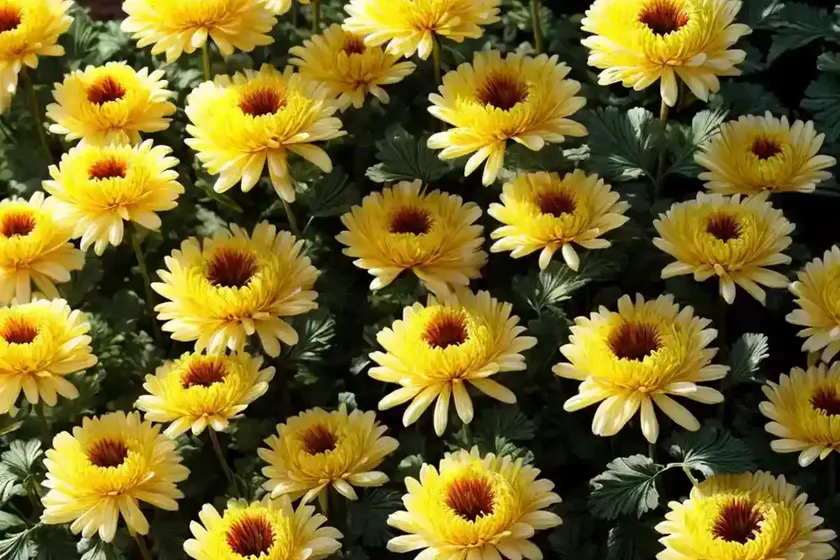
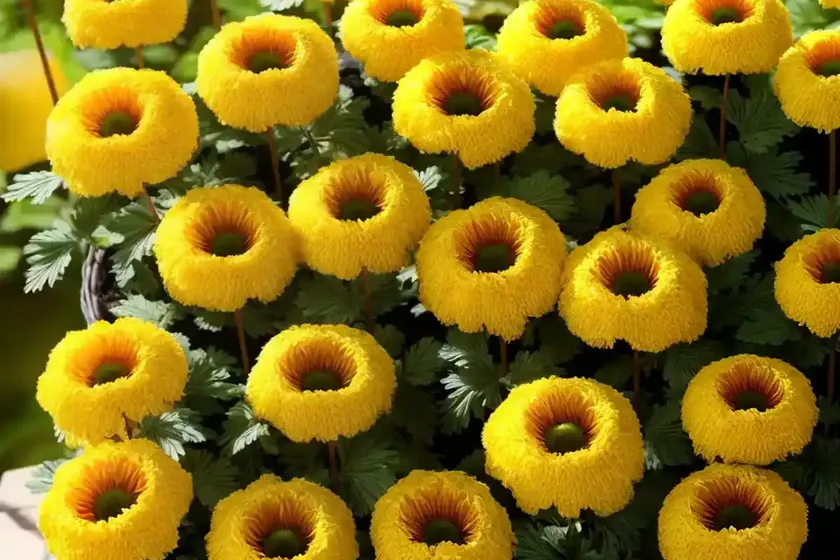
When we think about the diverse and beautiful world of plants, it’s impossible to overlook the mesmerizing charm of the Indian chrysanthemum (Chrysanthemum indicum). This herbaceous perennial plant is not only visually captivating but also holds significant cultural, medicinal, and horticultural importance. In this comprehensive guide, we will delve into the various facets of this enchanting flower. We will explore its cultural significance, its uses in Ayurveda, its ecological benefits, its propagation methods, and much more. So, let’s embark on this captivating journey and unravel the secrets of the Indian chrysanthemum!
What is Indian Chrysanthemum (Chrysanthemum indicum)?
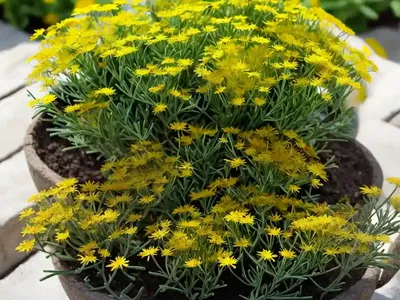
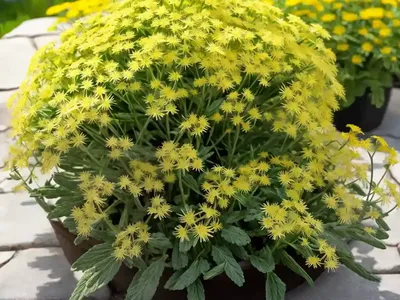
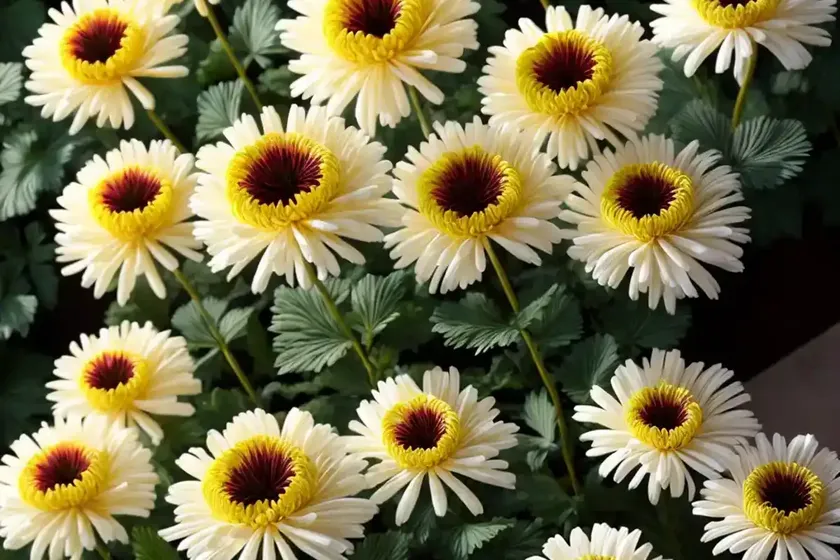
Indian chrysanthemum, scientifically known as Chrysanthemum indicum, is a species of flowering plant in the Asteraceae family. It is indigenous to East Asia, particularly China and Japan, where it has a long history of cultivation. The plant is characterized by its vibrant, daisy-like flowers that come in a wide range of colors, including various shades of pink, red, yellow, and white.
Key Takeaways
Before we venture deeper into the world of Indian chrysanthemums, let’s highlight some key takeaways about this enchanting plant.
- Indian chrysanthemum (Chrysanthemum indicum) boasts a rich cultural significance and is deeply woven into the fabric of various traditions and ceremonies.
- The plant is celebrated for its diverse uses in Ayurveda and traditional medicine, attributed to its therapeutic properties and healing benefits.
- Cultivating Indian chrysanthemums offers an array of ecological benefits, making it an eco-friendly choice for gardeners and nature enthusiasts.
- The propagation and care of Indian chrysanthemums require specific attention to factors such as water, sunlight, soil, and pruning techniques, which we will explore in detail.
Now that we’ve set the stage, let’s delve into the diverse and captivating world of Indian chrysanthemums, exploring their cultural significance, uses, cultivation methods, and much more!
Culture
The cultural significance of Indian chrysanthemums is as enchanting and diverse as the plant itself. The flower holds a prominent place in various traditions, symbolizing different concepts and values across different cultures.
Indian Chrysanthemum Symbolism
In many cultures, the Indian chrysanthemum symbolizes honesty, purity, and fidelity. It is often used in ceremonies such as weddings, where it represents the purity and longevity of the marital bond. Additionally, in some regions of East Asia, the chrysanthemum is associated with nobility and is a symbol of the Japanese imperial family.
Indian Chrysanthemum Folklore and Legends
The Indian chrysanthemum is deeply entrenched in folklore and legends across Asia. In Chinese folklore, it is believed that chrysanthemums have the power to bring laughter and happiness to a home. Additionally, these flowers are often associated with the mythical figure of Tao Yuanming, a poet who was said to have wandered among chrysanthemums, leading to their association with reclusion and self-discipline.
Uses
The uses of Indian chrysanthemum are diverse and multifaceted, ranging from aesthetic and ornamental purposes to medicinal and therapeutic applications.
Indian Chrysanthemum Flowers
The most obvious and visually striking use of Indian chrysanthemums is as ornamental flowers. With their wide variety of colors and shapes, they are popular additions to gardens, floral arrangements, and indoor spaces. The vibrant hues and intricate petal structures of the chrysanthemum flowers have made them a favorite in the world of floral arts and crafts.
Chrysanthemum Indicum Uses in Ayurveda
In Ayurveda, the traditional Indian system of medicine, Chrysanthemum indicum is known for its medicinal properties. The plant is used in various formulations to treat conditions such as fever, headache, and inflammation. The leaves of the Indian chrysanthemum are also utilized for their therapeutic benefits.
Indian Chrysanthemum Floral Crafts
The intricate and diverse forms of Indian chrysanthemum flowers make them ideal for floral crafts. From stunning bouquets to elaborate floral arrangements, these flowers lend themselves to a wide range of creative expressions in the realm of floral crafts.
Water
Understanding the water requirements of Indian chrysanthemums is essential for their healthy growth and vibrant blooms. Proper watering practices are crucial in maintaining the plant’s health and ensuring its longevity.
Indian Chrysanthemum Water Requirements
Indian chrysanthemums thrive in well-drained soil that is kept consistently moist but not waterlogged. Adequate watering is crucial, especially during the flowering period, to support the development of robust blooms. During hot and dry spells, it is important to monitor soil moisture and provide supplementary watering as needed.
Sunlight
Sunlight is one of the key factors influencing the growth, flowering, and overall health of Indian chrysanthemums. Understanding the sunlight requirements of these plants is crucial for their successful cultivation.
Chrysanthemum Indicum Sun Requirements
Indian chrysanthemums flourish in full sunlight, requiring at least 6-8 hours of direct sun exposure per day for optimal growth and blooming. Insufficient sunlight can lead to leggy growth and reduced flower production. Therefore, it is important to ensure that these plants are situated in locations with ample access to sunlight.
Fertilizer
Proper nutrition is essential for the health and vitality of Indian chrysanthemums. Appropriate fertilization practices can significantly enhance the plant’s growth and flowering capabilities.
Indian Chrysanthemum Fertilization
Indian chrysanthemums benefit from regular fertilization during their active growing season. A balanced, water-soluble fertilizer with a higher phosphorus content is recommended to promote robust flowering. Fertilization should be carried out according to the specific needs of the soil and the plant’s growth stage.
Soil
The soil composition and structure play a crucial role in the successful cultivation of Indian chrysanthemums. Understanding the soil preferences of these plants is fundamental for creating an optimal growing environment.
Indian Chrysanthemum Soil Preferences
Indian chrysanthemums thrive in well-draining, loamy soil with a slightly acidic to neutral pH range. Good soil aeration and moisture retention are essential for the healthy development of the plant’s root system. Additionally, incorporating organic matter into the soil can further enhance its quality and fertility.
Pruning
Pruning is an important aspect of Indian chrysanthemum care, contributing to the plant’s overall shape, health, and flower production. Proper pruning techniques can help maintain the plant’s form and encourage prolific blooming.
Indian Chrysanthemum Pruning Tips
Pruning Indian chrysanthemums should be carried out in the early stages of growth to promote bushy and compact growth. Regular removal of spent flowers and pinching back the growing tips can encourage the development of lateral shoots and a greater number of flower buds. Additionally, pruning can help prevent the plant from becoming overly leggy and can contribute to a more aesthetically pleasing appearance.
Propagation
Propagating Indian chrysanthemums offers the opportunity to expand your collection of these captivating plants and share their beauty with others. Understanding the propagation methods is essential for successful reproduction.
How to Propagate Indian Chrysanthemum
Indian chrysanthemums can be propagated through various methods, including division, cuttings, and seeds. Division is a common method where the plant’s root clumps are separated to create new individuals. Stem cuttings can also be used to propagate specific cultivars with desired traits. Additionally, propagating Indian chrysanthemums from seeds allows for the creation of new genetic variations and hybrids.
Container Popularity
The Indian chrysanthemum’s versatility and aesthetic appeal make it an ideal choice for container gardening. Cultivating these plants in containers offers numerous benefits and allows for greater flexibility in their placement and care.
Indian Chrysanthemum Container Gardening
Indian chrysanthemums can thrive in containers, provided that they are provided with adequate space, drainage, and nutrients. Container gardening allows for easy mobility and placement of the plants in various indoor and outdoor settings, making them an excellent choice for urban and space-limited environments. Additionally, potted Indian chrysanthemums can serve as stunning focal points in patio gardens, balconies, and other confined spaces.
Common Diseases
Like many plants, Indian chrysanthemums are susceptible to certain diseases that can impact their health and vigor. Recognizing and addressing these diseases is essential for maintaining the plant’s well-being.
Chrysanthemum Indicum Disease Diagnosis
Indian chrysanthemums can be affected by various diseases, including leaf spot, powdery mildew, and stem rot. Proper diagnosis of these diseases is crucial for implementing effective disease management strategies. Regular inspection of the plants for signs of discoloration, wilting, or abnormal growth can help in the early detection and treatment of these ailments.
Common Pests
Pests can pose a significant threat to the health and vitality of Indian chrysanthemums. Identifying and managing these pests is essential for safeguarding the plant from potential damage.
Indian Chrysanthemum Pest Control
Common pests that can target Indian chrysanthemums include aphids, spider mites, and caterpillars. Implementing pest control measures such as regular monitoring, natural predators, and targeted insecticides can help mitigate pest infestations and protect the plant from damage.
Botanist’s Tips
Drawing from the expertise of botanists and horticulturalists, here are some valuable tips for successfully cultivating and caring for Indian chrysanthemums.
- Select appropriate cultivars based on your climate, soil type, and space limitations to optimize the plant’s growth and flowering potential.
- Incorporate organic matter and compost into the soil to enhance its fertility and structure, promoting the robust development of Indian chrysanthemums’ root systems.
- Monitor the plant for signs of stress, disease, or pests, and take prompt measures to address any issues that may arise.
- Experiment with different pruning techniques to discover the most effective ways of promoting bushy growth and prolific flowering in Indian chrysanthemums.
Fun Facts
Before we conclude our journey into the captivating world of Indian chrysanthemums, let’s uncover some intriguing fun facts about these enchanting plants.
- The word “chrysanthemum” is derived from the Greek words “chrysos,” meaning gold, and “anthemon,” meaning flower, reflecting the flower’s original golden hue.
- Chrysanthemums are the official birth flower for those born in November, symbolizing cheerfulness and optimism.
- In traditional Chinese medicine, the chrysanthemum flower is used to make a fragrant and soothing tea known for its calming and detoxifying properties.
Links to External Resources
To further enrich your understanding and appreciation of Indian chrysanthemums, we have curated a selection of external resources that offer valuable insights and information about these captivating plants.
- Chrysanthemum Indicum: Growing Guide
- Indian Chrysanthemum: Cultural Significance and Symbolism
- Ayurvedic Uses of Chrysanthemum Indicum
- Botanical Characteristics of Chrysanthemum Indicum
- Pest Management in Chrysanthemum Cultivation
In the boundless tapestry of the botanical world, Indian chrysanthemums stand as captivating and multifaceted gems, revered for their aesthetic allure, cultural significance, and healing properties. Whether adorning gardens, serving as therapeutic ingredients, or inspiring artistic creations, these enchanting flowers continue to enchant and inspire us. As we conclude our exploration, may the beauty and resilience of the Indian chrysanthemum serve as a reminder of the wondrous diversity and richness of the natural world.