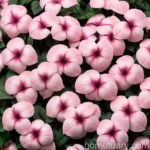
The Wonderful World of Impatiens ‘Infinity Lavender’
Impatiens ‘Infinity Lavender’ is a beautiful and versatile plant that offers a plethora of benefits for garden enthusiasts. Its stunning flowers, low-maintenance nature, and ability to thrive in varying conditions make it a popular choice for both beginner and experienced gardeners. In this comprehensive guide, we will delve into the intricacies of Impatiens ‘Infinity Lavender’, from its basic characteristics to its care requirements, propagation techniques, and common issues that gardeners may encounter. Let’s embark on an exciting journey to explore the breathtaking world of Impatiens ‘Infinity Lavender’.
What is Impatiens ‘Infinity Lavender’?
Impatiens ‘Infinity Lavender’ is a striking annual plant that belongs to the Balsaminaceae family. Known for its vibrant and abundant blooms, it is a favorite choice for adding vibrant splashes of color to shaded areas of gardens, landscapes, and containers. This cultivar is renowned for its captivating lavender-hued flowers, which create an enchanting visual display that lasts throughout the growing season.
Key Characteristics of Impatiens ‘Infinity Lavender’
- Scientific Name: Impatiens ‘Infinity Lavender’
- Family: Balsaminaceae
- Common Name: Infinity Lavender Impatiens
- Physical Attributes: Delicate, lavender-colored flowers with a lush, green foliage backdrop
- Growth Habit: Compact and bushy, reaching a height of 10-12 inches (25-30 cm)
- Lifecycle: Annual
The enchanting qualities of Impatiens ‘Infinity Lavender’ make it a valuable addition to any garden, providing an unparalleled charm that elevates the overall aesthetic appeal.
Culture
Understanding the ideal cultural requirements for Impatiens ‘Infinity Lavender’ is essential for nurturing its growth and ensuring its prosperity. Let’s explore the key aspects of its culture, including its water, sunlight, fertilizer, soil, and pruning needs.
Water
Impatiens ‘Infinity Lavender’ thrives in consistently moist soil, making it crucial to maintain a regular watering regimen. Adequate hydration is essential for promoting healthy growth and prolific bloom production. The plant’s shallow root system necessitates attentive watering to prevent the soil from drying out.
To determine when to water, perform a simple soil moisture check by gently inserting your finger into the soil. If the top inch feels dry to the touch, it’s time to provide water. Aim to water the plant at the base to minimize the risk of water splashing onto the delicate foliage, which can lead to issues such as fungal diseases.
Sunlight
In its natural habitat, Impatiens ‘Infinity Lavender’ flourishes in shaded to partially shaded environments. When cultivating this plant, ensure that it receives dappled sunlight or filtered light to mimic its preferred growing conditions. Exposure to direct sun for prolonged periods can lead to leaf scorch and diminished flower production.
Finding the optimal balance between light and shade is imperative for maintaining the plant’s health and promoting robust blooms. When selecting a planting location, prioritize areas with gentle morning sun and afternoon shade to provide an ideal environment for Impatiens ‘Infinity Lavender’ to thrive.
Fertilizer
Providing appropriate nourishment is vital for bolstering the growth and vitality of Impatiens ‘Infinity Lavender’. Employing a balanced, water-soluble fertilizer formulated for flowering plants is recommended. Dilute the fertilizer according to the manufacturer’s instructions and apply it to the plant every two to four weeks during the growing season.
Avoid overfertilization, as excessive nutrient levels can adversely impact the plant and lead to issues such as reduced flowering, leggy growth, and susceptibility to diseases. Careful application of fertilizer will fortify the plant with essential nutrients while preventing the risk of nutrient imbalances.
Soil
Impatiens ‘Infinity Lavender’ exhibits a preference for well-draining, humus-rich soil that retains moisture without becoming waterlogged. An optimal soil blend comprises a combination of organic matter, such as compost or peat moss, along with a high-quality potting mix. This composition fosters a favorable growing medium that supports the plant’s development and sustains its moisture needs.
Before planting, assess the soil texture and structure to ensure it conforms to the plant’s requirements. If the native soil is heavy or compacted, augment it with organic amendments to enhance its drainage capacity and foster an environment conducive to robust growth.
Pruning
Regular pruning of Impatiens ‘Infinity Lavender’ is advantageous for maintaining its compact form, prolonging the flowering period, and enhancing overall vigor. Removal of spent blooms and leggy stems encourages the plant to allocate more energy towards producing fresh growth and new flowers.
Utilize clean, sharp pruners to trim the plant as needed, removing any withered or discolored flowers, as well as any excessively long or straggly stems. Pruning not only enhances the aesthetic appeal of the plant but also plays a pivotal role in stimulating continuous flowering, thereby prolonging the duration of its visual splendor.
Uses
Impatiens ‘Infinity Lavender’ offers a multitude of applications, ranging from ornamental embellishments in gardens to charming accents in containers and hanging baskets. Its versatility and adaptability make it a valuable asset in various horticultural settings, and its multitude of uses contributes to its widespread popularity among gardeners. Let’s explore some of the primary uses of Impatiens ‘Infinity Lavender’.
Garden Planting
When incorporated into garden landscapes, Impatiens ‘Infinity Lavender’ injects an enchanting burst of color, transforming dull, shaded areas into vibrant, captivating spaces. Its compact growth habit and prolific flowering capacity make it an ideal choice for creating colorful borders, edgings, and ground covers.
The plant’s resilient nature enables it to thrive in challenging environments, where other flowering plants may struggle to flourish. By strategically placing Impatiens ‘Infinity Lavender’ in shaded garden areas, it becomes a star performer, showcasing its dazzling blooms and enhancing the visual allure of the entire landscape.
Container Gardening
Impatiens ‘Infinity Lavender’ excels as a container plant, gracing outdoor and indoor spaces with its radiant flowers and lush foliage. Its compatibility with various container sizes and types presents an array of opportunities for creative arrangements, allowing gardeners to showcase its beauty in diverse settings.
Teaming Impatiens ‘Infinity Lavender’ with complementary plants in containers yields visually captivating displays, providing an avenue for personal expression and artistic flair. Its adaptability to container cultivation makes it an indispensable asset for embellishing patios, balconies, and other confined spaces with a burst of floral elegance.
Hanging Baskets
The cascading growth habit of Impatiens ‘Infinity Lavender’ renders it a natural fit for hanging baskets, where its profusion of blooms spills over the edges, creating a picturesque spectacle. Its trailing nature imbues hanging baskets with a captivating allure, infusing vertical spaces with a vibrant tapestry of lavender-hued flowers.
When suspended from overhead structures, such as pergolas or arches, the pendulous growth of Impatiens ‘Infinity Lavender’ bestows an ethereal charm upon its surroundings, evoking a sense of serenity and beauty. Its presence in hanging baskets elevates the ambiance of outdoor living spaces, delivering a spectacular floral showcase that captivates onlookers.
Propagation
The propagation of Impatiens ‘Infinity Lavender’ presents an exciting opportunity for gardeners to expand their plant collection and share the beauty of this captivating species with others. Two primary methods can be employed for propagating Impatiens ‘Infinity Lavender’: seed sowing and stem cutting propagation.
Seed Sowing
- Preparation: Begin by acquiring high-quality Impatiens ‘Infinity Lavender’ seeds from reputable sources to ensure viability and genetic integrity. Choose a well-ventilated area with ample natural light for the propagation process.
- Sowing Medium: Fill seed trays or small pots with a fine, well-draining propagation mix, such as a blend of peat moss and perlite. Moisten the medium before sowing to provide a conducive environment for germination.
- Sowing Process: Sow the impatiens seeds evenly across the surface of the propagation medium, lightly pressing them into the soil. Cover the seeds with a thin layer of the propagation mix to secure them in place.
- Moisture and Temperature: Maintain consistent moisture levels by misting the sowing medium with water, and provide warmth and humidity by placing the trays or pots in a controlled environment, such as a greenhouse or enclosed propagation area.
- Germination and Transplanting: With proper care and attention to moisture and temperature, the impatiens seeds should germinate within 1-2 weeks. Once the seedlings develop a sufficient size and vigor, they can be transplanted into individual containers or garden beds.
Stem Cutting Propagation
- Selection of Cuttings: Identify healthy, non-flowering stems on the Impatiens ‘Infinity Lavender’ plant, choosing sections that exhibit vigorous growth and lack any signs of disease or damage.
- Cutting Preparation: Using clean, sharp pruners, take 3-4 inch (7.5-10 cm) cuttings from the selected stems, ensuring that each cutting possesses at least one pair of leaves. Remove any lower leaves to create a clean, bare stem for insertion into the propagation medium.
- Propagation Medium: Fill small pots or trays with a well-draining propagation mix, such as a blend of peat moss and perlite. Water the medium thoroughly to achieve adequate moisture levels.
- Insertion and Rooting: Gently insert the prepared stem cuttings into the propagation medium, ensuring that the lower leaf nodes are buried beneath the surface. Place the cuttings in a warm, bright location while providing consistent moisture to facilitate root establishment.
- Transplanting: After approximately 4-6 weeks, the cuttings should have developed a robust root system. At this stage, they can be transplanted into individual pots or garden beds, where they will continue to grow and flourish.
By employing these propagation techniques, gardeners can propagate Impatiens ‘Infinity Lavender’ with ease, allowing them to share its beauty with others and propagate new generations of this captivating plant.
Popularity
Impatiens ‘Infinity Lavender’ has garnered significant popularity among gardeners, horticulturists, and landscaping enthusiasts across the globe. Its irresistible charm, low-maintenance nature, and versatile uses have contributed to its widespread appeal, making it a sought-after choice for adding a touch of elegance and vibrancy to various horticultural settings. Let’s delve into the factors that have propelled the popularity of Impatiens ‘Infinity Lavender’ and solidified its status as a beloved ornamental plant.
Spectacular Flowers
The captivating flowers of Impatiens ‘Infinity Lavender’ serve as a primary driver of its popularity, as they exhibit a breathtaking display of lavender-hued petals that captivate the eye and elevate the visual appeal of any space. The profusion of flowers creates a spectacular floral showcase, imbuing gardens, landscapes, and containers with an enchanting allure that is difficult to resist.
The well-defined, star-shaped blooms exude a delicate charm that beckons observers to marvel at their beauty, forming an integral component of the plant’s widespread popularity. Whether displayed as standalone specimens or integrated within elaborate garden designs, the striking flowers of Impatiens ‘Infinity Lavender’ command attention and admiration.
Low-Maintenance Nature
Gardeners are drawn to the low-maintenance attributes of Impatiens ‘Infinity Lavender’, as it offers a hassle-free planting experience that yields impressive rewards. The plant’s inherent resilience and adaptability enable it to thrive in diverse environmental conditions, including shaded areas and challenging soil types, making it an excellent choice for gardeners seeking effortlessly beautiful ornamental plants.
Its minimal care requirements and robust growth potential further contribute to its popularity, providing a captivating option for beginners and experienced gardeners alike. The ease of cultivation and the promise of abundant blooms make Impatiens ‘Infinity Lavender’ a favored selection for adorning landscapes with vibrant, long-lasting flowers.
Versatile Applications
The versatility of Impatiens ‘Infinity Lavender’ is a key factor in its widespread popularity, as it offers an array of applications that cater to various gardening preferences and design aspirations. From garden beds and borders to hanging baskets and container displays, the plant seamlessly integrates into diverse settings, enriching them with its radiant presence and enhancing their aesthetic appeal.
Its adaptability to different planting scenarios, coupled with its capacity to thrive in shaded environments, positions Impatiens ‘Infinity Lavender’ as a versatile choice for embellishing virtually any area with striking floral displays. This versatility has endeared the plant to gardeners seeking a captivating, multi-functional species that enriches their horticultural endeavors.
Common Diseases
Like all plants, Impatiens ‘Infinity Lavender’ is susceptible to a range of diseases that can compromise its health and vitality. Familiarizing oneself with the common diseases that afflict this species is crucial for implementing preventive measures and promptly addressing any signs of infection. By understanding the symptoms, causes, and control strategies for these diseases, gardeners can safeguard their Impatiens ‘Infinity Lavender’ and maintain its robustness. Let’s explore some of the primary diseases that may affect this charming plant.
Downy Mildew (Plasmopara obducens)
Downy mildew is a fungal disease that poses a significant threat to Impatiens ‘Infinity Lavender’, particularly in humid and moist conditions. The disease is characterized by the development of distinctive yellowish-green lesions on the upper surface of the leaves, often accompanied by white, downy growth on the undersides. In advanced stages, affected leaves may become distorted and eventually drop from the plant.
Disease Management Strategies
-
Cultural Practices: Implement cultural practices that promote air circulation and reduce leaf moisture, such as spacing plants appropriately and watering at the base to prevent foliage wetting. Adequate spacing inhibits the spread of downy mildew and minimizes the risk of infection.
-
Fungicide Application: Utilize fungicides labeled for downy mildew control, applying them preventatively to protect against potential infections. Always follow the manufacturer’s instructions and safety precautions when using fungicidal products.
-
Early Detection: Monitor the plant regularly for symptoms of downy mildew, focusing on the undersides of leaves where the characteristic downy growth is prevalent. Promptly remove and dispose of any affected foliage to prevent the disease from spreading.
Botrytis Blight (Botrytis spp.)
Botrytis blight, also known as gray mold, is a common fungal disease that thrives in cool, wet conditions, making Impatiens ‘Infinity Lavender’ susceptible to its onset. The disease manifests as fuzzy, grayish-brown fungal growth on the affected plant parts, such as flowers, stems, and foliage. Additionally, the presence of water-soaked lesions and premature flower senescence are indicative of botrytis blight infection.
Disease Management Strategies
-
Environmental Modification: Minimize humidity levels and moisture accumulation by providing adequate ventilation and proper spacing between plants. This inhibits the favorable conditions for botrytis blight development and curtails its spread.
-
Pruning and Sanitation: Routinely remove any decaying or infected plant material to prevent the spread of botrytis blight. Pruning and discarding affected parts reduce the disease’s presence and promote the plant’s recovery.
-
Fungicidal Applications: Apply fungicidal products approved for botrytis blight control as a preventive measure, especially during periods conducive to disease development. Rigorous adherence to the application schedule and recommended concentrations maximizes the effectiveness of fungicidal treatments.
Root Rot (Pythium spp., Phytophthora spp.)
Root rot is a serious disease that poses a threat to Impatiens ‘Infinity Lavender’, particularly in poorly drained soil and overwatered conditions. Affected plants exhibit symptoms such as wilting, yellowing foliage, and stunted growth, often accompanied by decay and discoloration of the root system. The detrimental impact of root rot on the plant’s overall health necessitates proactive measures to mitigate its effects.
Disease Management Strategies
-
Optimized Soil Conditions: Cultivate well-draining soil and ensure proper moisture management to prevent waterlogged conditions that contribute to root rot development. Amending the soil with organic matter enhances its drainage capacity and reduces the risk of water accumulation around the roots.
-
Avoid Overwatering: Practice moderation in watering to prevent soil saturation and excess moisture accumulation, creating an environment conducive to root rot. Adjust the watering frequency based on the plant’s moisture requirements and the prevailing environmental conditions.
-
Biological Control Agents: Employ beneficial biological control agents, such as mycorrhizal fungi, to fortify the plant’s root system and enhance its resistance to root rot pathogens. These agents establish symbiotic relationships with the roots, bolstering their ability to withstand disease pressures.
Common Pests
The presence of pests can adversely impact the health and aesthetics of Impatiens ‘Infinity Lavender’, necessitating vigilant monitoring and proactive measures to mitigate their effects. By familiarizing oneself with the common pests that afflict this species and implementing appropriate control strategies, gardeners can safeguard their plants and maintain their vitality. Let’s explore some of the primary pests that may target this charming plant.
Aphids (Aphidoidea)
Aphids are notorious pests that infest Impatiens ‘Infinity Lavender’, feeding on its succulent plant parts and secreting honeydew, which promotes the development of sooty mold. These soft-bodied insects reproduce rapidly and can inflict considerable damage if left unaddressed, demanding effective pest management interventions.
Pest Management Strategies
-
Mechanical Control: Use a strong stream of water to dislodge aphids from the plant, reducing their population and minimizing their impact. Repeat this process as necessary to prevent aphid populations from rebounding.
-
Natural Predators: Encourage the presence of aphid-consuming predators, such as ladybugs and lacewings, by implementing habitat modifications and refraining from using broad-spectrum insecticides that may harm beneficial insects.
-
Horticultural Oils and Soaps: Apply horticultural oils or insecticidal soaps to the affected plant parts to suffocate and eradicate aphids while minimizing impacts on non-target organisms. Follow the product’s recommendations for optimal results and safety.
Spider Mites (Tetranychus spp.)
Spider mites are minute arachnids that inflict damage on Impatiens ‘Infinity Lavender’ by puncturing plant cells and sucking out the contents, leading to stippling, webbing, and reduced photosynthetic capacity. Their rapid reproduction and ability to thrive in dry conditions underscore the importance of monitoring for early signs of infestation and implementing targeted control measures.
Pest Management Strategies
-
Hygiene and Sanitation: Regularly clean and inspect the plant to remove dust and debris, reducing the favorable conditions for spider mite infestation and facilitating pest detection.
-
Nonchemical Controls: Introduce predatory mites or natural enemies of spider mites to establish biological control and maintain population levels. This natural approach circumvents the need for chemical intervention while effectively managing the pest.
-
Miticide Application: If infestations reach damaging levels, employ selective miticides to target spider mites while minimizing adverse impacts on beneficial organisms and the environment. Adhere strictly to application guidelines and safety precautions to achieve effective control.
Whiteflies (Aleyrodidae)
Whiteflies are persistent pests that pose a threat to Impatiens ‘Infinity Lavender’ by feeding