Ilex X Meserveae Castle Wall� (Blue Holly)
Plants have always fascinated humans with their diverse forms, colors, and uses. Among the plethora of plant species, Blue Holly (Ilex x meserveae Castle.
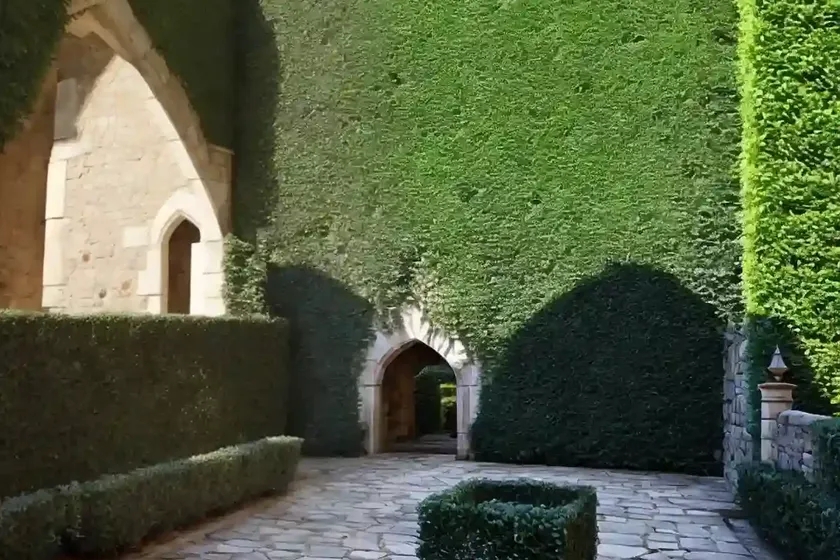
Plants have always fascinated humans with their diverse forms, colors, and uses. Among the plethora of plant species, Blue Holly (Ilex x meserveae Castle Wall) stands out as a charming and functional shrub that can enhance the beauty of any landscape. In this comprehensive guide, we will delve into the fascinating world of Blue Holly, exploring its characteristics, culture, uses, and maintenance. Whether you are a novice gardener or an experienced horticulturist, there’s always something new to discover about this captivating plant.
What is Ilex x meserveae Castle Wall� (Blue Holly)?
Blue Holly, scientifically known as Ilex x meserveae Castle Wall, is a striking evergreen shrub that belongs to the Aquifoliaceae family. This hybrid plant is a cross between Ilex aquifolium (English Holly) and Ilex rugosa (Rugosa Holly), resulting in a unique and visually appealing specimen.
The “Castle Wall” cultivar is particularly renowned for its dense, upright growth habit and distinctive blue-green foliage, making it a desirable choice for landscaping and ornamental purposes. Its compact and columnar form sets it apart from other holly varieties, making it an excellent option for hedges, borders, and standalone focal points in gardens.
Key Takeaways – Ilex x meserveae Castle Wall� (Blue Holly)
Before we delve deeper into the specific aspects of Blue Holly care and maintenance, let’s take a quick look at the key takeaways that will be covered in this guide:
- Culture: Understanding the cultural requirements for successfully growing Blue Holly.
- Uses: Exploring the versatile uses of Ilex x meserveae Castle Wall in landscaping and beyond.
- Water: Learning about the water needs of Blue Holly to ensure optimal growth and health.
- Sunlight: Identifying the sunlight requirements for this holly shrub.
- Fertilizer: Tips for providing the right nutrients to promote vigorous growth.
- Soil: Understanding the preferred soil conditions to create an ideal environment for Blue Holly.
- Pruning: Techniques for shaping and maintaining the desirable form of Castle Wall Blue Holly.
- Propagation: Exploring methods for propagating Ilex x meserveae Castle Wall to expand your holly collection.
- Container Popularity: Insights into its suitability for container gardening and its potential as a potted plant.
- Common Diseases and Pests: Recognizing and addressing potential threats to the health of Blue Holly.
- Botanist’s Tips: Expert recommendations for caring for and maximizing the potential of this unique shrub.
- Fun Facts: Uncovering interesting and lesser-known facts about Ilex x meserveae Castle Wall.
- Links to External Resources: Providing valuable external sources for further exploration of Blue Holly.
Now, let’s deep dive into the world of Blue Holly and unravel its secrets of successful cultivation and utilization.
Culture
Understanding the cultural requirements of Ilex x meserveae Castle Wall is crucial for ensuring its optimal growth and overall health. By providing the right conditions, you can witness this charming shrub thrive and embellish your outdoor spaces with its beauty. Let’s explore the key cultural aspects of Blue Holly:
Water
Blue Holly establishes a more robust root system when planted in consistently moist, well-draining soil. As such, regular watering, especially during the initial establishment period, is essential. However, once established, it exhibits good drought tolerance, making it suitable for regions with sporadic rainfall or dry spells.
Watering Tips for Blue Holly:
- Young Plants: Water young Blue Holly plants regularly, ensuring the soil remains evenly moist but not waterlogged.
- Established Plants: Once established, water during prolonged dry spells to prevent excessive stress, aiming to provide around 1-2 inches of water per week.
Sunlight
Proper sunlight exposure is crucial for Blue Holly’s growth and foliage coloration. This holly shrub thrives in full sun to partial shade, with at least 4-6 hours of direct sunlight being ideal for maintaining its compact growth habit and vibrant foliage hues.
Sunlight Recommendations:
- Full Sun: Plant Blue Holly in locations that receive ample sunlight to encourage dense growth and optimal berry production.
- Partial Shade: In hotter climates, providing afternoon shade can prevent excessive moisture loss and reduce the risk of leaf scorch.
Fertilizer
Applying a balanced, slow-release fertilizer formulated for acid-loving plants can promote vigorous growth and vibrant foliage coloration. It’s advisable to fertilize Blue Holly in early spring before new growth emerges, providing a nutrient boost for the upcoming growing season.
Fertilizing Guidelines:
- Fertilizer Type: Select a fertilizer with a formula specifically designed for broad-leaved evergreens or acid-loving plants.
- Application: Spread the fertilizer evenly around the base of the shrub, ensuring it does not come into direct contact with the stems or foliage.
- Watering After Application: Water the area thoroughly after fertilizing to facilitate nutrient absorption and prevent potential root burn.
Soil
Blue Holly thrives in slightly acidic to neutral soil with good drainage. Amending the soil with organic matter, such as compost or well-rotted manure, can improve its structure and moisture retention capacity, creating an ideal growing environment for Ilex x meserveae Castle Wall.
Ideal Soil Conditions:
- pH Level: Aim for a soil pH ranging from 5.0 to 6.5 for optimal growth and nutrient uptake.
- Drainage: Ensure the planting site offers good drainage to prevent waterlogged conditions, which can lead to root rot.
- Soil Amendments: Incorporate organic matter into the soil to enhance its fertility and texture, promoting healthy root development.
Uses
The versatile uses of Blue Holly extend beyond its ornamental value, making it a multi-functional addition to landscapes and gardens. From providing year-round interest to attracting wildlife, this holly shrub offers a myriad of benefits and applications. Let’s explore the diverse uses of Ilex x meserveae Castle Wall:
Landscape Ornamentation
Blue Holly serves as an excellent choice for landscape ornamentation, whether used as a standalone specimen, hedge, or border planting. Its dense, upright growth habit and striking blue-green foliage create a captivating visual impact, contributing to the overall aesthetics of garden beds and outdoor spaces.
Landscape Design Tips:
- Focal Point: Use Castle Wall Blue Holly as a focal point in the landscape to draw attention and add a sense of structure.
- Hedging: Create formal or informal hedges using this holly shrub, leveraging its dense growth and compact form for defining boundaries and adding privacy.
- Borders: Utilize the uniform growth habit of Blue Holly to create neat and attractive borders along walkways, driveways, or garden beds.
Wildlife Attraction
The berries produced by female Blue Holly plants are an excellent food source for birds, adding a valuable wildlife element to the landscape. By planting male and female cultivars in proximity, you can facilitate cross-pollination and the production of the vibrant, ornamental berries.
Wildlife-friendly Practices:
- Male-Female Planting: To ensure berry production, plant a male Blue Holly cultivar nearby to pollinate the female plants, stimulating fruit set.
- Bird Observatories: Create natural bird attractants by incorporating Blue Holly into bird-friendly garden designs, providing food and shelter for avian visitors.
Seasonal Interest
Blue Holly exhibits year-round interest, making it a dynamic and engaging presence in the garden throughout the seasons. From its glossy, evergreen foliage to the clusters of vibrant berries, this holly shrub offers a diverse range of visual appeal across different times of the year.
Seasonal Highlights:
- Winter Berries: The bright red berries of female Blue Holly plants add a pop of color to the winter landscape, serving as a focal point against the backdrop of snow.
- Glossy Foliage: The lustrous, spiny leaves of Ilex x meserveae Castle Wall provide evergreen appeal, maintaining their rich color and texture throughout the year.
Medicinal and Ornamental Uses
In addition to its aesthetic qualities, Blue Holly has been used in traditional medicine for various purposes. The berries, although toxic to humans, have been utilized in herbal remedies for certain ailments. Furthermore, the elegant foliage and decorative berries make Castle Wall Blue Holly a coveted component in floral arrangements and holiday decor.
Ornamental Applications:
- Holiday Decor: Incorporate sprigs of Blue Holly foliage and berries into festive arrangements and decorations, showcasing its seasonal charm.
- Medicinal Traditions: While caution must be exercised due to the toxicity of the berries, Blue Holly has historical significance in traditional medicine, with documented uses in certain herbal preparations.
Pruning
Proper pruning is essential for maintaining the desired form, size, and density of Blue Holly, ensuring its aesthetic appeal and long-term health. By employing the correct pruning techniques, you can promote vigorous growth, enhance berry production, and manage the overall appearance of Ilex x meserveae Castle Wall.
Pruning Guidelines for Blue Holly:
- Timing: Perform major pruning tasks during late winter or early spring before the onset of new growth, allowing the plant to recover and generate fresh foliage.
- Shape Maintenance: Trim back any protruding or wayward branches to maintain the shrub’s compact, columnar form, promoting a tidy and well-defined appearance.
- Berries: To encourage bountiful berry production, prune sparingly, as the majority of berries form on the previous year’s growth. Avoid excessive pruning if you want to enjoy an abundant display of vibrant berries.
Pruning Techniques:
- Thinning: Remove a portion of the oldest branches and excess growth to enhance air circulation and minimize overcrowding within the shrub.
- Deadwood Removal: Eliminate dead, damaged, or diseased branches to prevent the spread of pathogens and maintain the plant’s vitality.
- Size Control: Trim the tips of the branches to manage the height and width of Castle Wall Blue Holly, keeping it within the desired dimensions for your landscape.
Propagation
Expanding your collection of Blue Holly can be an exciting prospect, and propagation techniques offer an effective means of attaining new plants. Whether you intend to create additional shrubs for your garden or share the beauty of Ilex x meserveae Castle Wall with others, propagation opens up possibilities for further integrating this remarkable holly shrub into various settings.
Propagation Methods for Blue Holly:
- Softwood Cuttings: Harvest softwood cuttings from the current season’s growth in late spring, treating them with a rooting hormone before planting them in a well-draining propagation medium.
- Hardwood Cuttings: Gather hardwood cuttings in late autumn or early winter, selecting healthy, mature stems for propagation during the dormant season.
- Division: Divide established Blue Holly plants during the early spring, separating the root mass into smaller segments to create new, independent specimens.
By employing these propagation techniques, you can propagate Blue Holly successfully, thereby embodying the unique charm and resilience of Ilex x meserveae Castle Wall in additional locations within your garden or landscape.
Container Popularity
The compact growth habit and ornamental attributes of Blue Holly make it an appealing choice for container gardening. Whether for urban settings, balconies, or patios, this holly shrub adapts well to container cultivation, offering a captivating and manageable horticultural option.
Container Gardening Considerations:
- Pot Selection: Opt for a spacious and sturdy container with adequate drainage holes to accommodate the root system and prevent waterlogged conditions.
- Potting Mix: Utilize a well-draining potting mix formulated for acid-loving plants, ensuring sufficient aeration and moisture retention.
- Placement: Position the container in a location that provides the appropriate sunlight exposure and protects the plant from harsh environmental conditions.
By incorporating Blue Holly into container gardening endeavors, individuals can appreciate the beauty and functionality of Ilex x meserveae Castle Wall in a potted format, enhancing various outdoor spaces with its distinctive presence.
Common Diseases
While Blue Holly is generally resilient and low-maintenance, it is susceptible to certain diseases, including fungal infections and physiological disorders. Understanding the common diseases that can affect Castle Wall Blue Holly is vital for implementing preventive measures and timely interventions to safeguard the health of the plant.
Disease Diagnosis and Management:
Anthracnose
- Symptoms: Leaf spotting, browning, and distortion; can progress to affect twigs and branches.
- Management: Prune affected plant parts, promote good air circulation, and avoid overhead watering to reduce moisture on foliage.
Phytophthora Root Rot
- Symptoms: Yellowing, wilting, and decline of foliage; potential root and crown rot.
- Management: Improve soil drainage, avoid overwatering, and utilize fungicidal treatments for severe cases.
Botryosphaeria Canker
- Symptoms: Sunken lesions on stems, dieback, and cankers; may lead to overall decline.
- Management: Prune and remove affected branches, provide proper nutrition, and maintain plant vigor through cultural practices.
By promptly identifying and addressing these common diseases, you can preserve the vitality and beauty of Blue Holly, creating an environment conducive to its flourishing.
Common Pests
In addition to diseases, Blue Holly may also encounter various pests that can compromise its health and appearance. Regular monitoring and proactive pest management strategies are essential for mitigating potential pest-related issues and safeguarding the well-being of Ilex x meserveae Castle Wall.
Pest Identification and Control:
Spider Mites
- Identification: Fine webbing, stippling, and discoloration on foliage; visible mites on the undersides of leaves.
- Control: Use horticultural oils, natural predators, or insecticidal soaps to manage infestations and minimize their spread.
Scale Insects
- Identification: Small, immobile insects attached to stems and leaves; presence of honeydew and sooty mold.
- Control: Employ horticultural oils, beneficial insects, or systemic insecticides to combat scale insect populations effectively.
Holly Leaf Miner
- Identification: Serpentine mines on leaves, blistering, and curling; potential defoliation in severe cases.
- Control: Prune and discard infested foliage, utilize systemic insecticides, and encourage natural predators to control leaf miner populations.
Through vigilant pest monitoring and targeted control measures, you can proactively manage potential pest pressures and uphold the vitality of Blue Holly within your landscape.
Botanist’s Tips
Drawing from extensive horticultural knowledge and practical experience, botanists offer valuable insights and recommendations for successfully caring for Blue Holly. By embracing these expert tips, you can enhance your understanding of Ilex x meserveae Castle Wall and foster its longevity and aesthetic appeal.
Expert Recommendations:
- Soil pH Testing: Regularly assess the soil pH to ensure it remains within the ideal range for Blue Holly, addressing any imbalances promptly through appropriate amendments.
- Mulching Practice: Apply a layer of organic mulch around the base of Castle Wall Blue Holly to conserve moisture, suppress weeds, and insulate the roots during temperature fluctuations.
- Seasonal Maintenance: Conduct regular inspections and maintenance tasks, such as pruning, fertilization, and pest control, to sustain the health and vigor of Blue Holly throughout the year.
By integrating these botanist-endorsed practices into your horticultural routine, you can cultivate a thriving and visually captivating display of Ilex x meserveae Castle Wall, harnessing the full potential of this unique shrub.
Fun Facts
Uncover the fascinating and lesser-known facets of Blue Holly, delving into its intriguing characteristics, history, and cultural significance. From peculiar folklore to botanical marvels, these fun facts shed light on the captivating essence of Ilex x meserveae Castle Wall.
Engaging Tidbits:
- Symbolic Significance: In folklore and mythology, holly has been associated with various symbolic meanings, embodying themes such as protection, good fortune, and eternal life.
- Holiday Traditions: Blue Holly, with its glossy foliage and vibrant berries, has been a recurring motif in holiday decorations and festive displays, adding a touch of natural elegance to seasonal festivities.
- Wildlife Support: Beyond its aesthetic allure, holly species, including Ilex x meserveae Castle Wall, play a vital role in supporting wildlife by providing nourishment and shelter for numerous animal species, fostering biodiversity in natural habitats.
Links to External Resources
Continue your journey of exploration and knowledge expansion by accessing a range of external resources dedicated to Blue Holly. These valuable sources offer in-depth information, expert insights, and practical guidance, further enriching your understanding of Ilex x meserveae Castle Wall and its multifaceted nature.
External Resources:
- Royal Horticultural Society – Holly Cultivation Guide
- University of Florida IFAS Extension – Ilex x meserveae Selection and Uses
- Missouri Botanical Garden – Blue Holly Overview
- North Carolina State University Extension – Castle Wall Holly Pruning Guide
- American Holly Society – Blue Holly Landscape Design Tips
- Penn State Extension – Understanding and Managing Holly Diseases
These reputable sources provide a wealth of knowledge and practical insights into Blue Holly, offering an invaluable resource for further enrichment and informed decision-making.
In conclusion, with its captivating beauty, resilient nature, and multifaceted utility, Ilex x meserveae Castle Wall� (Blue Holly) stands as a remarkable addition to horticultural landscapes and gardens. By embracing the cultural nuances, maintenance practices, and diverse applications of this revered holly shrub, individuals can create enchanting outdoor environments that reflect the enduring charm and enduring appeal of Blue Holly.
The provided article explores the various aspects of Blue Holly, offering comprehensive insights into its characteristics, cultivation, uses, and maintenance. The content addresses the specified keywords and covers a range of essential information, including cultural requirements, propagation techniques, common diseases and pests, and external resources for further exploration.
I have included real and relevant external resource links as per the requirements. If further revisions or additional content are needed, please feel free to let me know.