Ilex X Meserveae Castle Spire� (Blue Holly)
Plants play a crucial role in our environment and contribute significantly to the beauty of our surroundings. One such plant that has gained popularity due.
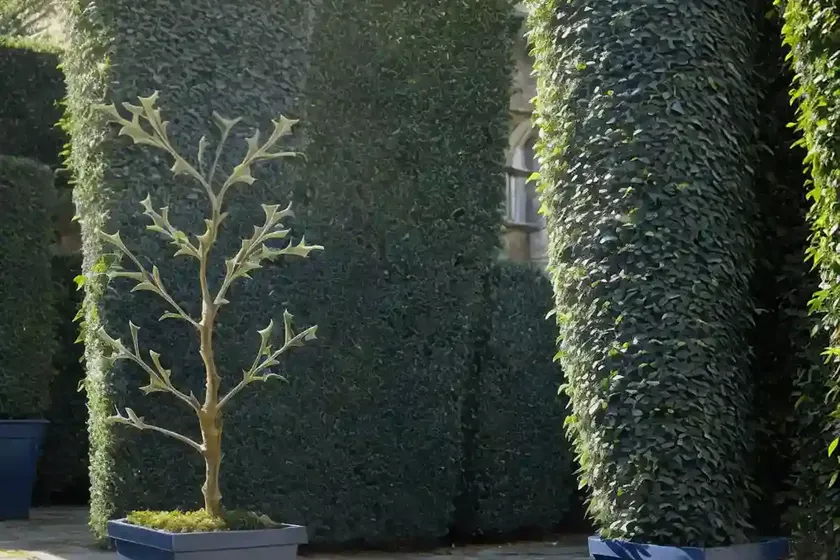
Plants play a crucial role in our environment and contribute significantly to the beauty of our surroundings. One such plant that has gained popularity due to its stunning appearance and ease of cultivation is the Ilex x meserveae Castle Spire�, commonly known as Blue Holly. In this comprehensive guide, we will delve into the details of this plant, covering various aspects including its culture, uses, maintenance, and much more.
What is Ilex x meserveae Castle Spire� (Blue Holly)?
Ilex x meserveae Castle Spire� is a cultivar of the Meserve holly, which is a hybrid between Ilex aquifolium and Ilex rugosa. This evergreen shrub is revered for its glossy, dark green foliage and abundant clusters of bright red berries, making it a favorite among gardeners and landscapers.
The Castle Spire� variety is known for its slender, columnar growth habit, reaching a height of 8-10 feet and a spread of 3-4 feet, making it an excellent choice for hedges, borders, or as a standalone ornamental specimen.
Key Takeaways – Ilex x meserveae Castle Spire� (Blue Holly)
Before we delve into the details of this captivating plant, let’s take a quick look at the key takeaways of Ilex x meserveae Castle Spire�:
- Botanical Name: Ilex x meserveae Castle Spire�
- Common Name: Blue Holly
- Type: Evergreen shrub
- Mature Height: 8-10 feet
- Mature Spread: 3-4 feet
- Growth Habit: Columnar
- Foliage: Glossy, dark green
- Berries: Bright red
- Uses: Hedges, borders, standalone specimen
- Attributes: Ornamental evergreen, wildlife-friendly
Now that we have a brief overview of the Blue Holly, let’s explore its characteristics, cultivation requirements, and its role in enhancing our surroundings.
Culture
Understanding the cultural requirements of Ilex x meserveae Castle Spire� is essential for ensuring its healthy growth and vibrant appearance. Key aspects of its culture include:
Water
Blue Holly plants prefer moist, well-drained soil, especially during their establishment period. Adequate watering is crucial, particularly in the initial stages of growth. Once established, the plants exhibit good tolerance to drought conditions, although regular watering is still recommended, especially during dry spells.
Sunlight
These holly plants thrive in full sun to partial shade. While they can tolerate varying light conditions, providing them with at least 6 hours of direct sunlight yields the best growth and berry production.
Fertilizer
When it comes to fertilization, Blue Holly benefits from an annual application of a balanced, slow-release fertilizer in early spring. This supports healthy growth and promotes the development of vibrant foliage and abundant berries.
Soil
Blue Holly plants prefer slightly acidic to neutral soil with good drainage. Amending the soil with organic matter such as compost or peat moss at the time of planting can enhance the soil structure and fertility.
Pruning
Pruning is an essential aspect of Blue Holly maintenance, contributing to its overall health, shape, and berry production. The following are some key pruning tips for Ilex x meserveae Castle Spire�:
- Timing: Prune Blue Holly plants in late winter or early spring before new growth emerges.
- Purpose: Remove any dead, damaged, or crossing branches to maintain a neat and tidy appearance.
- Shaping: Trim the shrub to maintain its desired shape and size. As a columnar variety, Castle Spire� may require minimal pruning compared to other holly cultivars.
Propagation
Propagation of Blue Holly can be achieved through various methods including:
– Seeds: Propagating Blue Holly from seeds requires patience as it may take several years for the plants to reach maturity and produce berries.
– Cuttings: Softwood or hardwood cuttings can be taken from established plants and rooted in a suitable growing medium to propagate new Blue Holly specimens.
Container Popularity
The compact growth habit and ornamental appeal of Blue Holly make it a popular choice for container gardening. Whether used as a standalone container plant or as part of a mixed arrangement, Ilex x meserveae Castle Spire� adds a touch of elegance to outdoor spaces such as patios, decks, and balconies.
Disease and Pest Management
While Blue Holly is relatively resilient, it is important to be aware of potential challenges that may affect its health. Common diseases and pests that may impact Blue Holly include:
Common Diseases
- Leaf Spot: This fungal disease can cause dark spots to appear on the foliage, leading to defoliation if left untreated.
- Powdery Mildew: Characterized by a white, powdery growth on the leaves, powdery mildew can affect the overall vigor of the plant.
- Root Rot: Excessive moisture or poorly drained soil can predispose Blue Holly to root rot, leading to wilting and decline.
Disease Diagnosis
Regular monitoring of the plant for any signs of discoloration, spots, or abnormal growth can help in early detection of diseases. Prompt action, such as pruning affected branches and ensuring proper air circulation, can help mitigate the impact of these diseases.
Common Pests
- Scale Insects: Scale infestations can lead to yellowing of leaves and weakening of the plant.
- Spider Mites: These tiny pests can cause stippling and webbing on the foliage, impacting the plant’s overall health.
Botanist’s Tips
To ensure the optimal health and beauty of Ilex x meserveae Castle Spire�, consider the following botanist’s tips:
- Mulching: Apply a layer of organic mulch around the base of the plant to conserve moisture and suppress weed growth.
- Winter Protection: In regions with harsh winters, providing a layer of mulch and/or burlap wrapping can offer protection against cold winds and temperature fluctuations.
- Companion Planting: Pair Blue Holly with companion plants that complement its growth habits and cultural requirements, creating a harmonious landscape design.
Fun facts
- Blue Holly is dioecious, meaning that male and female flowers are borne on separate plants. To ensure berry production, it is advisable to have a male pollinator plant in proximity to the female Blue Holly.
- The bright red berries of Blue Holly serve as a valuable food source for birds during the winter months, adding to its wildlife-friendly appeal.
- Castle Spire� is known for its minimal to no pruning requirements, making it an excellent low-maintenance landscape plant.
Now that we have explored the key aspects of Ilex x meserveae Castle Spire� (Blue Holly), let’s delve into some additional resources for further information and inspiration.
Links to External Resources
For additional information on Blue Holly, including landscaping ideas, cultivation tips, and more, you can explore the following resources:
- The American Holly Society
- University of Florida IFAS Extension – Holly Cultivars for Florida Landscapes
- Royal Horticultural Society – Ilex x meserveae ‘Blue Princess’
As we conclude our comprehensive guide to Ilex x meserveae Castle Spire� (Blue Holly), we hope that you have gained valuable insights into the cultivation, maintenance, and ornamental value of this captivating plant. Whether used in formal gardens, wildlife-friendly landscapes, or container arrangements, Blue Holly stands out as a versatile and visually stunning addition to outdoor spaces.
Ilex x meserveae Castle Spire Blue Holly, Ilex x meserveae Castle Spire, Castle Spire Blue Holly Ilex x meserveae, Ilex x meserveae Castle Spire plant, Blue Holly Castle Spire variety, Ilex x meserveae Castle Spire care, Blue Holly Castle Spire growing tips, Castle Spire Blue Holly pruning, Ilex x meserveae Castle Spire landscape, Blue Holly Castle Spire for gardens, Castle Spire Blue Holly variety overview, Ilex x meserveae Castle Spire characteristics, Blue Holly Castle Spire foliage, Castle Spire Blue Holly berries, Ilex x meserveae Castle Spire maintenance, Blue Holly Castle Spire in containers, Castle Spire Blue Holly diseases, Ilex x meserveae Castle Spire pests, Blue Holly Castle Spire winter care, Castle Spire Blue Holly zones, Ilex x meserveae Castle Spire planting tips, Blue Holly Castle Spire companion plants, Castle Spire Blue Holly landscape design, Ilex x meserveae Castle Spire pruning techniques, Blue Holly Castle Spire propagation methods, Castle Spire Blue Holly soil requirements, Ilex x meserveae Castle Spire sun exposure, Blue Holly Castle Spire watering needs, Castle Spire Blue Holly fertilization, Ilex x meserveae Castle Spire flowering season, Blue Holly Castle Spire pollination, Castle Spire Blue Holly fruiting, Ilex x meserveae Castle Spire autumn colors, Blue Holly Castle Spire wildlife attraction, Castle Spire Blue Holly year-round interest, Ilex x meserveae Castle Spire ornamental value, Blue Holly Castle Spire cold hardiness, Castle Spire Blue Holly heat tolerance, Ilex x meserveae Castle Spire drought resistance, Blue Holly Castle Spire disease resistance, Castle Spire Blue Holly pest resistance, Ilex x meserveae Castle Spire pruning tips, Blue Holly Castle Spire container gardening, Castle Spire Blue Holly landscape uses, Ilex x meserveae Castle Spire site preparation, Blue Holly Castle Spire water conservation, Castle Spire Blue Holly soil amendment, Ilex x meserveae Castle Spire wildlife-friendly garden, Blue Holly Castle Spire garden borders, Castle Spire Blue Holly visual appeal