Ilex Verticillata ‘Wildfire’ (Winterberry)
Plants are not just living organisms that add beauty to the environment; they are also essential for the sustenance of life on Earth. They provide us with.
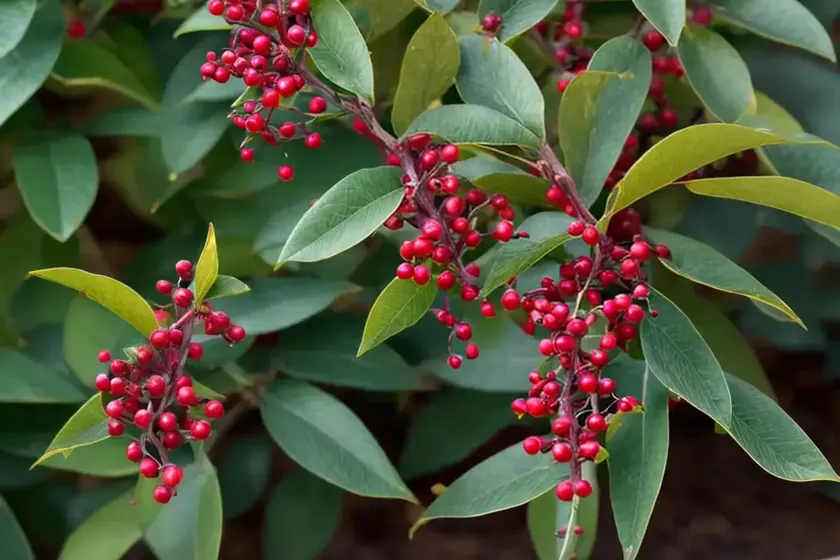
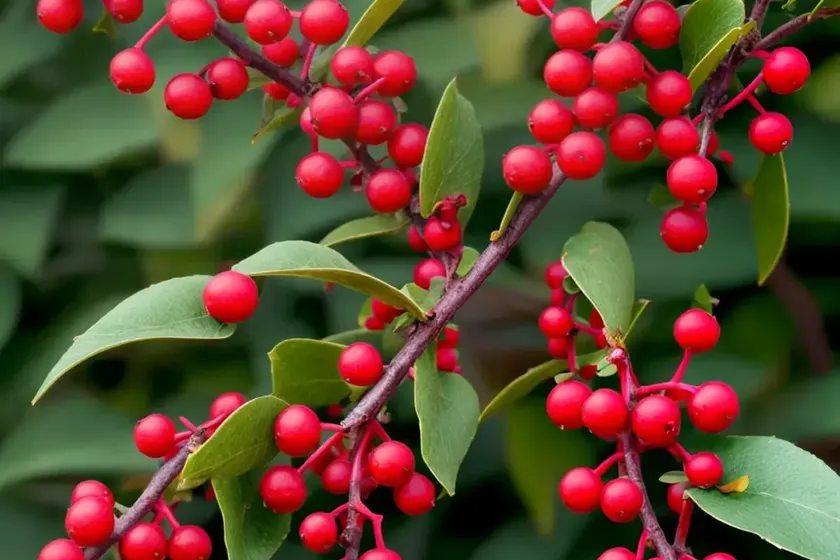
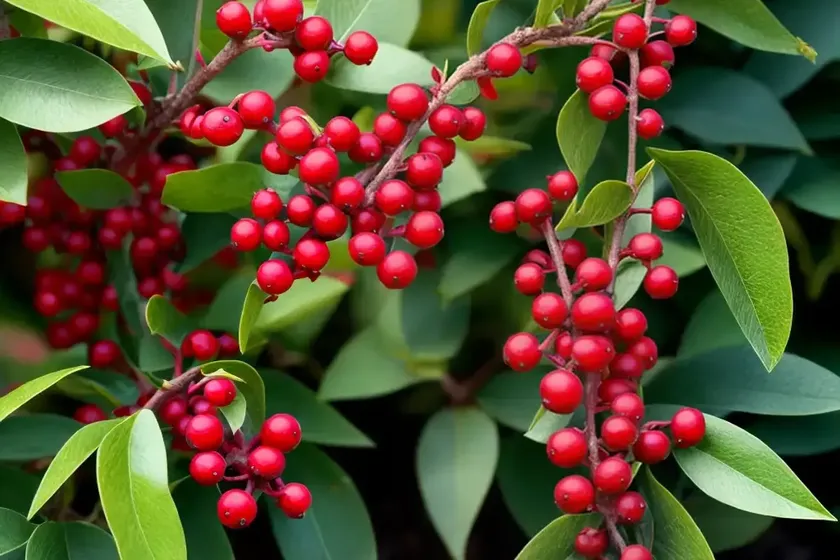
Plants are not just living organisms that add beauty to the environment; they are also essential for the sustenance of life on Earth. They provide us with oxygen, food, medicine, and materials for shelter. Among the myriad of plant species, the Ilex verticillata ‘Wildfire’ (Winterberry) stands out for its stunning aesthetic appeal and ecological significance.
In this comprehensive guide, we will delve into the intriguing world of Ilex verticillata ‘Wildfire’ – its culture, uses, care, and the ecological role it plays. This iconic shrub has gained popularity for its vibrant red berries, which emerge in the winter, adding a burst of color to the landscape. Let’s explore the various facets of this fascinating plant and gain insights into its care and maintenance.
Key Takeaways – Ilex verticillata ‘Wildfire’ (Winterberry)
Before we dive into the specifics, let’s take a quick look at the prominent characteristics and essential aspects related to Ilex verticillata ‘Wildfire’:
- Scientific Name: Ilex verticillata ‘Wildfire’
- Common Name: Winterberry
- Family: Aquifoliaceae
- Genus: Ilex
- Plant Type: Deciduous shrub
- Native Range: Eastern North America
- Winter Interest: Vibrant red berries
- Wildlife Value: Attracts birds
- Special Features: Suitable for wetland gardens
- Hardiness Zones: 3-9
- Soil Preference: Moist, acidic, well-drained soil
- Sunlight: Full sun to part shade
Now that we have a brief overview, let’s explore each aspect of the plant in detail, starting with its culture.
Culture
Ilex verticillata ‘Wildfire’ is renowned for its vibrant red berries, which emerge in the winter, making it a valuable addition to the landscape. Understanding the cultural requirements of this plant is essential for its successful growth and fruit production.
Uses
Before we delve into the cultural requirements, let’s explore the various uses of Ilex verticillata ‘Wildfire’ and the value it adds to different settings.
- Landscaping: The bright red berries of Winterberry make it an excellent choice for landscaping, especially during the winter months when the landscape tends to be subdued.
- Wildlife Habitat: The berries of Ilex verticillata ‘Wildfire’ are a valuable food source for birds, making it a wildlife-friendly plant.
- Seasonal Decor: The vibrant berries of Winterberry are often used in holiday decorations, adding a festive touch to homes and gardens.
- Erosion Control: With its dense root system, Winterberry helps prevent soil erosion in wetland areas.
Water
Proper hydration is crucial for the healthy growth of Ilex verticillata ‘Wildfire.’ Here are some essential points to consider regarding watering:
- Moisture: Ilex verticillata ‘Wildfire’ prefers consistently moist soil, especially during the growing season. It is essential to provide regular watering, particularly during dry periods.
- Drainage: While consistent moisture is crucial, it is equally important to ensure that the soil has adequate drainage to prevent waterlogging, which can lead to root rot.
Sunlight
Sunlight plays a pivotal role in the growth and fruit production of Ilex verticillata ‘Wildfire.’ Understanding its sunlight requirements is essential for successful cultivation.
- Full Sun: While Winterberry can tolerate partial shade, it thrives in full sun, which promotes more abundant flowering and fruiting.
- Part Shade: If planted in a location with afternoon shade, Winterberry can still flourish, albeit with potentially fewer berries compared to those in full sun.
Fertilizer
Proper fertilization ensures that Ilex verticillata ‘Wildfire’ has the necessary nutrients for robust growth and prolific fruit production. Here’s a brief overview of fertilization requirements:
- Timing: Fertilize in early spring before new growth begins to support the plant’s nutritional needs during the growing season.
- Fertilizer Type: A balanced, slow-release fertilizer formulated for acid-loving plants is ideal for Winterberry. This type of fertilizer provides essential nutrients while catering to the plant’s soil pH preferences.
Soil
The soil composition significantly impacts the health and growth of Ilex verticillata ‘Wildfire.’ Understanding its soil preferences is essential for cultivating thriving specimens.
- Acidic Soil: Winterberry thrives in acidic soil with a pH range of 4.5 to 6.5. It is crucial to ensure that the soil is well-drained and rich in organic matter.
- Soil Amendments: If the soil pH is too high, amending it with organic matter and sulfur can help create an ideal environment for Winterberry’s growth.
Pruning
Pruning plays a vital role in maintaining the shape, vigor, and fruit production of Ilex verticillata ‘Wildfire.’ Understanding the key aspects of pruning is essential for proper plant care.
- Timing: Prune Winterberry in late winter or early spring before new growth emerges. This timing allows the plant to allocate resources to new growth and fruit development.
- Pruning Objectives: Regular pruning helps maintain the shrub’s shape, promotes air circulation, and removes dead or damaged branches. It also encourages the formation of new flowering and fruiting wood.
Propagation
Propagation methods enable the expansion of Ilex verticillata ‘Wildfire’ populations and the creation of new plants. Here are some common propagation techniques for Winterberry:
- Seed Propagation: Winterberry can be propagated from seeds collected from ripe berries. However, bear in mind that seeds may not retain the exact characteristics of the parent plant.
- Softwood Cuttings: Propagating Winterberry from softwood cuttings taken in early summer can yield new plants with characteristics similar to the parent plant.
- Division: Mature Winterberry shrubs can be divided to create new plants, aiding in the multiplication of this desirable species.
Container Popularity
The vibrant red berries and tropical appearance of Ilex verticillata ‘Wildfire’ make it a popular choice for container gardening. Here’s why it’s well-suited for container cultivation:
- Aesthetic Appeal: The striking red berries of Winterberry add a pop of color to containers, making them an attractive choice for patios, decks, and outdoor living spaces.
- Space Efficiency: Container gardening allows individuals with limited outdoor space to enjoy the beauty of Winterberry, as it can be grown on balconies, terraces, or small gardens.
Container Common Diseases
While container gardening offers numerous benefits, it’s crucial to be aware of potential diseases that can affect plants, including Ilex verticillata ‘Wildfire.’ Common diseases in container-grown Winterberry include:
- Root Rot: Overwatering and poor drainage can lead to root rot in container-grown Winterberry. It’s essential to ensure proper moisture levels and well-draining soil to prevent this disease.
Disease Diagnosis
Diagnosing and addressing diseases promptly is crucial for maintaining the health of Ilex verticillata ‘Wildfire.’ Here are common diseases that can affect Winterberry and their diagnostic signs:
- Powdery Mildew: This fungal disease appears as a powdery white coating on the leaves. It can hinder plant growth and diminish the aesthetic appeal of Winterberry.
- Leaf Spot: Leaf spot diseases manifest as dark lesions on the foliage. They can lead to defoliation and impact the overall vigor of the plant.
Common Pests
Being aware of potential pests that can affect Ilex verticillata ‘Wildfire’ is essential for proactive pest management. Common pests that may target Winterberry include:
- Aphids: These small, soft-bodied insects can cluster on the undersides of leaves and cause damage by sucking sap from the plant. They can be managed through natural predators or insecticidal soap.
- Scale Insects: Scale insects can infest Winterberry, forming small, waxy bumps on the stems and leaves. Controlling scale insects may involve the use of horticultural oil or insecticidal soap.
Botanist’s Tips
As a plant scientist with expertise in the realm of botanical wonders, I’d like to share some valuable tips for successfully cultivating and appreciating Ilex verticillata ‘Wildfire’:
- Companion Planting: Pairing Winterberry with complementary plants can enhance the visual appeal of the landscape and provide ecological benefits. Consider integrating native wildflowers and grasses to create a vibrant and diverse garden ecosystem.
- Wildlife Observations: Creating a welcoming habitat for birds and other wildlife can be a rewarding aspect of growing Winterberry. Take the time to observe and appreciate the diverse array of wildlife that are attracted to the vibrant berries.
Fun Facts
Let’s explore some intriguing and lesser-known facts about Ilex verticillata ‘Wildfire’ to deepen our appreciation for this remarkable plant:
- Fall Leaf Drop: While admired for its vibrant berries in winter, Winterberry also exhibits a fascinating behavior in the fall. It undergoes leaf drop, shedding its foliage to reveal the striking berry-laden branches.
- Holiday Decor: The vibrant red berries of Winterberry make it a popular choice for holiday decorations, adding a festive touch to wreaths, centerpieces, and other festive arrangements.
Now that we’ve examined various aspects of Ilex verticillata ‘Wildfire,’ it’s time to explore external resources for further insights and information.
For additional information on Ilex verticillata ‘Wildfire’ (Winterberry), refer to the following resources:
-
USDA Plants Database: The USDA Plants Database offers detailed information on the characteristics, distribution, and ecological significance of Winterberry.
-
Native Plant Trust: Explore the resources provided by the Native Plant Trust to learn more about native plants, including Ilex verticillata ‘Wildfire.’
-
The American Holly Society: The American Holly Society offers valuable insights into the horticultural and ecological aspects of Ilex verticillata, which includes the ‘Wildfire’ cultivar.
-
University Extension Services: Many university extension services provide comprehensive guides on growing and caring for Winterberry, offering region-specific information and tips.
By accessing these external resources, you can deepen your understanding of Ilex verticillata ‘Wildfire’ and explore a plethora of valuable information to enhance your knowledge and appreciation for this iconic shrub.
Ilex verticillata ‘Wildfire’ (Winterberry) stands as a captivating emblem of beauty and ecological value. With its vibrant red berries, wildlife-friendly nature, and seasonal allure, this native shrub enriches our landscapes and provides a valuable habitat for wildlife.
As we’ve journeyed through the culture, care, and ecological significance of Ilex verticillata ‘Wildfire,’ I hope you’ve gained valuable insights into this remarkable plant. Whether you’re planning to incorporate Winterberry into your landscape or seek to deepen your understanding of native shrubs, the beauty and ecological contributions of Ilex verticillata ‘Wildfire’ are truly captivating.
Through thoughtful cultivation and appreciation of Ilex verticillata ‘Wildfire,’ we can continue to celebrate the natural wonders that enrich our lives and the broader ecosystem. Embrace the vibrant allure of Winterberry and witness the seasonal symphony it orchestrates in the garden, inviting us to cherish the beauty of nature’s timeless cycles.
Remember, as you embark on your journey with Ilex verticillata ‘Wildfire,’ let curiosity be your guide, and may the vibrant allure of Winterberry etch cherished moments in the tapestry of your botanical adventures.