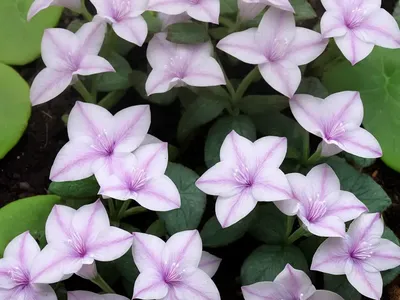
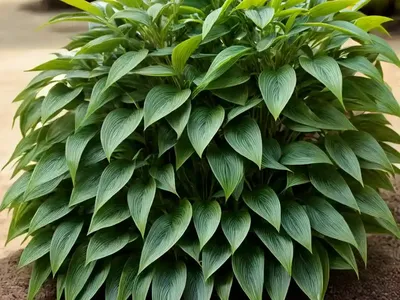
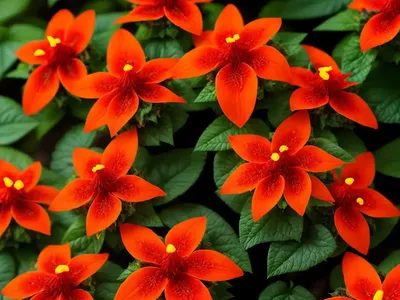
Hypoestes Sanguinolenta (Hypoestes Phyllostachya)
Welcome to our comprehensive guide to the delightful Hypoestes sanguinolenta, also known as Hypoestes phyllostachya. This is a versatile and eye-catching.
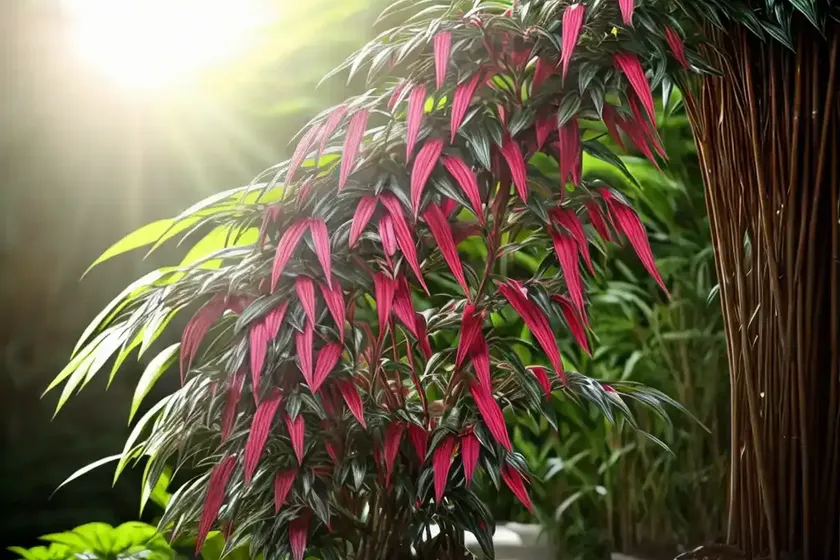
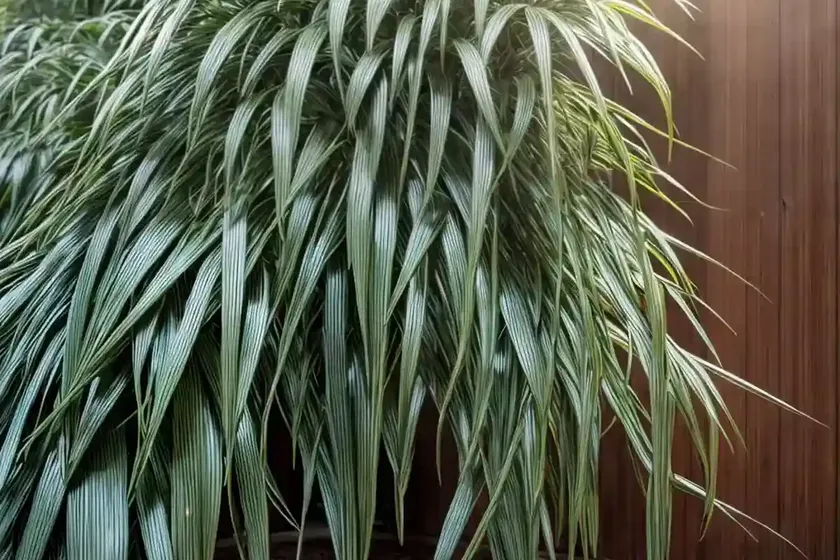
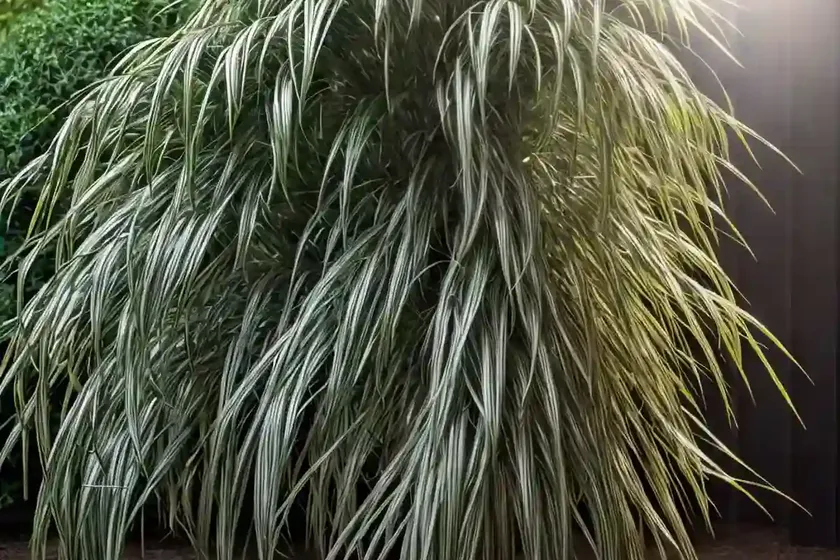
Welcome to our comprehensive guide to the delightful Hypoestes sanguinolenta, also known as Hypoestes phyllostachya. This is a versatile and eye-catching plant that is a popular choice for indoor gardening due to its attractive foliage and easy care requirements.
In this extensive guide, we will explore the fascinating world of Hypoestes sanguinolenta, from its cultural preferences to its various uses, propagation, care tips, common diseases and pests, and much more.
What is Hypoestes Sanguinolenta (Hypoestes Phyllostachya)?
Hypoestes sanguinolenta, commonly known as the polka dot plant, is a species of flowering plant in the Acanthaceae family. This attractive plant is native to Madagascar and is characterized by its distinctive foliage, featuring colorful and eye-catching spotted or blotched patterns on its leaves. The plant has gained popularity as a houseplant due to its ornamental qualities and ease of care.
The scientific name of the polka dot plant has undergone changes over time. Initially known as Hypoestes phyllostachya, it is now recognized by the name Hypoestes sanguinolenta. It is important to note that both names refer to the same plant species and are often used interchangeably in the horticultural and botanical communities.
Key Takeaways
Before delving into the specifics of caring for Hypoestes sanguinolenta, let’s overview some key takeaways about this charming plant to pique your interest:
- Botanical Name: Hypoestes sanguinolenta (synonym: Hypoestes phyllostachya)
- Common Name: Polka dot plant
- Cultural Uses: Ideal for indoor gardening, suitable for terrariums and as a colorful addition to mixed planters
- Water: Requires regular and consistent moisture, avoiding waterlogging
- Sunlight: Thrives in bright, indirect light conditions
- Fertilizer: Benefits from a balanced, diluted fertilizer during the growing season
- Soil: Well-draining, peat-based mix is recommended
- Pruning: Regular pinching to encourage bushy growth and enhance the appearance
- Propagation: Easily propagated from stem cuttings in water or soil
- Container Popularity: Commonly grown in containers, particularly hanging baskets
- Common Diseases: Susceptible to leaf spot diseases under high humidity conditions
- Common Pests: Prone to infestations by spider mites and aphids
This guide will delve deeper into these aspects, providing valuable insights into the care and maintenance of Hypoestes sanguinolenta as a houseplant.
Let’s proceed by exploring the cultural preferences and specific care requirements for this captivating plant.
Culture
Understanding the cultural requirements of Hypoestes sanguinolenta is essential for ensuring its optimal growth and overall well-being. From watering and sunlight to fertilizer and soil preferences, providing the right environmental conditions is key to fostering a thriving polka dot plant.
Uses
The polka dot plant, with its vibrant and uniquely patterned foliage, serves multiple decorative purposes in indoor and outdoor settings. Some of its notable uses include:
- Indoor Gardening: Hypoestes sanguinolenta is a favored choice for indoor gardeners looking to add a splash of color and visual interest to their living spaces. It can be grown in pots, containers, and terrariums to brighten up interior environments.
- Mixed Planters and Borders: The colorful foliage of the polka dot plant makes it a popular choice for mixed planters and borders, where it can complement other flowering or foliage plants, adding a striking visual contrast.
Water
Proper watering is crucial for the health and vitality of Hypoestes sanguinolenta. Maintaining adequate moisture levels without allowing the plant to become waterlogged is essential for preventing issues such as root rot and maintaining the plant’s overall vigor.
- Watering Frequency: The polka dot plant prefers consistently moist soil. Allow the soil surface to dry slightly between waterings, but aim to provide moderate and regular moisture to ensure the plant’s hydration needs are met.
- Watering Technique: When watering, avoid drenching the soil, as excessive water accumulation can lead to root rot. Instead, aim for a thorough but controlled watering approach, ensuring that excess water can freely drain from the pot’s drainage holes.
Sunlight
Proper lighting conditions play a significant role in the growth and appearance of Hypoestes sanguinolenta. Understanding its sunlight requirements is essential for ensuring that the plant receives the appropriate amount of light for healthy development.
- Light Intensity: Hypoestes sanguinolenta thrives in bright, indirect light. It should be positioned in a location that provides sufficient light without exposing it to direct sun, which can cause leaf scorching and damage.
- Light Duration: Aim to provide the plant with around 6-8 hours of indirect sunlight daily, either from a window with sheer curtains or a location within a well-lit room.
Fertilizer
While not excessively demanding, the polka dot plant can benefit from occasional fertilization, particularly during the active growing season. Understanding the appropriate fertilizing practices is essential for supporting healthy foliage and overall plant vigor.
- Fertilizer Type: Use a balanced, water-soluble fertilizer with equal N-P-K (nitrogen, phosphorus, potassium) proportions, diluted to half-strength. This can provide the essential nutrients required for robust growth and vibrant foliage coloration.
- Fertilizing Frequency: Apply the diluted fertilizer every 4-6 weeks during the spring and summer months, reducing or ceasing fertilization during the plant’s dormant period in fall and winter.
Soil
Selecting the right soil type and composition is crucial for promoting optimal growth and minimizing the risk of issues such as waterlogging or nutrient deficiencies. Hypoestes sanguinolenta thrives in well-draining, nutrient-rich soil.
- Soil Composition: A well-balanced potting mix with good drainage properties is ideal for polka dot plants. Consider using a peat-based mix enriched with perlite or coarse sand to ensure adequate aeration and moisture retention.
- Soil pH: Aim for a slightly acidic to neutral pH range (6.0-7.0) in the soil, as this can support the plant’s nutrient uptake and overall health.
Pruning
Pruning is an important aspect of maintaining the appearance and structure of Hypoestes sanguinolenta. Regular pruning not only helps control the plant’s size and shape but also encourages bushy, compact growth and enhances its ornamental appeal.
- Pinching Technique: To encourage branching and compact growth, regularly pinch back the stems of the polka dot plant. This can be done by gently snipping off the tips of the stems using clean, sharp scissors or pruning shears.
- Removal of Leggy Growth: Trim any leggy or excessively long stems to promote a more balanced and attractive form. Focus on maintaining a well-proportioned and bushy appearance for the plant.
Propagation
For those looking to expand their collection of Hypoestes sanguinolenta or share this delightful plant with others, propagation offers a straightforward and rewarding method of generating new plants from existing specimens.
Propagation by Stem Cuttings
One of the most popular and reliable methods of propagating Hypoestes sanguinolenta is through stem cuttings. This simple technique allows for the creation of new plants from healthy, established specimens.
Propagating Hypoestes Sanguinolenta from Stem Cuttings:
- Selecting Cuttings: Choose a healthy, non-flowering stem from the parent plant. Look for a section with several nodes and healthy leaves.
- Cutting Preparation: Using clean, sharp scissors or pruning shears, make a clean cut just below a leaf node to obtain a cutting that is approximately 4-6 inches long.
- Rooting Medium: Place the cutting in a container of water or a well-draining potting mix. If using water, ensure that the lower nodes are submerged to encourage root development.
- Root Development: Keep the cutting in a warm, bright location and monitor the development of roots. Once sufficient roots have formed, the cutting can be potted into its own container.
Container Popularity
Hypoestes sanguinolenta is a popular choice for container gardening, particularly in indoor and patio settings. Its attractive foliage and versatile growth habits make it well-suited to various container types, including pots, hanging baskets, and decorative planters.
Benefits of Container Culture:
- Space Efficiency: The compact size and bushy growth habit of the polka dot plant make it ideal for container cultivation, requiring minimal space while still making a visual impact.
- Indoor Versatility: Container-grown Hypoestes sanguinolenta can be easily moved and positioned indoors, allowing for flexibility in interior decor and display options.
Common Diseases
While generally resistant to major disease issues, Hypoestes sanguinolenta can be susceptible to certain leaf-spot diseases, particularly in high-humidity environments. Understanding these common diseases and their potential treatments is essential for maintaining the plant’s health.
Disease Diagnosis
Common Leaf Spot Diseases in Hypoestes Sanguinolenta:
- Cercospora Leaf Spot: Identified by the presence of circular, dark-colored spots on the plant’s foliage. These spots may gradually increase in size and can lead to leaf yellowing and premature defoliation.
- Septoria Leaf Spot: Manifests as small, water-soaked lesions with dark margins on the leaves. Over time, the lesions may develop a white or gray center, eventually leading to leaf drop and overall weakening of the plant.
Disease Management
Preventing and managing leaf spot diseases in polka dot plants involves a combination of cultural practices and, in severe cases, targeted treatments to address the specific fungal pathogens responsible for the issues.
Preventive Measures:
- Proper Air Circulation: Ensure adequate air movement around the plant to minimize humidity levels and discourage the development of fungal diseases.
- Avoid Overhead Watering: Water the plant at the soil level to prevent water from splashing onto the foliage, which can create favorable conditions for disease establishment.
Common Pests
In addition to disease issues, Hypoestes sanguinolenta can also be susceptible to infestations by common plant pests. Being vigilant for signs of pest activity and understanding effective pest control measures is crucial for safeguarding the well-being of the plant.
Signs of Pest Infestation:
- Spider Mites: Look for fine webbing and stippling on the undersides of leaves, indicating the presence of spider mites.
- Aphids: Check for clusters of small, soft-bodied insects on the new growth of the plant, particularly near the tender shoot tips and leaf undersides.
Pest Control
Managing pest infestations in the polka dot plant involves a combination of preventive measures, such as regular monitoring, and targeted control methods, including natural or chemical treatments when necessary.
Integrated Pest Management (IPM):
- Natural Predators: Introduce predatory insects, such as ladybugs, or encourage natural predators to help control aphid populations.
- Horticultural Oil: Use a safe and effective horticultural oil spray to suffocate and control spider mites, targeting the pests while minimizing harm to beneficial insects and the plant itself.
Botanist’s Tips
To further enhance your understanding and appreciation of Hypoestes sanguinolenta, consider the following botanist’s tips, which can provide valuable insights into the plant’s unique qualities and care considerations:
- Leaf Patterns: Take note of the fascinating leaf patterns and colors displayed by different varieties of Hypoestes sanguinolenta, ranging from vibrant pink and white spots to rich shades of green and red.
- Ornamental Qualities: Embrace the plant’s ornamental appeal, using its striking foliage to create visually captivating indoor displays and mixed plant arrangements.
- Air Purification: Benefit from the plant’s air-purifying qualities, as it actively removes certain pollutants from indoor environments, contributing to improved air quality.
Fun Facts
Uncover the fascinating and intriguing aspects of Hypoestes sanguinolenta with these fun facts, shedding light on the plant’s unique attributes and natural history:
- Natural Habitat: Explore the plant’s origins in the tropical and subtropical regions of Madagascar, where it thrives in the rich understorey of forests and woodlands.
- Leaf Coloration: Admire the wide range of leaf colors and patterns exhibited by different varieties of the polka dot plant, each showcasing its own captivating combination of spots and streaks.
Links to External Resources
For additional information and resources related to Hypoestes sanguinolenta, refer to the following external links:
- Royal Horticultural Society – Hypoestes Phyllostachya
- University of Florida IFAS Extension – Polka Dot Plant Care Guide
- Missouri Botanical Garden – Hypoestes Sanguinolenta
In the next sections, we will explore additional care considerations, specific growth habits, and the medicinal and therapeutic aspects of Hypoestes sanguinolenta. Stay tuned for an in-depth look at the plant’s propagation guidance, leaf patterns, and ornamental qualities.
To continue reading, scroll down to explore the following topics:
– Hypoestes sanguinolenta growth stages
– How to propagate Hypoestes phyllostachya from cuttings
– Hypoestes sanguinolenta water requirements
Stay tuned for more tips and insights into successful polka dot plant care.