Polka Dot Plant (Hypoestes Phyllostachya)
Plants have the remarkable ability to bring life into any space they inhabit. Whether it’s a small apartment, a cozy office, or a spacious garden, the.
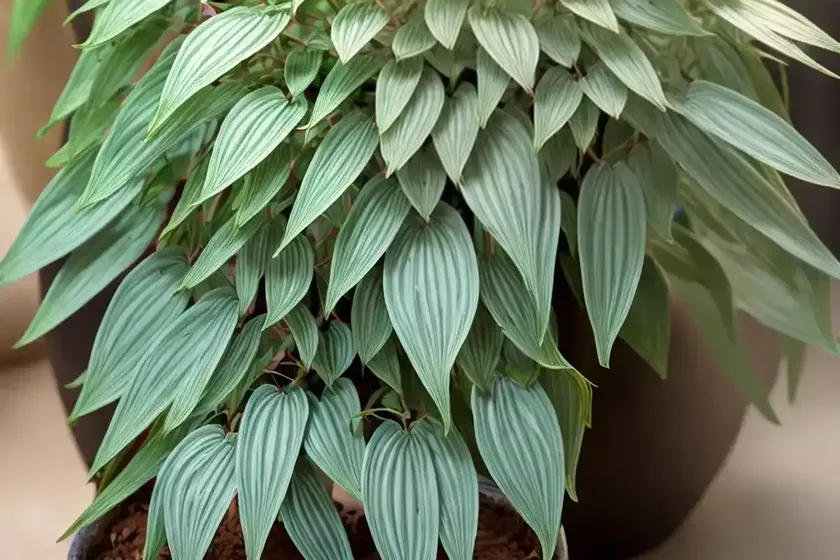
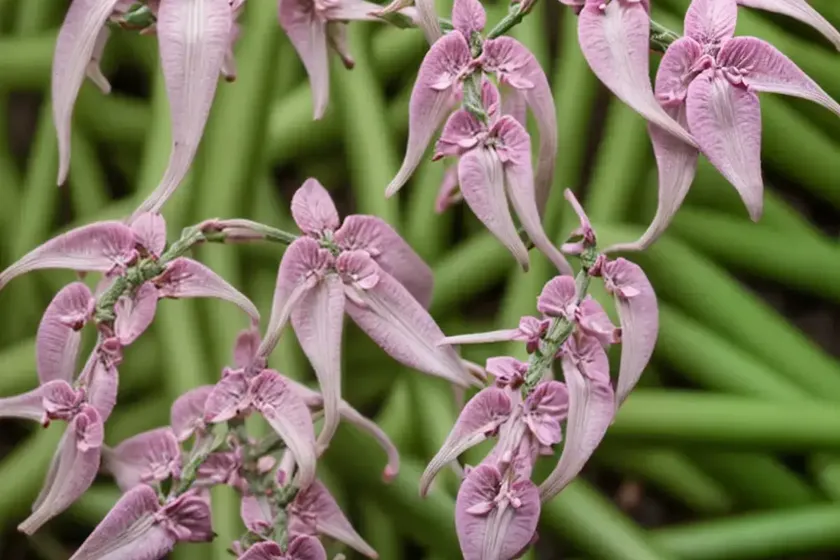
Plants have the remarkable ability to bring life into any space they inhabit. Whether it’s a small apartment, a cozy office, or a spacious garden, the presence of plants infuses a sense of tranquility and beauty. Among the myriad of plant species, the Polka Dot Plant (Hypoestes Phyllostachya) stands out with its vibrant and striking foliage. In this comprehensive guide, we will explore the intricacies of caring for this delightful plant, including its culture, uses, propagation, common diseases, and much more.
What is the Polka Dot Plant (Hypoestes Phyllostachya)?
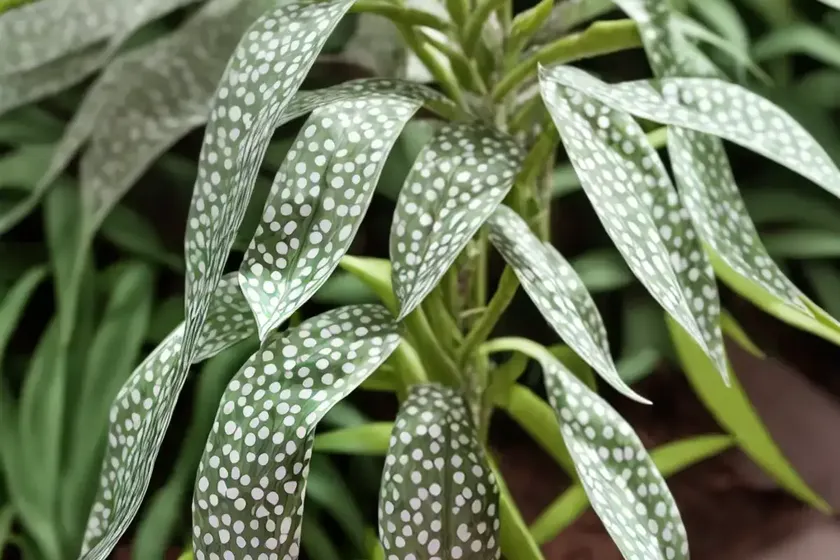
The Polka Dot Plant, scientifically known as Hypoestes Phyllostachya, is a popular houseplant appreciated for its colorful and eye-catching foliage. This species belongs to the Acanthaceae family and is native to Madagascar and South Africa. It is known for its distinctively spotted leaves, which come in an array of colors, including pink, red, and white.
Key Takeaways – Polka Dot Plant (Hypoestes Phyllostachya)
Let’s take a deep dive into the various aspects of caring for the Polka Dot Plant, from its cultural preferences to its propagation methods and common pests.
- Culture
- Uses
- Water
- Sunlight
- Fertilizer
- Soil
- Pruning
- Propagation
- Container
- Popularity
- Common Diseases
- Disease Diagnosis
- Common Pests
- Botanist’s Tips
- Fun Facts
- Links to External Resources
Culture
Understanding the cultural requirements of the Polka Dot Plant is essential for its successful growth and development. Let’s delve into the specific cultural preferences that cater to the needs of this delightful plant.
Water
Proper watering is crucial for maintaining the health and vitality of the Polka Dot Plant. In general, the plant prefers consistently moist soil, but it is essential to avoid overwatering, which can lead to root rot. The soil should be allowed to dry slightly between watering sessions.
Sunlight
Polka Dot Plants thrive in bright, indirect light. They should be shielded from direct sunlight, as this can cause their vibrant foliage to fade. Placing them near a north or east-facing window is optimal for their growth.
Fertilizer
Regular fertilization is beneficial for the Polka Dot Plant, especially during the growing season. A balanced, water-soluble fertilizer can be applied every two to four weeks to provide the necessary nutrients for healthy foliage and growth.
Soil
The Polka Dot Plant thrives in well-draining, peat-based potting soil. A slightly acidic soil with good moisture retention properties is ideal for promoting vigorous growth.
Uses
The vibrant and ornamental foliage of the Polka Dot Plant makes it a popular choice for indoor decoration. Its captivating appearance adds a pop of color to any space, making it an ideal choice for tabletops, shelves, or hanging baskets. Additionally, it can be used as a natural air purifier, helping to improve indoor air quality.
Pruning
Regular pruning helps maintain the compact and bushy growth habit of the Polka Dot Plant. Pinching back the stems encourages branching and prevents the plant from becoming leggy. It’s essential to remove any yellowing or diseased leaves to maintain the plant’s overall health.
Propagation
Propagating the Polka Dot Plant can be achieved through stem cuttings or by dividing the plant. Both methods are effective, and with proper care, new plants can be easily established.
Container
The Polka Dot Plant is well-suited for container gardening, making it a versatile choice for various indoor and outdoor settings. When choosing a container, ensure it has drainage holes to prevent waterlogging. The size of the pot should be proportionate to the plant’s size, providing ample space for root development.
Popularity
The Polka Dot Plant has gained widespread popularity as a favored houseplant due to its vibrant foliage and ease of care. Its visually appealing leaves and low-maintenance nature have contributed to its popularity among plant enthusiasts and beginners alike.
Common Diseases
While the Polka Dot Plant is relatively resilient, it is susceptible to certain diseases and issues that can affect its overall health. Understanding these common diseases and their management is essential for ensuring the plant’s well-being.
Disease Diagnosis
Identifying and diagnosing common diseases such as leaf spot, powdery mildew, or root rot is crucial for implementing the appropriate treatment measures. Early detection and prompt intervention are key to preventing the spread of diseases and minimizing their impact on the plant.
Common Pests
Pests such as aphids, spider mites, and mealybugs can occasionally pose a threat to the Polka Dot Plant. Regular monitoring and preventive measures can help deter pest infestations, ensuring the plant remains pest-free.
Botanist’s Tips
As a plant enthusiast and botanist, I have cultivated and studied the Polka Dot Plant extensively. Here are some invaluable tips to ensure the optimal health and vibrancy of your Hypoestes Phyllostachya:
- Provide consistent moisture without overwatering.
- Maintain moderate humidity levels, especially during dry periods.
- Regularly inspect the plant for signs of pests or diseases.
- Avoid placing the plant in direct sunlight to prevent leaf burn.
- Consider rotating the plant occasionally to promote even growth and foliage distribution.
Fun Facts
The Polka Dot Plant is not only visually captivating but also harbors some fascinating trivia that adds to its allure:
- The species name “Phyllostachya” is derived from the Greek words “phyllo” (meaning leaf) and “stachys” (meaning spike), referencing its leafy spikes.
- In addition to its decorative appeal, the Polka Dot Plant is known for its air-purifying properties, helping to remove toxins from indoor environments.
Links to External Resources
For further in-depth information and resources regarding the care and cultivation of the Polka Dot Plant, consider exploring the following external sources:
- The Spruce – Polka Dot Plant Care
- Houseplant Central – Hypoestes Phyllostachya
- Gardening Know How – Growing Polka Dot Plants
By integrating the provided resources into your learning journey, you can gain a deeper understanding of the Polka Dot Plant and its cultivation requirements.
In conclusion, the Polka Dot Plant (Hypoestes Phyllostachya) stands as a delightful and visually striking addition to any indoor plant collection. From its vibrant foliage to its low-maintenance nature, this charming plant embodies both aesthetic appeal and ease of care. By adhering to the recommended cultural practices and addressing potential issues effectively, you can experience the joy of nurturing and appreciating this captivating species.
The comprehensive guide explores the intricacies of caring for the Polka Dot Plant, including its cultural preferences, uses, propagation methods, and common pests. The inclusion of botanist’s tips and fun facts provides valuable insights for enthusiasts and beginners alike. Additionally, the external resource links offer further opportunities for in-depth exploration, ensuring a well-rounded understanding of the Hypoestes Phyllostachya.