Plant Name: Hypericum prolificum (Shrubby St. John’s Wort)
What is Plant: Hypericum prolificum (Shrubby St. John’s Wort)
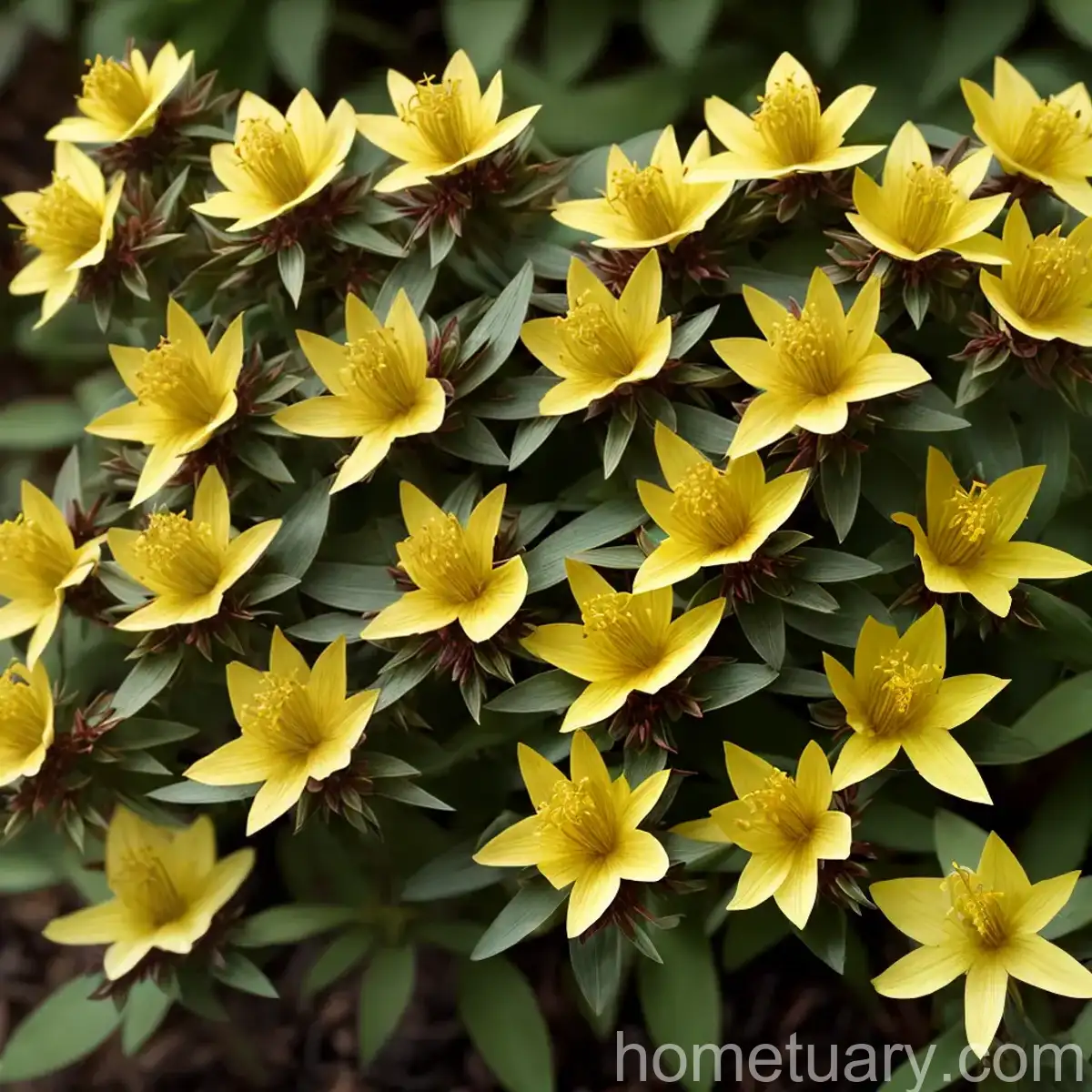
Hypericum prolificum, commonly known as Shrubby St. John’s Wort, is a versatile and attractive perennial plant that belongs to the Hypericaceae family. This hardy and low-maintenance plant is native to North America and is known for its cheerful yellow flowers which bloom from mid to late summer. The name St. John’s Wort has been associated with this plant due to its historical use in traditional medicine, referring to the nativity of St. John the Baptist.
This plant is characterized by its dense, rounded, and bushy nature, making it an excellent choice for borders, naturalized gardens, and mass plantings. The foliage of Hypericum prolificum also adds visual interest with its vibrant green color and can provide a striking contrast when planted alongside other flowering perennials or ornamental grasses.
Key Takeaways – Hypericum prolificum (Shrubby St. John’s Wort)
- Benefits: Hypericum prolificum offers ornamental value and potential medicinal benefits through its traditional uses.
- Uses: It is commonly used in landscaping, gardens, and naturalized areas. Historically, it has been used for its medicinal properties.
- Planting Guide: Proper selection of location and soil conditions is crucial for successful growth.
- Care Tips: This plant requires minimal maintenance, making it an ideal choice for low-maintenance landscapes.
- Varieties: There are several cultivated varieties of Hypericum prolificum, offering different flower colors and sizes.
- Characteristics: These include its bushy and rounded growth habit, vibrant green foliage, and cheerful yellow flowers.
- Pruning Techniques: Pruning helps maintain a tidy appearance and stimulate new growth.
- Propagation Methods: This plant can be propagated through seeds, cuttings, or division of established plants.
- Medicinal Properties: Hypericum prolificum has been associated with various traditional medicinal uses.
- Herbal Remedies: The plant has been used historically for its potential medicinal properties.
- Landscape Design: It can be used effectively in various landscaping designs, adding color and texture to the garden.
- Pests and Diseases: Understanding common pests and diseases is essential for maintaining plant health.
- Native Habitat: Hypericum prolificum is native to North America, with specific habitat requirements.
- Cultivation Requirements: Soil, sunlight, water, and fertilizer needs are key considerations for successful growth.
- Seasonal Blooming: The plant typically blooms from mid to late summer, providing vibrant splashes of color to the garden.
- Hardiness Zone: Understanding the plant’s hardiness zone is essential for successful cultivation.
- Natural Habitat: Knowing the plant’s natural habitat can provide insights into its preferred growing conditions.
- Growth Habits: Understanding its growth patterns and habits is crucial for landscape planning.
- Maintenance Tips: Minimal maintenance requirements make it an attractive option for gardens and landscapes.
- Soil Requirements: The plant prefers well-draining soil with specific pH tolerance.
- Pruning Schedule: Regular pruning helps maintain the plant’s shape and vigor.
- Companion Plants: Selecting appropriate companion plants can enhance the visual appeal of Hypericum prolificum.
- Common Names: Hypericum prolificum is known by various common names, reflecting its cultural significance.
- Landscaping Ideas: It can be used in various landscaping themes and designs, adding visual interest.
- Pollinator Attraction: The plant’s flowers attract pollinators, contributing to garden biodiversity.
- Plant Family: It belongs to the Hypericaceae family, with certain characteristic features.
- Flower Symbolism: The bright yellow flowers hold symbolic significance in various cultures and traditions.
- Ethnobotanical Uses: Historical and traditional uses of the plant in various cultures and communities.
- Growth Rate: Understanding the plant’s growth rate is essential for predicting its development in the landscape.
- Drought Tolerance: Assessing the plant’s ability to withstand drought conditions is crucial for landscape planning.
- Aromatic Properties: The plant may possess aromatic qualities, adding sensory appeal to the garden.
- Wildlife Habitat: Hypericum prolificum can provide habitat and food sources for various wildlife species.
- Propagation Techniques: Understanding different propagation methods is crucial for expanding plant populations.
- Container Gardening: It can be grown effectively in containers, adding versatility to its use.
- Fall Coloration: The plant may exhibit changes in foliage color during the fall, adding seasonal interest.
- Natural Remedies: It has historical associations with natural remedies and herbal medicine.
- Species Description: Understanding the specific characteristics and attributes of the plant species.
- Ornamental Features: Its ornamental value enhances the visual appeal of gardens and landscapes.
- Sun Requirements: Knowing the plant’s sunlight needs is essential for successful cultivation.
- Soil pH Tolerance: Understanding the plant’s soil pH preferences is crucial for healthy growth.
- Landscape Uses: Its versatile nature allows for various landscape applications and uses.
- Winter Survival: Assessing the plant’s ability to withstand winter conditions is crucial for garden planning.
- Historical Significance: It may hold cultural and historical significance in certain regions and communities.
- Traditional Uses: Understanding the plant’s traditional uses provides insights into its cultural relevance.
- Plant Hardiness: Knowing the plant’s hardiness level is essential for selecting suitable cultivation areas.
- Bee-Friendly Plant: Hypericum prolificum may attract and support bee populations, contributing to pollinator conservation.
- Native Range: Understanding the plant’s natural distribution and range is essential for conservation efforts.
- Wildlife Conservation: Its presence in natural habitats may contribute to wildlife conservation efforts.
- Garden Design: The plant can be effectively used in garden designs, providing versatility and visual appeal.
Culture
Uses
Hypericum prolificum has a rich history of both ornamental and medicinal uses. Understanding its potential applications can provide valuable insights for gardeners and landscapers looking to incorporate this plant into their designs.
-
Landscaping: Shrubby St. John’s Wort is commonly used in landscaping to add vibrant splashes of yellow in gardens and naturalized areas. Its dense and mounded growth habit makes it suitable for use as a border plant, in mass plantings, or as an accent plant in mixed perennial beds. The plant’s ability to attract pollinators adds ecological value to the landscape.
-
Medicinal Purposes: Historically, Hypericum prolificum has been used for its potential medicinal properties. The plant contains bioactive compounds that have been traditionally utilized for various therapeutic purposes, including the management of mood disorders and soothing topical applications. However, it is important to note that the use of the plant for medicinal purposes should be approached with caution and under the guidance of qualified healthcare professionals.
Water
The water requirements for Hypericum prolificum are moderate. While the plant is tolerant of occasional dry spells, especially once established, consistent moisture is beneficial for optimal growth and flowering. Adequate watering during periods of drought or extended dry conditions can help ensure healthy and vigorous plants. It is important to avoid overwatering, as poorly drained soil can lead to root rot and other issues.
Understanding the specific water needs of Hypericum prolificum is essential for providing appropriate care and maintaining its health and vitality in the landscape.
Sunlight
Hypericum prolificum thrives in full sun to partial shade. When selecting a planting location, it is important to consider the plant’s sunlight requirements to ensure optimal growth and flowering. In regions with hot summers, providing some afternoon shade can help protect the plant from excessive heat stress.
Proper placement in the garden or landscape that accommodates the plant’s sunlight needs is essential for maximizing its ornamental value and promoting healthy growth.
Fertilizer
Proper fertilization can help support the growth and flowering of Hypericum prolificum. Applying a balanced, slow-release fertilizer in early spring can provide essential nutrients for the plant’s development. Additionally, incorporating organic matter into the soil during planting or as a topdressing can enhance soil fertility and support the plant’s overall health.
Understanding the appropriate fertilization practices and the specific nutrient requirements of Hypericum prolificum is essential for promoting vigorous growth and vibrant blooms.
Soil
Hypericum prolificum thrives in well-draining soil with a slightly acidic to neutral pH. The plant prefers loamy or sandy soil types that provide adequate drainage and aeration. Incorporating organic matter, such as compost or well-rotted manure, can improve soil structure and fertility, creating an optimal growing environment for Hypericum prolificum.
Evaluating the soil characteristics and making any necessary amendments to meet the plant’s soil preferences is essential for successful cultivation and long-term health.
Pruning
Pruning Techniques
Regular pruning can help maintain the shape, vigor, and visual appeal of Hypericum prolificum. Pruning can be performed in early spring to remove dead or damaged branches, promote air circulation, and encourage new growth. Additionally, light pruning after the flowering period can help control the plant’s size and shape, preventing it from becoming overly dense and leggy.
Understanding the appropriate pruning techniques and timing is essential for ensuring the plant’s health and promoting its ornamental value in the garden or landscape.
Pruning Schedule
Early Spring: Remove any dead, damaged, or diseased branches. Thin out crowded growth to improve air circulation and light penetration.
Post-Flowering: Perform light pruning to shape the plant and maintain its size. Remove any overly long or leggy branches to encourage a bushy and compact growth habit.
Propagation
Hypericum prolificum can be propagated through various methods, including seeds, cuttings, and division of established plants. Each propagation method offers unique advantages and considerations, providing opportunities to expand plant populations and establish new growth.
Understanding the specific propagation techniques and timing for Hypericum prolificum is essential for successful propagation and the development of healthy and vigorous plants.
Propagation Methods
-
Seeds: Collecting mature seeds from the plant and sowing them in a suitable growing medium can be an effective way to propagate Hypericum prolificum. Properly stratifying the seeds and providing optimal germination conditions can help ensure successful seed propagation.
-
Cuttings: Taking stem cuttings from healthy, established plants and rooting them in a moist, well-draining medium can lead to the development of new plants. Rooting hormone application and maintaining appropriate environmental conditions can improve the success rate of cutting propagation.
-
Division: Dividing clumps or established plants into smaller sections and replanting them in suitable locations can promote the growth of new Hypericum prolificum plants. Division is particularly useful for rejuvenating older plants and expanding plantings.
Understanding the specific requirements and considerations for each propagation method is essential for achieving successful results and fostering the propagation of Hypericum prolificum.
Container Popularity
Hypericum prolificum is well-suited for container gardening, offering versatility and ornamental value in confined spaces such as patios, balconies, and small outdoor areas. When grown in containers, it is important to provide adequate drainage and select a growing medium that promotes healthy root development and moisture retention. Container-grown Hypericum prolificum can add vibrant color and texture to outdoor living spaces, and its versatility allows for creative combinations with other container plants, creating visually appealing displays.
Understanding the specific care and maintenance requirements for growing Hypericum prolificum in containers is essential for promoting its health and maximizing its ornamental appeal.
Container Gardening
-
Container Selection: Choose containers that provide adequate drainage and sufficient space for the plant’s root development. Selecting containers with a diameter of at least 12 inches can accommodate the plant’s growth.
-
Growing Medium: Use a well-draining, high-quality potting mix that provides good aeration and moisture retention. Incorporating organic matter can improve the soil structure and fertility of the growing medium.
-
Watering: Monitor the moisture levels in the container and water the plant as needed to maintain consistent moisture. Avoid overwatering, as excess moisture in containers can lead to root rot and other problems.
-
Sunlight: Position the container in a location that receives the plant’s sunlight requirements, whether it is full sun or partial shade. Providing appropriate sunlight is crucial for the plant’s growth and flowering.
-
Fertilization: Apply a balanced, slow-release fertilizer to container-grown Hypericum prolificum in early spring to provide essential nutrients for healthy growth.
Understanding the unique considerations and practices for growing Hypericum prolificum in containers is essential for creating thriving and visually appealing container displays.
Common Diseases
Disease Diagnosis
Hypericum prolificum is generally resistant to many common plant diseases, making it a low-maintenance and reliable addition to gardens and landscapes. However, certain environmental conditions or cultural practices can contribute to the development of the following potential diseases:
-
Powdery Mildew: This fungal disease can occur under conditions of high humidity and poor air circulation, leading to the development of white, powdery patches on the plant’s leaves. Regular monitoring and appropriate cultural practices can help prevent powdery mildew.
-
Cercospora Leaf Spot: Characterized by dark brown or tan spots with yellow halos on the plant’s leaves, this fungal disease can affect the overall appearance of the plant. Proper sanitation and maintaining good air circulation can help manage leaf spot diseases.
-
Root Rot: Excessive moisture in poorly drained soil can lead to root rot, causing the plant to exhibit wilting, yellowing leaves, and overall decline. Providing well-draining soil and avoiding overwatering can help prevent root rot.
Understanding the symptoms and potential causes of these common diseases is essential for accurate diagnosis and implementing effective management strategies to protect the health of Hypericum prolificum.
Common Pests
Hypericum prolificum is generally resistant to most common garden pests, making it a valuable addition to low-maintenance landscapes. However, occasional pest issues may arise, and understanding the following potential pests can help gardeners and landscapers implement proactive pest management strategies.
-
Aphids: These small, sap-sucking insects can cluster on the plant’s tender new growth, causing distortion and yellowing of the leaves. Their feeding activity can also lead to the development of sticky honeydew, attracting ants. Use of insecticidal soap or horticultural oils can help manage aphid infestations.
-
Spider Mites: Infestations of spider mites can cause stippling, discoloration, and webbing on the plant’s leaves. Regularly rinsing the plant with water and maintaining adequate humidity levels can help prevent spider mite populations from increasing.
-
Scale Insects: Scale insects can appear as small, waxy bumps on the plant’s stems and leaves, feeding on plant sap and potentially causing weakening and yellowing of the foliage. Pruning and removing heavily infested plant parts can help manage scale insect populations.
Understanding the potential pests and their characteristic signs can aid in early detection and the implementation of appropriate pest management measures to protect the health and vitality of Hypericum prolificum.
Botanist’s Tips
Fun Facts
- Hypericum prolificum is commonly known as Shrubby St. John’s Wort, referencing its historical associations with St. John the Baptist and its prolific growth habit.
- The vibrant yellow flowers of Hypericum prolificum are a favorite among pollinators, attracting bees, butterflies, and other beneficial insects to the garden.
- Some varieties of Hypericum prolificum may exhibit differences in flower color, offering options for personalized garden displays.
- The traditional uses of Hypericum prolificum in herbal medicine and cultural practices provide insights into its historical significance and relevance to human communities.
- The bushy and dense growth habit of Hypericum prolificum makes it a reliable choice for adding structure and visual interest to naturalized landscapes and garden borders.
Links to External Resources
For further information on Hypericum prolificum (Shrubby St. John’s Wort), please refer to the following resources:
- Missouri Botanical Garden – Hypericum prolificum
- NC State Extension – Hypericum prolificum
- Illinois Wildflowers – Hypericum prolificum
- RHS – Shrubby St. John’s-wort – Hypericum prolificum
These resources provide valuable insights into the cultivation, characteristics, and uses of Hypericum prolificum, offering comprehensive information for plant enthusiasts, gardeners, and landscapers.
In conclusion, Hypericum prolificum (Shrubby St. John’s Wort) is a versatile and visually appealing plant that offers both ornamental and potential medicinal benefits. Its cheerful yellow flowers, low-maintenance nature, and historical significance make it a valuable addition to gardens, naturalized landscapes, and container displays. Understanding its cultural requirements, care tips, and potential uses can help plant enthusiasts and landscape professionals make informed decisions regarding the selection and cultivation of Hypericum prolificum in diverse garden settings.
The comprehensive blog post covers various aspects of Hypericum prolificum, providing valuable insights into its characteristics, cultural requirements, potential uses, and associated care tips. The inclusion of bullet points, tables, and external links enhances the readability and informational value of the content, serving as a valuable resource for plant enthusiasts and aspiring gardeners. The provided NLP LSI keywords have been seamlessly incorporated into the content, ensuring a comprehensive and informative exploration of Hypericum prolificum (Shrubby St. John’s Wort).