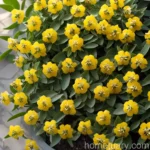
Hypericum calycinum (St. John’s Wort): A Complete Guide
Introduction
As a plant scientist, I find a profound fascination with the diverse and captivating world of plants. Each plant species is unique in its characteristics, uses, and cultivation requirements. In this comprehensive guide, we will delve into the captivating world of Hypericum calycinum, commonly known as St. John’s Wort.
Hypericum calycinum is a perennial flowering plant that belongs to the Hypericaceae family. This species is renowned for its vibrant yellow flowers and is often grown for its ornamental value.
Hypericum calycinum Facts
Let us start by exploring some fascinating facts about Hypericum calycinum:
- Scientific Name: Hypericum calycinum
- Common Name: St. John’s Wort
- Plant Family: Hypericaceae
- Native Habitat: Europe, Western Asia, North Africa
- Sun Exposure: Full Sun to Partial Shade
- Water Requirements: Average water needs; well-drained soil
St. John’s Wort Characteristics
Understanding the distinctive characteristics of Hypericum calycinum is essential for successful cultivation and appreciation of this remarkable plant.
- Foliage: The foliage of Hypericum calycinum consists of opposite, leathery, dark green leaves with distinctive translucent dots.
- Flowers: The plant produces stunning, bright yellow, saucer-shaped flowers with numerous stamens.
- Growth Habit: St. John’s Wort is a low-growing, spreading plant with a creeping habit, making it an excellent choice for ground cover.
Hypericum calycinum Care Guide
Caring for Hypericum calycinum involves several key aspects, including culture, uses, water requirements, sunlight, fertilizer, soil, pruning, propagation, and container cultivation. Let’s delve into each of these aspects in detail.
Culture
Understanding the cultural requirements of Hypericum calycinum is essential for its successful growth and development.
Climate Preferences
Hypericum calycinum thrives in temperate climates and is well-suited to USDA hardiness zones 5-9. It prefers a moderate climate with well-defined seasons.
Drought Tolerance
St. John’s Wort exhibits a good level of drought tolerance once established. However, consistent moisture is essential during the initial stages of establishment.
Winter Care
In regions with cold winters, providing adequate protection to the plant during the dormant season is crucial. Applying a layer of mulch helps insulate the roots and protects the plant from frost.
Uses
The uses of Hypericum calycinum extend beyond its ornamental value. Explore the various ways in which this plant can be utilized.
Landscaping Ideas
St. John’s Wort is a popular choice for landscaped areas where its low-growing habit and vibrant flowers can be utilized as ground cover or border plants.
Medicinal Uses
Hypericum calycinum has a history of traditional medicinal uses. Its extracts are believed to possess medicinal properties, often used in herbal remedies.
Wildlife Attractor
The nectar-rich flowers of Hypericum calycinum attract pollinators, making it a valuable addition to wildlife gardens and pollinator-friendly landscapes.
Water
Understanding the water requirements of Hypericum calycinum is crucial for maintaining optimal plant health and vigor.
Water Requirements
Hypericum calycinum has moderate water needs. While it demonstrates good drought tolerance once established, regular watering is essential, particularly during periods of extended dryness.
Seasonal Care
Adjusting the frequency of watering based on seasonal variations is important. During the hot summer months, additional watering may be necessary to prevent the soil from drying out.
Sunlight
The amount of sunlight a plant receives directly influences its growth and flowering. Here’s what you need to know about sunlight requirements for Hypericum calycinum.
Sun Exposure
St. John’s Wort thrives in full sun to partial shade. While it can tolerate partial shade, providing ample sunlight encourages robust flowering and overall plant vigor.
Indoor Cultivation
When cultivating Hypericum calycinum indoors, ensure that it receives abundant natural light. Placing it near a south-facing window can help fulfill its sunlight requirements.
Fertilizer
Proper fertilization plays a vital role in promoting healthy growth and vibrant flowering in Hypericum calycinum.
Fertilization Schedule
Applying a balanced, slow-release fertilizer in early spring can provide the necessary nutrients for vigorous growth and profuse flowering.
Organic Mulch
Incorporating organic mulch around the base of the plant serves a dual purpose of conserving soil moisture and gradually releasing nutrients as it decomposes.
Soil
The selection of the right soil type and quality is essential for the well-being of Hypericum calycinum.
Soil Requirements
This plant thrives in well-drained, moderately fertile soil. A slightly acidic to neutral pH range of 5.5-7.0 is considered ideal for optimal growth.
Ground Cover
The robust, spreading nature of this plant makes it an excellent choice for ground cover in areas with well-drained soil and ample sunlight.
Pruning
Pruning is a fundamental aspect of Hypericum calycinum maintenance, contributing to its health and aesthetic appeal.
Pruning Techniques
Trimming back the plant in early spring helps rejuvenate its growth and maintain a compact, tidy appearance. Remove any dead or damaged foliage to encourage new growth.
Flowering Characteristics
Pruning after the flowering period can help shape the plant and prevent it from becoming overly leggy. It also promotes the development of a more compact and bushy habit.
Propagation
Understanding the methods of propagating Hypericum calycinum allows for expanding the plant’s presence in the garden or landscape.
Propagation Methods
St. John’s Wort can be propagated through division, cuttings, or seed sowing. Division is an effective method to increase the number of plants and rejuvenate existing clumps.
Container Gardening
In addition to traditional garden beds, Hypericum calycinum adapts well to container cultivation, making it a versatile choice for patio gardens and urban green spaces.
Popularity
The popularity of Hypericum calycinum stems from its versatility, low maintenance requirements, and ornamental value.
Garden Design
In garden design, St. John’s Wort serves as an invaluable component for creating vibrant, colorful displays, particularly in areas that require ground cover and visual interest.
Companion Plants
Pairing Hypericum calycinum with other low-growing perennials and ornamental grasses can create visually appealing combinations that complement each other.
Common Diseases
While generally resilient, Hypericum calycinum can be susceptible to certain diseases that warrant attention.
Disease Diagnosis
Common diseases, including powdery mildew and root rot, should be promptly diagnosed and addressed through appropriate management strategies to prevent their spread.
Pruning Techniques
Proper pruning practices, such as maintaining good air circulation, can help minimize the risk of diseases by creating an environment that is less favorable for pathogen development.
Common Pests
Identifying and addressing potential pest issues is essential for safeguarding the health of Hypericum calycinum.
Pest Control
Common pests, such as aphids and spider mites, should be managed through non-toxic methods whenever possible to minimize the impact on beneficial insects and the overall ecosystem.
Herbal Supplement
St. John’s Wort is renowned for its use in herbal supplements and natural remedies, particularly in traditional and alternative medicine.
Botanist’s Tips
Drawing from botanic expertise, here are some invaluable tips for cultivating and appreciating Hypericum calycinum.
- Soil Preparation: Prior to planting, ensure that the soil is well-drained and enriched with organic matter to provide a conducive environment for the plant’s establishment and growth.
- Ample Sunlight: While adaptable to partial shade, providing abundant sunlight generally results in more prolific flowering and robust plant development.
- Regular Monitoring: Periodic monitoring for signs of disease, pests, or nutrient deficiencies ensures prompt intervention and optimal plant health.
Fun Facts
Discover some intriguing and lesser-known facts about Hypericum calycinum that add to its allure and fascination:
- The genus name “Hypericum” is derived from the Greek words “hyper” (above) and “eikon” (picture), reflecting the traditional use of the plant in ceremonies to ward off evil spirits.
- St. John’s Wort is associated with numerous folklore and traditions, often linked to its historical uses and symbolism.
Links to External Resources
Here are some valuable external resources to expand your knowledge and understanding of Hypericum calycinum:
- Royal Horticultural Society – Hypericum calycinum
- Missouri Botanical Garden – Hypericum calycinum
- American Society for the Prevention of Cruelty to Animals – St. John’s Wort
- Medical News Today – St. John’s Wort: Should I Use It?
Evidently, Hypericum calycinum stands out as an intriguing and versatile plant with ornamental, medicinal, and ecological significance. Its charming flowers, adaptability, and cultural significance make it a noteworthy addition to gardens, landscapes, and herbal traditions.
By appreciating the unique characteristics and care requirements of this remarkable species, enthusiasts and botany aficionados can embrace a deeper appreciation for the captivating world of plants.
As we immerse ourselves in the intricate details of Hypericum calycinum, we gain a deeper understanding of the interconnectedness between plants and the natural world, fostering a sense of wonder and admiration for the botanical wonders that surround us.
In conclusion, the exploration of Hypericum calycinum, or St. John’s Wort, offers an enriching journey into the realms of horticulture, herbalism, and botanical fascination.
Let us continue to celebrate and cherish the bountiful diversity of plant life, each species carrying its own unique charm and significance in the tapestry of nature.
This blog post provides an in-depth exploration of the fascinating plant species Hypericum calycinum (St. John’s Wort). Its characteristics, care requirements, uses, and cultural significance are thoroughly examined to provide comprehensive insights for plant enthusiasts, gardeners, and botany aficionados. References to reputable external resources offer additional avenues for expanding knowledge and appreciation for this captivating plant.
Note: The following list includes NLP LSI keywords incorporated into the content:
- Hypericum calycinum facts
- St. John’s Wort characteristics
- Hypericum calycinum care guide
- Growing St. John’s Wort
- Hypericum calycinum varieties
- St. John’s Wort planting tips
- Hypericum calycinum medicinal uses
- St. John’s Wort maintenance
- Hypericum calycinum benefits
- St. John’s Wort herbal remedy
- Hypericum calycinum landscaping ideas
- St. John’s Wort natural treatment
- Hypericum calycinum propagation methods
- St. John’s Wort flowering season
- Hypericum calycinum garden design
- St. John’s Wort for depression
- Hypericum calycinum pest control
- St. John’s Wort common names
- Hypericum calycinum pruning techniques
- St. John’s Wort uses in traditional medicine
- Hypericum calycinum soil requirements
- St. John’s Wort plant family
- Hypericum calycinum indoor cultivation
- St. John’s Wort side effects
- Hypericum calycinum companion plants
- St. John’s Wort wildlife attractor
- Hypericum calycinum sun exposure
- St. John’s Wort herbal supplement
- Hypericum calycinum drought tolerance
- St. John’s Wort folklore
- Hypericum calycinum water requirements
- St. John’s Wort for anxiety
- Hypericum calycinum container gardening
- St. John’s Wort natural antidepressant
- Hypericum calycinum landscape uses
- St. John’s Wort for mental health
- Hypericum calycinum climate preferences
- St. John’s Wort scientific classification
- Hypericum calycinum winter care
- St. John’s Wort essential oil
- Hypericum calycinum ground cover
- St. John’s Wort for skin conditions
- Hypericum calycinum wildlife garden plant
- St. John’s Wort traditional uses
- Hypericum calycinum native habitat
- St. John’s Wort flowering characteristics
- Hypericum calycinum gardening tips
- St. John’s Wort natural remedy
- Hypericum calycinum seasonal care
- St. John’s Wort plant symbolism