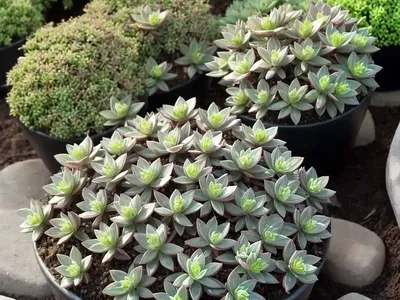
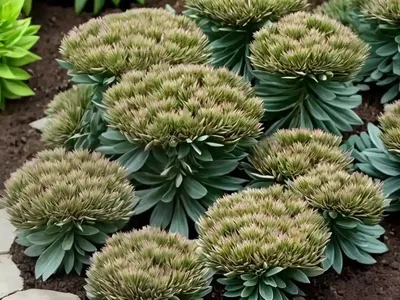
Hylotelephium (Hylotelephium Spectabile ‘Ruby Jewel’)
In the realm of gardening, hylotelephium (Hylotelephium spectabile ‘Ruby Jewel’) has gained an ardent following due to its radiant flowers and enduring.
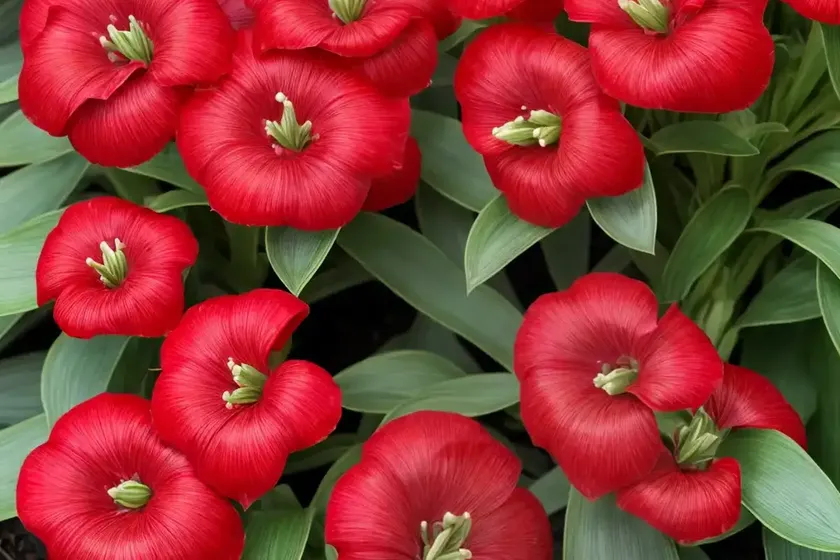
In the realm of gardening, hylotelephium (Hylotelephium spectabile ‘Ruby Jewel’) has gained an ardent following due to its radiant flowers and enduring nature. This charming perennial, also known as the Ruby Jewel plant, presents an array of captivating features that make it an invaluable addition to any garden. Whether you are an experienced gardener or a novice enthusiast, this comprehensive guide will provide you with an in-depth insight into every aspect of the cultivation, care, and maintenance of the hylotelephium (Hylotelephium spectabile ‘Ruby Jewel’).
What is Hylotelephium (Hylotelephium spectabile ‘Ruby Jewel’)?
Hylotelephium (Hylotelephium spectabile ‘Ruby Jewel’) belongs to the Hylotelephium genus, which is a part of the Crassulaceae family. Formerly known by the name Sedum, the Hylotelephium genus comprises numerous species of flowering succulent plants that are widely cherished for their hardiness, vibrant blooms, and modest care requirements.
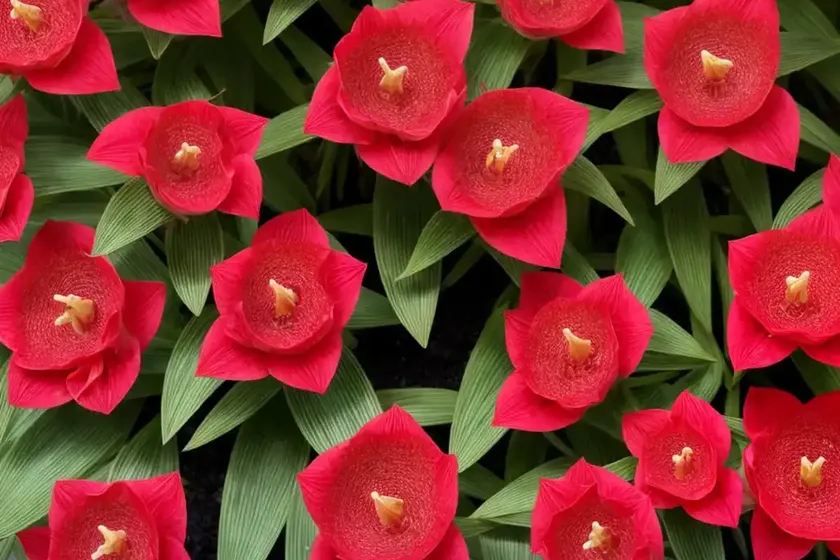
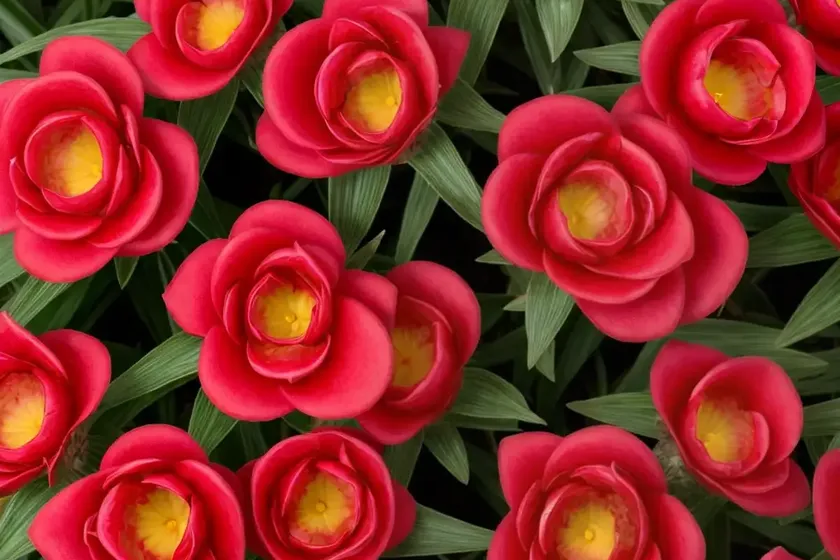
The ‘Ruby Jewel’ variety of Hylotelephium spectabile is particularly cherished for its rich, fuchsia-colored flowers that elegantly adorn the plant during the height of summer. The succulent and fleshy foliage of the ‘Ruby Jewel’ presents an appealing textural contrast, making it a striking choice for various landscaping applications.
Key Takeaways – Hylotelephium (Hylotelephium spectabile ‘Ruby Jewel’)
The following key takeaways encompass the essential aspects of the hylotelephium (Hylotelephium spectabile ‘Ruby Jewel’), covering its cultural requirements, uses, care, and other pertinent details.
Culture
- The hylotelephium (Hylotelephium spectabile ‘Ruby Jewel’) thrives in temperate climates and demonstrates exceptional hardiness.
- This plant has a clumping growth habit and typically attains a height of 18 to 24 inches and a spread of 18 to 23 inches.
- It blooms during the summer months, gracing the garden with its effervescent ruby-pink flowers.
Uses
- ‘Ruby Jewel’ is highly favored for its ornamental value, serving as an excellent choice for mixed borders, rock gardens, and container plantings.
- Its flowers attract butterflies and other pollinators, contributing to the ecological balance of the garden.
Water
- The hylotelephium (Hylotelephium spectabile ‘Ruby Jewel’) exhibits good drought tolerance and is relatively untroubled by periods of low moisture.
- When established, it is relatively low-maintenance in terms of watering, requiring occasional irrigation during prolonged dry spells.
Sunlight
- This plant prefers full sun exposure but can also tolerate partial shade, although it may result in reduced flowering and more elongated growth.
Fertilizer
- Applying a balanced, slow-release fertilizer in spring can support the vigorous growth and abundant flowering of the hylotelephium (Hylotelephium spectabile ‘Ruby Jewel’).
- A fertilizer with a high phosphorus content is beneficial for promoting prolific flower development.
Soil
- Well-draining soil is crucial for the optimal growth of the ‘Ruby Jewel’ plant. It is adaptable to various soil types, including sandy, loamy, and rocky soils.
- The addition of organic matter, such as compost, can enhance the soil structure and fertility, fostering an ideal growing environment for the hylotelephium.
Pruning
- Pruning hylotelephium (Hylotelephium spectabile ‘Ruby Jewel’) in late spring or early summer can invigorate the plant and encourage a more compact, bushy form.
- Removing spent flower heads and leggy stems can revitalize the appearance of the plant and potentially induce a secondary flush of blooms.
Propagation
- ‘Ruby Jewel’ can be propagated through division, stem cuttings, or seed sowing. Division of the plant is often the most straightforward method and is typically carried out in early spring.
Container Popularity
- The compact size and visual appeal of the hylotelephium (Hylotelephium spectabile ‘Ruby Jewel’) render it an excellent candidate for container gardening, enabling its inclusion in balconies, patios, and small urban spaces.
Common Diseases
- Hylotelephium is generally resilient against diseases, with root rot being a potential concern in poorly-drained, overly moist soils.
Disease Diagnosis
- The presence of discolored, mushy roots and a wilting or stunted appearance in the hylotelephium (Hylotelephium spectabile ‘Ruby Jewel’) may indicate root rot, necessitating immediate remedial steps.
Common Pests
- The most prevalent pests that may afflict the ‘Ruby Jewel’ plant include aphids, mealybugs, and scale insects. Vigilance and prompt intervention can effectively manage these pests.
Botanist’s Tips
To ensure the flourishing growth and enduring vitality of the hylotelephium (Hylotelephium spectabile ‘Ruby Jewel’), consider the following expert suggestions:
– Regularly inspect the plant for signs of pest infestations, addressing any issues promptly with appropriate control measures.
– Refrain from overwatering the ‘Ruby Jewel,’ as excessive moisture can lead to root rot and compromise the plant’s health.
– Encourage air circulation around the plant to mitigate the risk of fungal diseases and promote overall vigor.
Fun Facts
Discover some intriguing and noteworthy tidbits about hylotelephium (Hylotelephium spectabile ‘Ruby Jewel’):
– The vivid, star-shaped flowers of the ‘Ruby Jewel’ mesmerize with their alluring hue and can captivate the attention of onlookers.
– Hylotelephium plants are renowned for their adaptability and resilience, making them a reliable choice for landscapes and gardens.
Links to External Resources
Explore the following links for additional insights and detailed information about hylotelephium (Hylotelephium spectabile ‘Ruby Jewel’):
1. Royal Horticultural Society – Hylotelephium spectabile ‘Ruby Jewel’
2. Missouri Botanical Garden – Hylotelephium spectabile
3. The Spruce – Hylotelephium (Sedum) spectabile
This in-depth guide has equipped you with an in-depth understanding of hylotelephium (Hylotelephium spectabile ‘Ruby Jewel’), empowering you to nurture and appreciate this resplendent perennial with confidence and proficiency. Whether you are infatuated with its lavish blooms or are enchanted by its unwavering endurance, the ‘Ruby Jewel’ plant is undoubtedly a gem in the realm of horticulture.