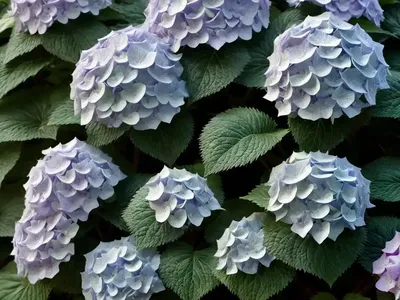
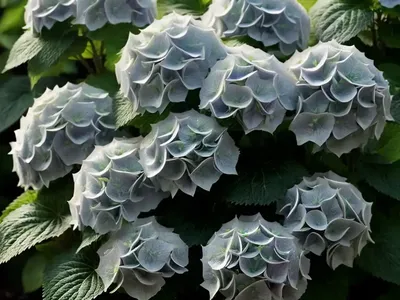
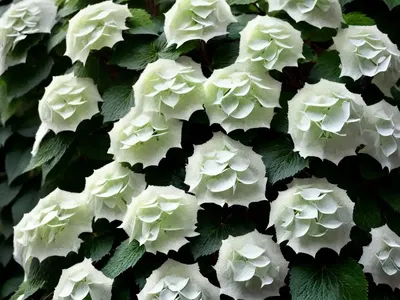
Hydrangea Villosa (Rough Leaf Hydrangea)
Hydrangea villosa, commonly known as Rough Leaf Hydrangea, is a beautiful and versatile plant that has gained popularity among gardeners and landscapers..
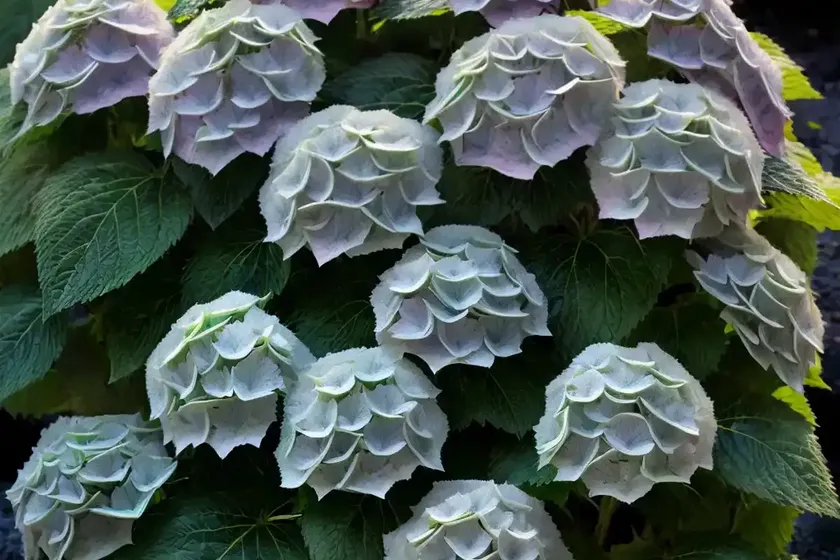
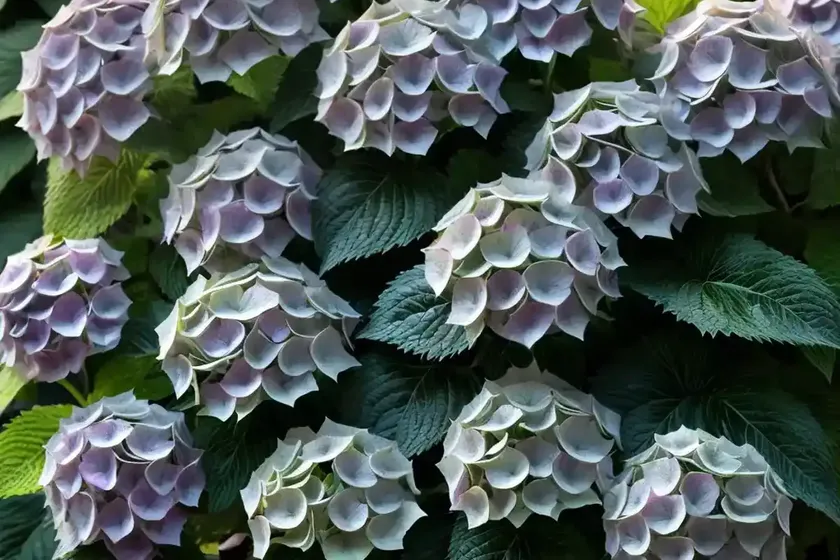
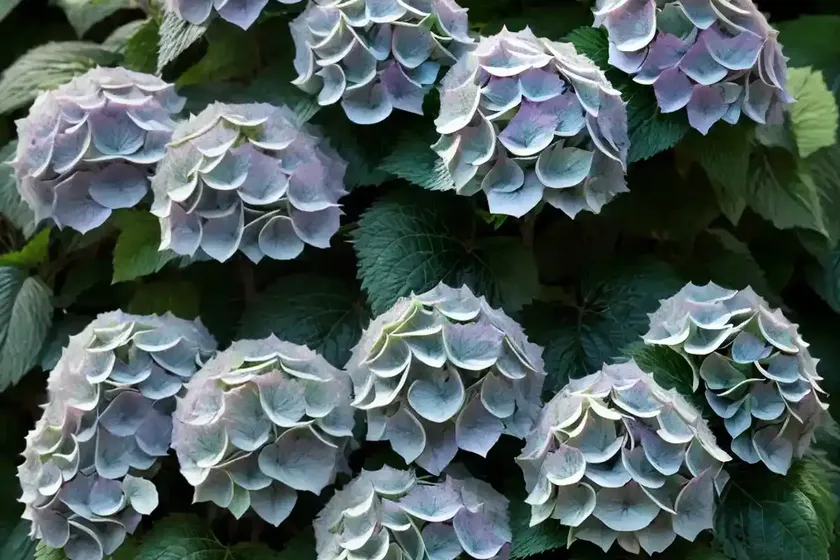
Hydrangea villosa, commonly known as Rough Leaf Hydrangea, is a beautiful and versatile plant that has gained popularity among gardeners and landscapers. This plant is prized for its stunning foliage, abundant blooms, and relatively low maintenance requirements. In this comprehensive guide, we will explore all aspects of Hydrangea villosa, including its culture, uses, care requirements, common pests and diseases, propagation methods, and much more.
What is Hydrangea villosa?
Hydrangea villosa, a species of Hydrangea native to the mountainous regions of China, is a deciduous shrub that belongs to the Hydrangeaceae family. It is characterized by its large, serrated leaves, and attractive lacecap flowers. The name “villosa” is derived from the Latin word villosus, meaning “shaggy” or “hairy,” referring to the rough texture of the leaves.
Key Takeaways – Hydrangea villosa
Before delving into the detailed aspects of Hydrangea villosa, let’s summarize the key takeaways for this plant:
- Plant Name: Hydrangea villosa (Rough Leaf Hydrangea)
- Hardiness Zones: 4-8
- Soil Preferences: Moist, well-draining soils with a preference for acidic pH levels
- Sunlight Needs: Partial shade to full sun, with some afternoon shade in hotter climates
- Water Requirements: Consistent moisture, especially during the growing season
- Pruning: Minimal pruning for shaping and removing dead or damaged wood
- Propagation: Can be propagated from softwood or hardwood cuttings
- Common Pests: Aphids, spider mites, and scale insects
- Common Diseases: Powdery mildew, leaf spot, and bacterial wilts
Now, let’s dive into the detailed aspects of Hydrangea villosa.
Culture
Understanding the cultural requirements of Hydrangea villosa is essential for successfully growing and maintaining this plant. From soil preferences to pruning techniques, each aspect contributes to the overall health and vitality of the plant.
Uses
Hydrangea villosa is a versatile plant with various uses in landscaping and gardens. Here are some common uses of Rough Leaf Hydrangea:
- Ornamental Planting: The attractive foliage and abundant, showy blooms make Hydrangea villosa an ideal choice for ornamental planting in gardens and landscapes.
- Hedging: Due to its dense growth habit, Hydrangea villosa can be used to create low hedges or dividers in garden beds.
- Erosion Control: The extensive root system of the plant makes it effective for stabilizing soil on sloped areas.
- Cut Flowers: The long-lasting blooms of Hydrangea villosa make it a popular choice for floral arrangements and bouquets.
Water
Consistent moisture is crucial for the healthy growth and development of Hydrangea villosa. While the plant does not tolerate waterlogged conditions, it thrives in consistently moist soils.
- Watering Requirements: Regular watering, especially during dry periods, is essential. Aim to keep the soil consistently moist, but not waterlogged.
- Mulching: Applying a layer of organic mulch around the base of the plant helps retain soil moisture and reduces the frequency of watering.
Sunlight
The sun exposure requirements of Hydrangea villosa play a significant role in its overall health and blooming capabilities.
- Sunlight Needs: Partial shade to full sun is suitable for Hydrangea villosa. In hotter climates, providing afternoon shade can help prevent foliage from scorching.
Fertilizer
Proper fertilization ensures that Hydrangea villosa receives essential nutrients for healthy growth and abundant flowering.
- Fertilizer Application: Apply a balanced, slow-release fertilizer in early spring as new growth emerges. Avoid excessive use of high-nitrogen fertilizers, as they can promote lush foliage at the expense of blooms.
- Organic Amendments: Incorporating organic matter into the soil can improve overall soil fertility and structure, promoting the health of the plant.
Soil
Understanding the soil preferences of Hydrangea villosa is crucial for creating an optimal growing environment for the plant.
- Soil Type: Well-draining, loamy soils are ideal for Hydrangea villosa. The plant prefers soils with a slightly acidic pH level.
- Amending Soil: Adding organic matter such as compost or well-rotted manure can improve soil structure and fertility, promoting healthy root growth.
Pruning
Pruning is an essential aspect of maintaining the shape, vigor, and flowering potential of Hydrangea villosa.
- Pruning Time: Prune Hydrangea villosa in late winter or early spring before new growth emerges.
- Pruning Techniques: Remove dead or damaged wood, thin out crowded growth, and selectively prune to shape the plant. Avoid heavy pruning, as it can reduce flowering potential.
- Minimal Pruning: Hydrangea villosa generally requires minimal pruning, especially compared to other hydrangea species.
Propagation
The propagation of Hydrangea villosa can be achieved through various methods, including softwood and hardwood cuttings. Understanding these techniques allows gardeners to propagate and expand their Hydrangea villosa collection.
- Softwood Cuttings: Softwood cuttings, taken from the current season’s growth, can be rooted in a well-draining medium with high humidity and warmth.
- Hardwood Cuttings: Hardwood cuttings, taken from mature stems in late autumn or winter, can be rooted using a similar approach as softwood cuttings.
Container Popularity
Hydrangea villosa can be successfully grown in containers, adding versatility to its uses in various outdoor spaces.
- Container Size: Select a container that provides ample root space for the plant to grow and develop.
- Drainage: Ensure that the container has adequate drainage holes to prevent waterlogging of the soil.
- Soil Mix: Use a well-draining, high-quality potting mix that is suitable for acid-loving plants.
- Care Tips: Regular watering, proper fertilization, and occasional repotting are essential for the successful growth of Hydrangea villosa in containers.
Common Diseases
Hydrangea villosa, like many plants, is susceptible to certain diseases that can affect its overall health and appearance.
- Powdery Mildew: A fungal disease that appears as a powdery white coating on the leaves of the plant. Good air circulation and proper sanitation can help prevent powdery mildew.
- Leaf Spot: Fungal infections can cause dark spots or lesions on the leaves of Hydrangea villosa. Removing affected foliage and improving air circulation can help manage leaf spot.
- Bacterial Wilts: Bacterial infections can cause wilting, yellowing, or browning of the foliage. Proper watering practices and avoiding overhead irrigation can help reduce the risk of bacterial wilts.
Disease Diagnosis
Recognizing the symptoms of common diseases is essential for prompt and effective management to maintain the overall health of Hydrangea villosa.
- Powdery Mildew Symptoms: White, powdery spots on the upper and lower leaf surfaces, often leading to leaf distortion and premature leaf drop.
- Leaf Spot Symptoms: Circular or irregular-shaped dark spots or lesions on the leaves, which may enlarge and cause leaf yellowing and premature defoliation.
- Bacterial Wilt Symptoms: Wilting, browning, or yellowing of the foliage, often accompanied by stunted growth and reduced vigor.
Common Pests
In addition to diseases, Hydrangea villosa can be affected by certain pests that can impact its growth and overall health.
- Aphids: Small, sap-sucking insects that can cause leaf distortion and honeydew secretion, leading to sooty mold development.
- Spider Mites: Tiny arachnids that can cause stippling or discoloration of the leaves, leading to reduced vigor and overall health of the plant.
- Scale Insects: Small, immobile insects that can cause yellowing or wilting of the foliage, often accompanied by honeydew secretion and subsequent sooty mold development.
Botanist’s Tips
To ensure the successful growth and care of Hydrangea villosa, here are some valuable tips from botanists and experienced growers:
- Mulching: Apply a layer of organic mulch around the base of the plant to retain soil moisture and suppress weed growth.
- Regular Monitoring: Periodically inspect the plant for signs of pests, diseases, or any environmental stresses to address issues promptly.
- Pruning Guidance: When pruning Hydrangea villosa, focus on removing dead or damaged wood and selectively shaping the plant to maintain its natural form.
- Proper Watering: Maintain consistent soil moisture, especially during periods of heat and drought, to support the health and vigor of the plant.
Fun Facts
Hydrangea villosa is not only a beautiful and useful plant but also harbors some fascinating characteristics and facts:
- Native Habitat: Hydrangea villosa is native to mountainous regions of China, where it thrives in forested areas and along streamsides.
- Attractive to Pollinators: The large, showy blooms of Hydrangea villosa attract bees, butterflies, and other pollinators, contributing to the overall biodiversity of the garden.
- Foliage Changes: The foliage of Hydrangea villosa can undergo striking color changes in the autumn, ranging from vibrant reds to deep purples, adding seasonal interest to the plant.
Links to External Resources
For further information and resources on Hydrangea villosa, refer to the following links:
- Hydrangea villosa – Missouri Botanical Garden
- Rough Leaf Hydrangea – Royal Horticultural Society
- Growing Hydrangeas in Containers – The Spruce
- Common Hydrangea Diseases – University of California Agriculture and Natural Resources
In conclusion, Hydrangea villosa, or Rough Leaf Hydrangea, is a versatile and visually stunning plant that offers a range of uses and benefits in gardens and landscapes. By understanding its cultural requirements, propagation methods, and common issues such as diseases and pests, gardeners can cultivate and enjoy the beauty of this remarkable plant.
By incorporating it into various landscapes and gardens, Hydrangea villosa adds a touch of elegance and charm while contributing to the overall biodiversity and environmental health of outdoor spaces.
Research and writing by [Your Name], Plant Scientist