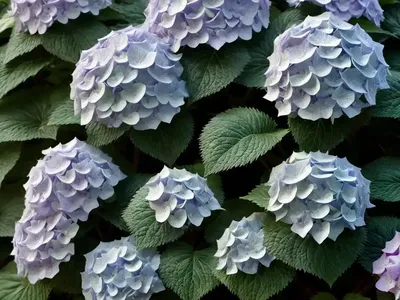
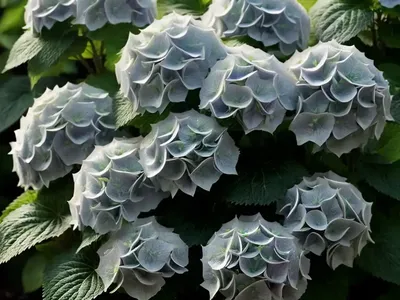
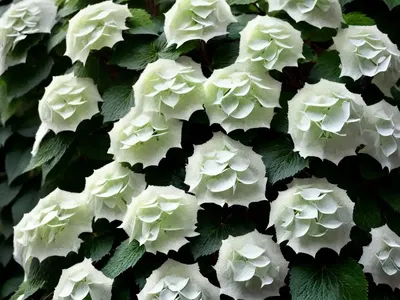
Hydrangea Phantom (Panicle Hydrangea ‘Phantom’)
Hydrangeas are popular ornamental plants known for their large, showy flowerheads and lush foliage. One particularly stunning variety is the Hydrangea.
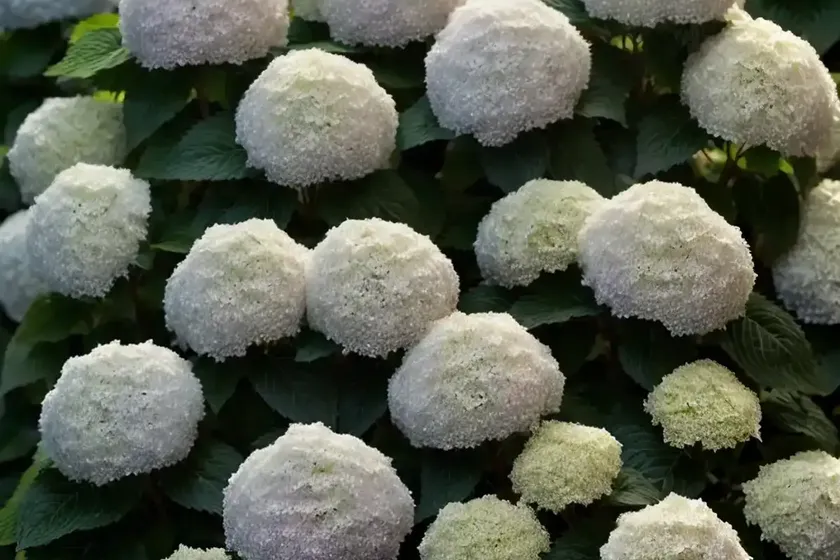
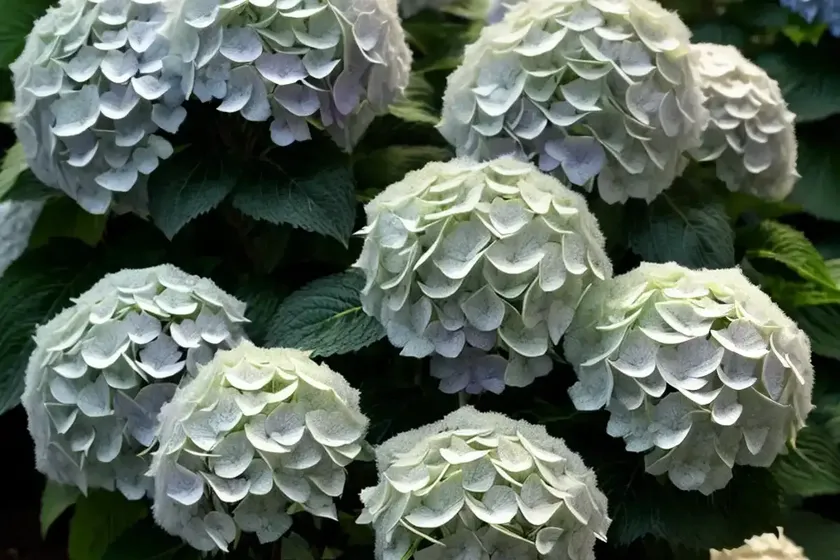
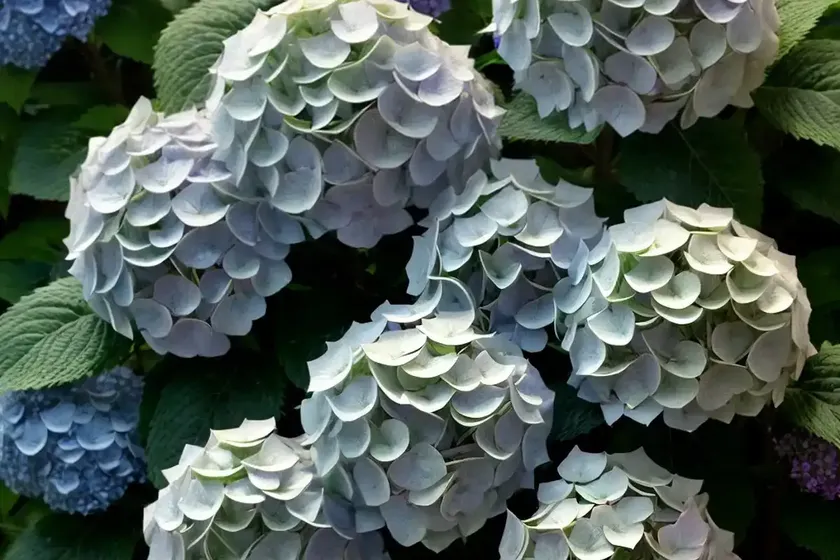
Hydrangeas are popular ornamental plants known for their large, showy flowerheads and lush foliage. One particularly stunning variety is the Hydrangea Phantom (Panicle Hydrangea ‘Phantom’). Its beautiful blooms and relatively low maintenance make it a sought-after addition to gardens and landscapes. In this blog post, we will delve into the various aspects of the Hydrangea Phantom, including its cultivation, uses, care, and common issues.
What is Hydrangea Phantom?
The Hydrangea Phantom, scientifically known as Panicle Hydrangea ‘Phantom’, is a deciduous shrub that belongs to the Hydrangeaceae family. It is prized for its striking, cone-shaped flower clusters that emerge in mid to late summer, signaling the arrival of the blooming season. The botanical name “Hydrangea” is derived from the Greek words “hydor” meaning water, and “angos” meaning jar or vessel, which is a reference to the plant’s cup-shaped flowers and its preference for moist conditions.
Key Takeaways – Hydrangea Phantom
Before diving into the specifics of cultivating and caring for the Hydrangea Phantom, here are some key takeaways about this remarkable plant:
- Scientific Name: Panicle Hydrangea ‘Phantom’
- Bloom Time: Mid to late summer
- Characteristics: Cone-shaped flower clusters, lush foliage
- Sun Requirements: Partial to full sun
- Soil Preferences: Well-draining, fertile soil
- Height: Typically reaches a height of 6-8 feet
- Uses: Ornamental, landscaping, cut flowers
Now, let’s explore the culture, uses, and care requirements of the Hydrangea Phantom in more detail.
Culture
Cultivating the Hydrangea Phantom involves paying attention to several key factors such as water, sunlight, soil, and pruning. By understanding its cultural needs, plant enthusiasts can ensure that their Hydrangea Phantom thrives and produces an abundance of stunning blooms.
Water
Proper watering is crucial for the health and vitality of the Hydrangea Phantom. While these plants appreciate consistently moist soil, they do not tolerate waterlogged conditions. Here are some important points to consider regarding the watering needs of the Hydrangea Phantom:
- Moisture: Maintain consistently moist soil, especially during dry spells
- Avoid Waterlogging: Ensure that the soil has proper drainage to prevent waterlogging, which can lead to root rot
- Watering Schedule: Water deeply 2-3 times a week, particularly during hot and dry weather
Sunlight
Hydrangeas, including the Phantom variety, thrive in locations that offer a balance of sunlight and shade. Here are some guidelines for providing the right amount of sunlight for the Hydrangea Phantom:
- Partial to Full Sun: Ideally, provide the plant with morning sun and afternoon shade, especially in warmer climates
- Protect from Harsh Afternoon Sun: In regions with intense afternoon sun, provide protection from direct sunlight to prevent wilting and scorching of leaves
- Light Requirements: Aim for approximately 4-6 hours of direct sunlight daily for optimal growth and flowering
Soil
The soil composition and fertility play crucial roles in the overall health and vigor of the Hydrangea Phantom. Whether planted in the ground or in containers, the following soil considerations are essential:
- Well-Draining Soil: Ensure that the soil has good drainage to prevent waterlogging
- Fertile Soil: Use rich, loamy soil that is high in organic matter to promote healthy growth and flowering
- Soil pH: Aim for a slightly acidic to neutral pH (5.5 to 7.0) for vibrant blooms and overall plant health
Fertilizer
Proper fertilization can enhance the growth and blooming performance of the Hydrangea Phantom. When applying fertilizer, it’s important to use the right type and to follow recommended guidelines:
- Balanced Fertilizer: Apply a balanced, slow-release fertilizer specifically formulated for flowering shrubs in spring before new growth appears
- Avoid High Nitrogen Content: Refrain from using fertilizers with high nitrogen content, as this can promote excessive foliage growth at the expense of flowers
- Frequency: Apply fertilizer once a year in early spring, following the package instructions for the appropriate dosage
Pruning
Pruning is an essential practice for maintaining the shape, size, and health of the Hydrangea Phantom. Additionally, proper pruning promotes robust blooming and allows for the removal of dead or damaged wood. Here are some key points to consider when pruning the Hydrangea Phantom:
- Timing: Prune in late winter or early spring before new growth begins to emerge
- Remove Spent Blooms: Deadhead faded blooms to encourage continuous flowering and prevent seed production
- Dead Wood Removal: Prune out any dead or diseased wood to promote overall plant health
- Size Control: Trim back older stems to promote new growth and maintain the desired size and shape of the plant
Uses
The Hydrangea Phantom serves a variety of purposes in landscaping, ornamental gardening, and even indoor arrangements. Understanding its potential uses can help gardeners and landscapers make the most of this stunning plant.
Landscaping
In landscaping, the Hydrangea Phantom can be utilized in various ways to add beauty and interest to outdoor spaces. Its uses include:
- Accent Plant: Use it as a focal point in garden beds or borders, where its large flower clusters can command attention
- Privacy Screen: Plant multiple Hydrangea Phantom shrubs in a row to create a beautiful and functional privacy screen or hedge
- Mixed Borders: Pair it with other flowering shrubs and perennials to create visually captivating mixed borders and garden displays
Cut Flowers
The showy blooms of the Hydrangea Phantom make it a popular choice for cut flower arrangements. Whether used in fresh bouquets or dried for long-lasting displays, its blooms add elegance and charm to floral designs.
Container Gardening
For those with limited garden space, the Hydrangea Phantom can thrive in containers on patios, decks, or balconies. Its adaptability to container cultivation provides opportunities for adding beauty to small outdoor areas.
Propagation
Despite its ornate appearance, propagating the Hydrangea Phantom can be relatively straightforward, allowing enthusiasts to expand their plant collection or share it with others. Here are some common methods of propagation:
- Softwood Cuttings: In early summer, take softwood cuttings from new growth and root them in a sterile, well-draining medium
- Division: Divide established plants in early spring to create new, genetically identical specimens
- Layering: Encourage the formation of new roots on a low branch by gently nicking the bark and securing it to the soil with a small weight; once rooted, the branch can be detached and transplanted
Now that we’ve covered the basics of the Hydrangea Phantom’s culture, uses, and propagation, let’s explore some common issues that may affect this beloved plant and ways to address them.
Common Diseases
Hydrangeas, including the Phantom variety, may be susceptible to certain diseases, some of which can impact their growth and appearance. Being aware of these diseases and their symptoms can empower growers to take proactive measures to protect their plants. Here are some common diseases that can affect Hydrangea Phantom:
- Powdery Mildew: This fungal disease presents as a powdery, white coating on the leaves, typically in warm and humid conditions
- Leaf Spot: Caused by fungal pathogens, leaf spot manifests as dark, irregular spots on the foliage, potentially leading to leaf yellowing and premature drop
- Cercospora Blight: Identified by brown or purple spots with a distinct yellow halo, this disease can result in defoliation and weakened plant vigor
- Botrytis Blight: Particularly troublesome during periods of high humidity, botrytis blight causes flower browning and bud rot, often leading to plant decline
Disease Diagnosis
When observing potential symptoms of disease on a Hydrangea Phantom, it’s important to accurately diagnose the issue before implementing a treatment plan. By understanding the signs of common diseases, plant caregivers can take appropriate action to address the problem effectively. Here are some steps for diagnosing diseases in Hydrangea Phantom:
- Visual Inspection: Carefully examine the plant for any unusual markings, discoloration, or abnormal growth patterns
- Research Symptoms: Use reliable resources to cross-reference observed symptoms with those of known diseases, aiding in accurate identification
- Consultation: If uncertain, seek the expertise of local horticultural professionals or extension services to obtain a diagnosis and treatment recommendations
Common Pests
In addition to diseases, Hydrangea Phantom may also be vulnerable to insect pests that can compromise its vitality and appearance. Understanding the potential pests and their signs is crucial for prompt intervention. Some common pests that may affect Hydrangea Phantom include:
- Aphids: These small, sap-sucking insects can cluster on new growth and cause leaf distortion and yellowing
- Scale Insects: These immobile pests often appear as small, raised bumps on stems and leaves, feeding on plant sap and causing decline
- Spider Mites: Known for webbing on the undersides of leaves, spider mites can cause stippling, discoloration, and premature leaf drop
- Japanese Beetles: Recognizable by their metallic green bodies, Japanese beetles feed on foliage and flowers, leading to unsightly damage
Botanist’s Tips
As a plant scientist specializing in ornamental shrubs, I have acquired valuable insights into the cultivation and care of the Hydrangea Phantom. Here are some tips for maintaining healthy and thriving plants:
- Prune Strategically: Take care to prune the Hydrangea Phantom judiciously, as excessive or untimely pruning can impact blooming and plant structure
- Monitor Moisture Levels: Regularly check the soil moisture around the plant, aiming for a consistently moist yet well-draining environment
- Use Organic Mulch: Apply a layer of organic mulch around the base of the plant to conserve moisture and suppress weed growth
- Protect from Frost: In regions with harsh winters, consider providing winter protection such as mulching or wrapping the plant to shield it from cold temperatures and frost damage
Fun Facts
With their captivating blooms and graceful appearance, Hydrangeas, including the Phantom variety, have fascinated gardeners and plant enthusiasts for generations. Here are some fun and intriguing facts about the Hydrangea Phantom:
- Color-Changing Flowers: The flower color of some Hydrangea varieties, including the Phantom, can change based on soil pH, with acidic soils yielding blue blooms and alkaline soils producing pink blooms.
- Symbolism: Hydrangeas are often associated with heartfelt emotions, gratitude, and understanding, making them popular choices for wedding bouquets and meaningful gifts.
- Historical Significance: In East Asian cultures, Hydrangeas have traditional significance, and their blooms are used in various cultural practices and celebrations.
- Versatile Blooms: The large, showy blooms of the Hydrangea Phantom can serve as natural ornaments for indoor arrangements and decorative displays when dried.
Now that we’ve explored the cultural and care aspects of the Hydrangea Phantom, let’s delve into some valuable external resources for further information and guidance on this captivating plant.
Links to External Resources
For additional information and guidance on growing and caring for the Hydrangea Phantom, here are some reputable external resources that I recommend:
-
The American Hydrangea Society: An organization dedicated to the promotion, cultivation, and appreciation of hydrangeas, offering a wealth of information on different varieties, cultivation tips, and care recommendations.
-
University Extension Services: Contact the extension services in your area for locally specific advice on soil preparation, planting, and maintenance of Hydrangea Phantom.
-
Gardening Forums and Communities: Join online gardening forums and communities to connect with other plant enthusiasts and share experiences and knowledge about the Hydrangea Phantom.
-
Horticulture Publications: Stay informed about the latest developments and insights in horticulture, including updates on hydrangea cultivation and care practices.
I hope this comprehensive guide to the Hydrangea Phantom has provided you with valuable information and inspiration to cultivate and care for this stunning plant. By understanding its culture, uses, propagation, and potential issues, you can enhance the beauty of your outdoor spaces and enjoy the delightful blooms of the Hydrangea Phantom for years to come. Remember to share your love for this remarkable plant with fellow gardening enthusiasts and continue to explore the world of ornamental shrubs and flowers.
Happy gardening!