The Complete Guide to Hydrangea Paniculata ‘Vanille Fraise’
Hydrangea paniculata ‘Vanille Fraise’ is a stunning flowering shrub that is beloved by gardeners for its showy blooms and easy-care nature. In this comprehensive guide, we will explore everything you need to know about this beautiful plant, from its cultural requirements and uses to maintenance tips and common pests and diseases.
What is Hydrangea paniculata ‘Vanille Fraise’?
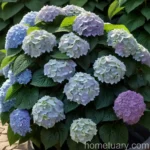
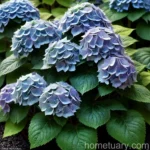
Hydrangea paniculata ‘Vanille Fraise’, also known as Vanille Fraise hydrangea or Paniculata hydrangea, is a deciduous shrub that belongs to the Hydrangeaceae family. This cultivar is prized for its large, conical flower heads that emerge creamy white in midsummer, gradually turning pink and eventually taking on a deep red color in the fall.
The plant typically reaches a height and spread of 4 to 6 feet and boasts sturdy, upright stems that support the abundant blooms. With its spectacular display of color and long-lasting flowers, Hydrangea paniculata ‘Vanille Fraise’ is a popular choice for mixed borders, foundation plantings, and even large containers.
Key Takeaways
- Plant Name: Hydrangea paniculata ‘Vanille Fraise’
- Common Names: Vanille Fraise hydrangea, Paniculata hydrangea
- Family: Hydrangeaceae
- Hardiness Zones: 3 to 8
- Mature Size: 4 to 6 feet in height and spread
- Flowering Period: Midsummer to fall
- Special Features: Color-changing flowers, attractive to pollinators
Culture
Uses
Hydrangea paniculata ‘Vanille Fraise’ offers a myriad of uses in the landscape, thanks to its striking appearance and low-maintenance requirements. Here are some common applications of this beautiful shrub:
- Mixed Borders: The impressive blooms of ‘Vanille Fraise’ hydrangea make it an excellent choice for mixed borders, where it can serve as a focal point or provide a stunning backdrop for smaller perennials and annuals.
- Foundation Plantings: Planted near the foundation of a house or building, this shrub can add structure and interest to the landscape while softening the edges of the structure.
- Cut Flower Arrangements: The long-lasting blooms of Hydrangea paniculata ‘Vanille Fraise’ are perfect for creating floral arrangements, whether fresh or dried, bringing the beauty of the garden indoors.
- Large Containers: This hydrangea can be grown in large containers on patios or decks, providing a burst of color and texture in outdoor living spaces.
Water
Hydrangea paniculata ‘Vanille Fraise’ requires regular watering, particularly during its active growing season. When establishing new plants, ensure that the soil is consistently moist but not waterlogged. Once established, these shrubs are moderately drought-tolerant but benefit from supplemental watering during dry periods, especially in regions with hot summers.
Sunlight
For optimal growth and flowering, ‘Vanille Fraise’ hydrangea thrives in full sun to part shade. In warmer climates, providing some protection from the intense afternoon sun can help prevent leaf scorch. However, in cooler regions, a location with full sun exposure is generally preferred to ensure abundant blooming.
Fertilizer
Fertilizing Hydrangea paniculata ‘Vanille Fraise’ can help support healthy growth and prolific flowering. Apply a balanced, slow-release fertilizer formulated for woody ornamentals in early spring, just before new growth emerges. Avoid excessive use of high-nitrogen fertilizers, as this can promote lush foliage at the expense of flowers.
Soil
This hydrangea thrives in well-drained, loamy soil with a slightly acidic to neutral pH. Amending heavy clay soils with organic matter can improve drainage and create a favorable growing environment for the shrub. Furthermore, a layer of mulch around the base of the plant helps conserve soil moisture and regulate temperature fluctuations.
Pruning
Pruning is an essential aspect of maintaining the shape and vitality of Hydrangea paniculata ‘Vanille Fraise’. Late winter or early spring is the best time to prune, as the shrub is dormant and new growth has not yet emerged. Remove any dead or weak stems, as well as older wood to rejuvenate the plant. Additionally, to encourage larger blooms, consider selectively pruning branches to control the overall size and shape of the shrub.
Propagation
This hydrangea can be propagated through several methods, including:
- Softwood Cuttings: In early summer, take 4- to 6-inch cuttings from the new growth of the plant. Remove the lower leaves and dip the cut ends in rooting hormone before planting in a well-draining rooting medium.
- Division: During the early spring, carefully dig up and divide established clumps of Hydrangea paniculata ‘Vanille Fraise’, ensuring that each division has sufficient roots and shoots to support its growth.
- Layering: Encourage the lower branches of the plant to root by gently bending them to the ground, where they can be covered with soil. After sufficient rooting has occurred, these new sections can be separated from the parent plant and transplanted.
Container Popularity
Hydrangea paniculata ‘Vanille Fraise’ is well-suited for container gardening, thanks to its relatively compact size and striking blooms. When grown in a container, ensure that the pot has adequate drainage holes and use a high-quality potting mix that provides good aeration and moisture retention. Regular watering and fertilizing are essential for container-grown hydrangeas, as they are more susceptible to fluctuations in soil moisture and nutrient availability compared to those planted in the ground.
Container Common Diseases
While Hydrangea paniculata ‘Vanille Fraise’ grown in containers can be relatively free from soil-borne diseases, they may still be susceptible to certain issues, including:
- Powdery Mildew: A common fungal disease that manifests as a powdery, white coating on the leaves and stems, particularly in humid conditions.
- Botrytis Blight: This fungal disease causes brown spots and wilting on flower petals and can thrive in cool, moist environments, particularly on aging flowers.
Disease Diagnosis
If you suspect that your potted Hydrangea paniculata ‘Vanille Fraise’ is suffering from a disease, carefully inspect the plant for symptoms and take appropriate actions:
- Powdery Mildew: Increase air circulation around the plant and ensure that it is not crowded by other containers. Fungicidal sprays may be necessary for severe infections.
- Botrytis Blight: Remove and discard affected flowers promptly and ensure that the plant is not overwatered. Prune any dead or diseased foliage and improve air circulation to mitigate the spread of the disease.
Common Pests
Potted Hydrangea paniculata ‘Vanille Fraise’ may attract certain pests that can impact the overall health and appearance of the plant, such as:
- Aphids: Tiny, sap-sucking insects that can be found clustered on new growth and flower buds, causing distorted growth and potential viral infections.
- Spider Mites: These pests can be particularly problematic in hot, dry conditions, and they are known to cause stippling and webbing on the undersides of leaves.
Botanist’s Tips
For successful cultivation of Hydrangea paniculata ‘Vanille Fraise’ in containers, consider the following tips from botanists and horticulturists:
- Choose the Right Container: Select a container that provides ample space for the plant’s roots and allows for adequate drainage. A large, sturdy pot will support the growth of the shrub and minimize the need for frequent repotting.
- Monitor Soil Moisture: Regularly check the moisture level of the potting mix and adjust your watering schedule as needed, taking into account factors such as temperature and humidity.
- Prune Wisely: Regular pruning is essential for managing the size and shape of the shrub in a container. Focus on removing dead or weak growth and shaping the plant to maintain a balanced appearance.
- Provide Nutrients: Use a controlled-release fertilizer to supply the plant with essential nutrients throughout the growing season. Follow the manufacturer’s recommendations for application rates and timing.
- Watch for Pests: Keep an eye out for signs of pest infestations, such as distorted growth or discoloration, and take proactive measures to address any issues promptly.
Fun Facts
- Hydrangea paniculata ‘Vanille Fraise’ flowers undergo a remarkable transformation in color, evolving from creamy white to shades of pink and finally developing a deep red hue in the fall, creating a multi-seasonal display of beauty in the garden.
- The breathtaking flower heads of ‘Vanille Fraise’ hydrangea can be enjoyed both outdoors and indoors, as they make exceptional cut flowers for arrangements and floral displays.
- This cultivar is relatively low-maintenance, making it a perfect choice for gardeners who desire a show-stopping plant without the need for extensive care or attention.
Links to External Resources
For additional information on the cultivation and care of Hydrangea paniculata ‘Vanille Fraise’, consider exploring the following resources:
- The Royal Horticultural Society (RHS) – Growing Hydrangeas
- The American Hydrangea Society – Hydrangea FAQs
- University of Illinois Extension – Plant Clinic
- Missouri Botanical Garden – Plant Finder
- The Spruce – How to Grow and Care for Hydrangeas
In conclusion, Hydrangea paniculata ‘Vanille Fraise’ is a versatile and enchanting shrub that offers year-round interest with its color-changing blooms and attractive foliage. By providing the appropriate cultural conditions, monitoring for pests and diseases, and implementing proper maintenance techniques, you can enjoy the beauty of this exceptional plant in your garden or outdoor living space.
Remember to explore the recommended resources for further guidance and immerse yourself in the world of ‘Vanille Fraise’ hydrangea care and cultivation.
References
- Hydrangea paniculata ‘Vanille Fraise’ – Missouri Botanical Garden. (n.d.). Retrieved from https://www.missouribotanicalgarden.org
- University of Illinois Extension. (n.d.). U of I Extension Plant Clinic. Retrieved from https://web.extension.illinois.edu/plantclinic/
- The Royal Horticultural Society (RHS). (n.d.). Growing Hydrangeas. Retrieved from https://www.rhs.org.uk
- The American Hydrangea Society. (n.d.). Hydrangea FAQs. Retrieved from https://www.americanhydrangeasociety.org
- The Spruce. (n.d.). How to Grow and Care for Hydrangeas. Retrieved from https://www.thespruce.com