Hydrangea Paniculata Little Lime�)
Hydrangea paniculata Little Lime is a charming and popular shrub that is valued for its stunning blooms and versatility in the garden. This guide will.
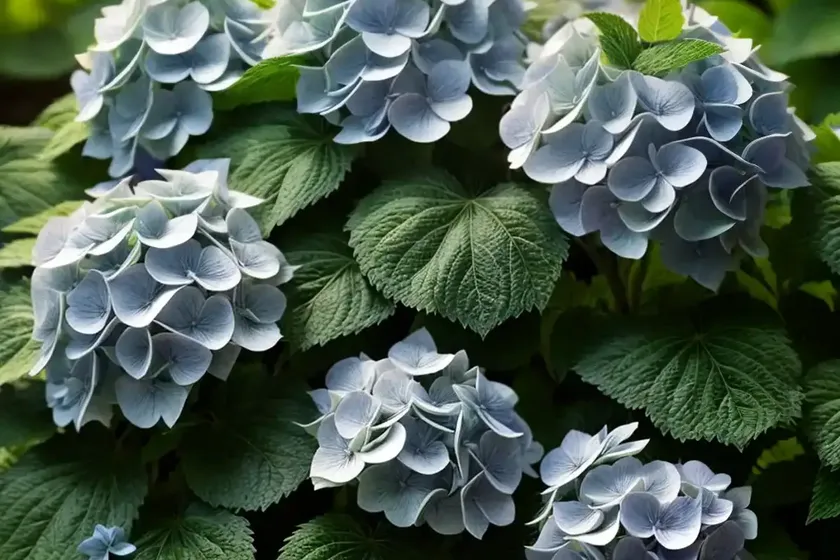
Hydrangea paniculata Little Lime is a charming and popular shrub that is valued for its stunning blooms and versatility in the garden. This guide will provide plant enthusiasts and gardeners with comprehensive insights into the care, cultivation, and distinctive features of the Hydrangea paniculata Little Lime. From its cultural requirements to common diseases and pests, this guide aims to equip individuals with the knowledge necessary to cultivate and maintain thriving Little Lime shrubs.
What is Hydrangea paniculata Little Lime?
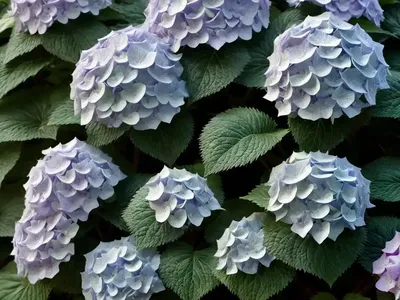
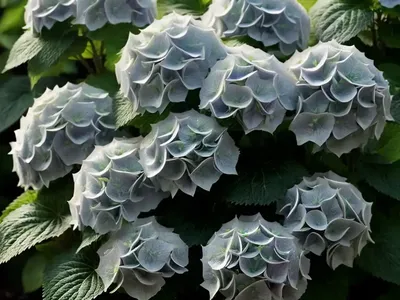
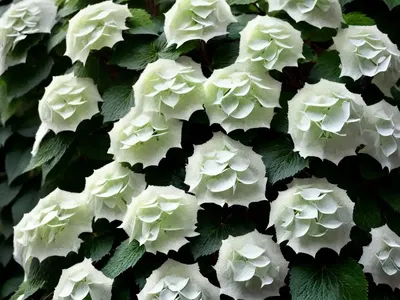
Hydrangea paniculata Little Lime, often referred to simply as Little Lime, is a compact and ornamental deciduous shrub that belongs to the hydrangea family. This cultivar is a smaller version of the popular ‘Limelight’ hydrangea, offering all the benefits of its larger counterpart in a more manageable size. With its distinct cone-shaped flower clusters and robust growth, Little Lime is a delightful addition to gardens and landscapes, bringing forth an abundance of beauty and charm.
Key Takeaways
- Little Lime is a compact and ornamental deciduous shrub.
- It is a smaller version of the widely known ‘Limelight’ hydrangea.
- Little Lime showcases distinctive cone-shaped flower clusters and robust growth.
Culture
Cultivating Hydrangea paniculata Little Lime entails understanding its cultural requirements, which encompass aspects such as water, sunlight, fertilizer, soil, and pruning. Each of these factors plays a crucial role in nurturing healthy and vibrant Little Lime shrubs.
Water
Proper watering is essential for the overall health and well-being of Hydrangea paniculata Little Lime. Adequate moisture, especially during the initial phases of growth, is crucial for establishing a strong root system. Subsequently, regular watering is recommended to maintain optimal soil moisture levels, particularly during drier periods. It is important, however, to ensure that the plant is not overwatered, as excessive moisture may lead to root rot and other detrimental conditions.
Sunlight
Little Lime thrives in environments with ample sunlight. Although it can tolerate partial shade, providing sufficient sunlight exposure is essential for robust growth and prolific blooming. When selecting a planting location for Little Lime, it is advisable to choose a site that receives at least 6 hours of sunlight daily. This will support the development of healthy foliage and vibrant blooms, enhancing the overall visual appeal of the shrub.
Fertilizer
Fertilizing Hydrangea paniculata Little Lime is beneficial for encouraging vigorous growth and promoting abundant flowering. A balanced, slow-release fertilizer can be applied in spring as new growth emerges. It is essential to follow the recommended dosage and application guidelines to prevent over-fertilization, which can negatively impact the plant’s health. Additionally, incorporating organic matter into the soil can further enhance the nutrient content and overall fertility, contributing to the well-being of the shrub.
Soil
The selection of suitable soil is fundamental in ensuring the vitality of Hydrangea paniculata Little Lime. Well-draining, fertile soil that is rich in organic matter is optimal for cultivating healthy and resilient shrubs. Additionally, maintaining a slightly acidic to neutral pH level in the soil is advantageous for Little Lime’s growth and blooming capacity. Regularly monitoring and amending the soil, if necessary, can significantly contribute to the overall health and vigor of the plant.
Pruning
Pruning is an essential aspect of caring for Hydrangea paniculata Little Lime, as it helps maintain an attractive form, encourages new growth, and enhances blooming. The timing and approach to pruning may vary depending on the specific objectives and the desired appearance of the shrub. Generally, light pruning in late winter or early spring can help remove any dead or damaged wood and promote the emergence of new shoots. It is important to exercise caution when pruning to avoid inadvertently removing potential blooms, as Little Lime produces flowers on new wood.
Propagation
Propagating Hydrangea paniculata Little Lime can be achieved through various methods, including softwood cuttings, hardwood cuttings, and division. Each approach offers distinct advantages and considerations, and the choice of propagation method may depend on the expertise of the gardener and the specific conditions of the parent plant. Regardless of the method selected, proper care and attention to the propagation process are essential for ensuring successful establishment and growth of new Little Lime shrubs.
Container Popularity
The compact nature and ornamental appeal of Hydrangea paniculata Little Lime make it well-suited for container gardening. Little Lime’s ability to thrive in containers offers gardeners and plant enthusiasts the flexibility to incorporate this charming shrub into various settings, such as patios, balconies, and urban gardens. When cultivating Little Lime in containers, attention should be given to proper watering, suitable soil mixtures, and adequate sunlight exposure to maximize the plant’s growth and flowering potential.
Container Common Diseases
While Hydrangea paniculata Little Lime is relatively resilient, certain diseases can pose challenges to its health and vitality. Common diseases that may affect Little Lime include powdery mildew, leaf spots, and root rot. These conditions can be attributed to environmental factors, improper cultural practices, or fungal pathogens. Vigilant monitoring, proactive management, and adherence to proper cultivation practices are crucial in preventing and mitigating the impact of diseases on Little Lime shrubs.
Disease Diagnosis
Diagnosing diseases in Hydrangea paniculata Little Lime involves careful observation of symptoms, such as white powdery deposits on foliage (indicative of powdery mildew) or discolored spots on leaves (associated with leaf spot diseases). Conducting a thorough assessment of the plant’s overall condition and promptly addressing any signs of disease can aid in effective management and treatment. Consultation with local horticultural experts or plant health professionals may also provide valuable insights and guidance in diagnosing and managing diseases.
Common Pests
Hydrangea paniculata Little Lime may be susceptible to infestations by certain pests, including aphids, spider mites, and scale insects. These pests can adversely affect the shrub’s growth and vitality, leading to aesthetic and functional impairments. Implementing pest management strategies, such as natural predators, horticultural oils, or insecticidal soaps, can help mitigate pest populations and preserve the health of Little Lime. Additionally, regular monitoring and early intervention are critical in preventing pest-related damage to the shrub.
Botanist’s Tips
For those who are passionate about cultivating and caring for Hydrangea paniculata Little Lime, the following botanist’s tips offer valuable insights and recommendations:
- Regular monitoring of soil moisture and pH levels is essential for sustaining the health and vigor of Little Lime.
- Pruning Little Lime in early spring can promote robust growth and abundant flowering while maintaining an appealing form.
- Incorporating organic matter, such as compost or well-rotted manure, into the soil can enhance its fertility and structure, benefiting Little Lime’s overall growth.
Fun Facts
- Little Lime flowers undergo a remarkable transformation, transitioning from creamy white to a striking pink hue as they mature, adding visual dynamism to the shrub’s appearance.
- The compact size and resilience of Hydrangea paniculata Little Lime make it an ideal choice for small gardens, urban landscapes, and container gardening, offering versatility and charm in diverse settings.
Links to External Resources
For additional information on Hydrangea paniculata Little Lime and related topics, the following external resources are recommended:
- The American Hydrangea Society
- Royal Horticultural Society – Hydrangeas
- University of Florida IFAS Extension – Hydrangea Planting & Care
In conclusion, the allure and versatility of Hydrangea paniculata Little Lime make it a treasured addition to gardens and landscapes, captivating enthusiasts with its charming blooms and resilient nature. By understanding and implementing the principles of effective care and cultivation outlined in this guide, individuals can cultivate thriving and vibrant Little Lime shrubs, enriching their outdoor spaces with beauty and elegance. Whether in gardens, containers, or urban settings, Little Lime stands as a testament to nature’s splendor, inspiring admiration and delight in all who encounter its captivating presence.