Hydrangea Macrophylla ‘Rotschwanz’)
Hydrangeas are beloved for their stunning and voluminous blooms, making them a popular choice for garden enthusiasts. Among the numerous hydrangea.
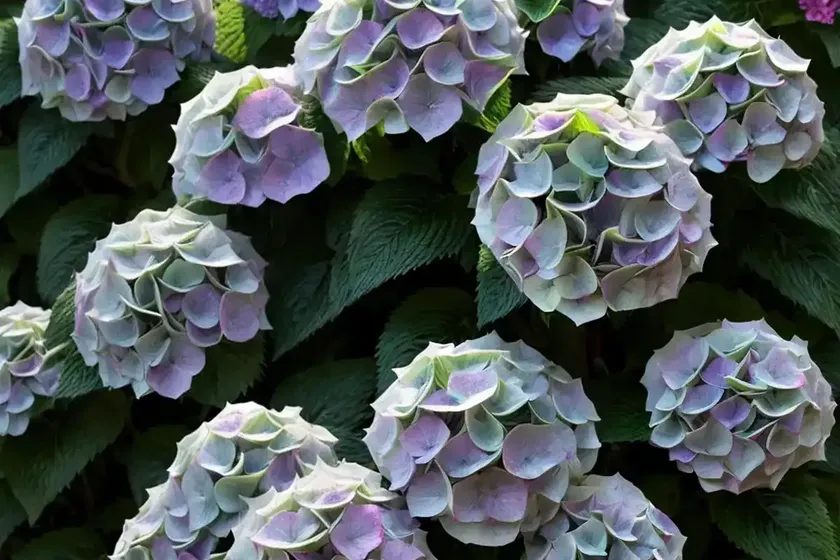
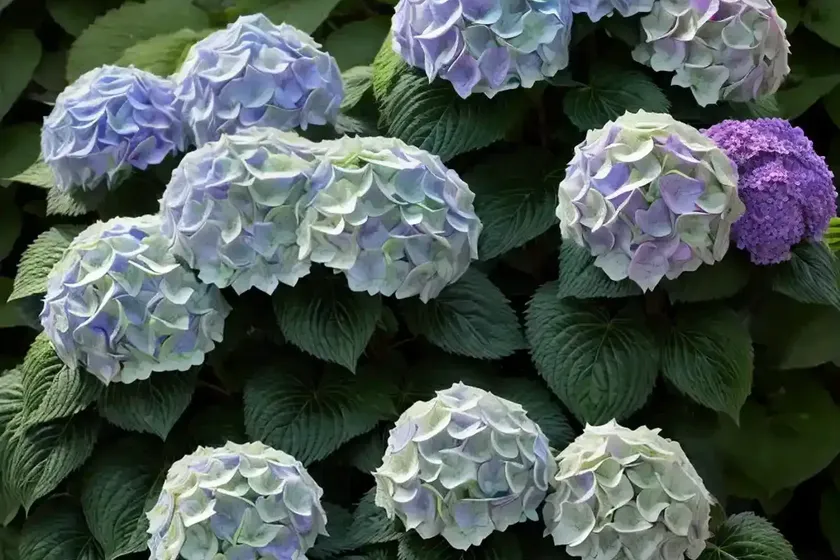
Hydrangeas are beloved for their stunning and voluminous blooms, making them a popular choice for garden enthusiasts. Among the numerous hydrangea cultivars, Hydrangea macrophylla ‘Rotschwanz’ stands out for its unique characteristics and exceptional beauty. In this comprehensive plant care guide, we will delve into the specifics of caring for Hydrangea macrophylla ‘Rotschwanz’ and explore its culture, uses, propagation, and common issues.
What is Hydrangea macrophylla ‘Rotschwanz’?
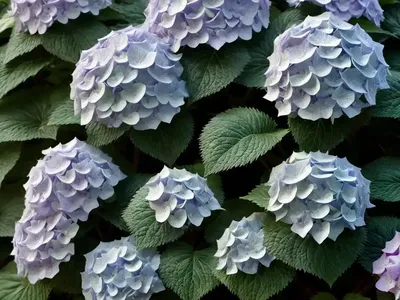
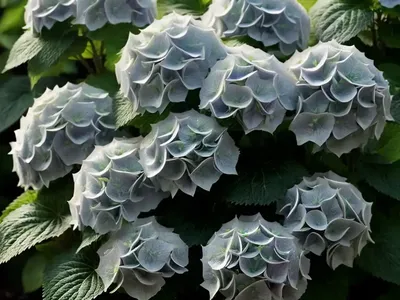
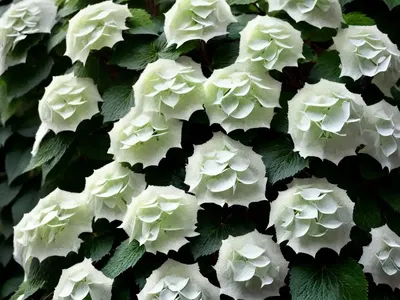
Hydrangea macrophylla ‘Rotschwanz’ is a cultivar of the Hydrangea macrophylla species, commonly known as bigleaf hydrangea or florist’s hydrangea. This deciduous shrub is valued for its large, showy, and long-lasting blossoms, which can range in color from deep rosy-red to violet, depending on soil pH. The name Hydrangea macrophylla originates from the Greek words “hydro” meaning water, and “aggos” meaning jar, referring to the plant’s need for ample water.
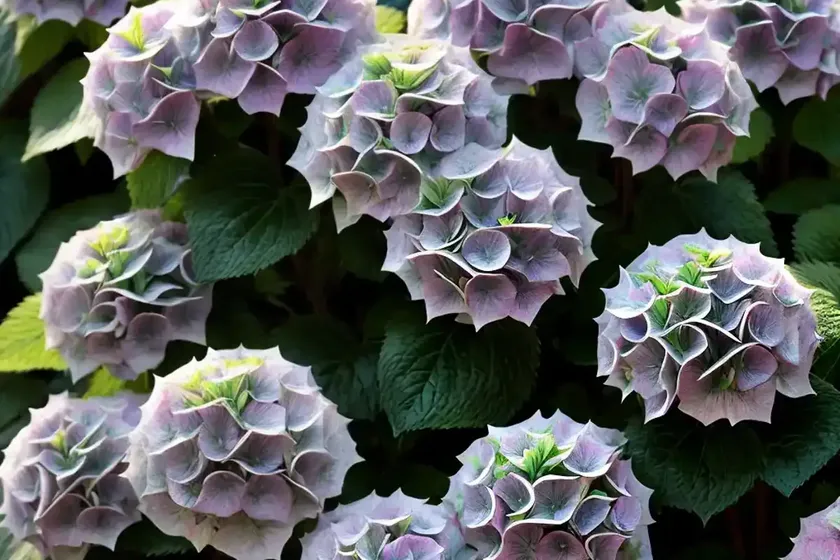
This cultivar, Rotschwanz, is particularly notable for its vibrant crimson and deep burgundy flower heads, which create a stunning visual impact in gardens and floral arrangements. With its compact growth habit and richly colored blooms, it has become highly sought after for landscaping and ornamental purposes.
Key Takeaways
Here are some key takeaways before we delve into the detailed care guide for Hydrangea macrophylla ‘Rotschwanz’:
- Scientific Name: Hydrangea macrophylla ‘Rotschwanz’
- Common Names: Rotschwanz hydrangea, bigleaf hydrangea
- Cultivar Type: Deciduous shrub
- Bloom Colors: Crimson, burgundy, violet (based on soil pH)
- Uses: Landscaping, floral arrangements, ornamental purposes
- Special Features: Compact growth habit, vibrant blooms
Now, let’s explore the specific care requirements to ensure that your Hydrangea macrophylla ‘Rotschwanz’ thrives and dazzles with its magnificent blossoms.
Culture
Water
Hydrangeas, including Hydrangea macrophylla ‘Rotschwanz’, have a high water requirement, particularly during their active growing season. Adequate water is essential to maintain healthy foliage and promote robust bloom development. It is recommended to water the plants deeply and regularly, especially during dry spells, to keep the soil consistently moist but not waterlogged.
Sunlight
Hydrangea macrophylla ‘Rotschwanz’ thrives in partial shade to dappled sunlight. While it can tolerate full morning sun, it generally prefers shelter from the intense afternoon sun, especially in regions with hot summers. Finding the right balance of sunlight exposure is crucial for the plant’s overall health and the vibrancy of its blooms.
Fertilizer
Selecting the appropriate fertilizer is paramount for optimizing the growth and flowering of Hydrangea macrophylla ‘Rotschwanz’. A balanced, slow-release fertilizer, formulated for acid-loving plants, is recommended. Application in early spring, following the manufacturer’s instructions, will provide the necessary nutrients to support healthy foliage and prolific blooms.
Soil
Well-draining, fertile soil that retains moisture is ideal for Hydrangea macrophylla ‘Rotschwanz’. The addition of organic matter, such as compost or peat moss, can improve the soil structure and its ability to retain moisture. Additionally, ensuring a slightly acidic to neutral pH level (5.2-6.5) is crucial for the availability of essential nutrients and the determination of flower color in this cultivar.
Pruning
Pruning
Pruning hydrangeas is essential to maintain their shape, promote vigorous growth, and encourage abundant blooming. Hydrangea macrophylla ‘Rotschwanz’ typically blooms on old wood, meaning that the flower buds develop on the previous year’s growth. Therefore, if pruning is necessary, it should ideally be done shortly after the flowering period to avoid interfering with the next season’s blooms.
Propagation
Propagation
Hydrangea macrophylla ‘Rotschwanz’ can be propagated through various methods, including softwood cuttings, division, and layering. Softwood cuttings, taken from young, tender shoots, can be rooted in a suitable growing medium to produce new plants. Division of mature plants and layering, where a branch is encouraged to root while still attached to the parent plant, also offer effective means of propagation.
Container Popularity
Container
Due to its compact growth habit and stunning floral display, Hydrangea macrophylla ‘Rotschwanz’ is well-suited for container gardening. When grown in containers, it is essential to ensure sufficient moisture and provide partial shade to prevent the roots from overheating. Repotting the plant as needed and maintaining consistent care will result in a striking and portable ornamental feature for patios, decks, and balconies.
Common Diseases
Disease Diagnosis
Hydrangea macrophylla ‘Rotschwanz’ may be susceptible to various diseases, including powdery mildew, leaf spot, and root rot. Regular inspection of the foliage for any signs of discoloration, wilting, or unusual growth is essential for early detection of disease. Proper sanitation practices, such as removing and disposing of affected plant parts, and promoting good air circulation can help prevent and manage common hydrangea diseases.
Common Pests
Common Pests
Pests like aphids, mites, and scale insects are among the potential nuisances for Hydrangea macrophylla ‘Rotschwanz’. Vigilant monitoring of the plant for any indication of pest activity, including distorted foliage, sticky residue, or visible insects, can aid in early intervention. Natural or targeted horticultural oils, insecticidal soaps, or botanical insecticides can be employed as appropriate measures to control pest populations.
Botanist’s Tips
Fun Facts
- The flowers of Hydrangea macrophylla ‘Rotschwanz’ can undergo intriguing color changes in response to soil pH variations, with acidic soils promoting blue hues and alkaline soils enhancing pink tones.
- In some regions, hydrangeas are linked to diverse cultural symbolism, representing gratitude, heartfelt emotions, and the expression of genuine feelings in floral arrangements and bouquets.
- Several hydrangeas, including Hydrangea macrophylla ‘Rotschwanz’, exhibit the intriguing ability to undergo a secondary blooming period under suitable environmental conditions, delighting gardeners with extended floral displays.
Links to External Resources
For further information and detailed guidance on caring for Hydrangea macrophylla ‘Rotschwanz’, the following external resources provide valuable insights:
With the valuable insights from this comprehensive guide and the resources provided, you are well-equipped to cultivate a flourishing and resplendent garden adorned with the captivating beauty of Hydrangea macrophylla ‘Rotschwanz’. Happy gardening!