Everything You Need to Know About Hydrangea macrophylla Onyx Peacock
Section 1: What is Hydrangea macrophylla Onyx Peacock?
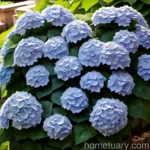
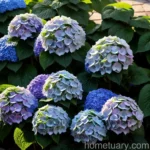
Hydrangea macrophylla Onyx Peacock, a stunning flowering plant, is a cultivar of Hydrangea macrophylla, which belongs to the Hydrangeaceae family. With its captivating dark foliage and vibrant blooms, it has become a beloved choice for gardeners and landscape enthusiasts. The plant derives its name from the striking combination of dark green to black foliage resembling the feathers of a peacock. The unique coloration and exceptional bloom clusters make it a sought-after variety in the world of horticulture.
Section 2: Key Takeaways
Hydrangea macrophylla Onyx Peacock Key Characteristics
- Striking dark green to black foliage
- Vibrant and captivating bloom clusters
- Belongs to the Hydrangea macrophylla species
- A popular choice for gardens and landscapes
Section 3: Culture
3.1. Water
Hydrangea macrophylla Onyx Peacock thrives in moist but well-drained soil. When it comes to watering, it is crucial to maintain consistent moisture levels, especially during dry periods and the flowering season. Adequate watering is essential for the plant’s overall health and the development of its stunning blooms.
3.2. Sunlight
This cultivar of Hydrangea macrophylla prefers partial shade to filtered sunlight. It is important to protect the plant from harsh afternoon sun, especially in regions with hot climates, as this can scorch the leaves and affect the overall health of the plant.
3.3. Fertilizer
When it comes to fertilization, a balanced slow-release fertilizer that is specifically formulated for acid-loving plants is recommended. Applying the fertilizer in early spring before the onset of new growth and again in late spring or early summer can promote healthy foliage and prolific flowering.
3.4. Soil
Hydrangea macrophylla Onyx Peacock thrives in rich, well-draining soil with a slightly acidic pH. Amending the soil with organic matter such as compost, peat moss, or well-rotted manure can enhance its texture and fertility, providing an optimal growing environment for the plant.
3.5. Pruning
Pruning is an essential aspect of caring for Hydrangea macrophylla Onyx Peacock. It is best to prune the plant immediately after flowering to remove spent blooms and shape the overall structure. Additionally, removing old and woody stems can promote the growth of new, vigorous shoots and ensure a healthier and more vibrant plant.
3.6. Propagation
The propagation of Hydrangea macrophylla Onyx Peacock can be achieved through various methods such as softwood cuttings, hardwood cuttings, and layering. Softwood cuttings can be taken in early summer, while hardwood cuttings are best obtained in late autumn or early winter. Layering, on the other hand, is a technique where a stem is encouraged to produce roots while still attached to the mother plant, allowing for the creation of a new independent plant.
3.7. Container Popularity
Due to its compact nature and stunning aesthetics, Hydrangea macrophylla Onyx Peacock is a popular choice for container gardening. Its striking foliage and vibrant blooms make it an eye-catching addition to patios, balconies, and outdoor living spaces.
Section 4: Common Diseases and Pests
4.1. Common Diseases
Hydrangea macrophylla Onyx Peacock is susceptible to certain diseases that can impact its overall health and vitality. Some of the common diseases that affect this plant include:
- Powdery Mildew: A fungal disease that manifests as a powdery, white coating on the foliage, affecting the plant’s ability to photosynthesize effectively.
- Leaf Spot: This disease is characterized by the appearance of dark or discolored spots on the leaves, often leading to premature leaf drop and reduced aesthetic appeal.
4.2. Disease Diagnosis
Proper diagnosis of diseases affecting Hydrangea macrophylla Onyx Peacock is essential for implementing effective management strategies. Close monitoring of the plant’s foliage, overall growth, and any signs of distress can aid in the early detection of potential disease issues.
4.3. Common Pests
In addition to diseases, certain pests can pose a threat to the health of Hydrangea macrophylla Onyx Peacock. Some of the common pests that may affect this plant include:
- Aphids: These small, soft-bodied insects can cluster on the undersides of leaves, sucking sap from the plant and potentially causing distortion of new growth.
- Spider Mites: These tiny arachnids can infest the plant and cause stippling or discoloration of the leaves, leading to a decline in overall plant health.
4.4. Botanist’s Tips
Implementing cultural practices that promote overall plant health, such as adequate watering, proper spacing, and the removal of debris and dead foliage, can greatly contribute to disease prevention. Additionally, regular monitoring of the plant for signs of pest infestation can aid in early intervention and management.
Section 5: Fun Facts
- The dark foliage of Hydrangea macrophylla Onyx Peacock is a result of the presence of anthocyanins, which are responsible for the plant’s intense pigmentation.
- The vibrant blooms of this cultivar can exhibit a range of colors, including shades of pink and blue, depending on the soil pH and the availability of aluminum ions.
Section 6: Links to External Resources
For further information on Hydrangea macrophylla Onyx Peacock and its care, maintenance, and cultivation, you can explore the following resources:
- Hydrangea macrophylla Onyx Peacock Varieties
- Onyx Peacock Hydrangea Pruning Techniques
- Hydrangea macrophylla Onyx Peacock Soil Requirements
- Onyx Peacock Hydrangea Planting Tips
- Hydrangea macrophylla Onyx Peacock Disease Resistance
By delving into the care and characteristics of Hydrangea macrophylla Onyx Peacock, you can uncover the secrets of cultivating and maintaining this enchanting plant, bringing beauty and vibrancy to your garden or landscape.