Hoya Serpens (Hoya Serpens)
Plants play an essential role in our lives, providing beauty, oxygen, and even food. Among the vast array of plant species, there are some that stand out.
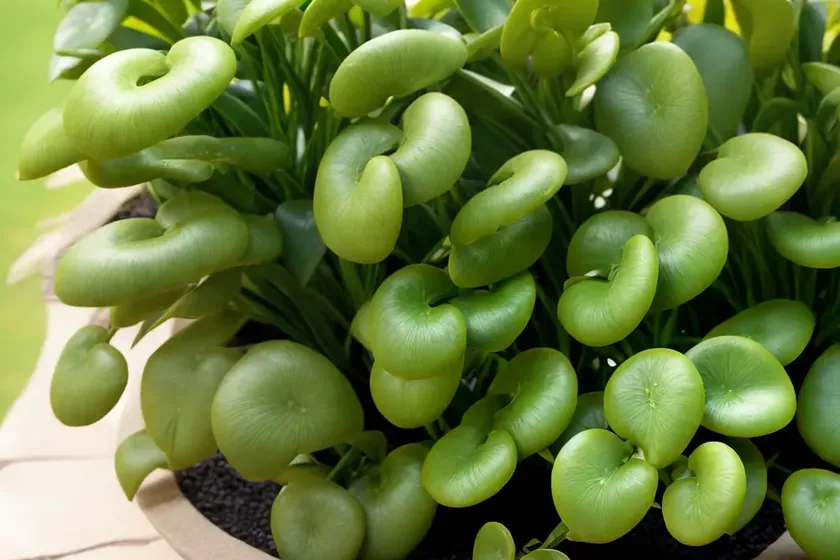
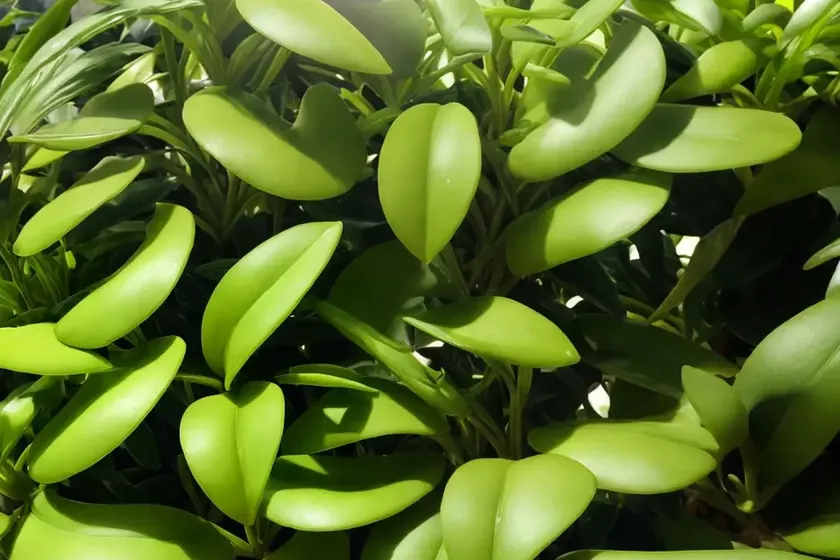
Plants play an essential role in our lives, providing beauty, oxygen, and even food. Among the vast array of plant species, there are some that stand out for their unique features, resilience, and captivating appearance. One such plant is the Hoya Serpens, a fascinating species that has captured the attention of plant enthusiasts worldwide. In this comprehensive guide, we will delve into the various aspects of Hoya Serpens, including its care, uses, propagation, and much more.
What is Hoya Serpens?
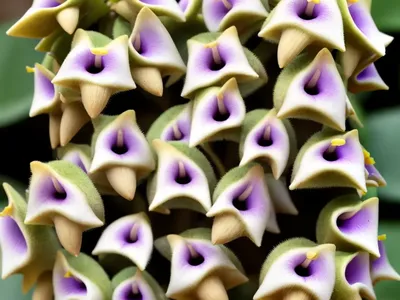
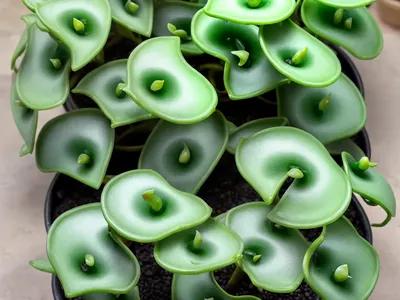
Hoya Serpens, also known as the Wax Plant, is a species of perennial, flowering vine in the family Apocynaceae. It is native to the forests of Southeast Asia, where it thrives in the warm and humid conditions of its natural habitat. The plant is characterized by its lush, trailing vines adorned with clusters of small, waxy flowers that exude a delightful fragrance. With its ability to thrive in both indoor and outdoor settings, Hoya Serpens has become a popular choice for plant enthusiasts looking to add a touch of elegance to their spaces.
Plant Specifications
- Botanical Name: Hoya Serpens
- Common Name: Wax Plant
- Family: Apocynaceae
- Native Region: Southeast Asia
- Plant Type: Perennial Flowering Vine
Key Takeaways – Hoya Serpens
Before delving into the specifics of caring for Hoya Serpens, it is important to understand the key takeaways associated with this unique plant. Let’s explore some of the essential aspects of Hoya Serpens that make it a coveted addition to any plant collection.
- Hoya Serpens is a perennial flowering vine known for its lush, trailing vines and waxy, aromatic flowers.
- The plant thrives in warm, humid conditions, making it well-suited for indoor cultivation in various climates.
- Hoya Serpens is a low-maintenance plant that requires minimal attention, making it ideal for both experienced and novice plant enthusiasts.
Now that we have a foundational understanding of Hoya Serpens, let’s dive into the specifics of its care, uses, and propagation.
Culture
Understanding the culture of a plant is crucial for ensuring its optimal growth and well-being. When it comes to Hoya Serpens, creating an environment that reflects its natural habitat is key to nurturing this beautiful species. Here are some fundamental aspects of Hoya Serpens culture:
Water
Proper watering is essential for the health of Hoya Serpens. As with many plants, overwatering can lead to root rot and other issues, while underwatering can cause the plant to wilt and decline. Finding the right balance is crucial. Here are some general guidelines for watering Hoya Serpens:
- Frequency: Allow the soil to dry out slightly between watering sessions. Water the plant thoroughly, ensuring that excess water can drain away.
- Watering Method: Ensure that water reaches the root zone, but avoid leaving the plant sitting in standing water.
- Seasonal Variations: Adjust watering frequency based on the plant’s needs, increasing it slightly during the growing season and reducing it during periods of dormancy.
Sunlight
Hoya Serpens thrives in bright, indirect light. While it can tolerate some morning or late afternoon sun, it is best to shield it from direct sunlight, especially during the hottest hours of the day. Here are some general guidelines for providing suitable sunlight for Hoya Serpens:
- Indoor Placement: Place the plant near a north- or east-facing window where it can receive bright, filtered light without being exposed to intense sun rays.
- Outdoor Considerations: If cultivating Hoya Serpens outdoors, provide it with dappled sunlight or partial shade to protect it from harsh sunlight.
Fertilizer
Fertilizing Hoya Serpens can promote healthy growth and abundant flowering. However, it is important to use a balanced fertilizer and apply it judiciously. Here are some tips for fertilizing Hoya Serpens:
- Fertilizing Schedule: During the growing season, apply a diluted, balanced liquid fertilizer every 2-4 weeks.
- Reduced Fertilization: Reduce or halt fertilizer application during the plant’s dormant period to avoid overstimulating growth.
Soil
The right soil composition is crucial for Hoya Serpens to thrive. Well-draining, aerated soil is essential for preventing waterlogged conditions that can harm the plant’s root system. Here are some considerations for selecting the right soil for Hoya Serpens:
- Well-Draining Mix: Use a well-draining potting mix that allows excess water to flow through easily.
- Aeration: Consider adding perlite or coarse sand to the potting mix to enhance aeration and drainage.
- Soil pH: Aim for a slightly acidic to neutral soil pH (6.0-7.0) for optimal growth.
Pruning
Pruning helps maintain the health and appearance of Hoya Serpens. It also encourages branching and can stimulate increased flowering. Here are some key points to consider when pruning Hoya Serpens:
- Deadheading: Remove spent flowers to promote continuous blooming and prevent energy wastage on seed production.
- Branch Pruning: Trim back overgrown or leggy vines to encourage bushier growth and a more compact habit.
- Timing: Conduct pruning during the active growing season to allow the plant to recover quickly and put forth new growth.
Propagation
Propagating Hoya Serpens allows for the expansion of your plant collection and provides an opportunity to share the beauty of this species with fellow plant enthusiasts. Here are some common methods for propagating Hoya Serpens:
Stem Cuttings
Stem cuttings are the most popular and reliable method of propagating Hoya Serpens. Follow these steps for successful propagation:
- Select a healthy, non-flowering stem and cut a section that is 4-6 inches long.
- Remove the lower leaves from the cutting to expose the nodes.
- Allow the cutting to dry and callus for a day or two.
- Plant the cutting in a well-draining propagation mix and keep it lightly moist until roots develop.
Layering
Layering is another method of propagating Hoya Serpens, particularly for mature plants with long, trailing vines. Here’s how to propagate Hoya Serpens through layering:
- Select a section of a healthy, trailing vine.
- Gently wound the selected section to expose the inner tissue, then cover it with a rooting medium.
- Secure the rooting medium in place and keep it consistently moist until roots form.
- Once roots have developed, sever the new plant from the parent and pot it separately.
Container Popularity
Hoya Serpens is a popular choice for container gardening due to its trailing habit and adaptability to indoor environments. Its lush vines and delicate flowers add a touch of elegance to any space, making it a sought-after plant for container cultivation. Whether placed on a stylish plant stand, suspended in a hanging basket, or trained along a trellis, Hoya Serpens adds a charming and captivating element to any container garden.
Common Uses
The versatility of Hoya Serpens makes it suitable for various container gardening applications, including:
- Indoor Decor: Enhance interior spaces with the lush, trailing vines and fragrant flowers of Hoya Serpens, creating a welcoming and aesthetically pleasing environment.
- Hanging Displays: Showcase the beauty of Hoya Serpens by suspending it in a decorative hanging basket, allowing its vines to cascade gracefully.
- Vertical Gardens: Use Hoya Serpens in vertical garden designs to add a splash of natural greenery to walls or trellises.
Common Diseases and Pests
Even though Hoya Serpens is relatively low-maintenance, it is essential to remain vigilant for signs of diseases and pests that may affect the plant. By recognizing the symptoms and taking prompt action, you can safeguard the health of your Hoya Serpens.
Disease Diagnosis
Hoya Serpens may be susceptible to certain diseases, including:
- Powdery Mildew: This fungal disease appears as a powdery white substance on the leaves, usually caused by humid conditions and poor air circulation.
- Root Rot: Overwatering or poorly draining soil can lead to root rot, causing the plant to wilt and decline.
Common Pests
Several pests can potentially affect Hoya Serpens, including:
- Mealybugs: These small, cottony pests can gather in the leaf axils and along the stems, sucking plant juices and causing stunted growth.
- Aphids: Aphids may infest the tender, new growth of Hoya Serpens, causing distortion and discoloration of the affected leaves.
Botanist’s Tips
As a plant scientist with a passion for Hoya Serpens, here are some key tips to ensure the successful cultivation and enjoyment of this captivating species:
- Humidity Control: Maintain adequate humidity levels for Hoya Serpens, especially when grown indoors. Consider using a humidifier or placing the plant on a pebble tray filled with water to enhance humidity.
- Regular Inspections: Routinely inspect your Hoya Serpens for signs of pests, diseases, or any care-related issues. Early detection can prevent problems from escalating.
Fun Facts
Immerse yourself in the wonder of Hoya Serpens with these fascinating and fun facts:
- Fragrant Flowers: Hoya Serpens produces clusters of small, star-shaped flowers that exude a delightful fragrance, often compared to chocolate or vanilla.
- Epiphytic Nature: In its natural habitat, Hoya Serpens often grows as an epiphyte, clinging to trees and other vegetation for support.
Links to External Resources
For additional information and resources on Hoya Serpens, consider exploring the following links:
- Hoya Serpens Care Guide – The Spruce
- Hoya Serpens: Tips for Growing and Caring – Epic Gardening
- Hoya Serpens – Gardening Know How
In conclusion, Hoya Serpens stands out as a captivating and resilient plant species that has found its way into the hearts and homes of plant enthusiasts around the world. From its lush, trailing vines to its fragrant, waxy flowers, this species offers a delightful and low-maintenance addition to any plant collection. By understanding its care requirements, propagation methods, and potential challenges, you can embark on a fulfilling journey of nurturing and enjoying the beauty of Hoya Serpens in your own space.