Hoya Picta (Hoya Picta)
The Hoya picta, also known as the Hoya pina, is a popular houseplant celebrated for its unique foliage and low-maintenance nature. This comprehensive care.
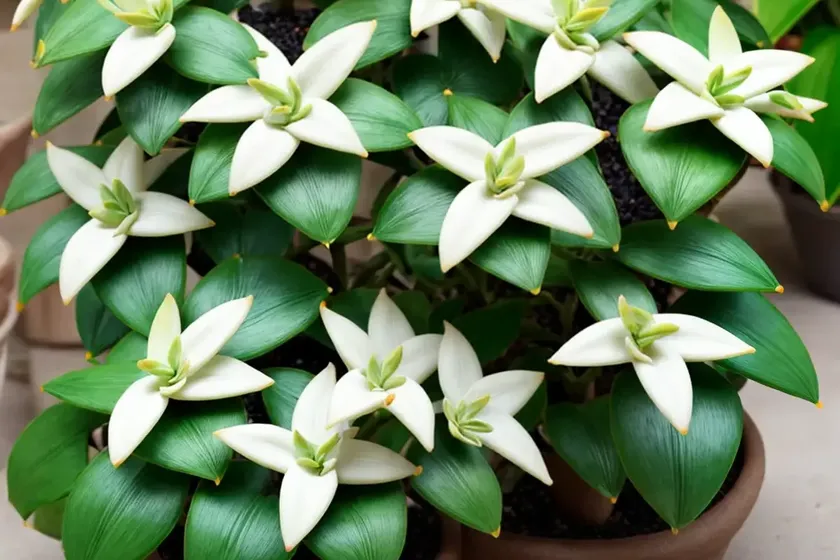
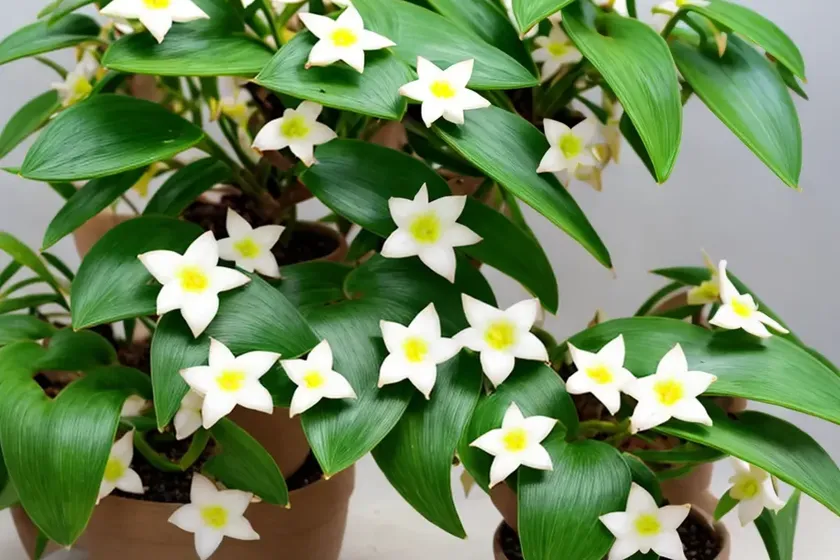
The Hoya picta, also known as the Hoya pina, is a popular houseplant celebrated for its unique foliage and low-maintenance nature. This comprehensive care guide will delve into the cultural significance, care needs, propagation techniques, and fascinating facts about the Hoya picta. Whether you’re a beginner or a seasoned plant enthusiast, this guide will equip you with the knowledge to nurture this beautiful plant effectively.
What is Hoya picta?
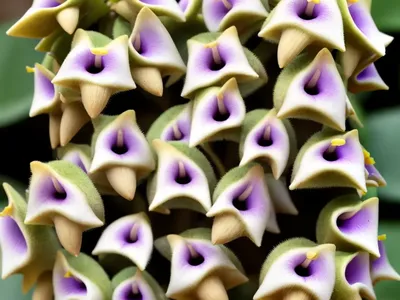
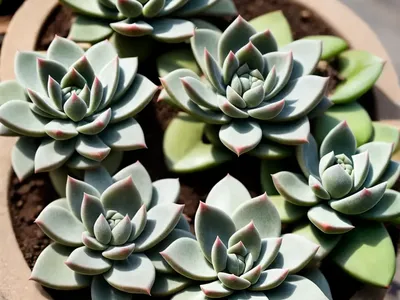
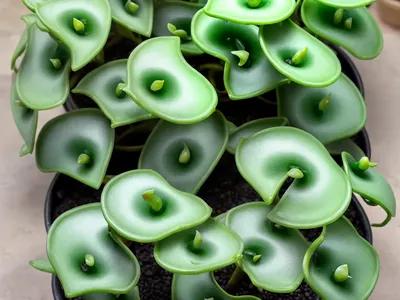
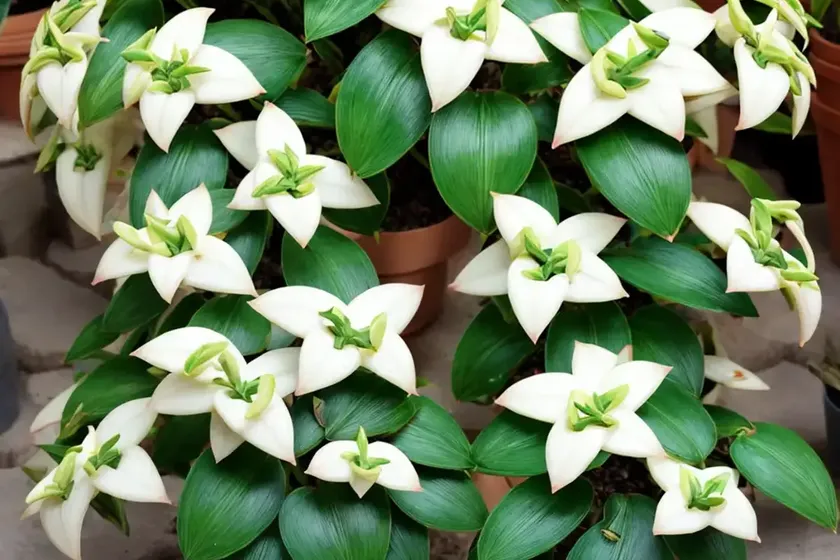
Hoya picta is a species of Hoya, a genus of tropical plants in the Apocynaceae family. This evergreen perennial originates from Southeast Asia and is preferred for its attractive foliage and its use as an indoor ornamental plant. The Hoya picta’s distinct features include fleshy, succulent leaves often adorned with silver variegation, and it produces small, star-shaped flowers in a clustering inflorescence.
Key Takeaways
Before we dive into the specific care requirements of the Hoya picta, let’s highlight some key takeaways concerning this remarkable plant:
- Origin: Southeast Asia
- Family: Apocynaceae
- Common Names: Hoya pina, Hoya picta
- Foliage: Variegated, succulent leaves
- Flowers: Small, star-shaped, clustered
- Growth Habit: Trailing, climbing
With these characteristics in mind, let’s explore the various aspects of caring for the Hoya picta to ensure its optimal health and vibrancy in your indoor space.
Culture
The cultural significance of the Hoya picta cannot be understated. It is often cherished for its ornamental value and its symbolic meaning in various cultures. Here are some cultural and symbolic aspects associated with this captivating plant:
-
Symbolism: In many cultures, the Hoya picta is considered a symbol of luck, prosperity, and positive energy. Its lush, variegated foliage is believed to bring good fortune and abundance to the space it inhabits.
-
Cultural Significance: In Southeast Asia, the Hoya picta is revered for its beauty and is often incorporated into traditional ceremonies and rituals as a symbol of purity and growth.
Understanding the cultural significance of the Hoya picta can deepen your appreciation for this plant and its role in various traditions and belief systems.
Uses
The Hoya picta serves multiple purposes beyond its ornamental value. Understanding its uses can offer insights into its versatility and practical applications. Some common uses of the Hoya picta include:
-
Ornamental: As a prized ornamental plant, the Hoya picta is widely used for indoor and greenhouse decoration. Its unique foliage adds a touch of elegance and natural beauty to any space.
-
Aromatherapy: Some Hoya species, including the Hoya picta, are valued for their fragrant flowers. The subtle, sweet scent of its blooms contributes to the practice of aromatherapy, promoting relaxation and tranquility.
Recognizing the multifaceted uses of the Hoya picta can help you appreciate its value beyond its aesthetic appeal.
Water
Proper watering is essential for the health and vitality of the Hoya picta. Understanding its water requirements and avoiding common watering mistakes is crucial for its overall well-being. Here are some key considerations for watering the Hoya picta:
-
Moisture Needs: Like many Hoyas, the Hoya picta prefers well-draining soil and moderate moisture levels. It is important to allow the soil to dry slightly between waterings to prevent root rot and waterlogged conditions.
-
Watering Frequency: In general, watering the Hoya picta once every 1-2 weeks during the growing season is sufficient. Adjust the frequency based on environmental factors such as temperature, humidity, and soil type.
-
Signs of Overwatering: If the leaves appear wilted, discolored, or exhibit yellowing, it may indicate overwatering. Adjust the watering schedule and drainage to remedy the issue.
By mastering the art of watering the Hoya picta, you can promote healthy growth and prevent common watering-related issues.
Sunlight
Appropriate light exposure is crucial for the Hoya picta’s growth and overall well-being. Understanding its light requirements and providing adequate light conditions is essential for cultivating a thriving plant. Here are some key points to consider regarding sunlight needs:
-
Light Intensity: The Hoya picta thrives in bright, indirect light. Avoid exposing it to harsh, direct sunlight, which can cause leaf scorch and damage.
-
Light Duration: Aim to provide 6-8 hours of indirect sunlight daily. This can be achieved by placing the plant near a north or east-facing window, or by filtering the light with sheer curtains or blinds.
-
Signs of Inadequate Light: If the plant exhibits leggy growth, pale leaves, or reduced variegation, it may indicate insufficient light. Adjust the plant’s placement to optimize its light exposure.
By addressing the plant’s sunlight requirements, you can ensure that it receives the ideal light conditions for robust growth and vibrant foliage.
Fertilizer
Proper fertilization is key to nurturing the Hoya picta and promoting its lush, healthy growth. Understanding its fertilization needs and adhering to a suitable feeding schedule can bolster the plant’s vigor. Here are some essential points to consider for fertilizing the Hoya picta:
-
Fertilizer Type: Select a balanced, water-soluble fertilizer formulated for houseplants. A fertilizer with a NPK ratio of 20-20-20 or similar balanced proportions is suitable for the Hoya picta.
-
Feeding Frequency: During the growing season, fertilize the Hoya picta once a month. Reduce or eliminate fertilization during the plant’s dormant period in winter.
-
Application Method: Dilute the fertilizer to half or quarter strength to avoid overwhelming the plant with nutrients. Apply the fertilizer during regular watering sessions to distribute it evenly in the soil.
By adhering to a consistent fertilization regimen, you can provide the essential nutrients needed for the Hoya picta’s growth and vitality.
Soil
The choice of soil directly impacts the Hoya picta’s ability to thrive and flourish. Understanding its soil preferences and selecting an appropriate potting mix is crucial for creating an optimal growing environment. Here are the important aspects to consider when choosing soil for the Hoya picta:
-
Well-Draining Mix: Use a well-draining potting mix tailored for succulent plants or incorporate perlite, coarse sand, or orchid bark to enhance drainage.
-
Lightweight Texture: The soil should have a light, airy texture to promote adequate aeration and prevent waterlogged conditions.
-
pH Level: A slightly acidic to neutral pH range of 6.0-7.0 is suitable for the Hoya picta. Avoid using heavy, compacted soils that impede root respiration.
By selecting a suitable soil mix that aligns with the Hoya picta’s needs, you can create an optimal foundation for its growth and development.
Pruning
Pruning is a vital aspect of Hoya picta care, enabling you to shape the plant, encourage new growth, and maintain its overall health. Understanding the principles of pruning and implementing proper techniques is essential for fostering a well-groomed and robust Hoya picta. Here are the key considerations for pruning this plant:
-
Removal of Leggy Growth: Trim leggy or straggly stems to promote a more compact, bushy growth habit.
-
Deadheading: Regularly remove spent flowers to redirect the plant’s energy towards new growth and potential bloom production.
-
Maintenance Pruning: Conduct periodic maintenance pruning to eliminate damaged, yellowing, or diseased foliage, promoting the plant’s overall vigor.
By incorporating pruning into your Hoya picta care routine, you can sculpt the plant’s appearance and stimulate healthy, vigorous growth.
Propagation
Propagation offers an opportunity to expand your Hoya picta collection and share the plant’s beauty with fellow enthusiasts. Understanding effective propagation techniques and applying them successfully is key to cultivating new Hoya picta plants. Here are some methods for propagating the Hoya picta:
-
Stem Cuttings: Propagate the Hoya picta through stem cuttings, ensuring each cutting possesses at least one node and a few leaves. Place the cuttings in a well-draining propagation medium and provide appropriate moisture and warmth for root development.
-
Water Propagation: Root Hoya picta cuttings in water, changing the water regularly to prevent rot and ensure healthy root growth. Transfer the rooted cuttings to a suitable potting mix once a developed root system is established.
-
Layering: Encourage natural rooting by layering a Hoya picta stem directly in the soil while it is still attached to the parent plant. Once roots form, carefully separate the new plant from the parent to establish it in its own container.
By mastering the art of propagation, you can multiply your Hoya picta collection and share the joy of this remarkable plant with others.
Container Popularity
The Hoya picta is a highly sought-after plant for container gardening and indoor display, owing to its elegant foliage, low-maintenance nature, and versatility in various container types. The following containers are popular choices for housing the Hoya picta:
-
Hanging Baskets: These are ideal for showcasing the Hoya picta’s trailing growth habit, allowing its lush vines to cascade gracefully. Select a well-draining potting mix and a container with adequate drainage holes to maintain optimal soil moisture.
-
Decorative Pots: Ornate, decorative pots enhance the aesthetic appeal of the Hoya picta and complement its exquisite foliage. Ensure that the pot provides ample space for the plant’s roots to expand and that it facilitates proper drainage.
-
Mounted Displays: Mounting the Hoya picta on a decorative plaque or board creates a striking display, allowing its vines to climb and weave along the surface. Select a mounting medium that offers stability and support for the plant’s growth.
By utilizing these popular container choices, you can showcase the Hoya picta’s beauty and create visually captivating indoor displays.
Common Diseases
While the Hoya picta is generally resilient, it is susceptible to certain diseases and health issues that can impact its growth and appearance. Recognizing common diseases and implementing effective preventive measures is crucial for maintaining a healthy Hoya picta. Here are some common diseases and health issues to watch out for:
-
Powdery Mildew: A fungal disease that manifests as white, powdery patches on the plant’s foliage. Provide adequate air circulation and avoid overhead watering to prevent powdery mildew.
-
Root Rot: Caused by overly wet conditions and poor drainage, leading to rotting of the plant’s roots. Adjust the watering frequency and use well-draining soil to prevent root rot.
-
Leaf Spot: Fungal or bacterial pathogens can cause dark or discolored spots on the Hoya picta’s leaves. Maintain proper air circulation and avoid splashing water onto the foliage to reduce the risk of leaf spot.
By staying vigilant and addressing these common diseases promptly, you can safeguard the Hoya picta from potential health issues and preserve its vibrant appearance.
Disease Diagnosis
Diagnosing diseases and health issues in the Hoya picta requires attentiveness to the plant’s symptoms and timely intervention to mitigate the problem. Familiarizing yourself with the characteristic signs of common diseases is essential for accurate diagnosis. Here are the diagnostic criteria for common diseases affecting the Hoya picta:
-
Powdery Mildew: Look for powdery, white patches on the upper and lower surfaces of the leaves, often accompanied by leaf distortion and stunted growth.
-
Root Rot: Examine the plant for wilting, discolored leaves, and a foul odor emanating from the soil, indicating root rot and waterlogged conditions.
-
Leaf Spot: Identify circular or irregularly shaped spots on the leaves, often with a distinct border and varying coloration, signifying the presence of leaf spot disease.
By honing your ability to diagnose diseases effectively, you can implement targeted treatments and protective measures to mitigate the impact on the Hoya picta’s health.
Common Pests
Pests pose a potential threat to the Hoya picta, requiring proactive pest management strategies to safeguard the plant from infestations. Identifying common pests and implementing effective pest control measures is essential for preserving the plant’s well-being. Here are some common pests that may affect the Hoya picta:
-
Spider Mites: These tiny arachnids can infest the Hoya picta, causing stippling, webbing, and overall decline in plant health. Regularly inspect the plant for signs of spider mite activity, particularly on the undersides of the leaves.
-
Mealybugs: These soft-bodied insects can cluster on the Hoya picta’s stems and foliage, sucking sap and secreting honeydew. Use a cotton swab dipped in alcohol to remove individual mealybugs and monitor the plant for further infestations.
-
Aphids: These small, soft-bodied insects can gather on new growth and tender plant parts, causing distortion and yellowing of the foliage. Hose down the plant with a gentle stream of water to dislodge aphids and reduce their numbers.
By understanding the behavior of common pests and implementing targeted pest control methods, you can mitigate potential pest infestations and protect the Hoya picta from harm.
Botanist’s Tips
As a botanist specializing in tropical plants, I have encountered numerous Hoya species, including the Hoya picta, in their natural habitat and as prized ornamental specimens. Based on my expertise, I offer the following tips to enhance your Hoya picta care experience:
-
Provide Adequate Support: If you intend to encourage the Hoya picta’s climbing habits, offer it a support structure such as a trellis, moss pole, or wire frame to accommodate its growth.
-
Monitor Humidity Levels: Hoyas, including the Hoya picta, appreciate moderate to high humidity. Consider using a humidity tray or regularly misting the plant to create a favorable moisture environment.
-
Promote Air Circulation: Enhance air circulation around the Hoya picta by positioning it near a gently oscillating fan, mitigating the risk of stagnant air and associated fungal issues.
By incorporating these botanist-endorsed tips into your Hoya picta care routine, you can optimize the plant’s growing conditions and promote its long-term health and vitality.
Fun Facts
The Hoya picta is not only revered for its beauty and ease of care but also for its intriguing characteristics and historical significance. Here are some fun facts about the Hoya picta that highlight its captivating nature:
-
Historical Lore: In ancient folklore, the variegated leaves of the Hoya picta were believed to bring fortune and protection to the individuals who cultivated the plant.
-
Epiphytic Nature: Like many Hoya species, the Hoya picta exhibits epiphytic tendencies, naturally growing on trees and deriving nutrients from airborne debris and organic matter.
-
Pollinator Magnet: The Hoya picta’s fragrant flowers attract pollinators such as bees and butterflies, contributing to the plant’s ecological relevance in its native habitats.
By delving into these fascinating fun facts, you can gain a deeper appreciation for the Hoya picta’s rich history and ecological role, adding to the allure of this beloved plant.
Links to External Resources
To further expand your knowledge and appreciation for the Hoya picta, consider exploring the following external resources:
- Hoya picta Plant Profile – The Spruce
- Hoya picta Care Tips – Gardening Know How
- Hoya picta 101: Everything You Need to Know About Growing Hoya picta – Bloomspace
These resources offer valuable insights, care tips, and practical advice for nurturing the Hoya picta, enriching your understanding of this enchanting plant.
In conclusion, the Hoya picta stands out as a captivating and resilient plant, cherished for its striking foliage and symbolic significance. By embracing the care guidelines and insights presented in this comprehensive guide, you can embark on a fulfilling journey of nurturing and celebrating the beauty of the Hoya picta in your indoor space. With an understanding of its cultural significance, propagation techniques, and unique features, you can cultivate a thriving and visually stunning Hoya picta, enriching your home with its natural elegance.
Remember, the allure of the Hoya picta extends beyond its ornamental value, offering insights into cultural traditions, folklore, and ecological interactions. Embrace the multifaceted nature of this remarkable plant, and it will reward you with its enduring beauty and symbolic presence.
Happy cultivating, and may your Hoya picta thrive and flourish under your care.