Hoya Obovata (Hoya Obovata)
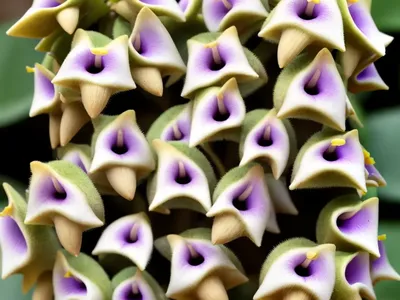
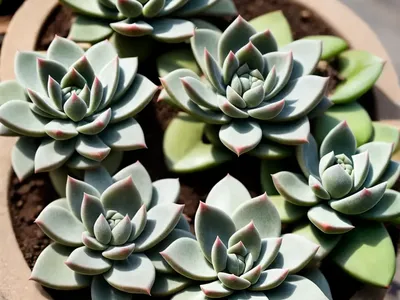
Hoya obovata, widely known as the Wax Plant, is a species in the family Apocynaceae, native to the Eastern Himalayas. This perennial epiphyte presents.
Introduction to Hoya Obovata
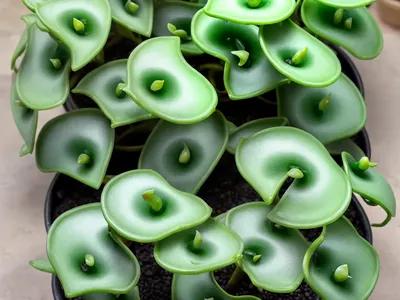
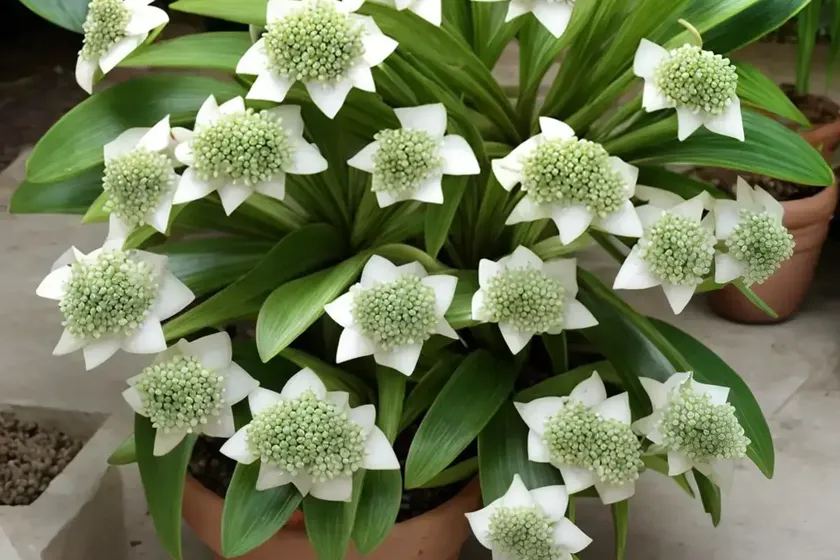
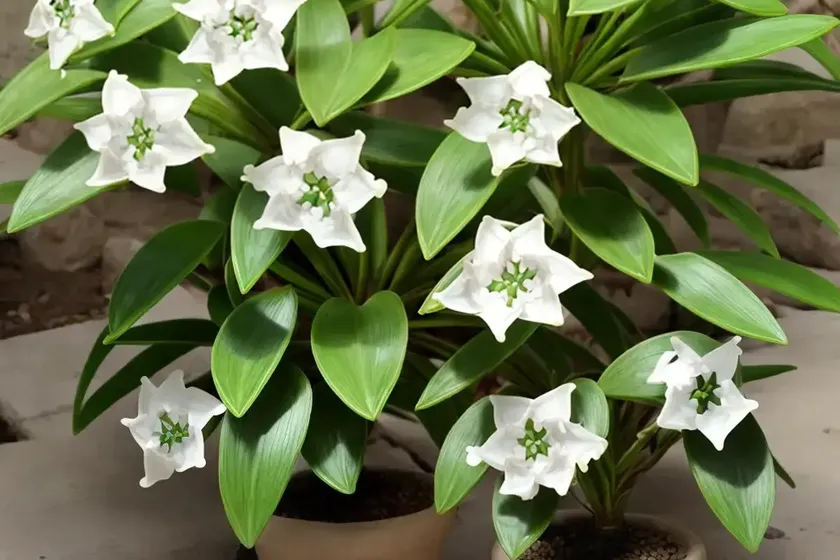
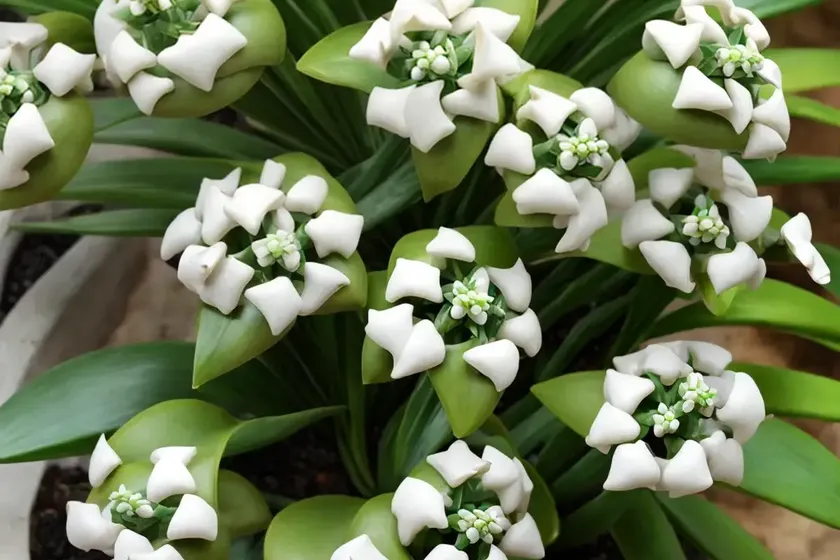
Hoya obovata, widely known as the Wax Plant, is a species in the family Apocynaceae, native to the Eastern Himalayas. This perennial epiphyte presents thick, waxy, and dark green leaves that are shaped like an oval, providing an elegant appearance. The activity of Hoya obovata care is becoming increasingly popular due to its distinctive growth habit, trailing vines, and beautiful star-shaped fragrant flowers that emerge in clusters. The pleasing attributes of Hoya obovata, along with its reputation as a low-maintenance houseplant, make it a sought-after choice for both beginners and experienced plant enthusiasts.
Key Takeaways – Hoya obovata ( Hoya obovata)
Before delving deeper into the intricacies of Hoya obovata care, it is essential to understand the key takeaways about this plant. This serves as a foundation from which we can build our understanding and cultivation techniques for Hoya obovata. Here are some key takeaways:
- The Hoya obovata is a wax plant adorned with thick, dark green, oval-shaped leaves and prominent veins.
- This species yields fragrant clusters of star-shaped flowers with a striking resemblance to porcelain.
- Hoya obovata flourishes in an indoor setting, offering a splendid ornamental display that enhances the ambience.
- The plant requires specific care concerning water, sunlight, soil, and pruning for optimal growth and flowering.
- Hoya obovata has moderate water requirements and is sensitive to overwatering, making well-draining soil and pots with drainage holes imperative.
- The plant exhibits a preference for indirect sunlight and high humidity levels.
- Hoya obovata is relatively resistant to pests and diseases, assuring a hassle-free nurturing experience to a certain extent.
Culture
Uses
Hoya obovata holds a special place in horticulture, primarily utilized for its ornamental value. The plant’s hanging and trailing nature makes it a desirable option for decorative baskets and hangers, effortlessly adding a touch of green to any indoor space. Moreover, the fragrant flowers produced by Hoya obovata intensify its desirability, making it a popular choice among those who appreciate indoor gardening.
Water
One of the pivotal aspects of Hoya obovata care is water management. It is essential to understand the plant’s watering requirements to ensure its well-being. Hoya obovata, being a succulent, displays a certain level of drought tolerance. Therefore, it is crucial to allow the soil to dry out partially between watering sessions. Overwatering can lead to root rot and other complications, necessitating a delicate balance in watering practices. Furthermore, it is advisable to water the plant thoroughly and allow excess water to drain out from the pot’s bottom to prevent waterlogging.
Sunlight
Hoya obovata flourishes in bright, indirect light. The plant’s native habitat in the Eastern Himalayas provides valuable insight into its light requirements. In its natural environment, Hoya obovata is accustomed to dappled, filtered sunlight, indicating its affinity for gentle, indirect light exposures. Placing the plant near windows or in areas where it can receive bright, indirect light is crucial for its health and productivity.
Fertilizer
Feeding Hoya obovata with a balanced and diluted liquid fertilizer can enhance its growth and flowering. During the growing season, which typically spans from spring to summer, it is recommended to fertilize the plant once a month. However, in the dormant winter period, it is best to withhold fertilization as the plant’s metabolic activity slows down. The application of a well-rounded fertilizer can positively impact the plant’s overall performance, contributing to ample foliage and floral displays.
Soil
The significance of a well-draining soil mix is paramount for Hoya obovata’s cultivation success. A mix rich in organic matter and possessing excellent drainage properties is ideal for this plant. Incorporating components like perlite, orchid bark, and coarse sand in the potting mixture can promote aeration and prevent water stagnation. This gentle, aerated soil medium caters to the plant’s need for adequate moisture without compromising the root system’s health.
Pruning
Regular pruning is an essential aspect of Hoya obovata care, contributing to the plant’s overall well-being and aesthetic appeal. Trimming the plant helps in controlling its size, promoting bushier growth, and encouraging the development of new shoots. Pruning also aids in removing any damaged or diseased parts, maintaining the plant’s vitality. It is advisable to prune Hoya obovata after the flowering phase to ensure an orderly and compact growth habit.
Propagation
Hoya obovata offers several viable methods of propagation, including stem cuttings and leaf propagation. Stem cuttings involve snipping healthy stems and rooting them in a suitable medium, fostering the growth of new plants. Leaf propagation, on the other hand, entails utilizing healthy leaves to initiate the propagation process. Both methods require attention to detail and specific environmental conditions to ensure successful propagation.
Container
Selecting an appropriate container for Hoya obovata is crucial for its cultivation. Opting for a pot with drainage holes is imperative to prevent water accumulation, which can lead to root rot. Furthermore, the size of the container should be conducive to the plant’s current size, offering adequate space for root expansion without promoting excessive moisture retention. This strategic choice in containers contributes to the plant’s overall health and vitality.
Popularity
The growing popularity of Hoya obovata can be attributed to several factors, including its charming aesthetics, low maintenance requirements, and ability to thrive as an indoor specimen. This plant has captured the attention of plant enthusiasts and interior decorators due to its trailing vines, glossy leaves, and captivating flowers. Hoya obovata’s resilience to varying indoor conditions, along with its air-purifying attributes, makes it an appealing choice for individuals seeking to enhance their living spaces with greenery.
Common Diseases
Disease Diagnosis
Hoya obovata is generally resilient against diseases, but certain factors can predispose it to health issues. Overwatering, poor air circulation, and prolonged exposure to high humidity levels can create an environment conducive to diseases such as powdery mildew and leaf spot. These conditions can be identified by the presence of powdery patches, leaf discoloration, and wilting. Effective disease diagnosis involves keen observation and prompt intervention to mitigate the spread of diseases and restore the plant’s health.
Common Pests
Hoya obovata’s resilience extends to its ability to withstand pest infestations to a certain extent. However, certain pests like aphids, mealybugs, spider mites, and scale insects may occasionally target the plant. Monitoring the plant for signs of pest presence, such as sticky residues, webbing, and visible insects, is crucial for early detection. Employing preventive measures and targeted control methods, such as neem oil or insecticidal soaps, can effectively manage pest populations and safeguard the plant’s well-being.
Botanist’s Tips
To optimize the care of Hoya obovata, several expert tips and recommendations can be implemented:
- Humidity Control: Maintaining moderate to high humidity levels is advantageous for Hoya obovata’s growth and vitality. Regular misting and using a pebble tray can elevate the ambient humidity and benefit the plant.
- Training Vines: Guiding the plant’s trailing vines can accentuate its ornamental appeal, creating a visually pleasing display. Training the vines along a support or trellis can add a decorative touch to the plant’s growth habit.
- Inspecting New Acquisitions: When acquiring a new Hoya obovata plant, it is advisable to thoroughly inspect it for any signs of pests or diseases. Isolating the new acquisition for a brief period can prevent the potential spread of pests or diseases to other plants.
Fun Facts
- Hoya obovata is also referred to as the “Wax Plant” due to its waxy leaves, contributing to its distinct appearance and resilience.
- The plant’s fragrant flowers make it a popular choice for scented gardens, providing an aromatic contribution to indoor environments.
Links to External Resources
For additional information and resources on Hoya obovata care, propagation, and other related topics, consider exploring the following links:
- Hoya Plant Care
- Hoya Obovata: How to Grow and Care for
- University of Florida – Hoya obovata
- Hoya Propagation: How to Propagate Your Hoya Plant
In conclusion, delving into the realm of Hoya obovata care offers a captivating journey into the world of indoor gardening and plant nurturing. The unique attributes of Hoya obovata, including its lush foliage, fragrant blooms, and low-maintenance nature, contribute to its appeal as an ideal choice for plant enthusiasts and interior decorators alike. By integrating the recommended care practices, propagation techniques, and environmental considerations, plant enthusiasts can foster the thriving growth and ornamental beauty of Hoya obovata in their indoor spaces. This Wax Plant, with its elegant presence and captivating allure, continues to enthrall and inspire individuals to embrace the art of cultivating greenery within their homes.
With an extensive understanding of Hoya obovata’s care requirements, enthusiasts can embark on a rewarding journey of nurturing this charming plant, leveraging its distinctive traits to create an enchanting indoor oasis.