Hoya Globulosa (Hoya Globulosa)
Hoya globulosa, also known as the wax plant, is a popular species appreciated for its attractive appearance and ease of care. This charming plant features.
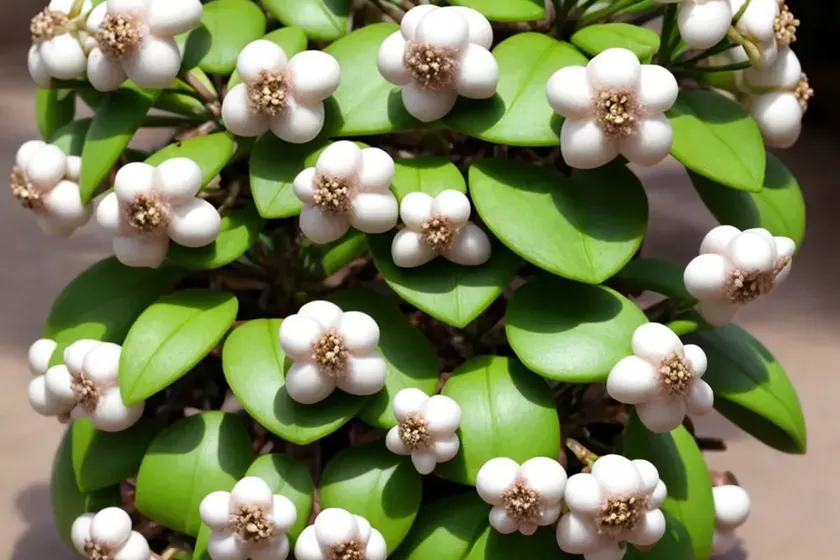
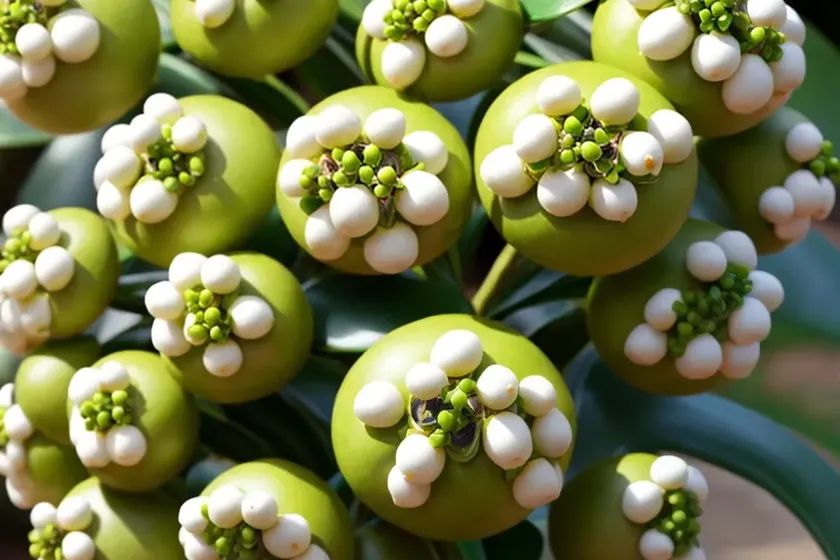
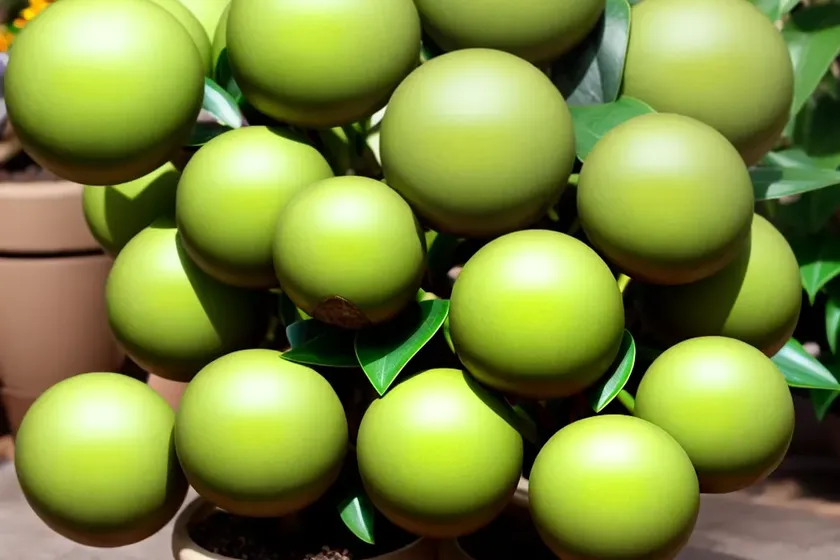
Hoya globulosa, also known as the wax plant, is a popular species appreciated for its attractive appearance and ease of care. This charming plant features clusters of small, star-shaped flowers often found in shades of pink, red, and white. In addition to its visual appeal, the Hoya globulosa is loved for its resilience and adaptability, making it an excellent choice for both experienced and novice plant enthusiasts alike.
In this comprehensive care guide, we will explore everything you need to know about Hoya globulosa, including its cultural preferences, care requirements, propagation methods, common diseases and pests, and intriguing facts. Whether you are a seasoned plant lover or just beginning your green-thumb journey, this guide will equip you with the knowledge and expertise to nurture a thriving Hoya globulosa in your home.
What is Hoya Globulosa?
Hoya globulosa, a member of the Apocynaceae family, is a species of the genus Hoya. This evergreen perennial is native to the tropical regions of Eastern Asia and is often found growing on trees or cliffs in its natural habitat. It exhibits a climbing or trailing growth habit, and its lush, waxy leaves add to its allure, making it a popular choice for hanging baskets or as a trailing ornamental plant.
The Hoya globulosa is treasured for its unusual, spherical-shaped flower clusters and a delightful fragrance that is particularly prominent during the evening hours. In ideal conditions, this plant can produce an abundance of flowers, creating a captivating visual display and filling the surrounding space with a sweet and enchanting aroma.
Key Takeaways – Hoya Globulosa
Before delving into the specifics of caring for Hoya globulosa, let’s take a quick look at its key features and characteristics:
- Scientific Name: Hoya globulosa
- Family: Apocynaceae
- Genus: Hoya
- Native Habitat: Tropical regions of Eastern Asia
- Common Names: Wax Plant, Hoya, Porcelain Flower
- Growth Habit: Climbing or trailing perennial
- Flower Characteristics: Spherical clusters, star-shaped, fragrant
- Foliage: Glossy, waxy leaves
- Popularity: Appreciated for its visual appeal and ease of care
- Cultural Uses: Ornamental plant, air-purifying qualities
- Adaptability: Thrives in various indoor environments
- Propagation Methods: Stem cuttings, layering
- Common Pests: Aphids, mealybugs
- Common Diseases: Fungal infections
Now that we have an overview of Hoya globulosa’s main attributes, let’s explore in detail how to best care for this captivating plant.
Culture
Proper cultural practices are essential for the overall health and well-being of Hoya globulosa. From maintaining the right environmental conditions to providing adequate nutrition, understanding the cultural requirements of this plant is key to ensuring its vitality and vibrancy.
Uses
Hoya globulosa serves several practical and aesthetic purposes, making it a versatile addition to any indoor space. Understanding its various uses can help you leverage its strengths to enhance your living environment and interact with this charming plant in meaningful ways.
Ornamental Plant
The primary use of Hoya globulosa is as an ornamental plant. Its visually appealing foliage and delicate clusters of flowers make it an attractive addition to homes, offices, and public spaces. When in bloom, the wax plant can add a touch of elegance and natural beauty to any setting.
Air-Purifying Qualities
In addition to its visual appeal, Hoya globulosa also offers air-purifying qualities. Like many other Hoya species, it has the ability to remove toxins and impurities from the air, contributing to a healthier indoor environment. Its lush foliage and efficient air-purifying capabilities make it a valuable asset in any space.
Water
Proper watering is crucial for the health and vitality of Hoya globulosa. Understanding the plant’s water requirements and implementing a consistent watering routine is essential for preventing issues such as root rot or dehydration.
Watering Requirements
Hoya globulosa thrives in moderately moist conditions and prefers well-draining soil. It is important to allow the top one to two inches of the soil to dry out between watering sessions to prevent waterlogging. Always adjust the frequency of watering based on seasonal changes and the specific environmental conditions in your home.
Sunlight
Proper sunlight exposure is essential for the growth and flowering of Hoya globulosa. Understanding the plant’s light preferences and providing suitable conditions can significantly impact its overall health and blooming potential.
Light Needs
Hoya globulosa thrives in bright, indirect light. It is best to place the plant near a window where it can receive ample sunlight without being exposed to direct midday rays, which could cause leaf burn. Inadequate light may result in reduced flower production and overall stunted growth, so be mindful of providing a suitable light environment for your wax plant.
Fertilizer
While Hoya globulosa is not heavy feeder, occasional fertilization is beneficial in promoting healthy growth and blooming. Understanding the plant’s fertilizer needs and implementing a balanced feeding routine can support its overall well-being.
Fertilization Tips
During the growing season, which typically spans from spring to summer, you can fertilize Hoya globulosa once a month using a balanced, water-soluble fertilizer specifically formulated for houseplants. Reduce the frequency of fertilization during the fall and winter months, as the plant’s growth slows down during this period.
It is important to follow the manufacturer’s instructions and dilute the fertilizer to avoid causing stress or damage to the plant’s roots. Over-fertilization can lead to salt buildup in the soil, negatively impacting the plant’s health, so it’s crucial to exercise moderation in your fertilization efforts.
Soil
Selecting the right potting mix and maintaining suitable soil conditions are critical for the overall health and growth of Hoya globulosa. Understanding the plant’s soil preferences and providing a well-suited growing medium can make a significant difference in its vitality and resilience.
Soil Conditions
Hoya globulosa thrives in a well-draining potting mix that is rich in organic matter. A blend of peat moss, perlite, and coarse sand creates an ideal growing medium that allows excess water to drain away while retaining sufficient moisture for the plant’s roots. It’s important to avoid using heavy or compacted soils that can lead to waterlogging and root rot.
When repotting your wax plant, select a container with adequate drainage holes to ensure proper aeration and drainage. Transplanting into a slightly larger pot can provide the plant with additional room for root growth without overwhelming it with excessive space.
Pruning
Regular pruning is essential for maintaining the shape, health, and vitality of Hoya globulosa. Understanding the principles of effective pruning and implementing proper techniques can help you keep your wax plant in optimal condition.
Pruning Tips
Pruning Hoya globulosa can help manage its size, encourage bushier growth, and remove any damaged or leggy stems. Use clean, sharp pruning shears to make precise cuts, and always sterilize your tools to prevent the spread of diseases.
When pruning, focus on removing any dead or yellowing leaves, as well as any excessively long or straggly stems. You can also trim back the plant to shape it according to your preferences, ensuring a neat and compact appearance.
It’s essential to avoid over-pruning, as excessive removal of foliage and stems can stress the plant and inhibit its ability to produce flowers. By practicing mindful and selective pruning, you can maintain the health and attractiveness of your Hoya globulosa without compromising its overall well-being.
Propagation
Propagation offers an exciting opportunity to expand your collection of Hoya globulosa and share the beauty of this plant with friends and fellow plant enthusiasts. Understanding the various methods of propagation and implementing suitable techniques can help you successfully cultivate new plants from existing specimens.
Propagation Methods
Hoya globulosa can be propagated through stem cuttings, making it relatively straightforward to multiply your plants. Here’s a simple step-by-step guide for propagating Hoya globulosa:
- Select a healthy, mature stem from the parent plant.
- Using a clean, sharp knife or scissors, cut a section of the stem that includes at least two leaf nodes.
- Allow the cut end to callus over for a day or two to prevent rotting.
- Plant the cutting in a small pot filled with a well-draining potting mix.
- Keep the soil lightly moist and place the pot in a warm, bright location with indirect sunlight.
- After a few weeks, the cutting should develop roots, indicating successful propagation.
Another method of propagation, known as layering, involves encouraging the plant to develop roots while still attached to the parent plant. This technique can be particularly useful for species like Hoya globulosa that produce long, trailing stems.
By gently bending a healthy stem down to reach the soil surface and creating a slight wound on the underside of the stem, you can encourage the development of roots. Once roots have formed, you can detach the new plant from the parent and pot it in its own container.
Container Popularity
Hoya globulosa is a sought-after choice for container gardening due to its compact size, attractive appearance, and ease of care. Its suitability for various container types and settings makes it a versatile and popular option for plant enthusiasts.
Common Uses of Containers
The versatility of Hoya globulosa makes it well-suited for a range of container types and settings:
- Hanging Baskets: The trailing growth habit of Hoya globulosa makes it an ideal candidate for hanging baskets, allowing its lush foliage and charming flowers to cascade gracefully, adding a touch of elegance to any space.
- Pots and Planters: Hoya globulosa is well-adapted to growing in pots and planters, making it a versatile choice for both indoor and outdoor settings. You can select containers of various sizes and styles to complement your decor and personal preferences.
- Trellis Support: For those seeking a more vertical growing arrangement, providing a trellis or other climbing support allows Hoya globulosa to showcase its climbing capabilities, creating a captivating display in any garden or indoor space.
With the right container and growing environment, Hoya globulosa can thrive and enhance the visual appeal of any setting, making it a popular choice for container gardening enthusiasts.
Common Diseases
Like all plants, Hoya globulosa is susceptible to certain diseases and infections that can impact its health and vigor. Recognizing common diseases and understanding their causes and prevention strategies is crucial for maintaining the well-being of your wax plant.
Disease Diagnosis
It’s important to be vigilant for signs of potential diseases or stress in Hoya globulosa. Here are some common diseases that may affect this species:
- Fungal Infections: Excessive moisture, poor air circulation, and overwatering can create conditions conducive to fungal infections, causing issues such as root rot or leaf spot. Look for signs of wilting, yellowing leaves, or dark spots, and take immediate action to address the underlying causes.
In the event of disease diagnosis, it is crucial to isolate affected plants to prevent the spread of infections, adjust cultural practices to create a less favorable environment for pathogens, and consider targeted treatments such as fungicides, if necessary. Additionally, maintaining overall plant health through proper care and environmental management can help prevent many common diseases from occurring in the first place.
Common Pests
Dealing with pest infestations is a common challenge when caring for indoor and outdoor plants. Hoya globulosa is no exception and may face attacks from certain pests that can impact its growth and appearance. Understanding common pests and implementing effective pest control strategies is essential for protecting your wax plant.
Common Pests
Several common pests may pose a threat to Hoya globulosa, including:
- Aphids: These small, soft-bodied insects feed on plant sap and can cause stunted growth and distorted leaves. Look for clusters of aphids on the undersides of leaves and take action to control their numbers using natural predators, insecticidal soaps, or neem oil.
- Mealybugs: Mealybugs are small, white insects that gather in cottony clusters on the stems and leaves of plants. Their feeding can weaken the plant and lead to yellowing or wilting. Combat mealybug infestations with alcohol-soaked cotton swabs, insecticidal sprays, or introducing natural predators.
Vigilance and regular inspection are crucial for early detection of pest issues. By promptly addressing pest infestations and implementing effective control measures, you can safeguard the health and beauty of your Hoya globulosa.
Botanist’s Tips
As you embark on your journey of caring for Hoya globulosa, consider these insightful tips from botanists and experienced plant enthusiasts to help you create an optimal environment for your wax plant:
-
Consistent Monitoring: Regularly observe your Hoya globulosa for any changes in growth, appearance, or the presence of pests. Timely intervention can prevent minor issues from developing into larger problems.
-
Adequate Aeration: Ensure proper air circulation around your wax plant to minimize the risk of fungal diseases and maintain overall plant vigor. Provide ventilation and avoid overcrowding with other plants to promote healthy growth.
-
Mindful Watering: Be attentive to your plant’s watering needs, allowing the soil to partially dry out between waterings to prevent root rot. Adjust your watering frequency based on environmental conditions and seasonal changes.
-
Suitable Support: When growing Hoya globulosa as a climbing plant, provide a sturdy trellis or support structure to accommodate its growth habit and prevent damage to the stems and foliage.
By incorporating these tips into your care routine, you can create an environment that fosters the health and vitality of your Hoya globulosa, allowing it to flourish and thrive.
Fun Facts
As you immerse yourself in the world of Hoya globulosa, consider these intriguing and fascinating facts about the wax plant:
-
Popular Gift Choice: Hoya globulosa is often chosen as a gift due to its charming appearance and low maintenance requirements. It makes a delightful present for plant enthusiasts, nature lovers, and those seeking a touch of natural beauty in their living spaces.
-
Symbolic Significance: In many cultures, Hoyas, including Hoya globulosa, are associated with meanings such as love, friendship, and positivity. They are often exchanged as tokens of appreciation and well-wishes.
-
Photogenic Beauty: The unique appearance and intricate detailing of Hoya globulosa’s flowers make it a popular subject for plant photography enthusiasts. Its captivating clusters of star-shaped blooms provide an excellent opportunity for creative and visually appealing compositions.
By delving into these fun and interesting facets of Hoya globulosa, you can deepen your appreciation for this captivating plant and its role in the world of gardening and horticulture.
Links to External Resources
As you continue your journey of caring for Hoya globulosa, you may find value in exploring the following external resources, which offer additional insights, tips, and support for cultivating and enjoying this enchanting plant:
- Royal Horticultural Society: Hoya Care Guide
- Gardening Know How: Comprehensive Hoya Care Tips
- University of Florida IFAS Extension: Hoya Plant Propagation Guide
- National Gardening Association: Hoya Globulosa Growing Profile
These valuable resources can complement your understanding of Hoya globulosa and provide practical guidance for nurturing and enjoying this captivating plant.
In conclusion, Hoya globulosa, with its captivating appearance, delightful fragrance, and ease of care, is a plant that offers abundant joy and natural beauty to those who embrace it. By understanding its cultural requirements, mastering essential care techniques, and celebrating its unique qualities, you can cultivate a lush and thriving wax plant in your own home. Whether adorning a hanging basket, climbing a trellis, or trailing from a planter, Hoya globulosa has the power to inspire, enchant, and bring a touch of natural elegance to any space. With the knowledge and insights shared in this comprehensive care guide, you are well-equipped to embark on a rewarding journey with Hoya globulosa and delight in its charm for years to come.